Accelerated Learning and Skill Development
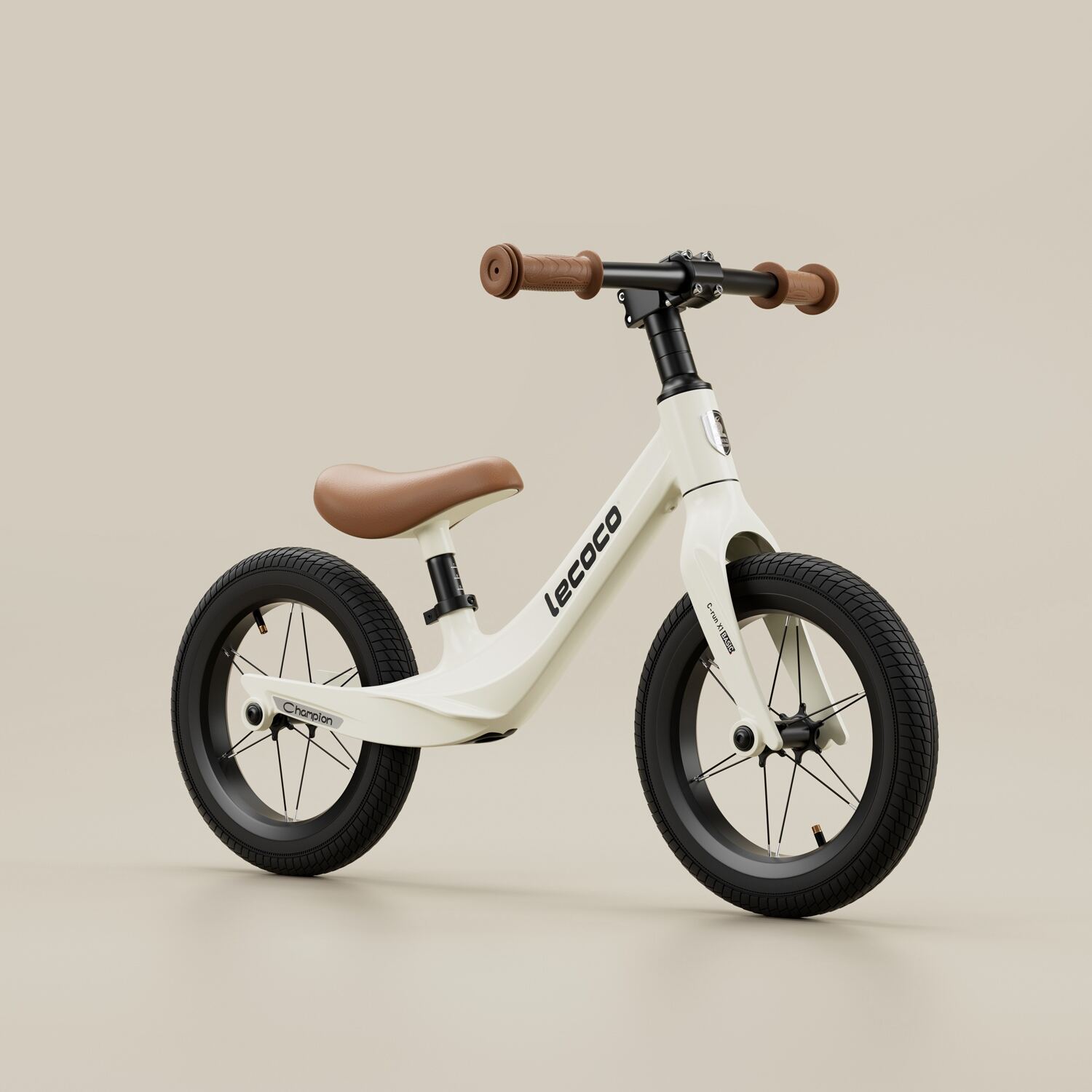
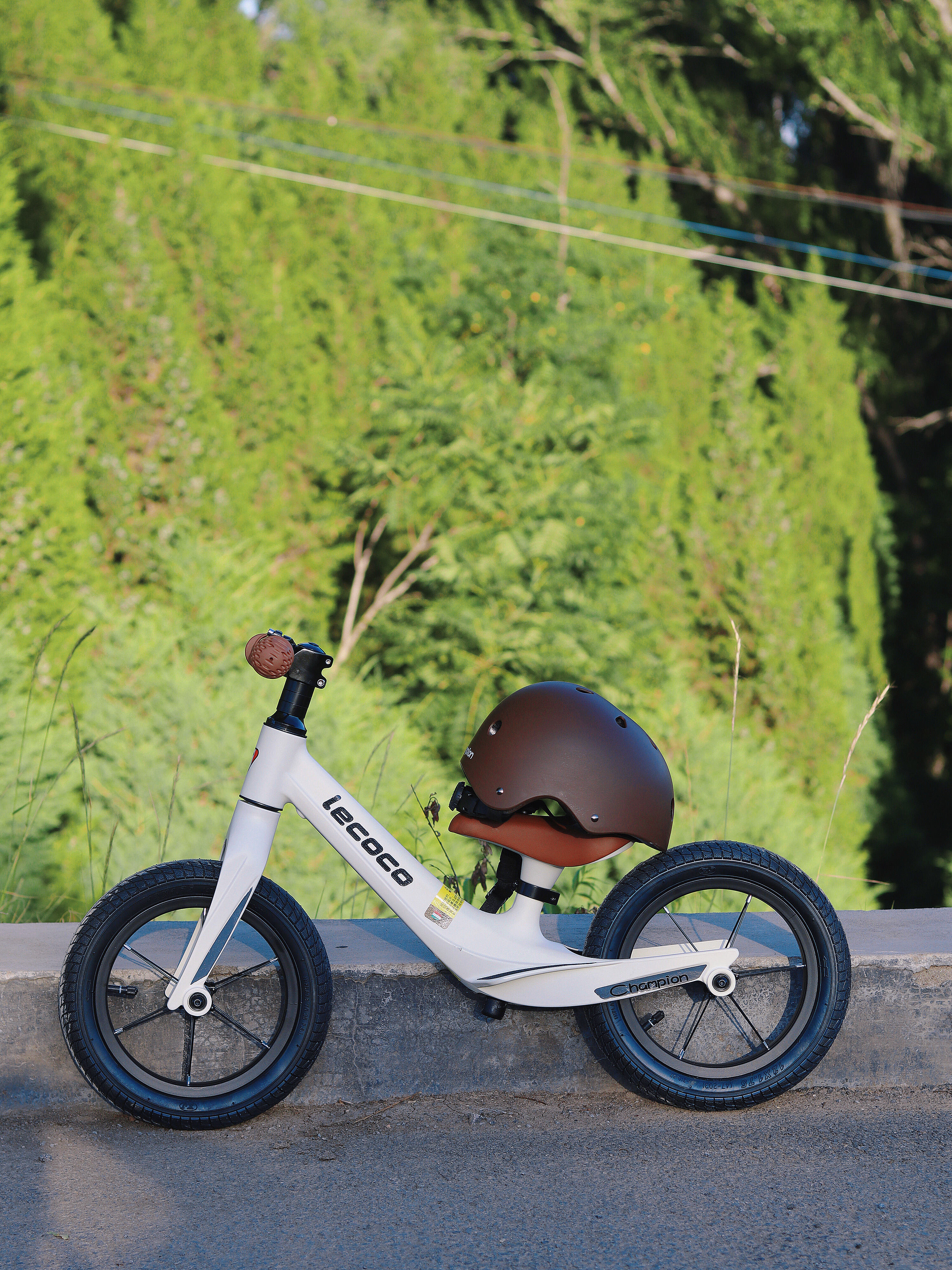
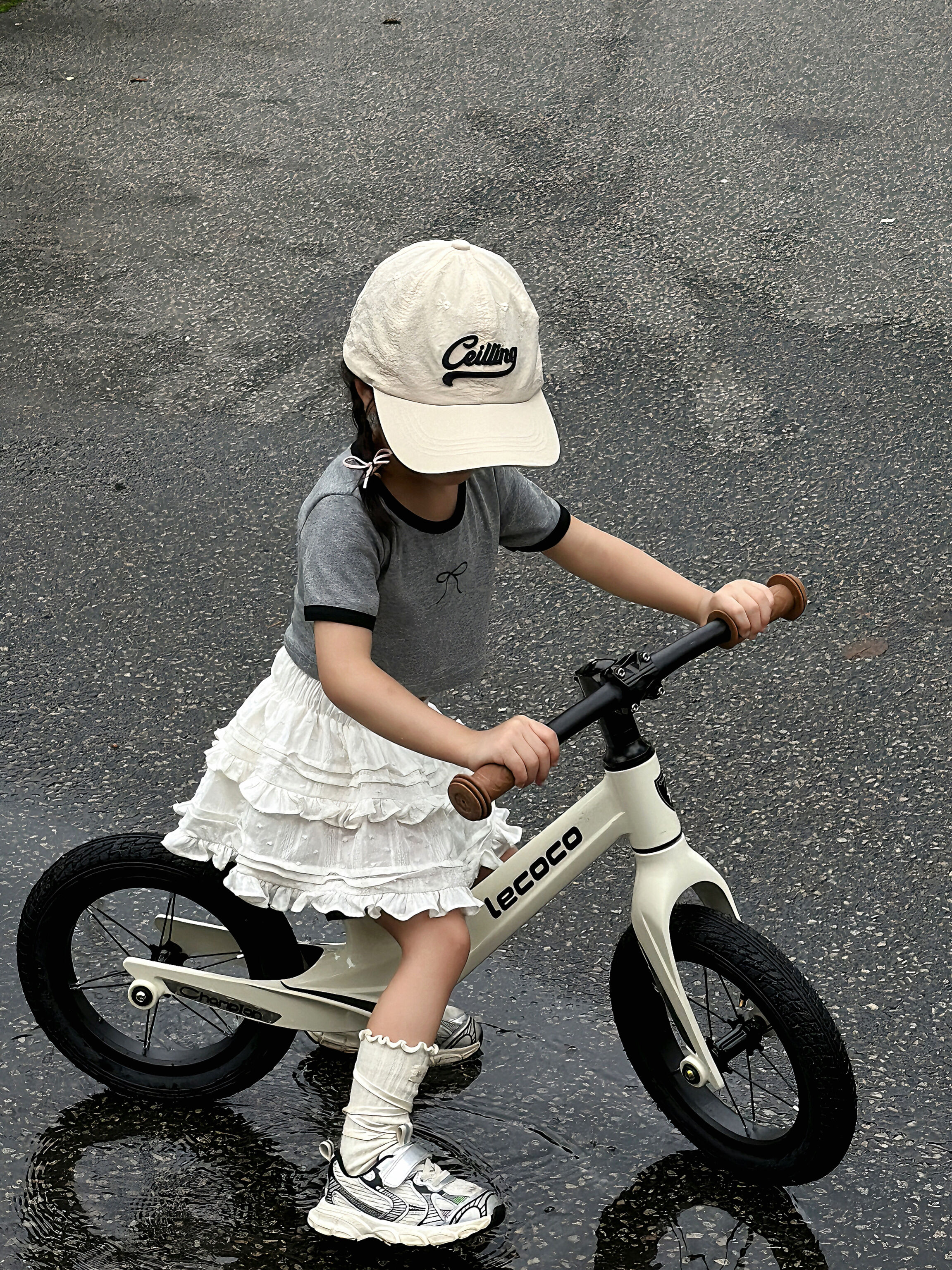
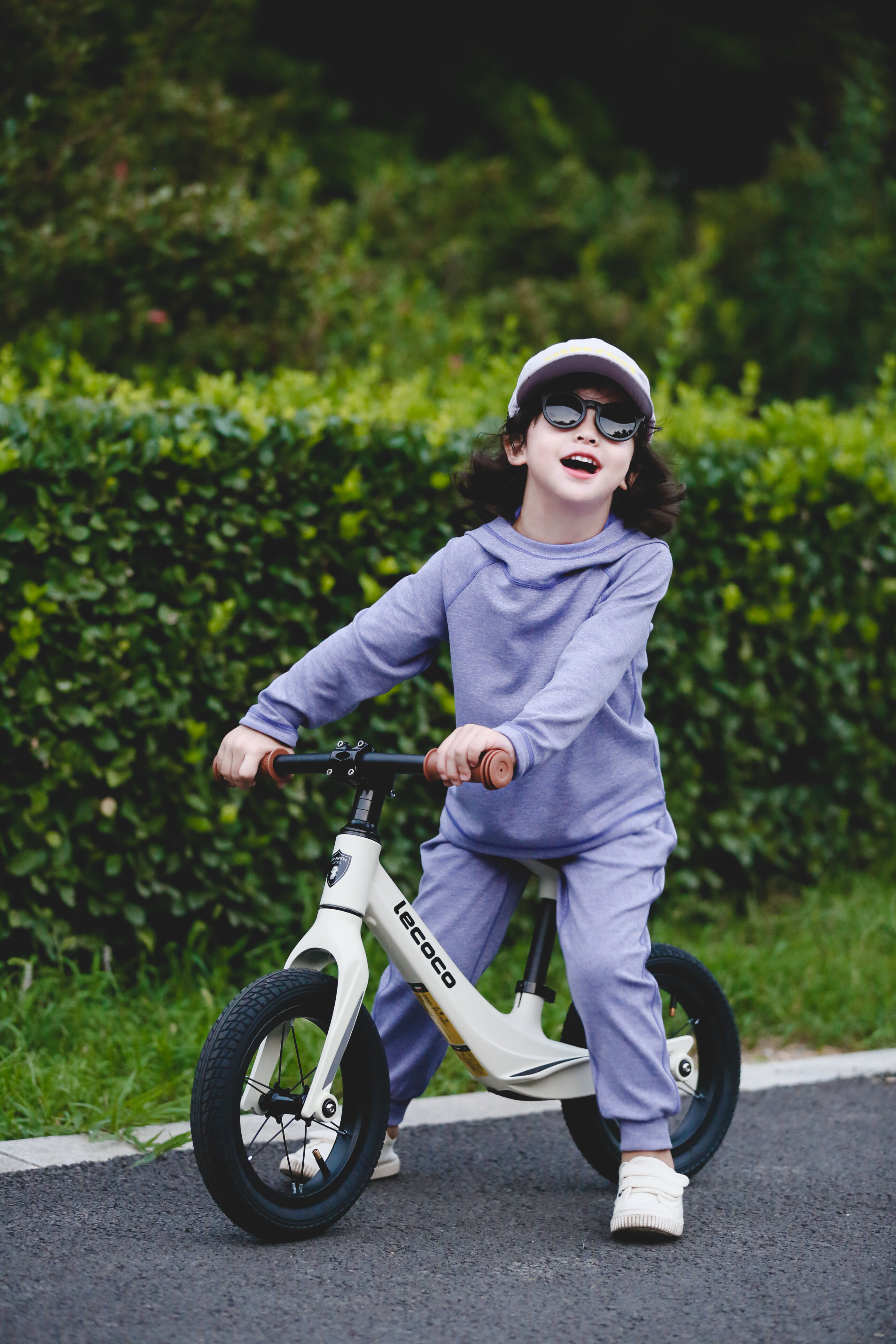
The small balance bike serves as an exceptional educational tool that accelerates physical and cognitive development through engaging, self-paced learning experiences. Children develop balance skills up to six months faster using a small balance bike compared to traditional training wheel methods, as they engage proprioceptive systems that training wheels actually inhibit. The learning process becomes intuitive and natural, allowing children to understand weight distribution, momentum, and steering coordination without the distraction of pedaling mechanics. Cognitive development benefits include improved spatial awareness as children navigate obstacles, plan routes, and judge distances while riding their small balance bike. Problem-solving skills emerge as young riders encounter different terrains, slopes, and turning challenges, developing creative solutions and adaptive strategies. The small balance bike encourages risk assessment capabilities as children learn to evaluate their speed, the safety of different surfaces, and their personal comfort levels with various maneuvers. Motor skill development occurs across multiple systems simultaneously, with fine motor skills improving through handlebar grip and steering control, while gross motor skills advance through core stabilization and leg coordination. The progressive nature of small balance bike mastery allows children to set and achieve personal goals, from initial scooting to confident gliding, building self-efficacy and motivation for continued physical challenges. Research indicates that children who master a small balance bike demonstrate superior bike handling skills throughout their cycling journey, including better cornering, obstacle avoidance, and emergency stopping techniques. The social learning aspect proves invaluable as children observe peers, imitate successful techniques, and develop communication skills through shared riding experiences. Concentration and focus abilities improve as children must maintain attention to balance, direction, and environmental factors simultaneously while riding their small balance bike. The transition to pedal bikes becomes remarkably smooth, with most children requiring less than 30 minutes to master pedaling after months of balance bike experience, compared to weeks or months required with traditional training wheel approaches. Confidence building extends beyond cycling into other physical activities, as children develop trust in their ability to learn new motor skills and overcome physical challenges through the positive small balance bike experience.
 ×
×

 EN
EN