Developmental Learning Benefits
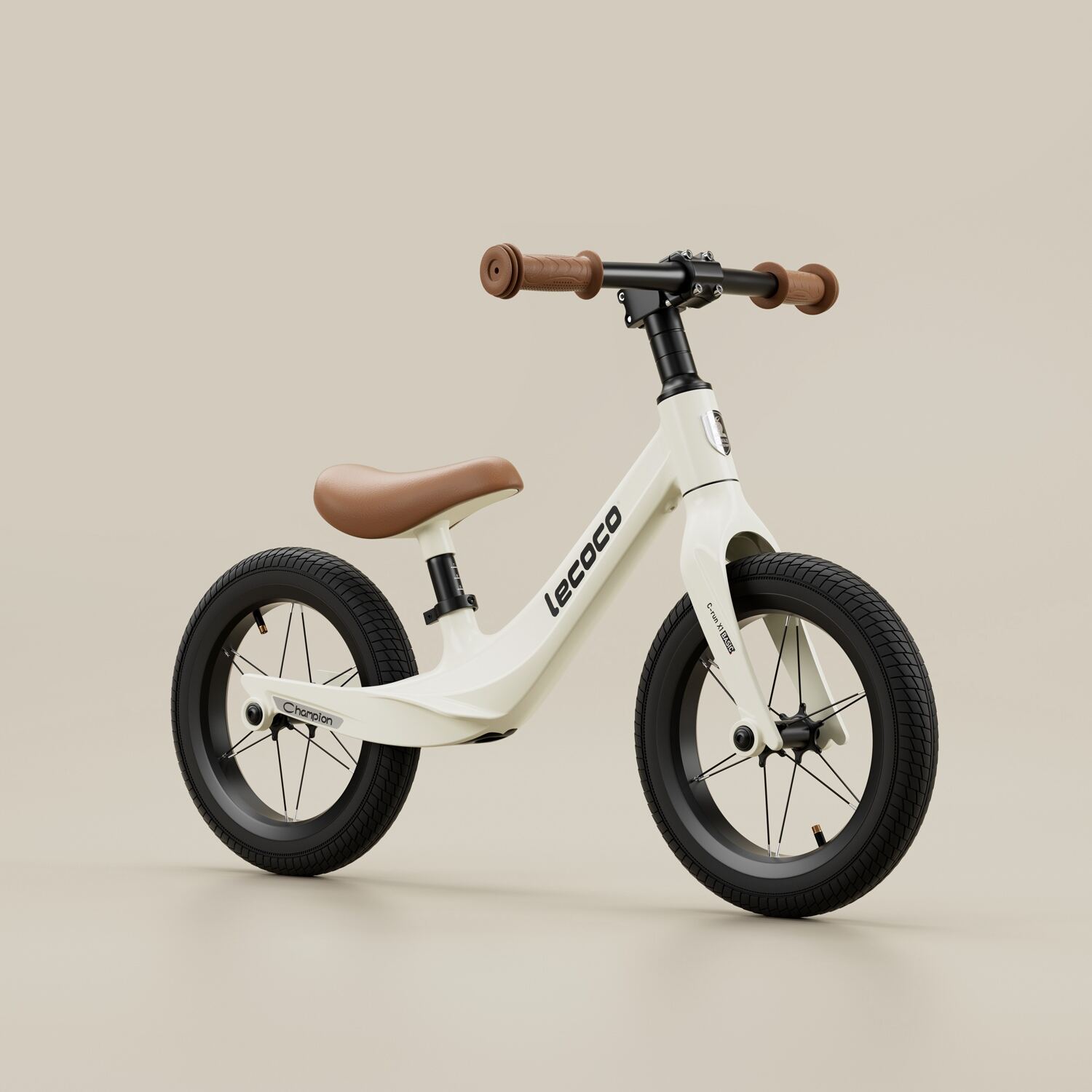
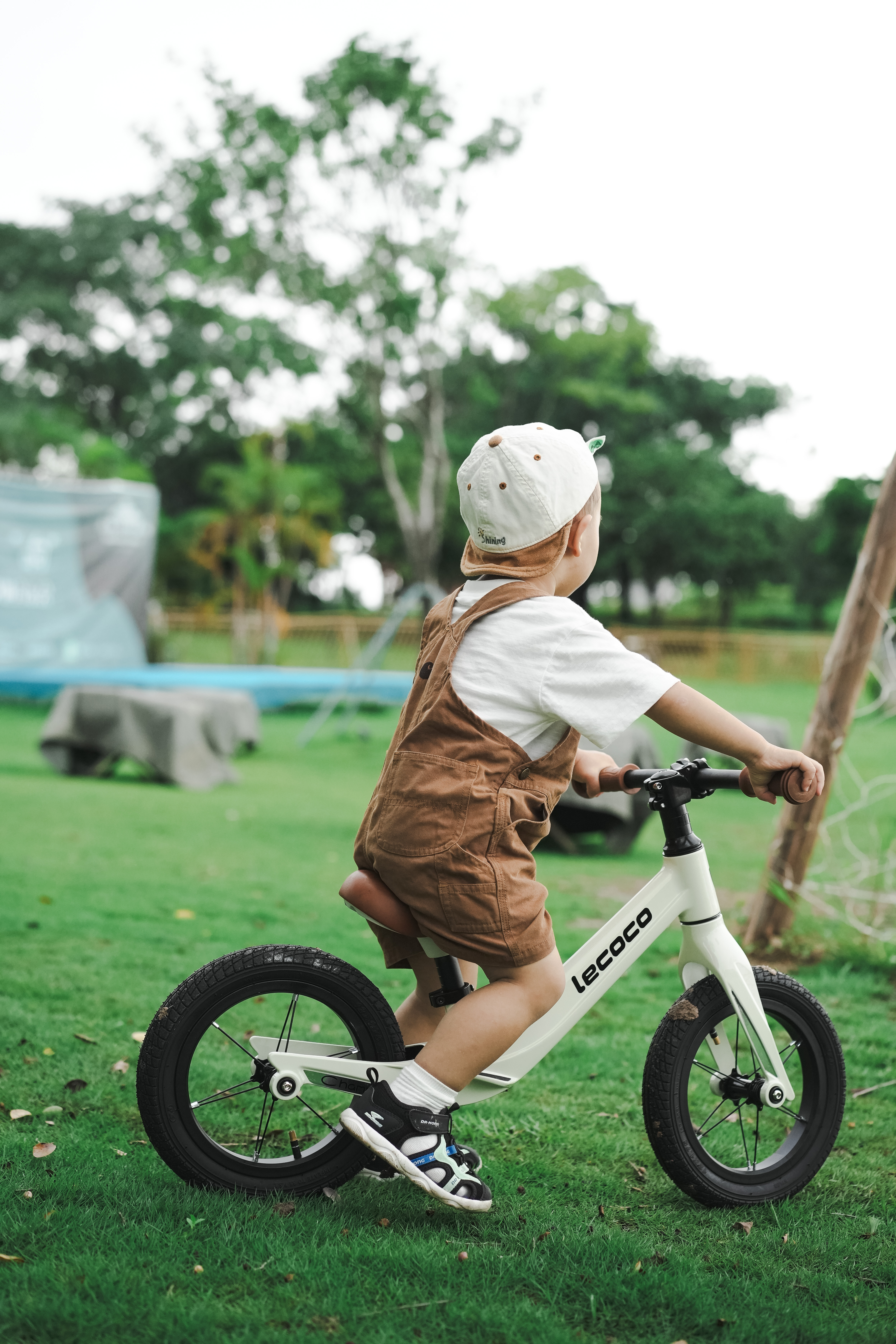
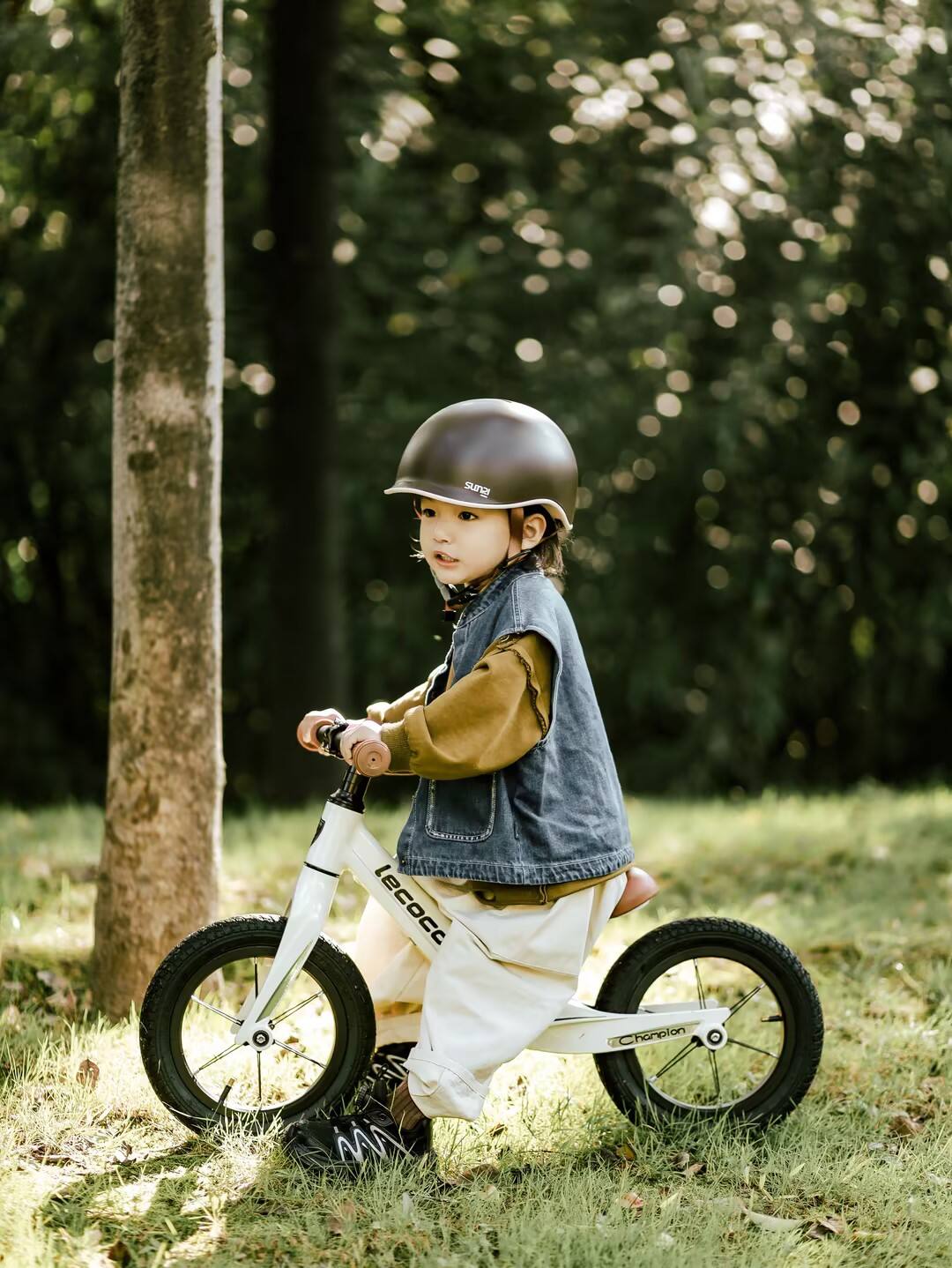
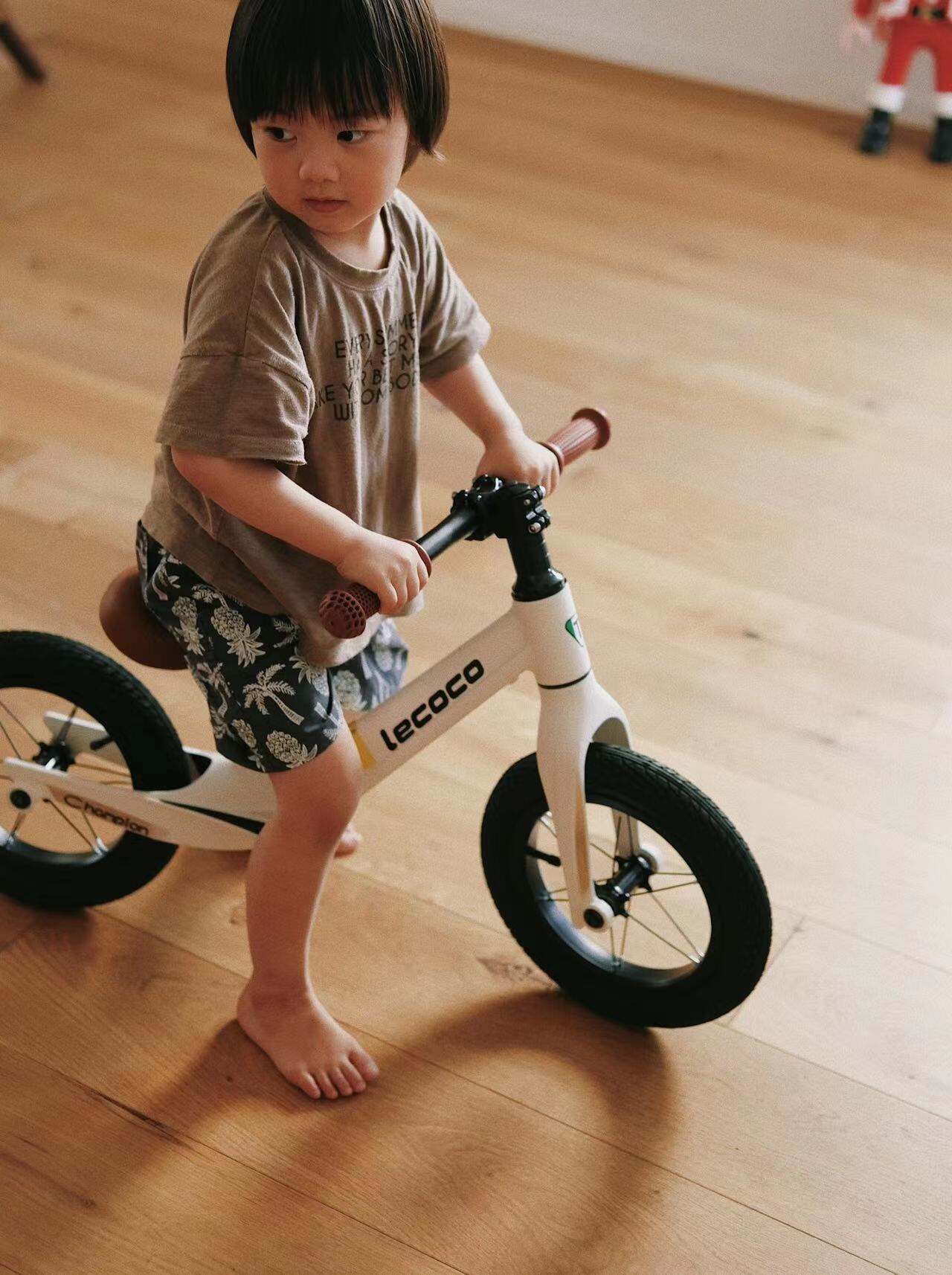
The first balance bike delivers comprehensive developmental learning benefits that extend far beyond basic riding skills, contributing to multiple aspects of child development simultaneously. Motor skill development accelerates significantly when children use the first balance bike, as the activity requires coordination between visual input, balance responses, and muscle activation patterns. The first balance bike promotes bilateral coordination as children must use both sides of their body symmetrically while maintaining balance and steering control, developing neural pathways essential for many other physical activities. Spatial awareness improves dramatically through first balance bike use, as children learn to judge distances, navigate around obstacles, and understand their position relative to their environment. The confidence-building aspects of the first balance bike cannot be overstated, as children experience immediate success and gradual skill progression that reinforces positive self-image and willingness to attempt new challenges. Problem-solving skills develop naturally as children using the first balance bike encounter various terrain changes, obstacles, and situations that require quick thinking and adaptive responses. The first balance bike encourages risk assessment abilities, teaching children to evaluate situations and make appropriate decisions about speed, direction, and safety without eliminating all challenges or excitement from the experience. Social development benefits emerge when children use the first balance bike in group settings, as they learn to share space, follow basic traffic rules, and engage in cooperative play with peers who have similar interests. Sensory integration improves through first balance bike activities, as children process multiple sensory inputs simultaneously including visual, vestibular, and proprioceptive information while maintaining coordinated movement. Goal-setting behaviors often emerge naturally with first balance bike use, as children set personal challenges such as riding longer distances, navigating specific paths, or improving their speed and control over time. The independence fostered by the first balance bike extends to other areas of child development, as the confidence gained through mastering this skill often translates to increased willingness to attempt other new activities and challenges in various contexts.
 ×
×

 EN
EN