Comprehensive Safety Integration for Worry-Free Learning
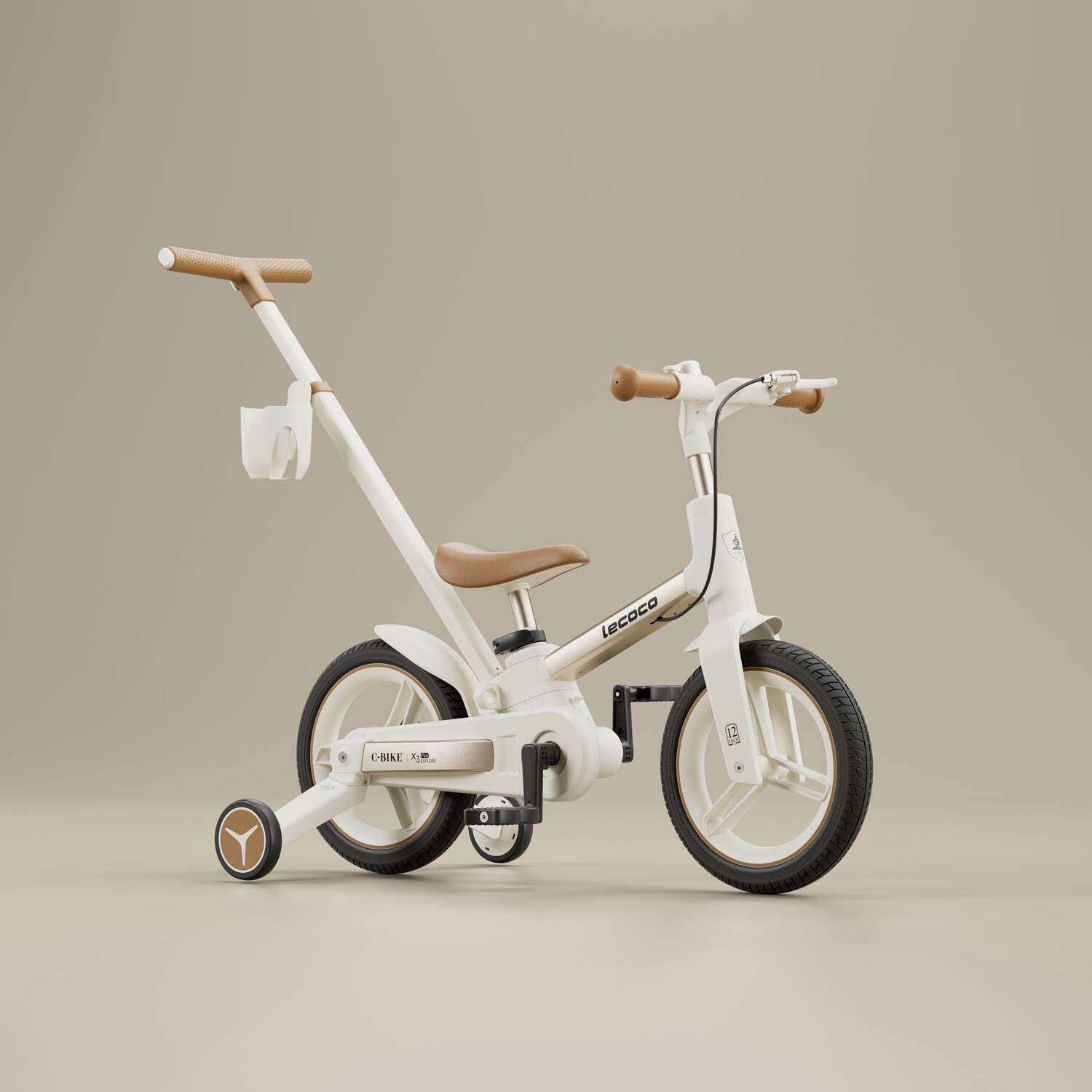
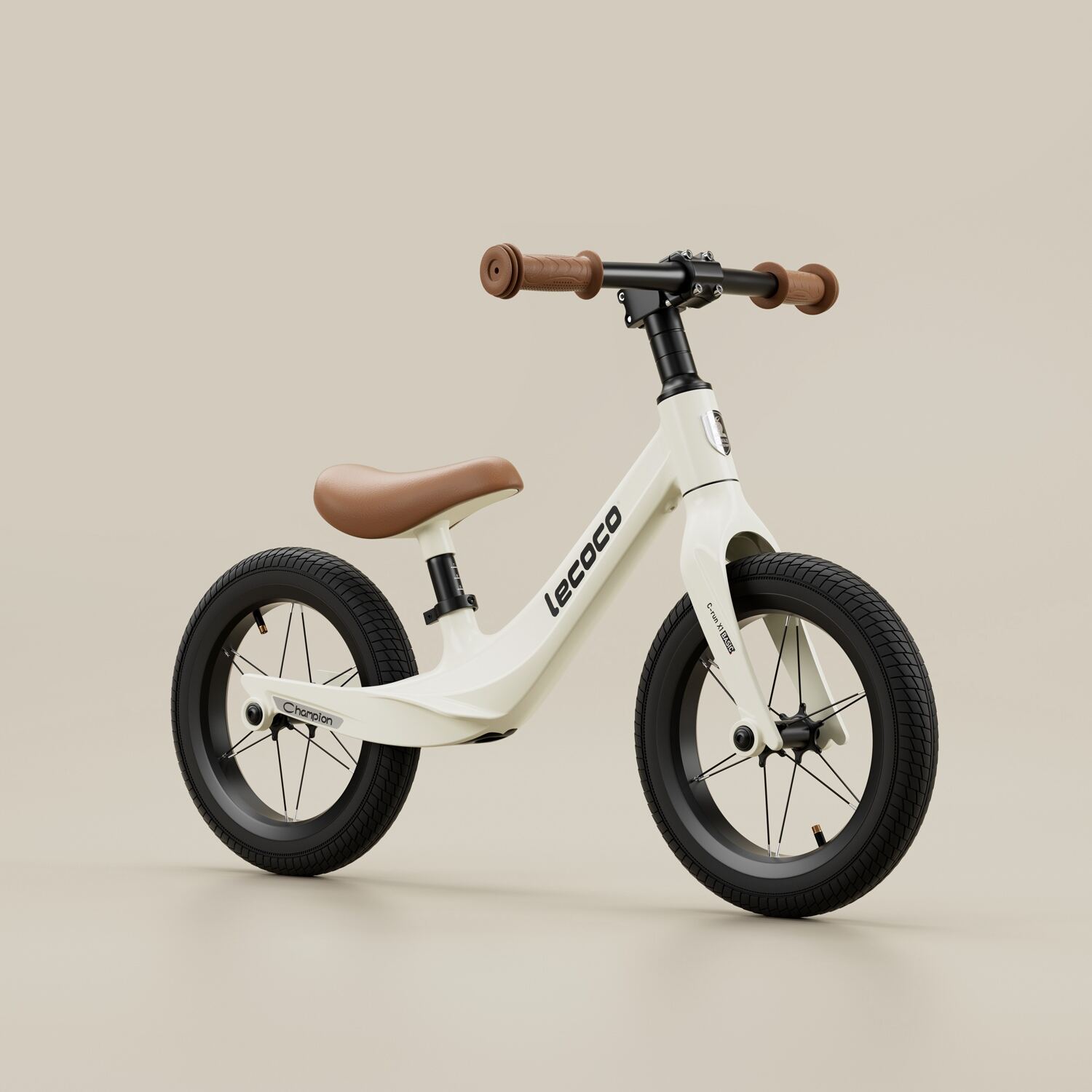
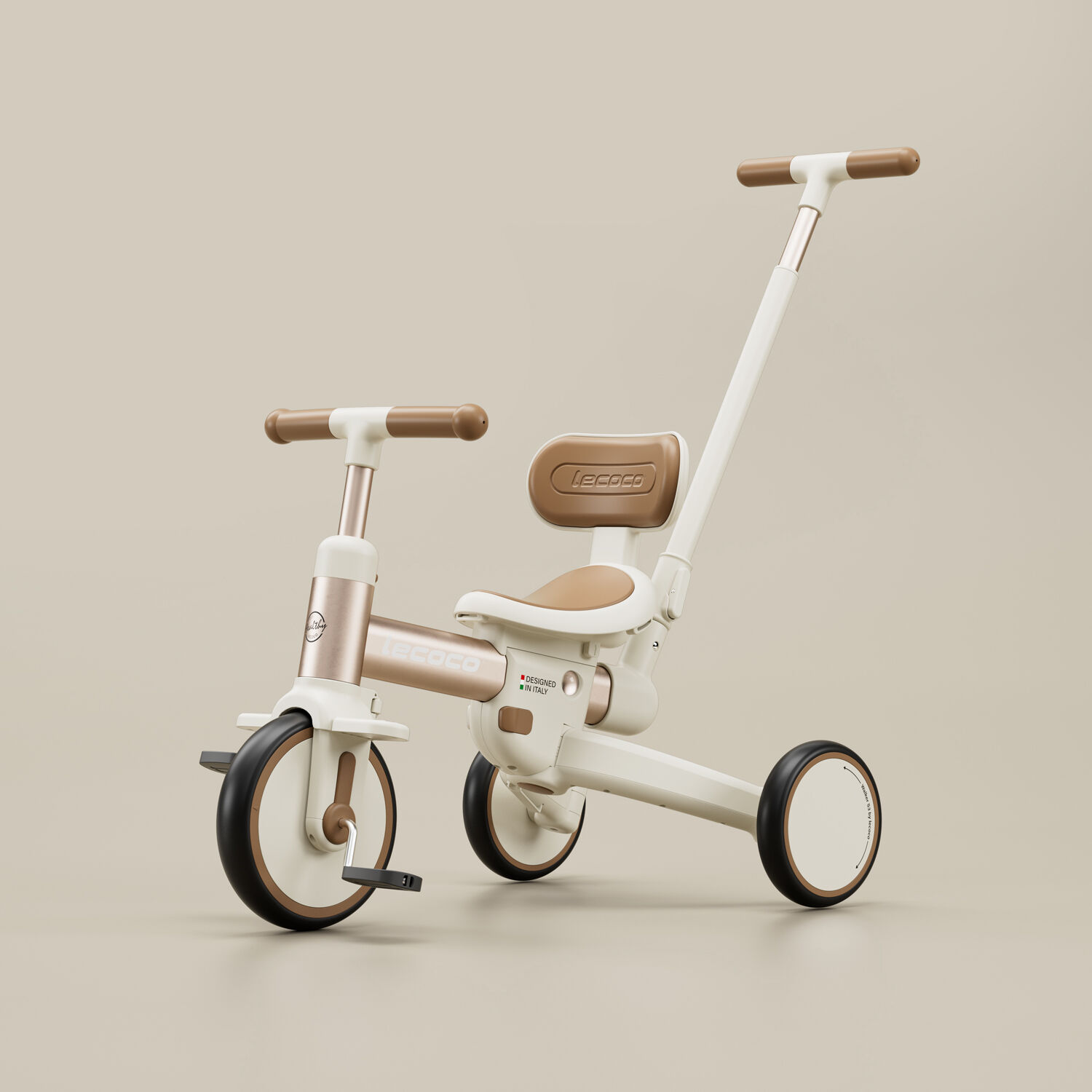
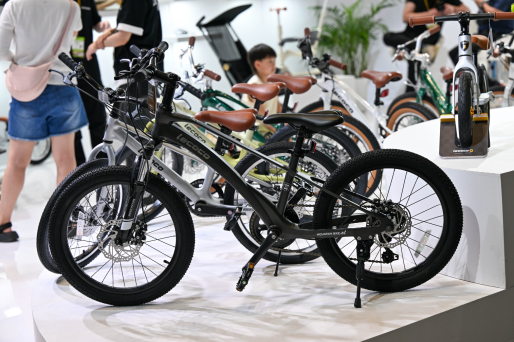
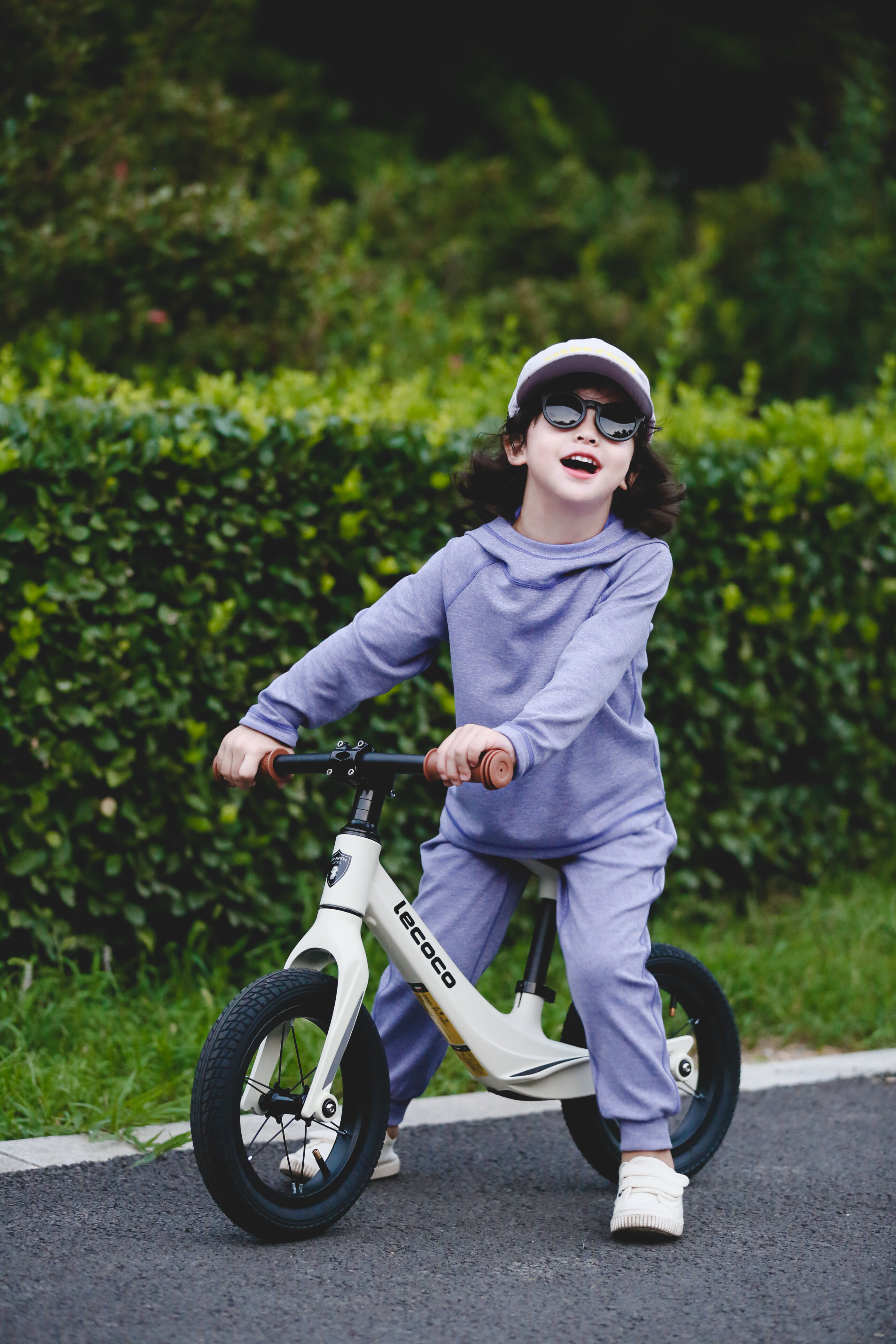
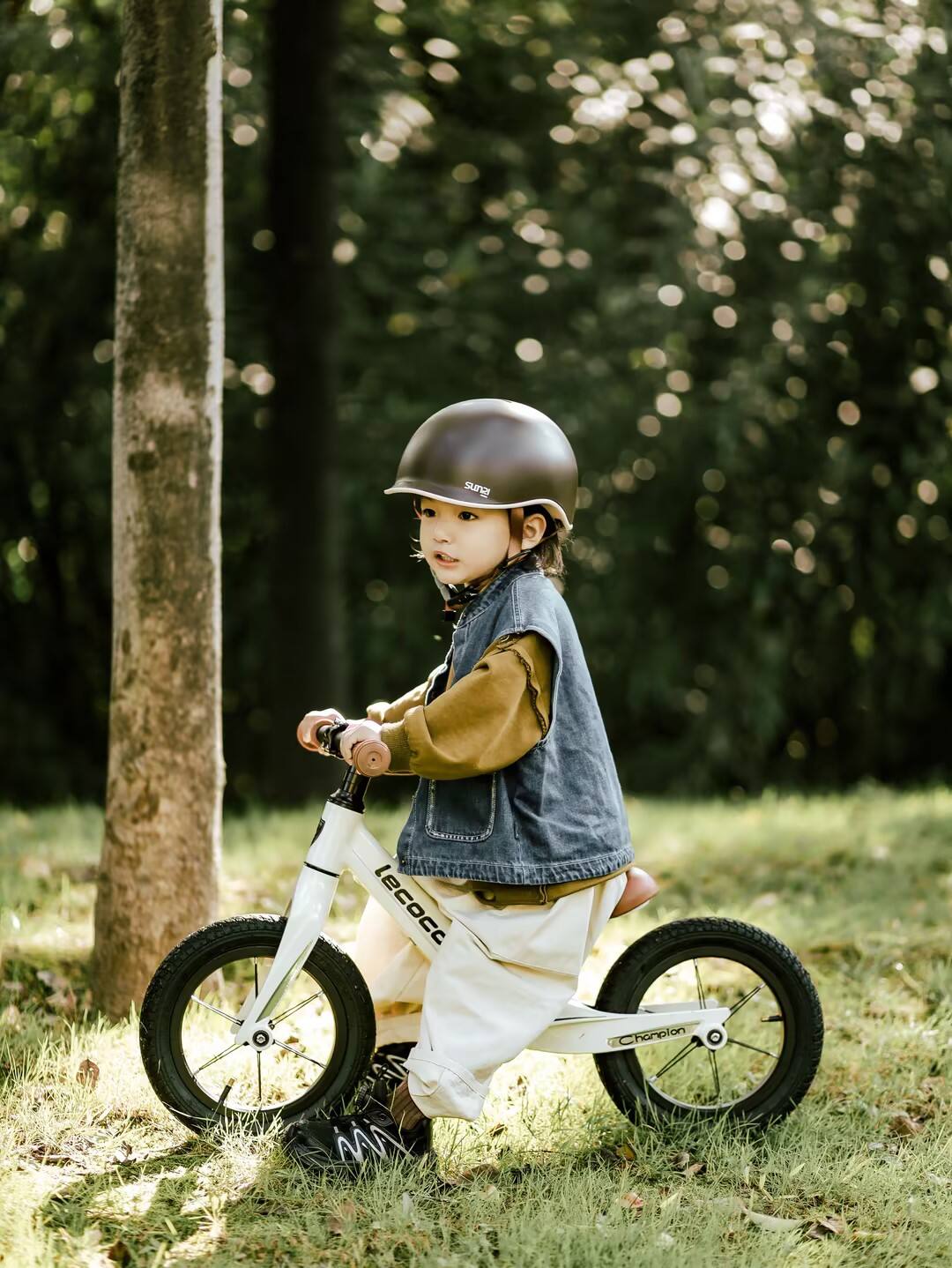
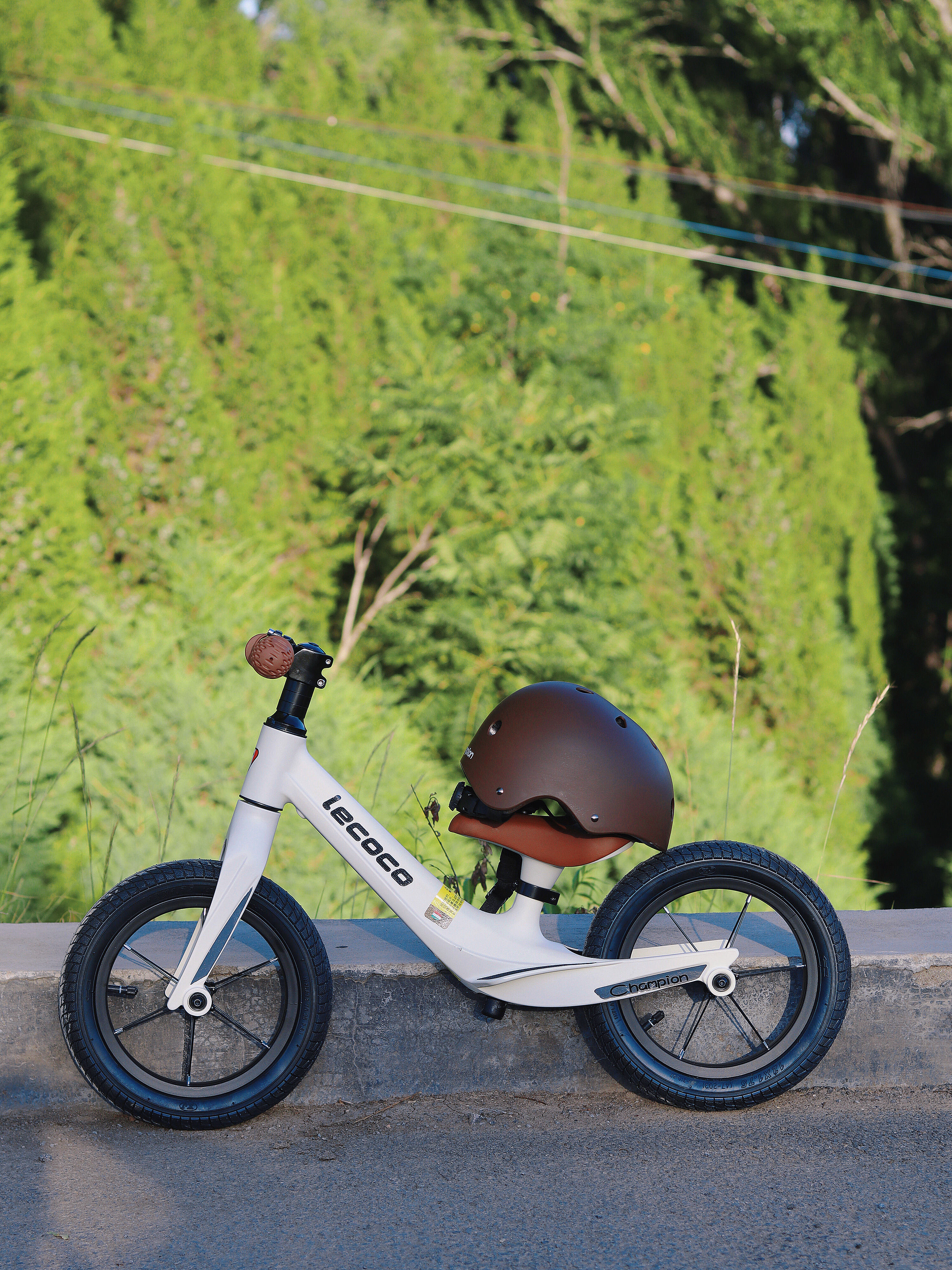
The 16 balance bike incorporates comprehensive safety integration systems that address every aspect of child protection during the crucial learning phase of cycling development. Advanced safety engineering begins with rounded frame edges and corners, eliminating sharp surfaces that could cause injury during inevitable tumbles and accidents. The steering limiter technology represents a breakthrough innovation, preventing handlebar rotation beyond safe parameters and reducing the risk of high-speed crashes caused by sudden directional changes. Ergonomic grip designs feature non-slip textures and appropriate sizing for small hands, ensuring secure control even in wet conditions or during extended riding sessions. The 16 balance bike employs low step-through frame geometry that enables quick dismounting when children feel uncertain or encounter obstacles, providing psychological comfort and practical escape routes. Safety-certified materials throughout the construction process meet or exceed international standards for children's products, including lead-free paints and non-toxic finishing materials. Reflective elements strategically positioned on frames and wheels enhance visibility during low-light conditions, promoting safer riding in various environmental circumstances. The braking system, when present, utilizes child-friendly hand brake levers designed for small grip strength, with gradual engagement curves that prevent sudden stops and potential forward ejection incidents. Tire specifications prioritize stability over speed, with wide contact patches and appropriate tread patterns that maximize grip on common riding surfaces. The 16 balance bike features puncture-resistant tire technology in premium models, reducing the likelihood of sudden deflation incidents that could cause control loss. Chain guard systems, where applicable in hybrid models, completely enclose moving parts to prevent clothing entanglement or finger injuries. Quality assurance protocols include extensive safety testing under real-world conditions, validating performance across age groups and skill levels. The overall safety philosophy emphasizes prevention over protection, designing out potential hazards rather than simply adding protective equipment that might impede the natural learning process essential to balance bike effectiveness.
 ×
×

 EN
EN