lightweight balance bike
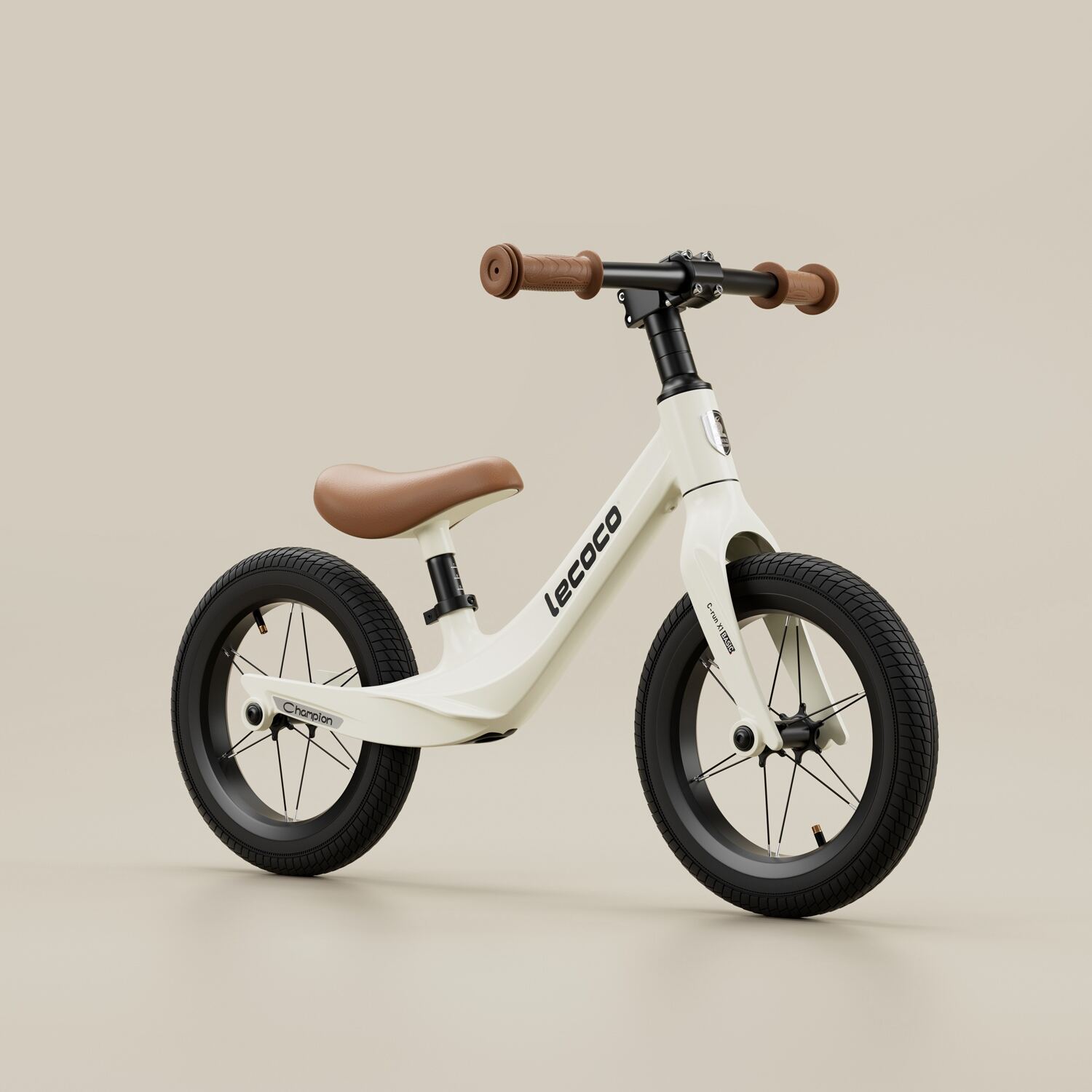
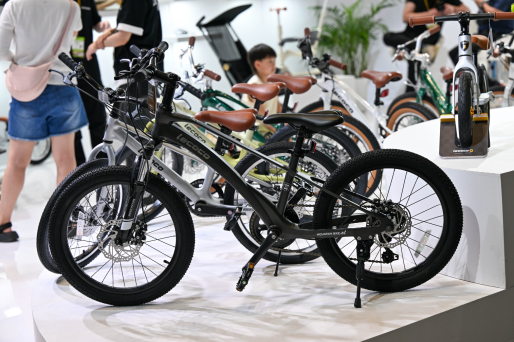
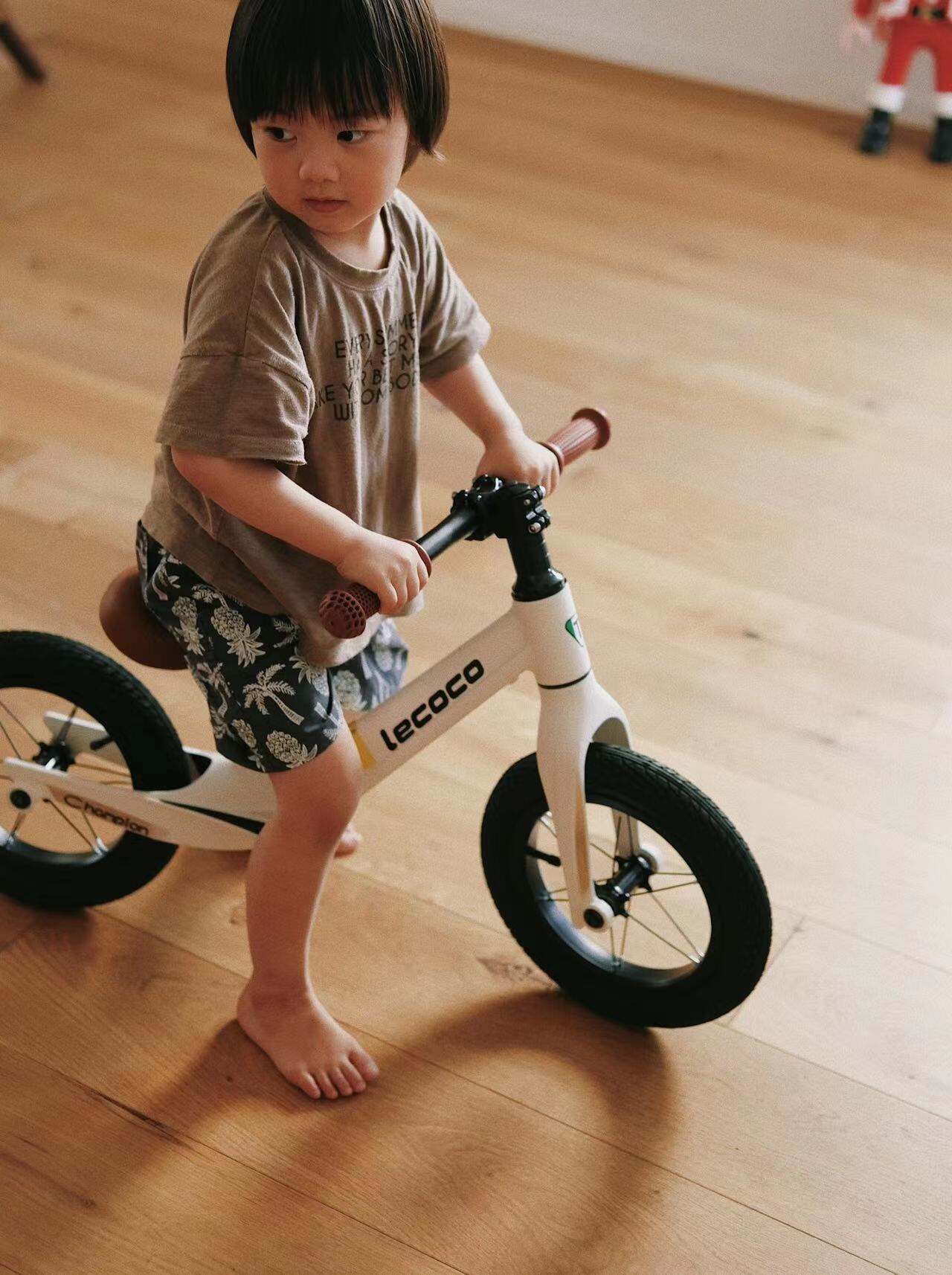
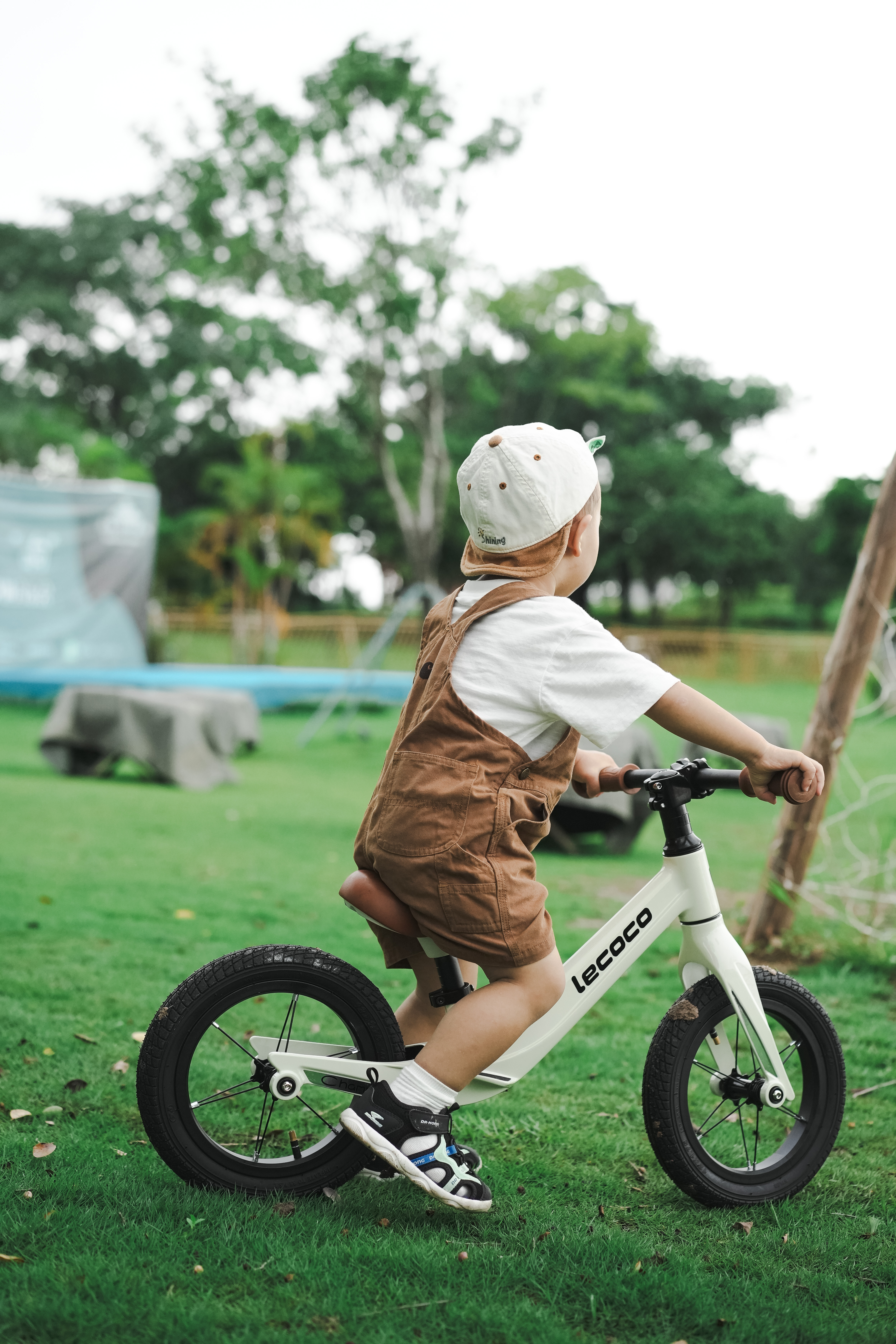
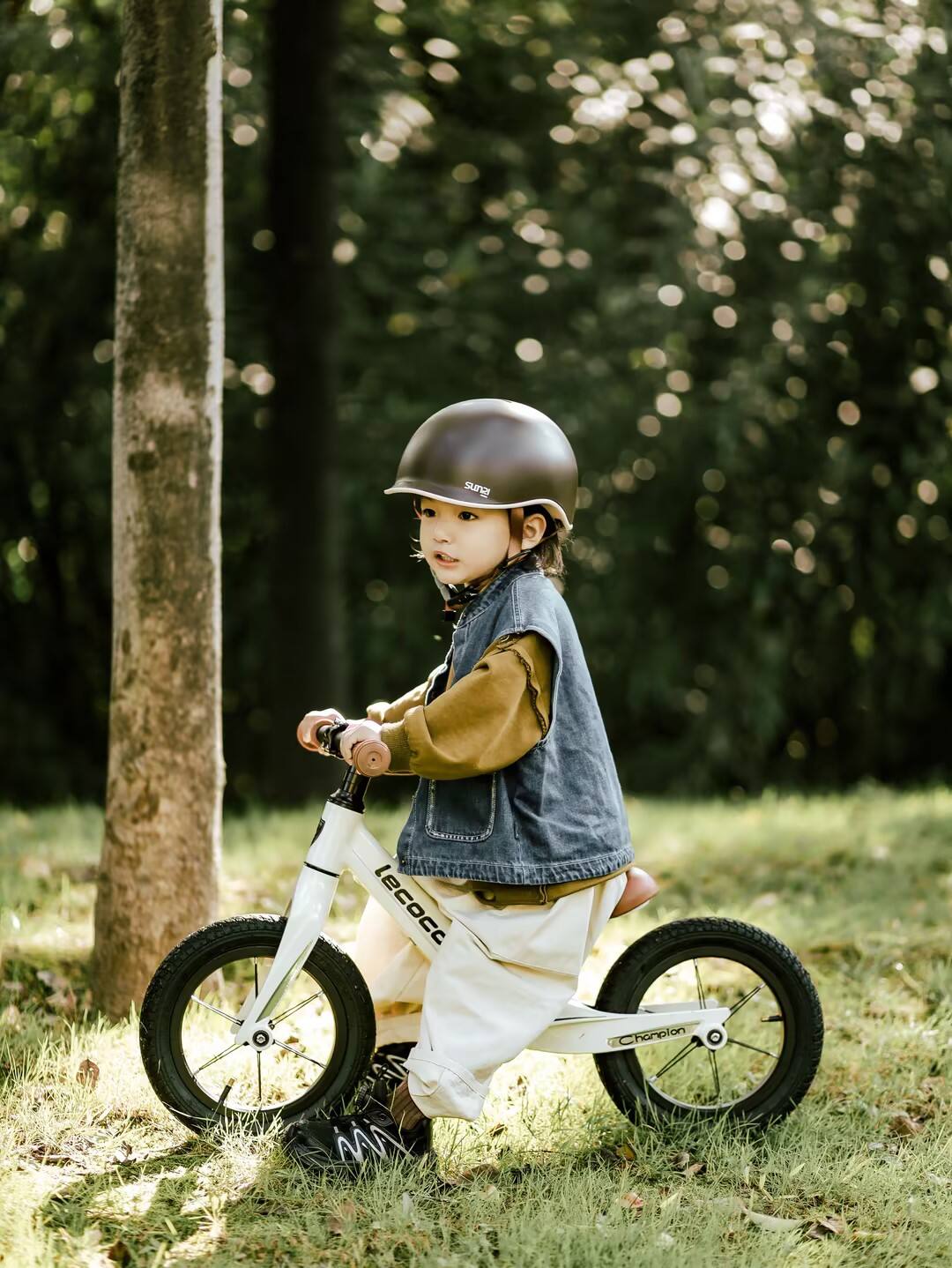
The lightweight balance bike represents a revolutionary approach to early childhood cycling education, designed specifically for children aged 18 months to 5 years. This innovative two-wheeled vehicle eliminates traditional pedals and training wheels, allowing young riders to focus on developing essential balance and coordination skills through natural foot propulsion. The lightweight balance bike serves as the perfect transitional tool between walking and riding a conventional bicycle, creating a seamless learning experience that builds confidence and motor skills. Modern lightweight balance bikes incorporate advanced materials such as aluminum alloy frames, carbon fiber components, and high-grade plastics to achieve optimal weight reduction without compromising structural integrity. The main function of a lightweight balance bike centers around teaching children the fundamental skill of balance while maintaining forward momentum. Unlike traditional bicycles with training wheels, which can create dependency and delay proper balance development, the lightweight balance bike encourages natural learning progression. Children simply sit on the padded seat, place their feet on the ground, and push themselves forward while gradually lifting their feet for longer periods. This intuitive process allows young riders to control their speed, direction, and balance independently. Technological features of contemporary lightweight balance bikes include adjustable seat heights to accommodate growing children, puncture-proof tires for maintenance-free operation, and ergonomic handlebars designed for small hands. Many models incorporate quick-release mechanisms for tool-free adjustments, safety padding on critical contact points, and steering limiters to prevent over-turning. The lightweight construction typically ranges from 4 to 8 pounds, making these bikes easily manageable for both children and parents. Applications extend beyond basic balance training to include recreational riding in parks, structured learning programs in schools and daycare centers, and therapeutic interventions for children with developmental delays. The lightweight balance bike has gained widespread adoption in educational settings where physical development and outdoor activity are prioritized.
 ×
×

 EN
EN