motorbike balance bike
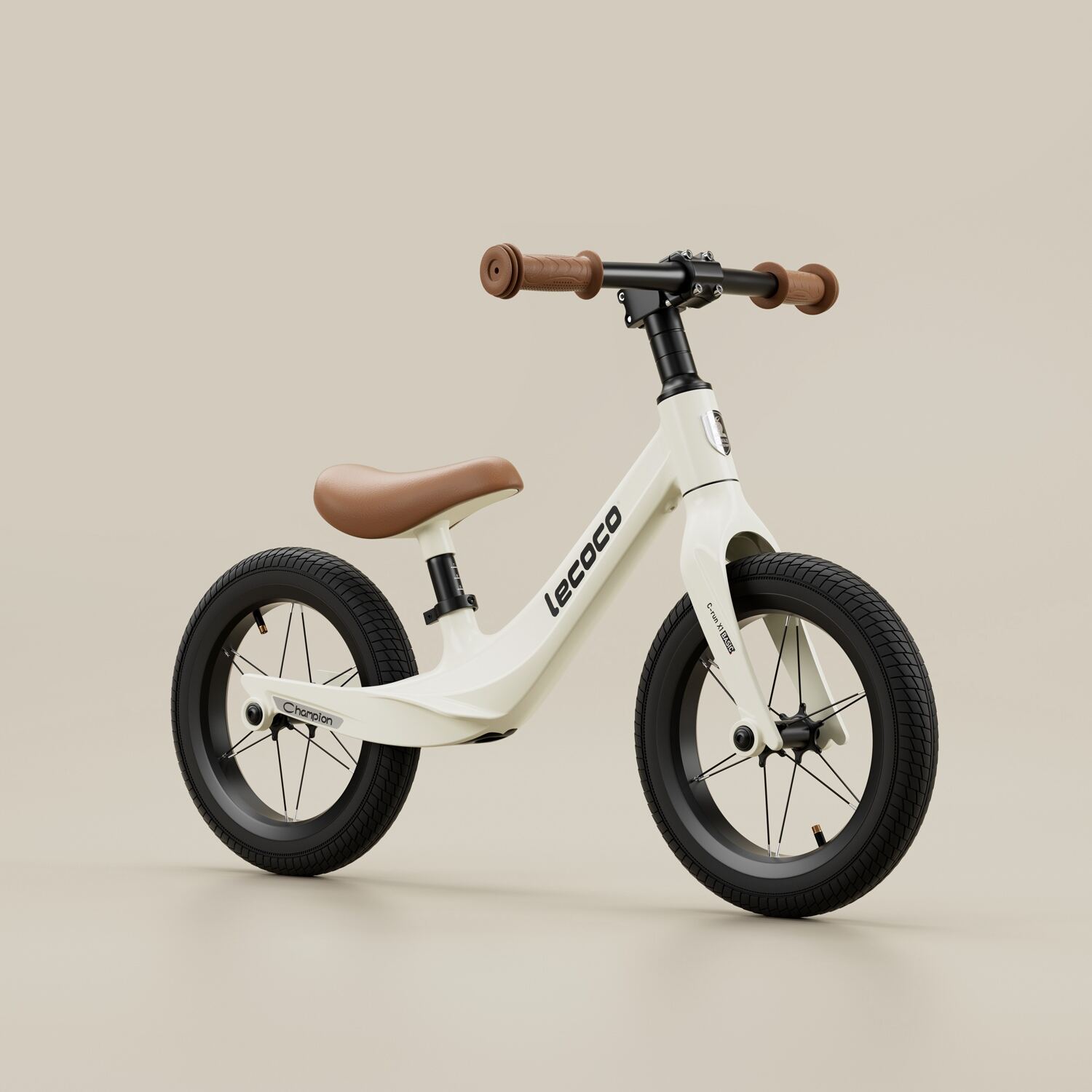
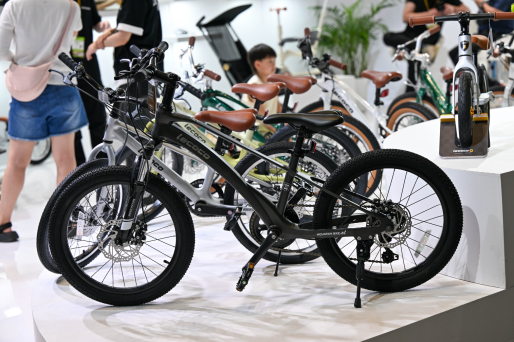
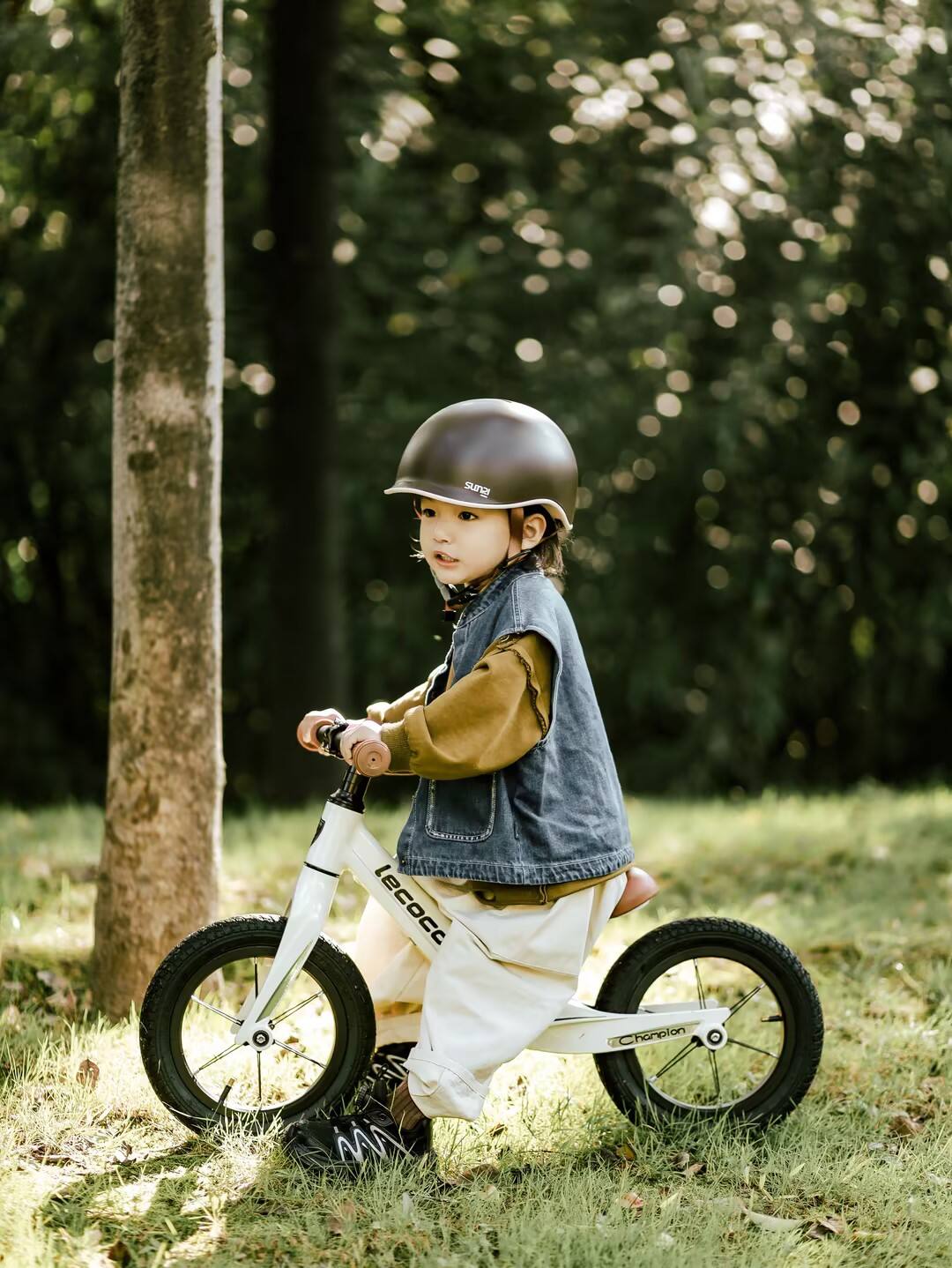
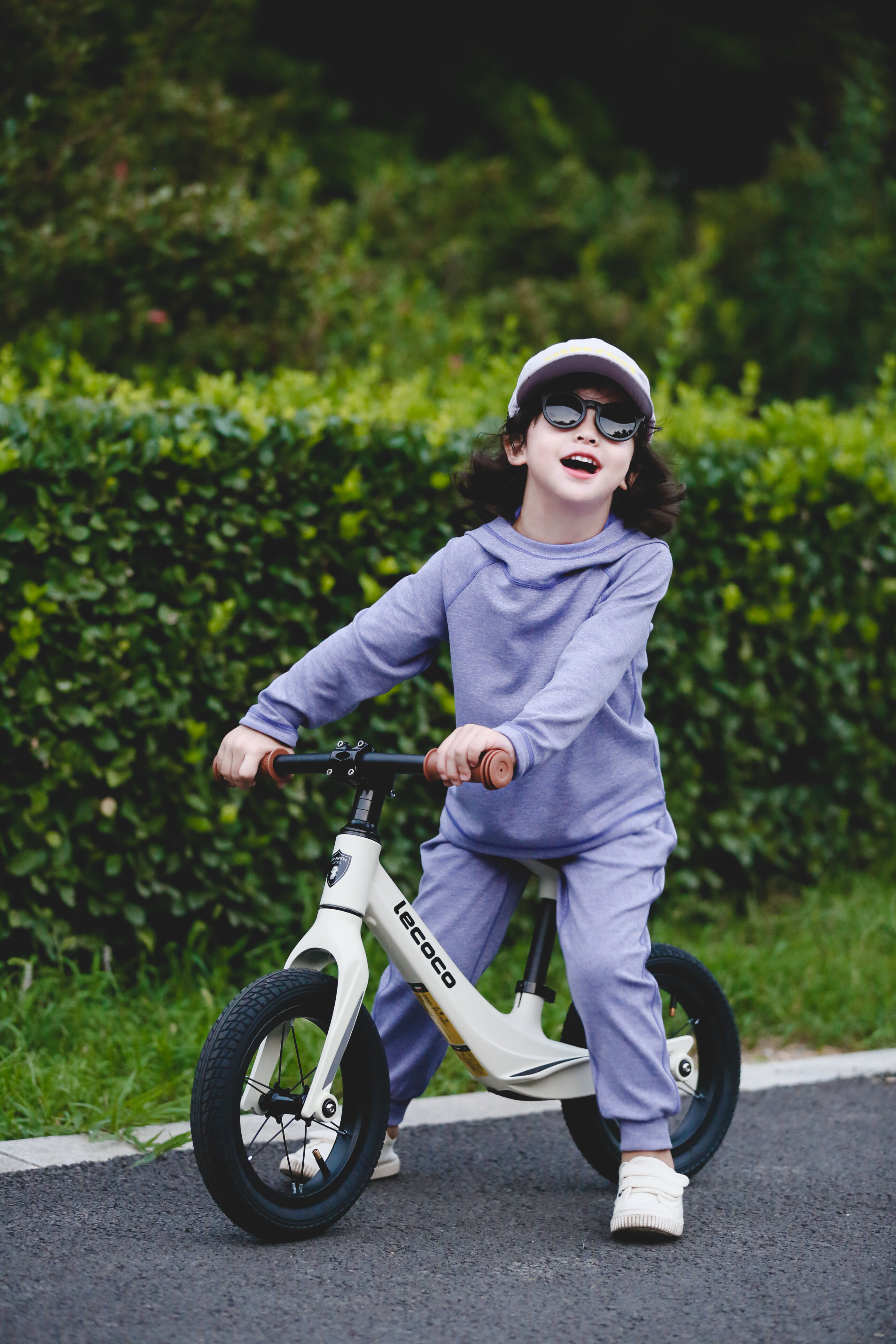
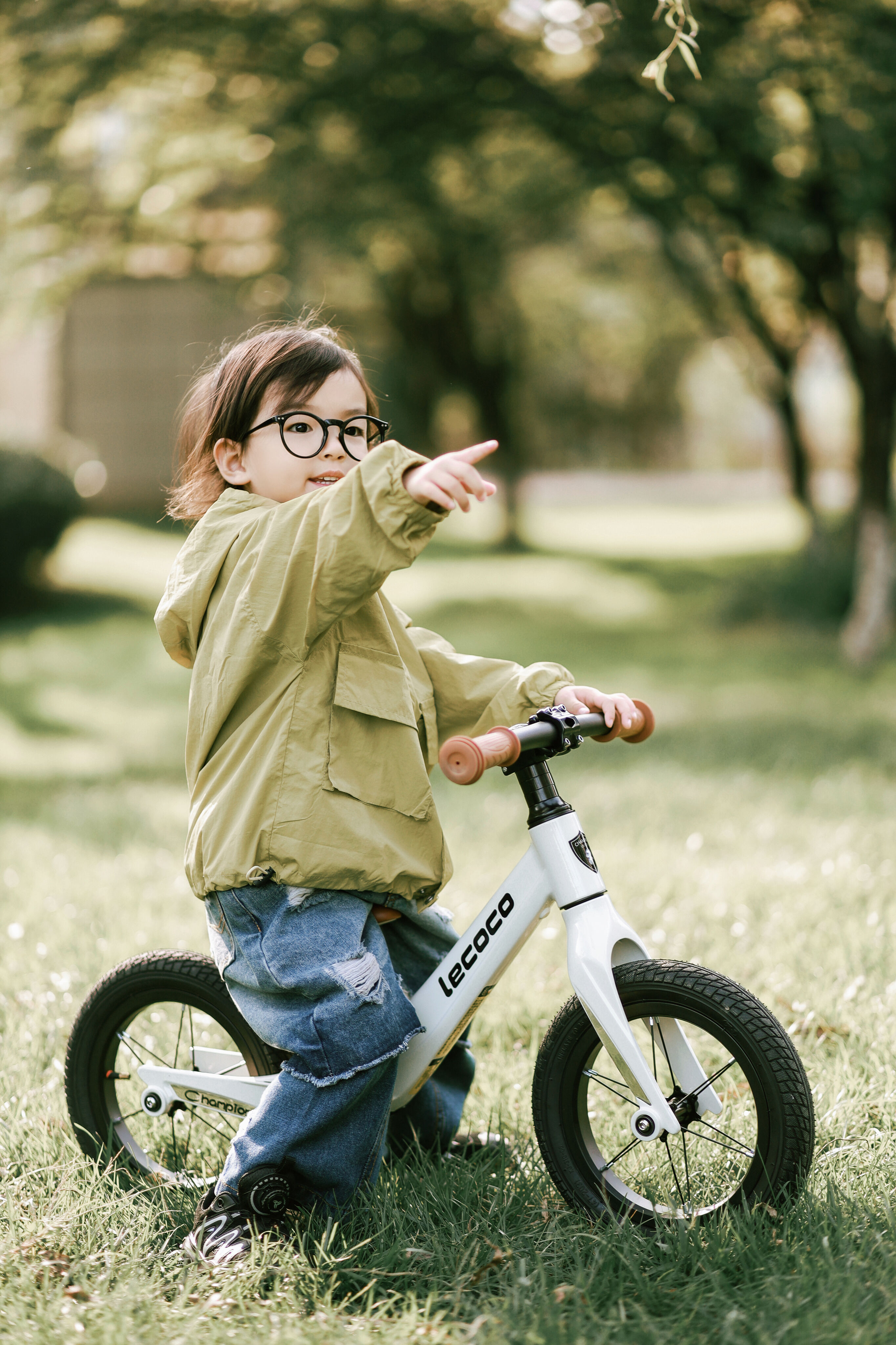
The motorbike balance bike represents a revolutionary approach to early childhood mobility development, combining the aesthetic appeal of motorcycles with the fundamental learning principles of traditional balance bikes. This innovative two-wheeled vehicle serves as an essential stepping stone for young riders aged 2-6 years, helping them master the crucial skills of balance, coordination, and confidence before transitioning to pedal bicycles or eventually motorized vehicles. The motorbike balance bike features a sturdy steel or aluminum frame designed to withstand the rigors of active play while maintaining lightweight maneuverability for small children. The seat height is fully adjustable, accommodating growing children and extending the product's useful lifespan significantly. High-quality pneumatic tires provide excellent traction and shock absorption on various surfaces, from smooth pavements to grassy areas and dirt paths. The handlebars incorporate ergonomic grips designed specifically for small hands, featuring anti-slip materials that ensure secure control during rides. Safety remains paramount with integrated steering limiters that prevent over-steering and potential falls. The motorbike balance bike utilizes a footrest platform positioned strategically to allow children to rest their feet while gliding, simulating the natural riding position they will later adopt on motorcycles or bicycles. The frame geometry mimics authentic motorcycle proportions, creating an engaging and realistic riding experience that captivates young imaginations. Technological features include sealed ball bearings in the headset for smooth steering action, while the maintenance-free design eliminates the need for chains, gears, or complex mechanisms. The motorbike balance bike finds applications in residential settings, playgrounds, daycare centers, and educational institutions where physical development programs emphasize gross motor skill enhancement. Parents utilize these vehicles to introduce their children to two-wheeled mobility in controlled environments, while educators incorporate them into structured learning activities that promote spatial awareness and physical confidence.
 ×
×

 EN
EN