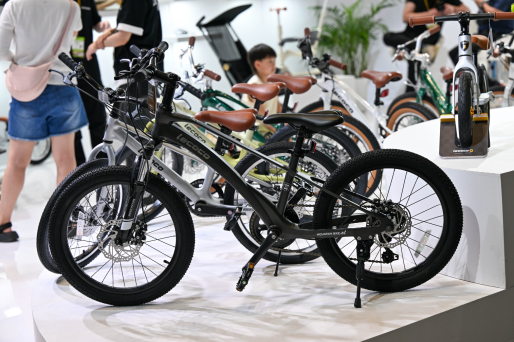
Developmental Benefits and Motor Skill Enhancement
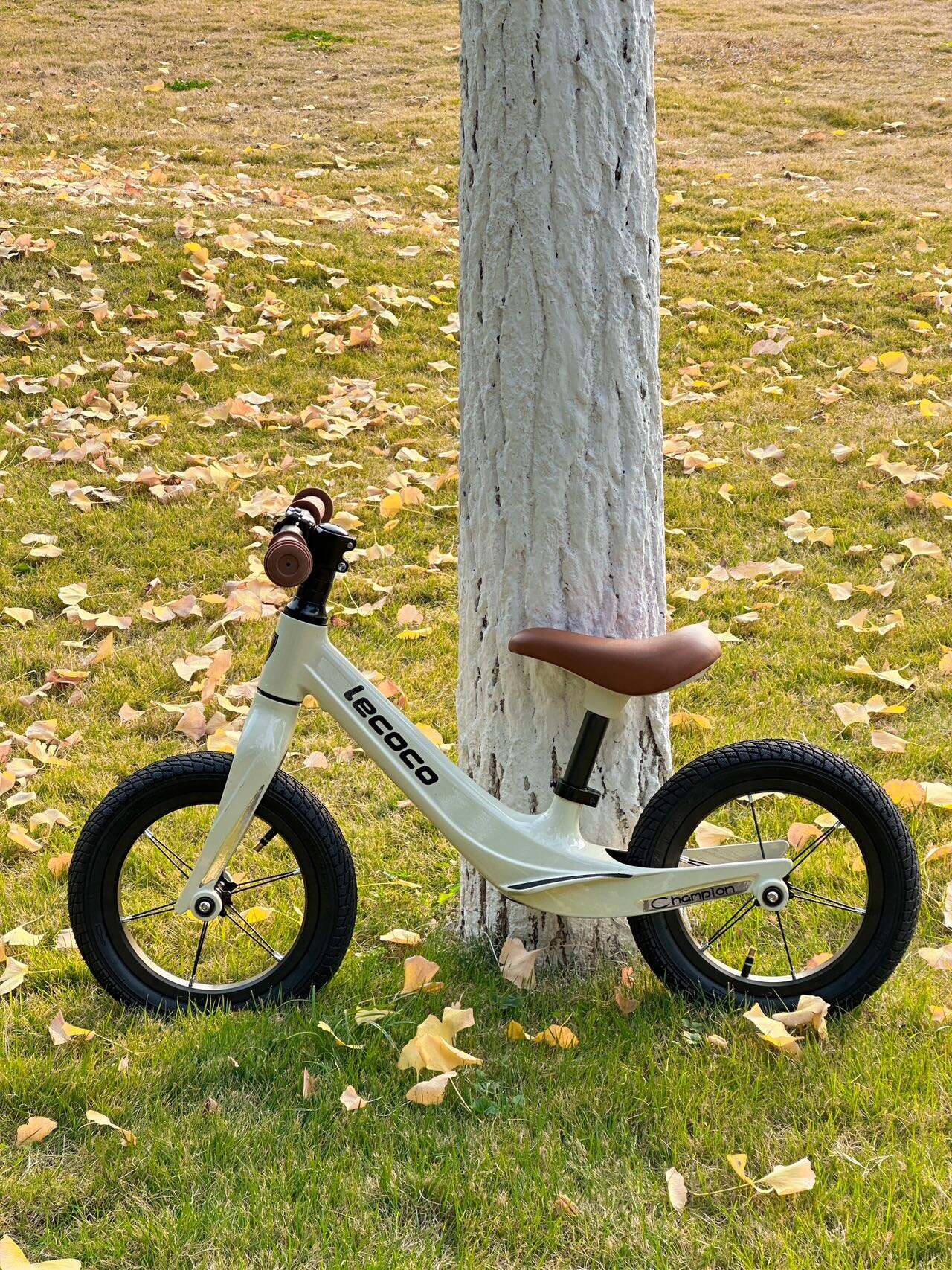
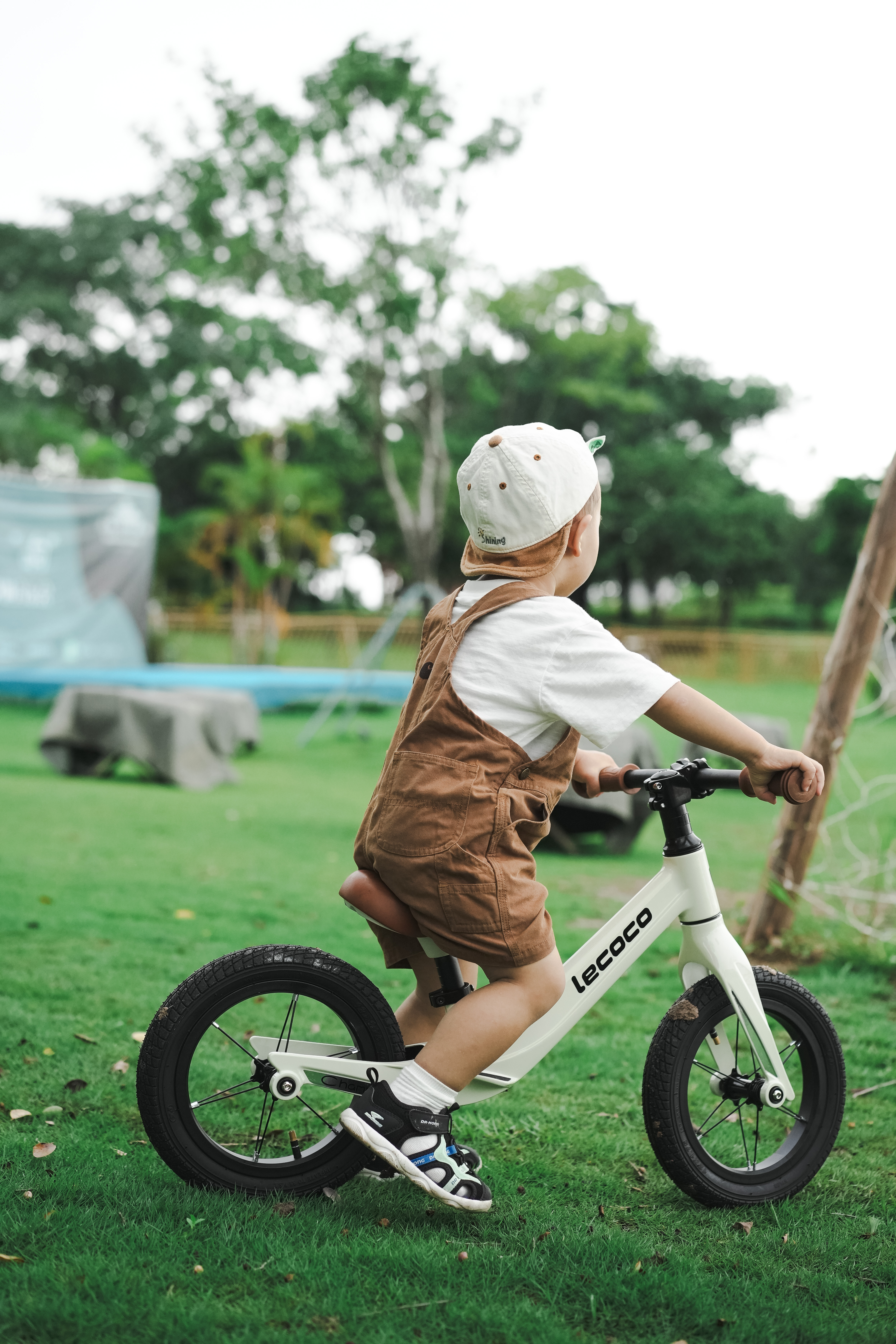
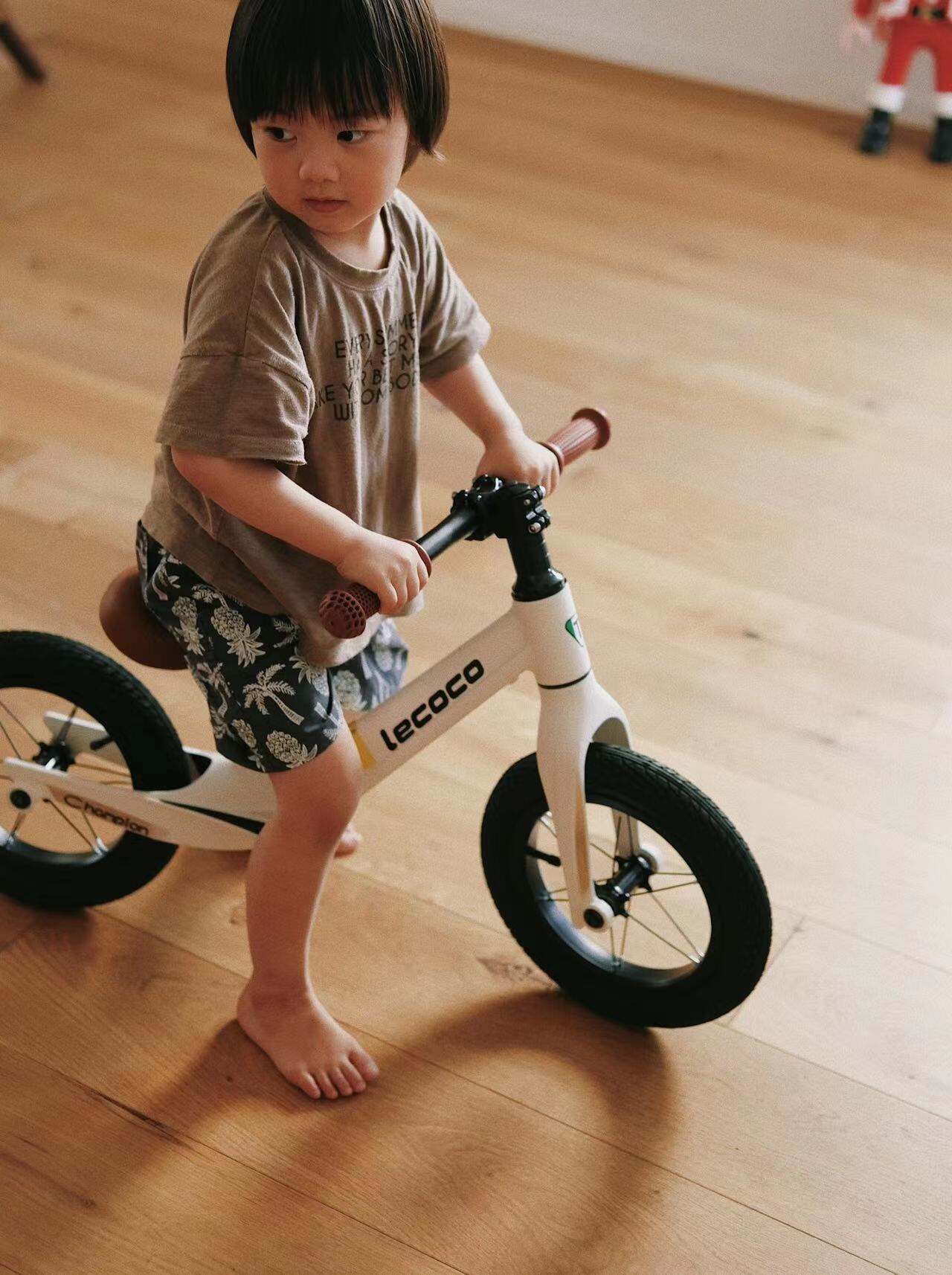
The green balance bike serves as a powerful tool for developing crucial motor skills and physical capabilities that benefit children throughout their lives. The balance development process engages core muscle groups, leg muscles, and stabilizing muscles that traditional riding toys cannot effectively target. Children strengthen their proprioceptive awareness, which refers to their understanding of body position and movement in space, leading to improved coordination in other physical activities like running, jumping, and sports participation. The gradual progression from walking with the bike to gliding builds confidence systematically, allowing children to advance at their own comfortable pace without external pressure or artificial timelines. Research demonstrates that children who learn balance first through balance bikes typically master traditional bicycle riding in significantly less time than those who rely on training wheel systems. The steering skills developed through balance bike use transfer directly to other wheeled activities including scooters, skateboards, and eventually motorized vehicles as children mature. The physical exercise provided by balance bike activities contributes to cardiovascular health, muscle development, and overall fitness levels in an age group that increasingly faces sedentary lifestyle challenges. The outdoor activity encouragement inherent in balance bike ownership helps combat excessive screen time and promotes healthy relationships with nature and physical activity. Children develop spatial awareness and depth perception through navigating obstacles, judging distances, and planning routes during their balance bike adventures. The independence fostered by successful balance bike mastery builds self-confidence that extends beyond cycling into other learning situations and social interactions. Fine motor skills improve through gripping handlebars and making subtle steering adjustments, while gross motor skills develop through the whole-body coordination required for effective balance bike operation. The social aspects of balance bike riding encourage peer interaction and cooperative play, as children often ride together in groups and learn from observing each other's techniques. Parents report improvements in their children's patience and persistence as they work through the challenges of mastering balance and coordination skills through regular practice sessions.
 ×
×

 EN
EN