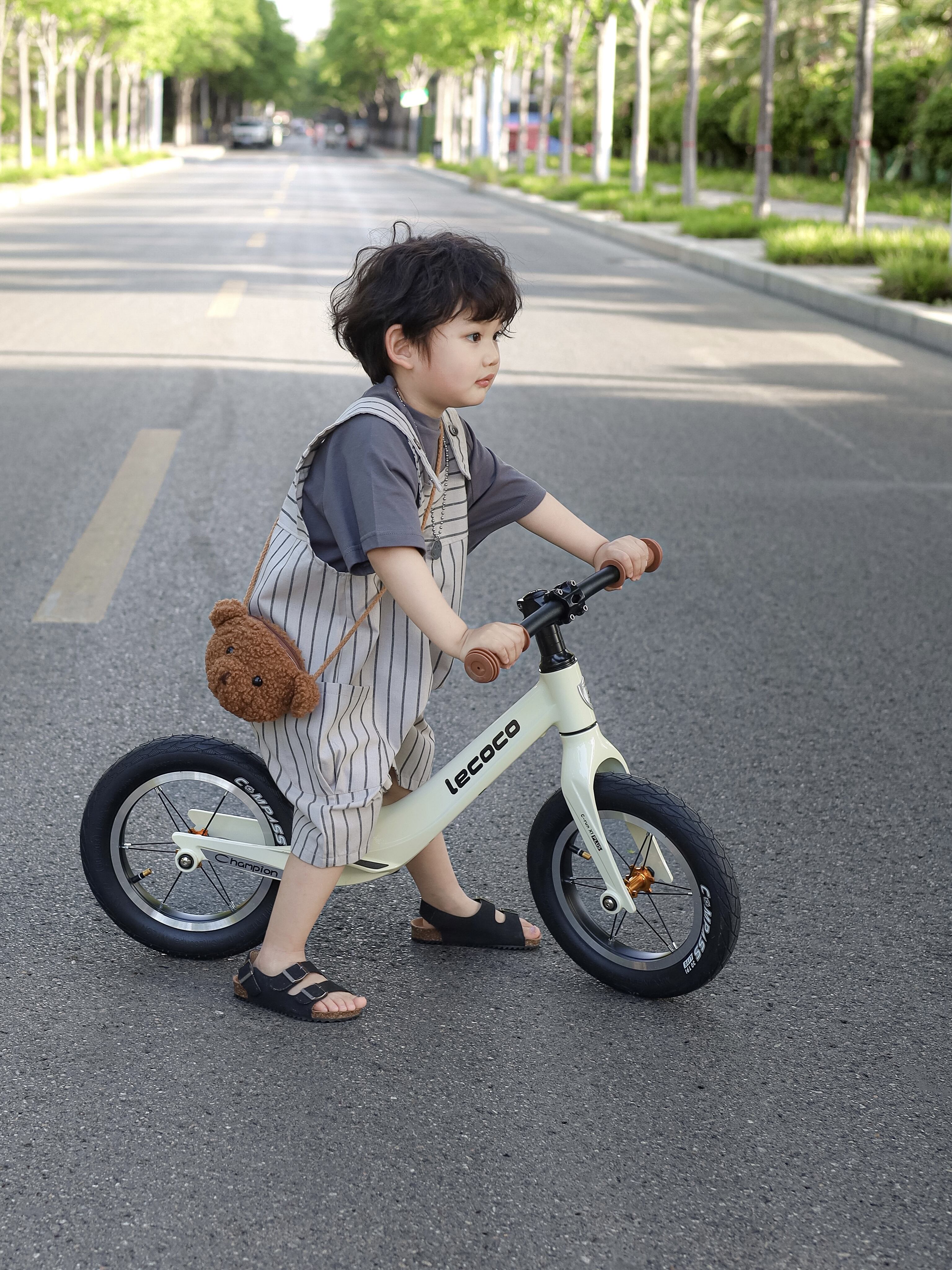
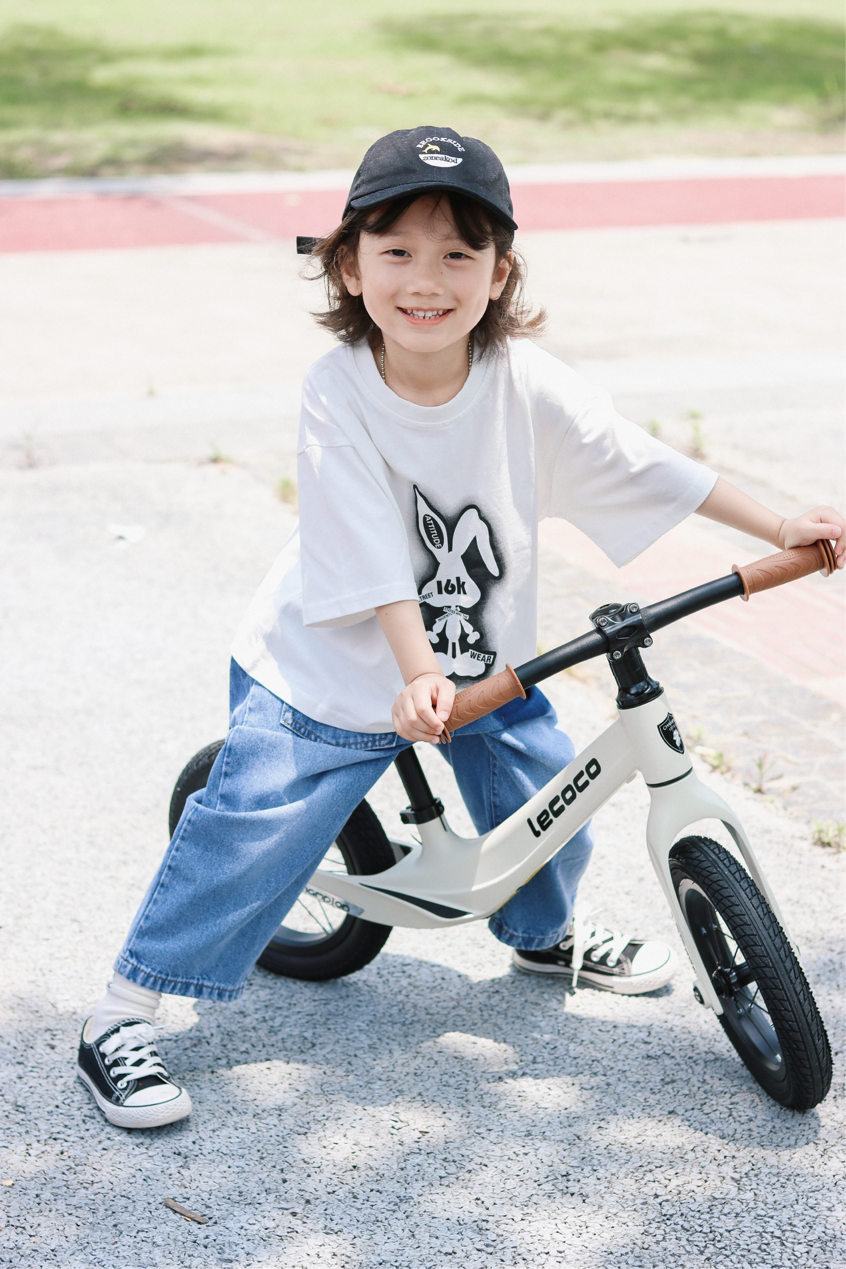
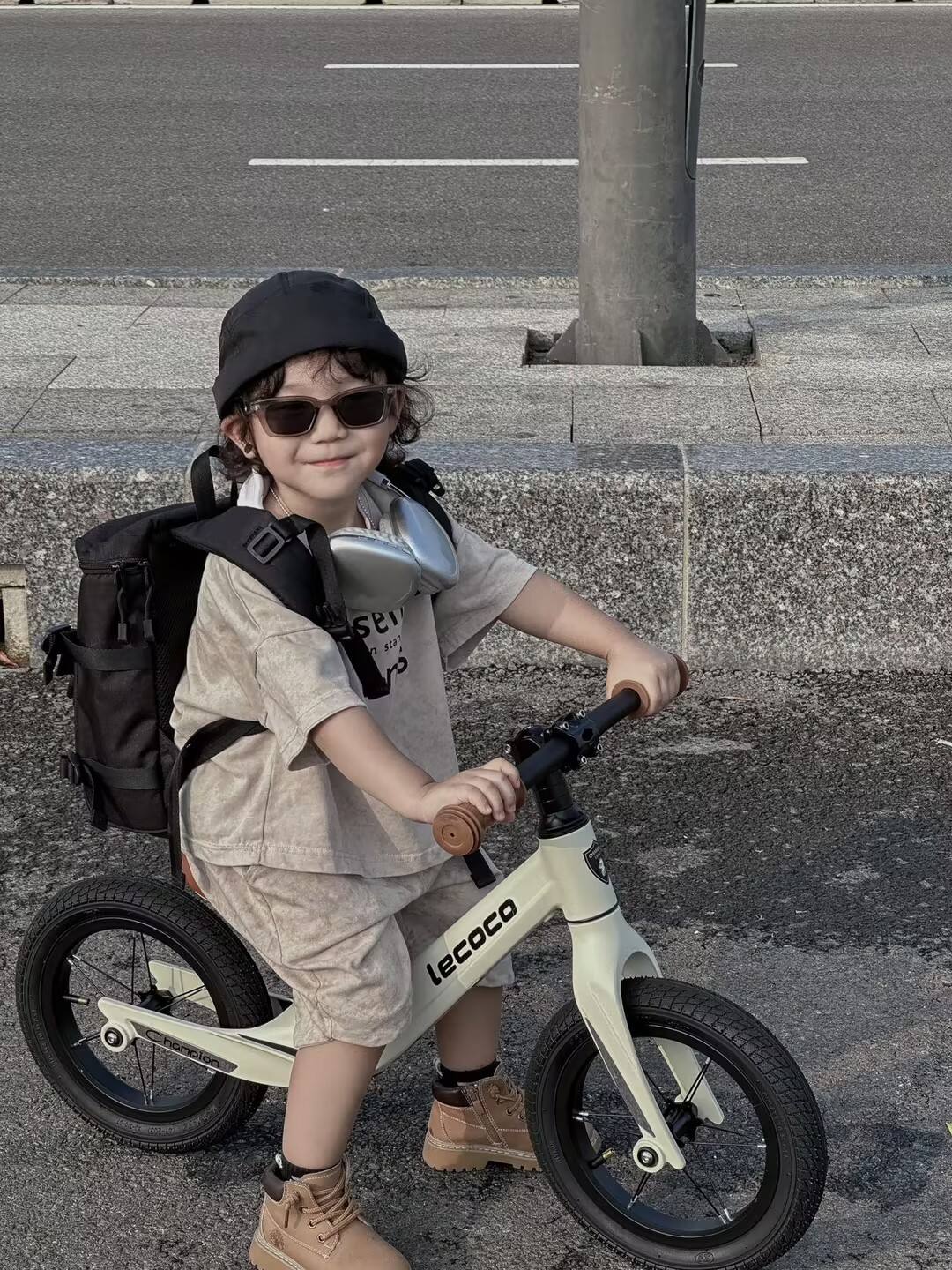
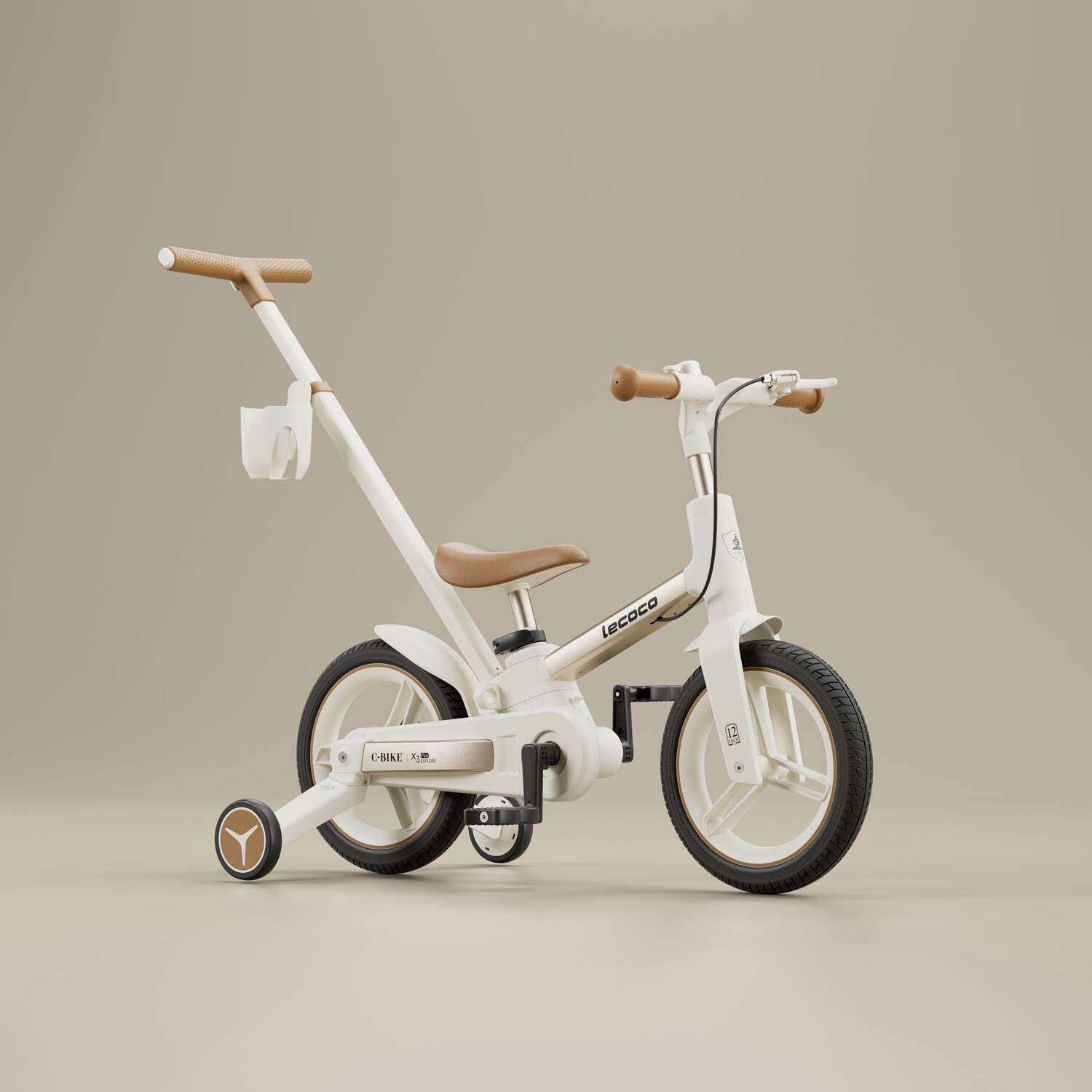
Best Tricycle for 18 Month Old - Safe Development & Fun for Toddlers

Get a Free Quote

Our representative will contact you soon.
Email
Name
Company Name
Message
0/1000

tricycle for 18 month old

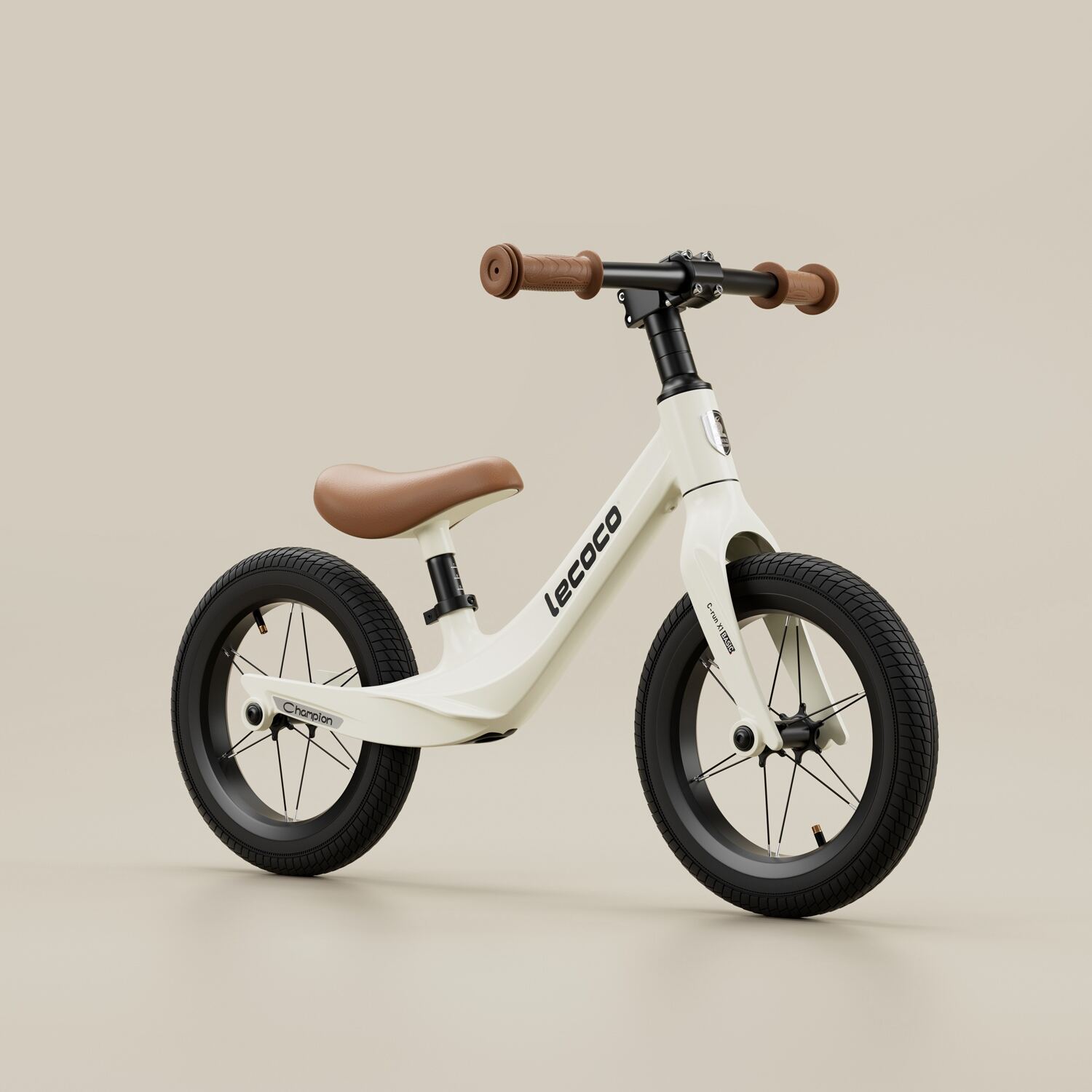
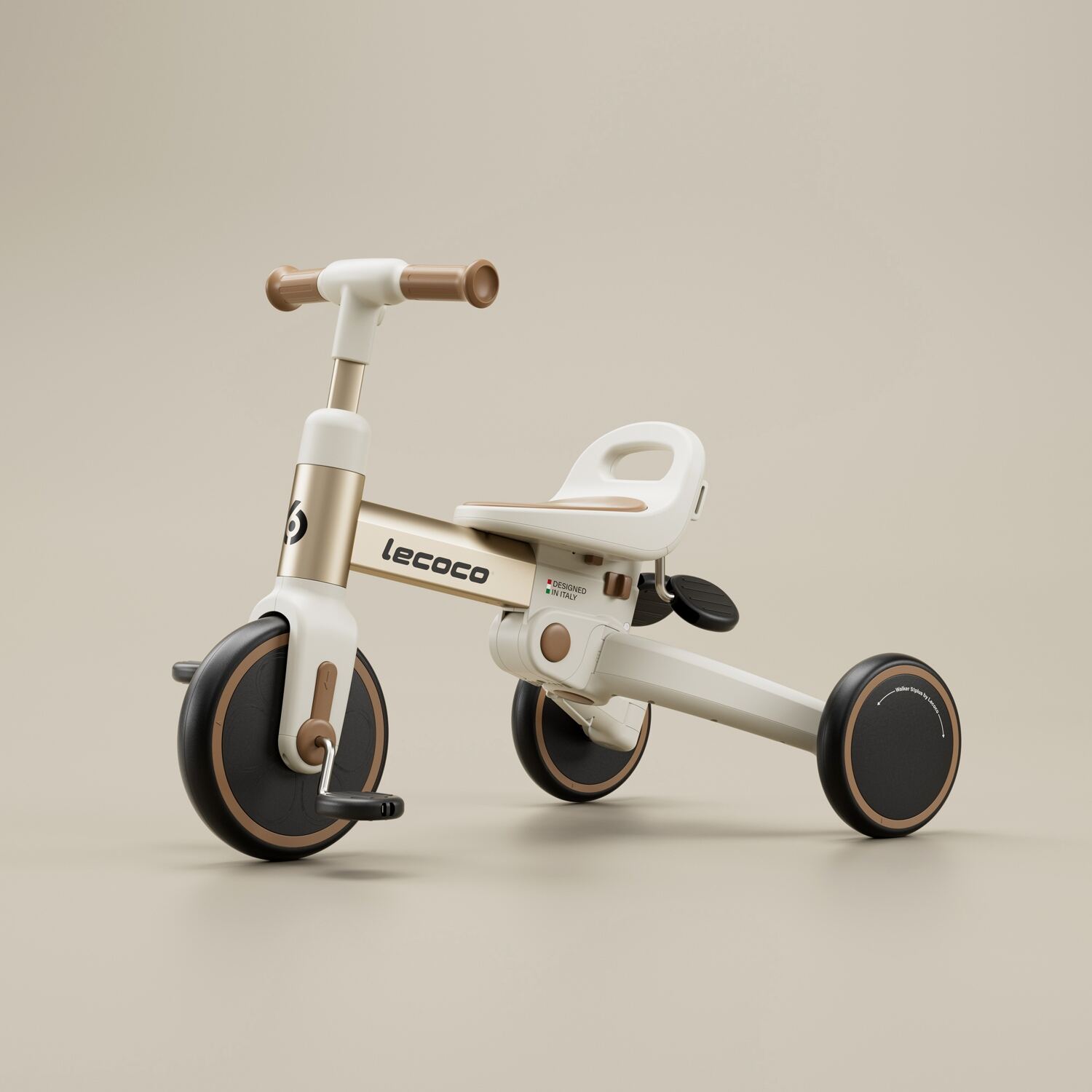
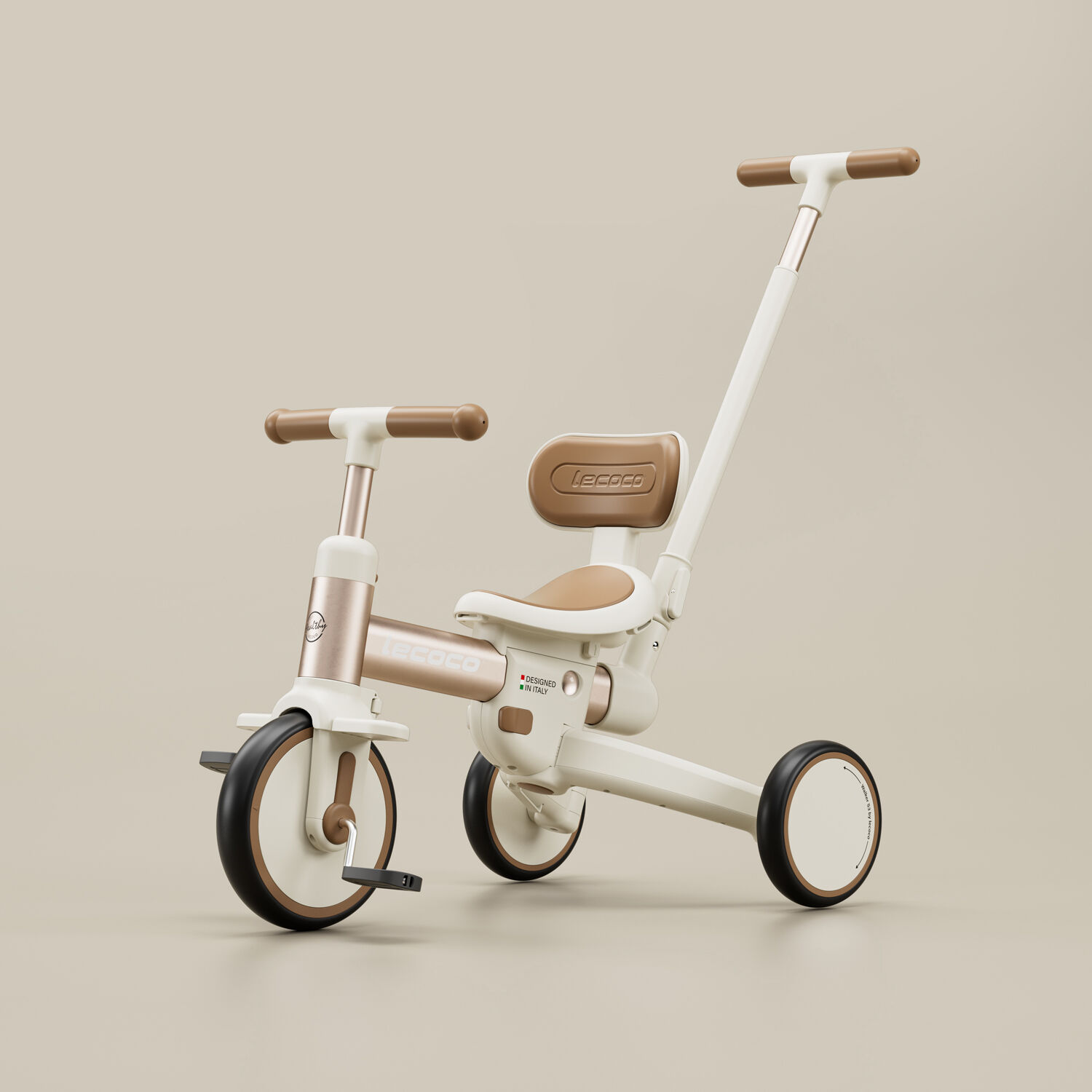
A tricycle for 18 month old represents a carefully engineered mobility solution designed specifically for toddlers transitioning from crawling to independent movement. These specialized three-wheeled vehicles incorporate advanced safety technologies and developmental features that support early childhood motor skill development while ensuring maximum protection during use. The primary function of a tricycle for 18 month old centers on providing stable, controlled movement opportunities that help young children develop balance, coordination, and spatial awareness. Modern designs feature low-profile construction with wide wheelbase configurations that prevent tipping while encouraging confident exploration. The technological framework includes non-slip pedals with easy-grip surfaces, adjustable seat positioning systems, and ergonomic handlebars sized appropriately for small hands. Many models incorporate push-handle attachments that allow parents to maintain control during initial learning phases, gradually transitioning to independent operation as the child develops confidence. Safety mechanisms include rounded edges throughout the construction, puncture-resistant wheels designed for both indoor and outdoor use, and secure harness systems that provide additional stability without restricting natural movement patterns. The steering mechanism utilizes simplified turning ratios that correspond to toddler motor capabilities, preventing oversteering while maintaining responsive directional control. Applications extend beyond simple transportation, as these vehicles serve as developmental tools that enhance gross motor skills, strengthen leg muscles, and improve hand-eye coordination through interactive play sessions. The construction materials typically feature high-impact plastics combined with steel reinforcement at stress points, ensuring durability while maintaining lightweight portability for parent transportation and storage convenience. Color schemes and decorative elements are specifically chosen to stimulate visual development and maintain engagement during extended play periods, making the tricycle for 18 month old an essential tool for healthy physical and cognitive development.

New Product Releases

The tricycle for 18 month old delivers exceptional developmental benefits that extend far beyond simple entertainment value, providing parents with a reliable tool for supporting their child's physical and cognitive growth milestones. Safety advantages stand prominently among the primary benefits, as the three-wheel design creates inherent stability that prevents the tipping incidents commonly associated with two-wheeled alternatives. The wide stance and low center of gravity ensure that even the most enthusiastic young riders maintain secure positioning throughout their adventures, giving parents peace of mind during outdoor exploration sessions. Physical development accelerates significantly through regular tricycle use, as the pedaling motion strengthens developing leg muscles while simultaneously improving cardiovascular health through sustained physical activity. The steering mechanism enhances upper body coordination and fine motor control as children learn to navigate around obstacles and follow desired paths, creating a comprehensive full-body workout disguised as engaging play. Cognitive benefits emerge through spatial reasoning development as young riders learn to judge distances, navigate turns, and understand cause-and-effect relationships between their actions and the tricycle's movement responses. Independence cultivation represents another crucial advantage, as the tricycle for 18 month old empowers children to explore their environment at their own pace while maintaining parental oversight through attached push-handles or remote supervision. Social interaction opportunities multiply when children use their tricycles in group settings, fostering sharing behaviors, turn-taking skills, and cooperative play patterns that contribute to emotional intelligence development. Versatility in usage locations adds practical value for busy families, as most models perform equally well on smooth indoor surfaces and outdoor terrain including sidewalks, driveways, and park pathways. The transition capability from parent-controlled to child-independent operation provides excellent value retention as the tricycle grows with the child's developing abilities. Storage convenience and portability considerations make these vehicles practical for families with limited space or those who frequently travel, as many designs feature folding mechanisms or compact construction that facilitates easy transportation and storage. Economic advantages emerge through the extended usage period that quality tricycles provide, often serving children effectively from 18 months through preschool years, making the initial investment highly cost-effective compared to toys with shorter utility spans.

Latest News

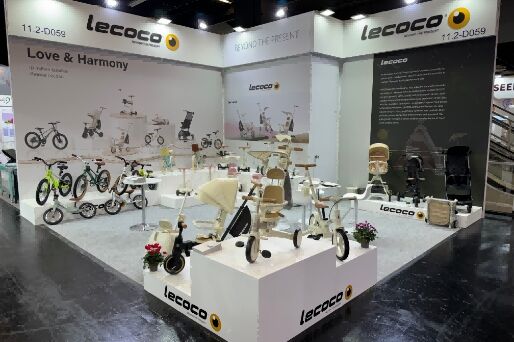
LECOCO Presents at Kind + Jugend 2024 in Cologne

08

Jan

LECOCO Presents at Kind + Jugend 2024 in Cologne

View More
LECOCO Presents at CBME 2025 in Shanghai

08

Jan

LECOCO Presents at CBME 2025 in Shanghai

View More
LECOCO Engages with Market at 24th CBME, Garnering Positive Response

08

Jan

LECOCO Engages with Market at 24th CBME, Garnering Positive Response

View More

Get a Free Quote

Our representative will contact you soon.
Email
Name
Company Name
Message
0/1000

tricycle for 18 month old

Advanced Safety Engineering for Maximum Protection

Advanced Safety Engineering for Maximum Protection

The safety engineering incorporated into a tricycle for 18 month old represents the pinnacle of child product design, featuring multiple layers of protection that work synergistically to create an exceptionally secure riding experience. The foundation of this safety system begins with the three-wheel configuration itself, which eliminates the balance challenges associated with bicycles while providing superior stability across varied terrain conditions. The wheelbase design utilizes precise mathematical calculations to determine optimal spacing that prevents tipping under normal usage conditions, even when children lean significantly during turns or attempt to navigate uneven surfaces. Wheel construction employs puncture-resistant materials with deep tread patterns that provide excellent traction on both wet and dry surfaces, reducing the likelihood of slips that could result in falls or loss of control. The frame geometry positions the seat at an optimal height that allows children to maintain ground contact with their feet when stationary, providing an immediate safety mechanism that enables quick stopping or stabilization when needed. Edge treatment throughout the entire structure eliminates sharp corners and potential pinch points through comprehensive radius application and strategic padding placement at contact areas. The harness system, where applicable, utilizes pediatric-appropriate sizing with quick-release mechanisms that parents can operate easily while remaining secure enough to prevent accidental disengagement during active use. Handlebar design incorporates safety grips with raised patterns that prevent slipping while featuring protective end caps that cushion impact in the unlikely event of forward falls. The steering mechanism includes built-in limiters that prevent over-rotation, reducing the risk of sudden direction changes that could destabilize young riders who are still developing their reaction capabilities. Material selection prioritizes non-toxic, child-safe compounds that meet or exceed international safety standards while maintaining durability under repeated use and exposure to environmental conditions. The paint and finishing processes eliminate lead content and volatile organic compounds, ensuring that even curious toddlers who explore through touch and taste remain protected from harmful chemical exposure. Quality control procedures include rigorous testing protocols that simulate years of typical usage patterns, verifying that all safety features maintain their effectiveness throughout the product's intended lifespan.
Developmental Benefits Through Interactive Design

Developmental Benefits Through Interactive Design

The developmental advantages provided by a tricycle for 18 month old extend far beyond simple physical exercise, encompassing a comprehensive approach to early childhood development that addresses multiple growth areas simultaneously. Motor skill enhancement represents the most immediately observable benefit, as the pedaling motion requires coordinated movement between both legs while simultaneously engaging core stabilization muscles that support overall balance and posture development. The handgrip requirements strengthen developing hand and forearm muscles while improving bilateral coordination as children learn to steer while maintaining pedaling rhythm, creating neural pathways that support future complex motor tasks like writing and sports participation. Cognitive development accelerates through the problem-solving opportunities inherent in tricycle operation, as children must constantly assess their environment, plan routes around obstacles, and adjust their speed and direction based on changing conditions. Spatial awareness improvements occur naturally as young riders learn to judge distances between themselves and stationary objects, developing the foundational skills necessary for later mathematical concepts and engineering thinking. The cause-and-effect relationships demonstrated through steering and pedaling actions help establish logical thinking patterns while building confidence in the child's ability to control their environment through deliberate action. Social skill development flourishes when the tricycle for 18 month old becomes part of group play scenarios, teaching children valuable lessons about sharing, taking turns, and cooperative interaction with peers and siblings. Communication skills often show marked improvement as children naturally engage in conversations about their riding experiences, describing their adventures and expressing preferences about routes and destinations. Risk assessment capabilities develop gradually as children learn to evaluate different surfaces and situations, building the judgment skills necessary for safe independence in other areas of life. Sensory integration benefits emerge through the varied tactile experiences provided by different riding surfaces and weather conditions, helping children process and organize sensory information more effectively. The confidence building aspects cannot be overstated, as mastering tricycle operation provides children with a significant sense of accomplishment and autonomy that translates into increased willingness to attempt other challenging tasks and learning opportunities.
Versatile Design Adaptability for Growing Children

Versatile Design Adaptability for Growing Children

The adaptive design philosophy underlying quality tricycle for 18 month old construction ensures maximum utility value through features that accommodate children's rapidly changing developmental needs and physical capabilities. Seat adjustment mechanisms represent the cornerstone of this adaptability, featuring multi-position settings that accommodate height variations from early toddlerhood through preschool years, eliminating the need for frequent replacements as children grow. The adjustment systems utilize tool-free mechanisms that parents can operate quickly and securely, allowing for seasonal modifications as children's clothing layers change or rapid growth spurts occur during peak developmental periods. Handlebar positioning offers similar flexibility through telescoping or multi-hole adjustment systems that maintain proper ergonomic relationships between the child's arms, torso, and steering controls regardless of their current size. The pedal positioning adapts through various mechanisms including adjustable crank arms or multiple mounting points that ensure optimal leg extension throughout the pedaling cycle, preventing strain while maximizing power transfer efficiency. Push-handle integration provides exceptional versatility by enabling parent-assisted operation during initial learning phases while remaining completely removable once children develop sufficient confidence and skill for independent operation. The transition process becomes seamless through thoughtful design elements that gradually increase the child's control responsibility while maintaining safety oversight capabilities for supervising adults. Storage solutions adapt to family needs through removable baskets, fold-down platforms, or modular attachment systems that accommodate toys, snacks, or exploration treasures collected during outdoor adventures. Terrain adaptability ensures consistent performance across diverse riding surfaces through wheel designs that function effectively on indoor floors, outdoor pavement, grass surfaces, and playground equipment areas. The modular construction approach allows for component replacement or upgrade as needed, extending the product's useful life while maintaining optimal performance characteristics. Seasonal adaptability considerations include weather-resistant materials and construction techniques that maintain functionality across temperature variations and moisture exposure conditions typically encountered during outdoor use. The scalable complexity features allow parents to introduce additional challenges or capabilities as children's skills develop, maintaining engagement and learning opportunities throughout the extended usage period while preventing the boredom that often accompanies toys with static functionality levels.

Get a Free Quote

Our representative will contact you soon.
Email
Name
Company Name
Message
0/1000