Developmental Benefits and Educational Value
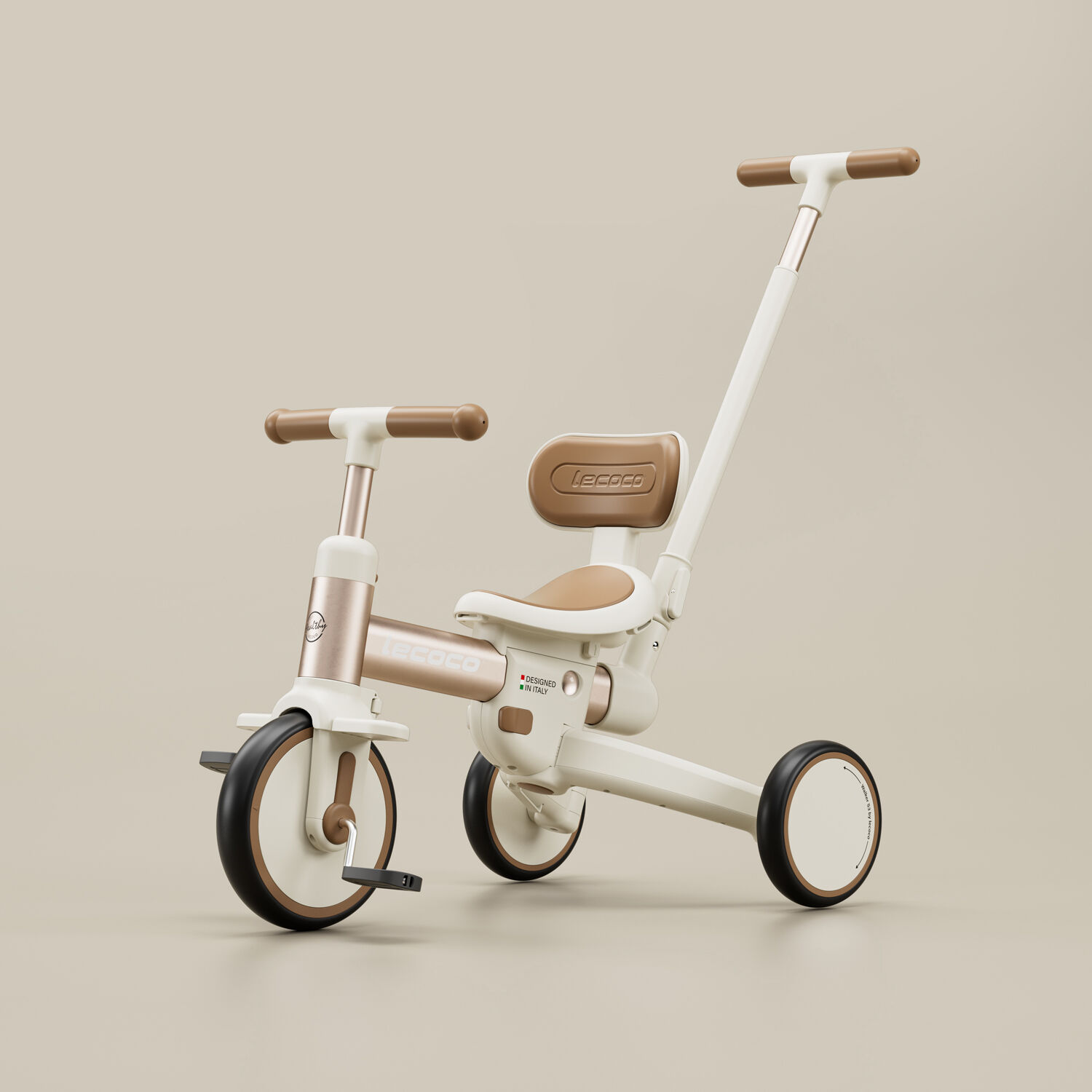
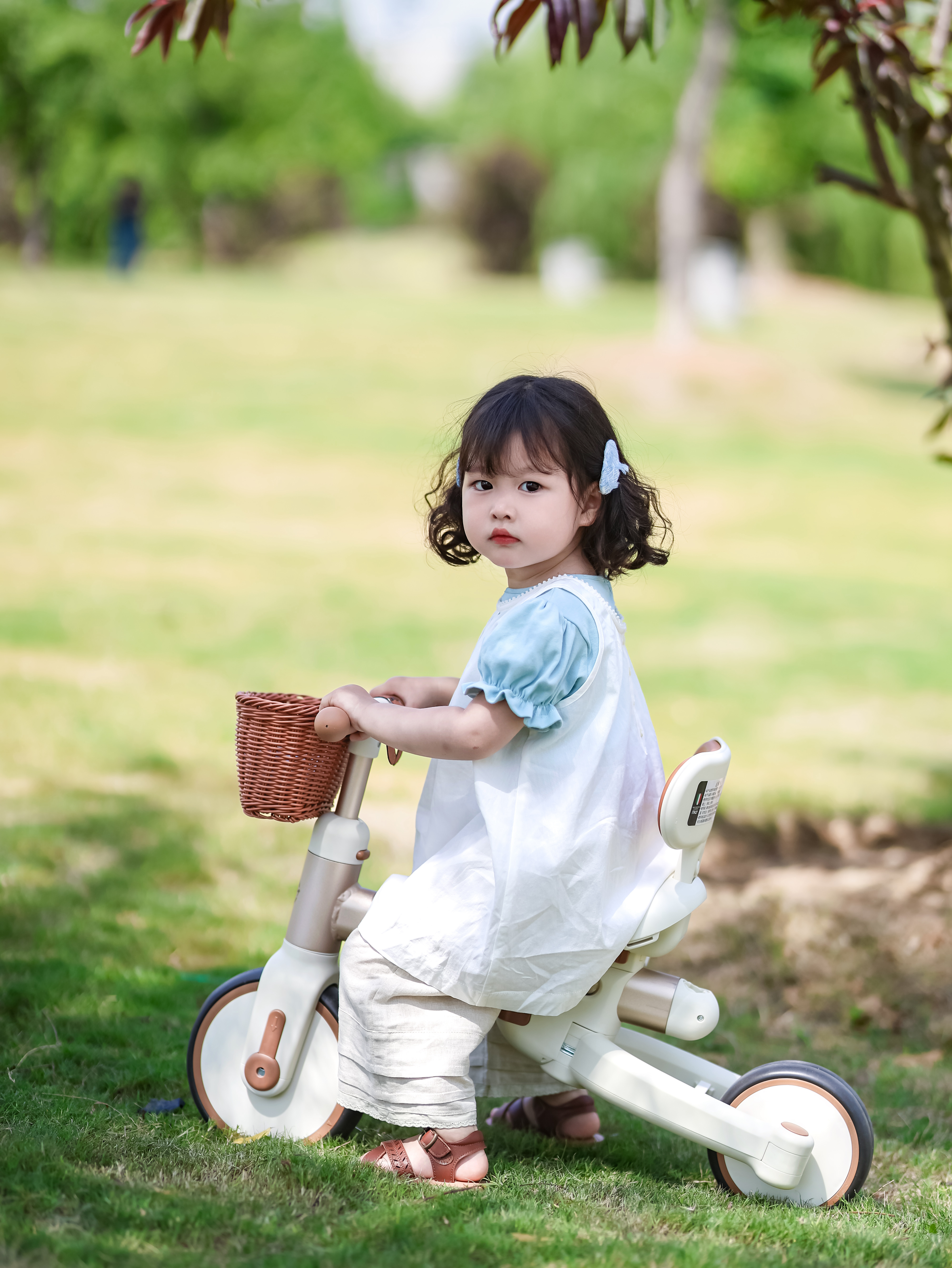
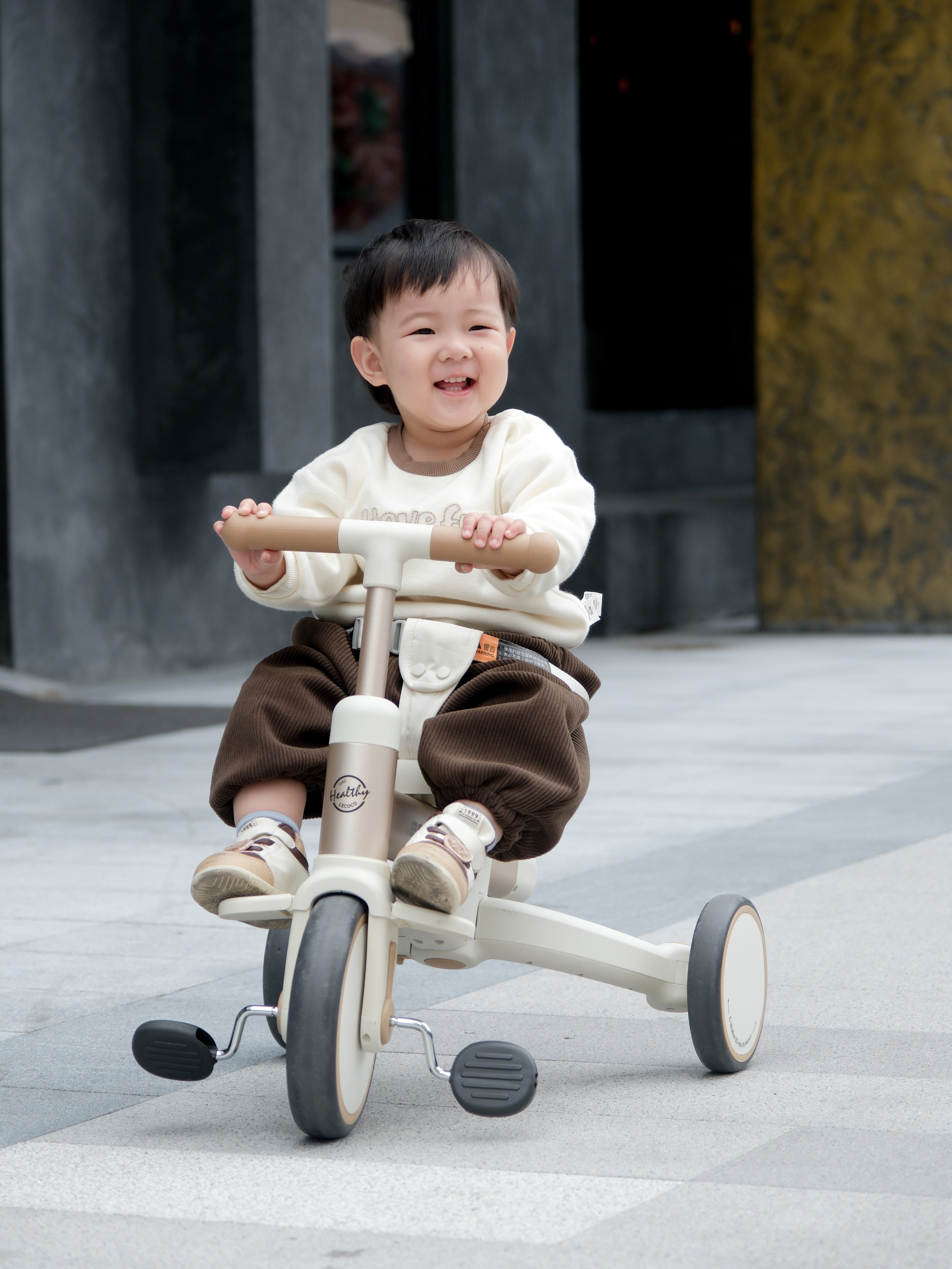
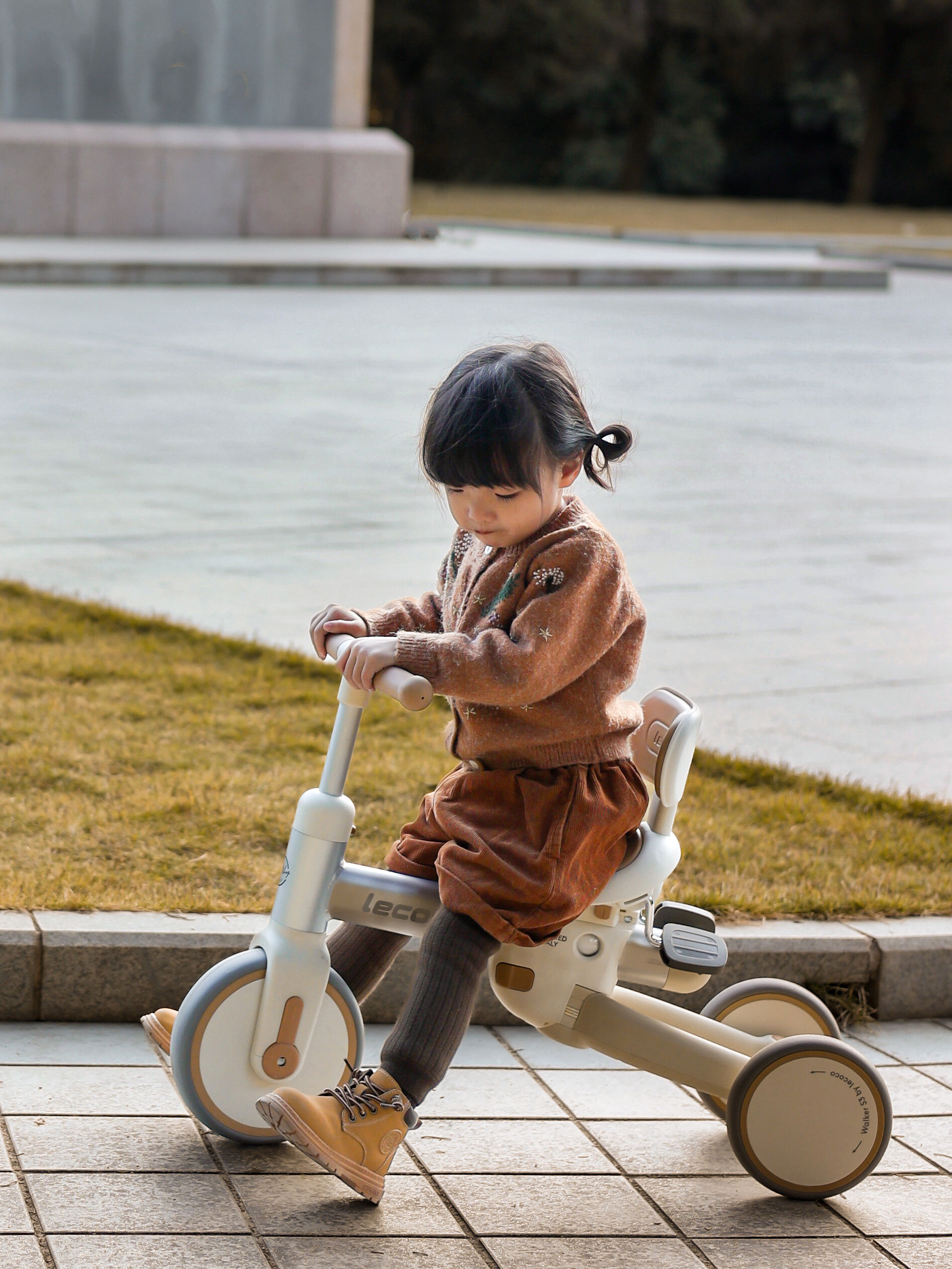
The educational and developmental value of toy tricycles extends far beyond simple entertainment, making them invaluable tools for childhood growth and learning. Physical development represents the most obvious benefit, as regular tricycle use strengthens leg muscles, improves cardiovascular fitness, and enhances overall body coordination in ways that sedentary activities cannot match. The pedaling motion develops bilateral coordination as children learn to coordinate both legs in a rhythmic pattern, skills that transfer to other activities like walking, running, and eventually bicycle riding. Cognitive development occurs as children navigate obstacles, plan routes, and make split-second decisions about speed and direction while riding their toy tricycles. These experiences enhance problem-solving abilities and spatial reasoning skills that benefit academic learning in areas like mathematics and science. The cause-and-effect relationships inherent in tricycle operation teach children about physics concepts including momentum, friction, and directional force in an intuitive, hands-on manner. Social development flourishes as toy tricycles become tools for interactive play with siblings and friends. Children learn valuable lessons about sharing, cooperation, and fair play when multiple tricycles are available for group activities. Turn-taking skills develop naturally when children must wait for their opportunity to ride, while leadership qualities emerge as more experienced riders help beginners learn proper techniques. The independence fostered by toy tricycle mastery builds self-confidence and self-reliance that influences behavior in other areas of life. Children who successfully learn to operate toy tricycles often demonstrate increased willingness to attempt other challenging activities, creating a positive cycle of skill development and confidence building. Communication skills improve as children describe their riding experiences, negotiate play rules, and express their needs and preferences regarding tricycle activities. The sensory experiences provided by toy tricycles, including the feeling of wind, the sounds of wheels on different surfaces, and the visual input from moving through space, contribute to sensory integration development that supports overall neurological growth.
 ×
×

 EN
EN