Developmental Benefits and Motor Skill Enhancement
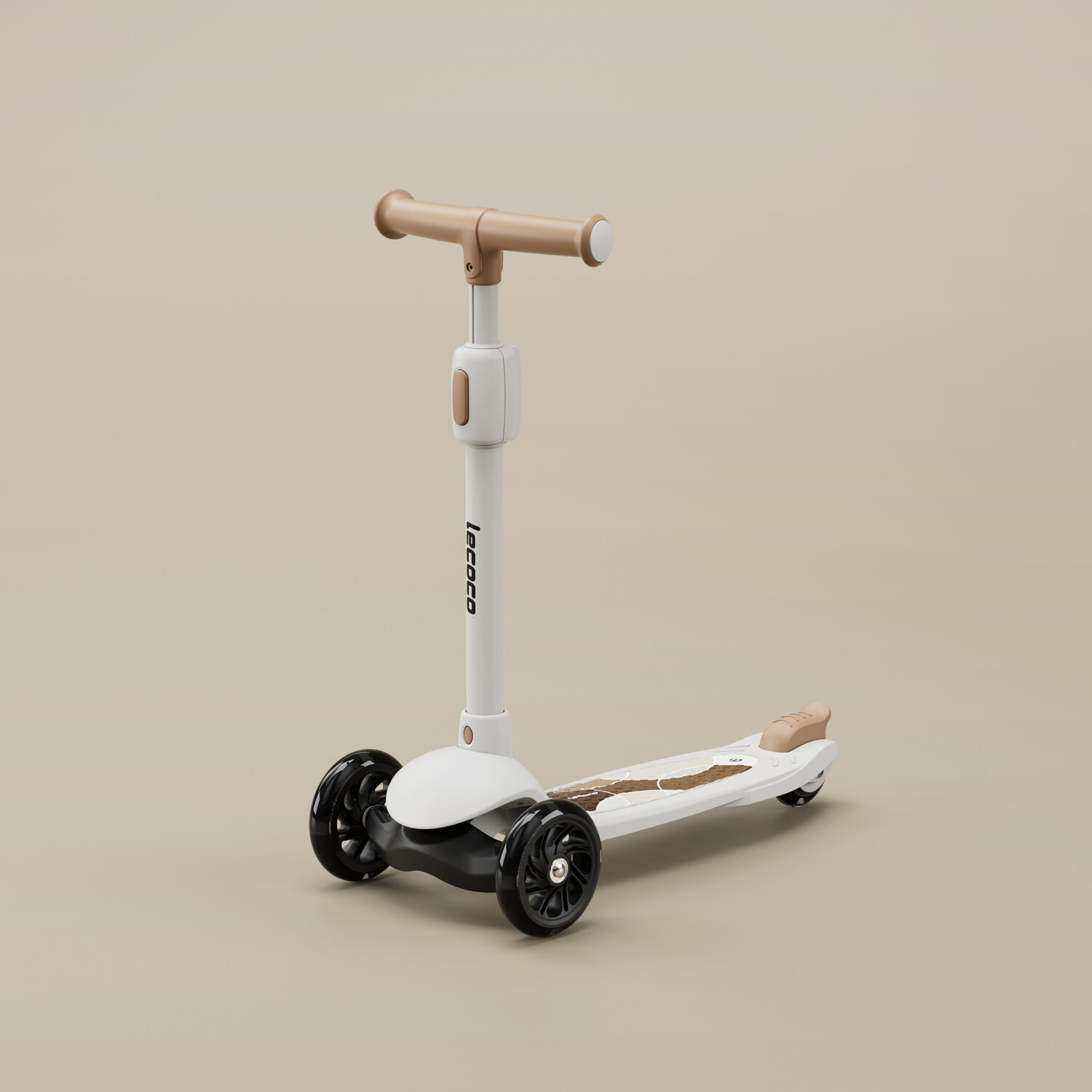
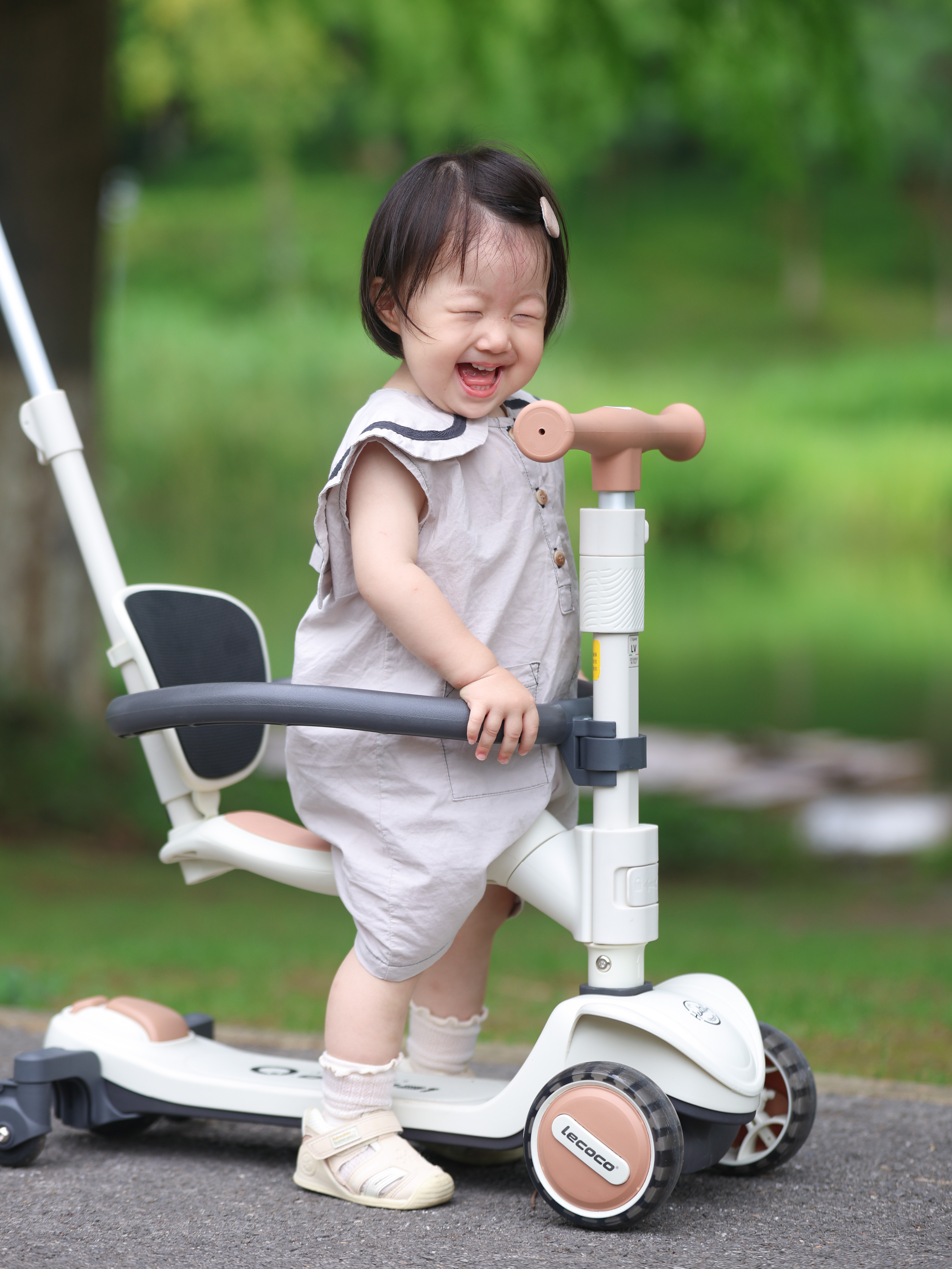
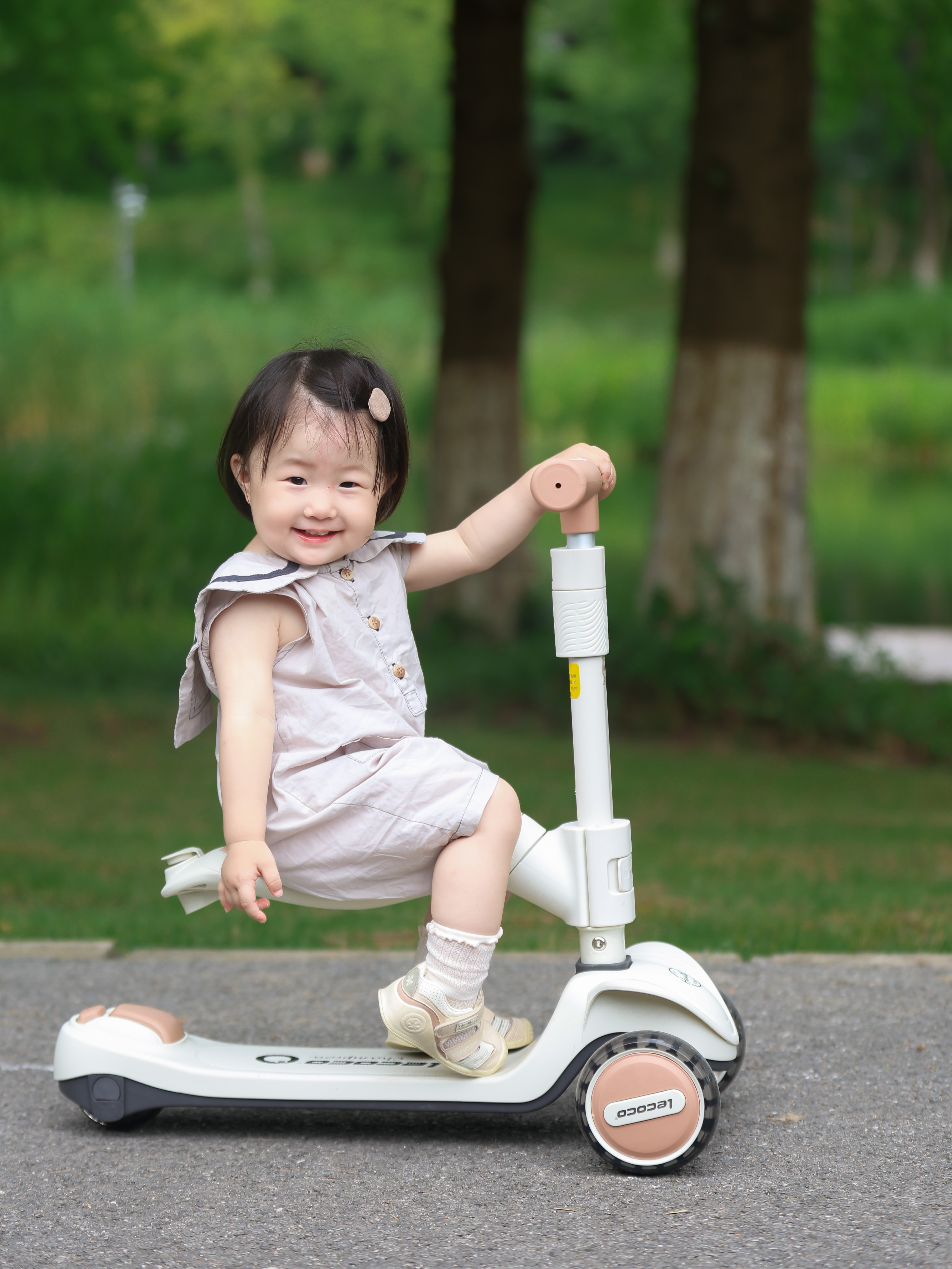
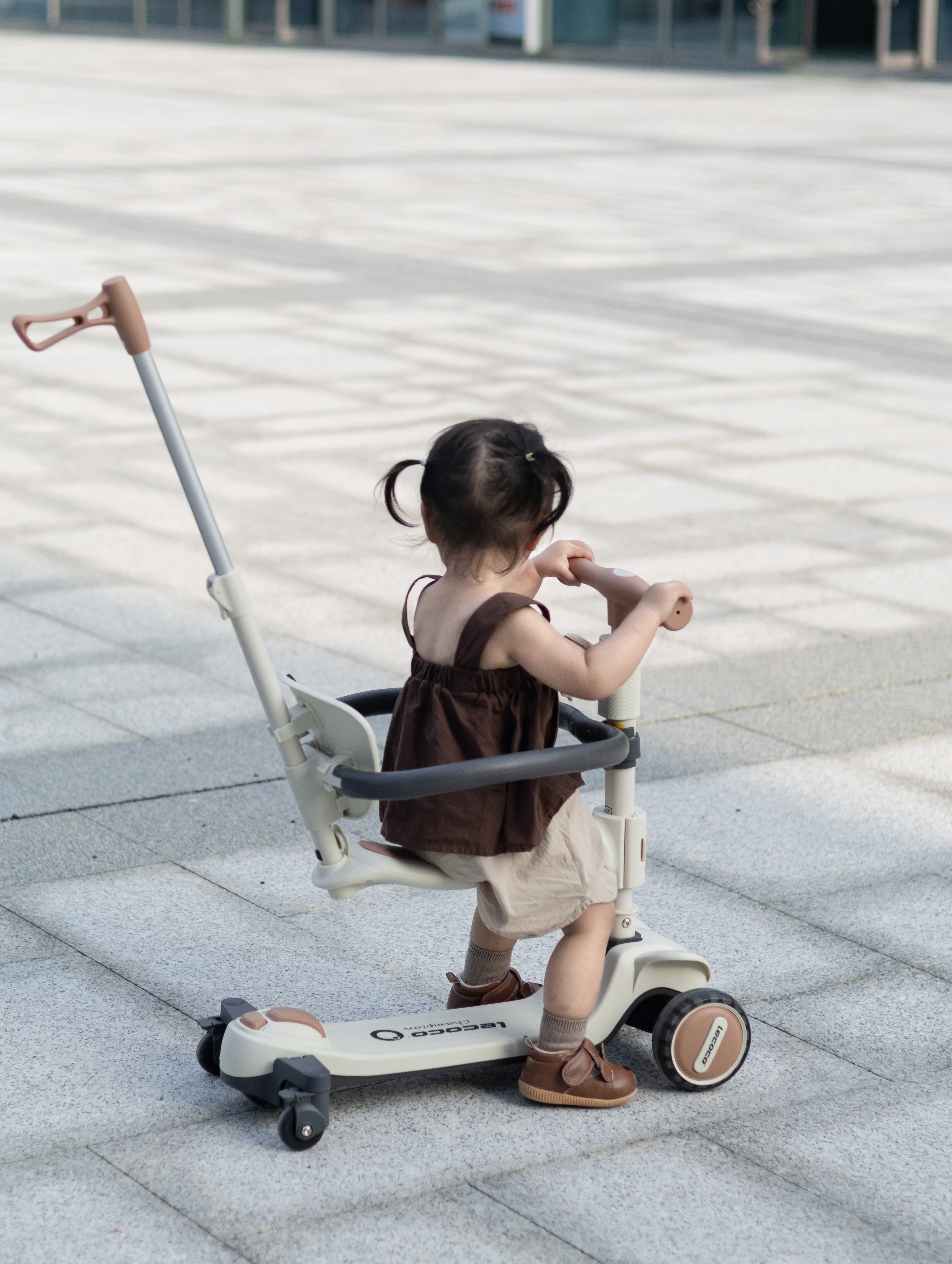
The developmental benefits delivered by a scooter for 18 month old create a comprehensive foundation for lifelong physical competence and cognitive growth, addressing multiple developmental domains simultaneously through engaging play activities. Gross motor skill development receives primary focus as children learn to coordinate large muscle groups while maintaining balance on the moving platform, building strength in legs, core, and back muscles that support future athletic endeavors. The bilateral coordination skills developed through steering and propulsion activities establish neural pathways that enhance brain connectivity between left and right hemispheres, supporting academic learning and problem-solving capabilities. Fine motor skill refinement occurs through grip strength building as small hands learn to maintain control of handlebars while navigating various terrains and obstacles. Spatial awareness development accelerates as children learn to judge distances, estimate speeds, and navigate three-dimensional spaces with increasing precision and confidence. The vestibular system receives crucial stimulation through the balance challenges presented by riding a scooter for 18 month old, improving inner ear function that affects everything from reading ability to motion sickness resistance. Proprioceptive development enhances body awareness as children learn to feel their position in space and make minute adjustments to maintain stability and control during movement. Cognitive planning skills emerge as toddlers begin to anticipate turning requirements, obstacle navigation, and destination planning during scooter adventures. The cause-and-effect learning opportunities presented by steering, pushing, and braking actions help children understand basic physics principles while developing logical thinking patterns. Social-emotional development benefits include increased self-confidence as mastery of scooter skills provides accomplishment satisfaction and peer recognition. Risk assessment abilities develop naturally as children learn to evaluate surface conditions, obstacle challenges, and environmental factors that affect safe riding conditions. The sensory integration benefits address multiple systems simultaneously, helping children with sensory processing differences develop better regulatory responses to movement and spatial input.
 ×
×

 EN
EN