Ride a Tricycle - Ultimate Guide to Three-Wheeled Transportation, Safety, and Therapeutic Benefits

Get a Free Quote

Our representative will contact you soon.
Email
Name
Company Name
Message
0/1000

ride a tricycle

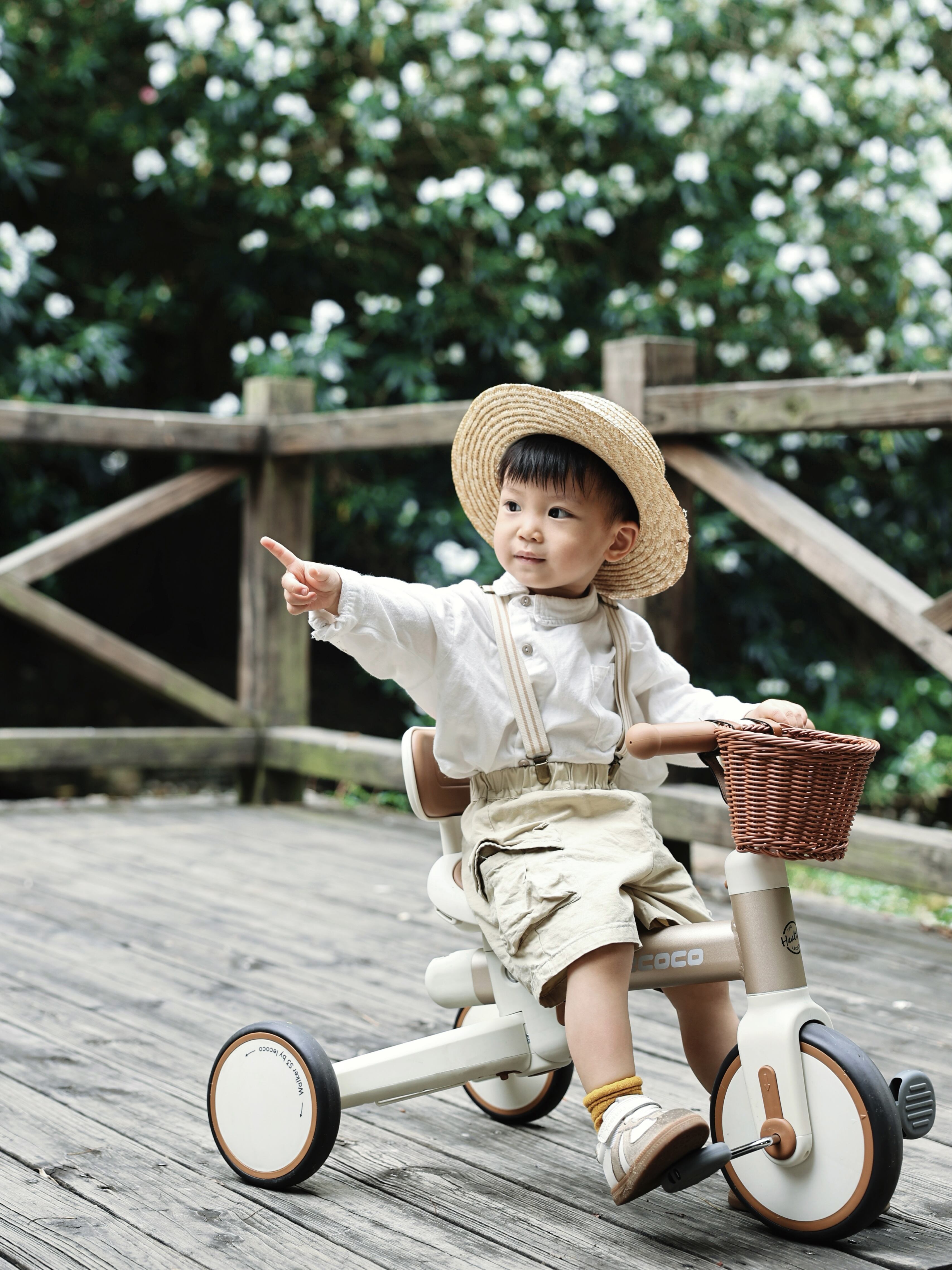
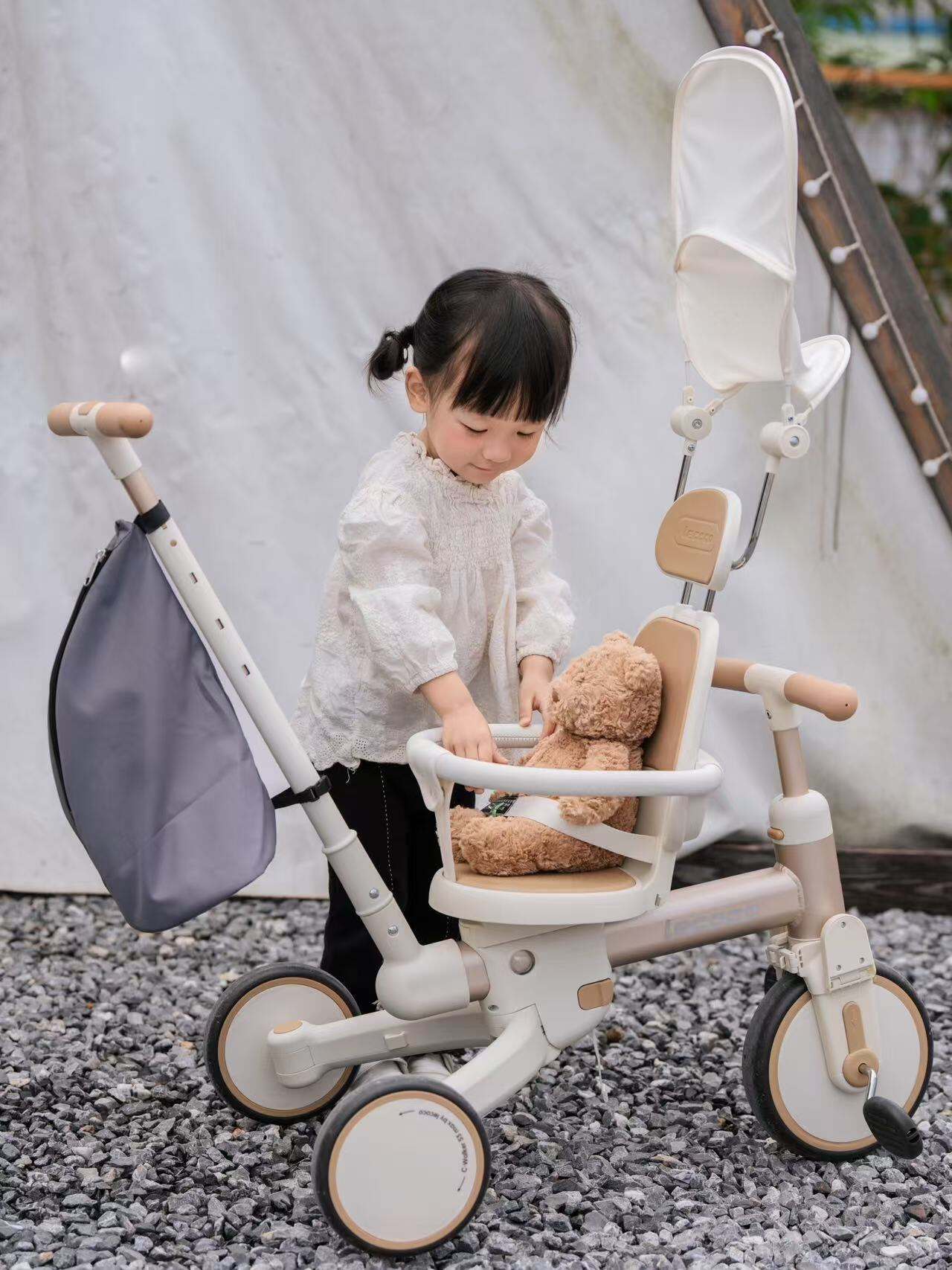
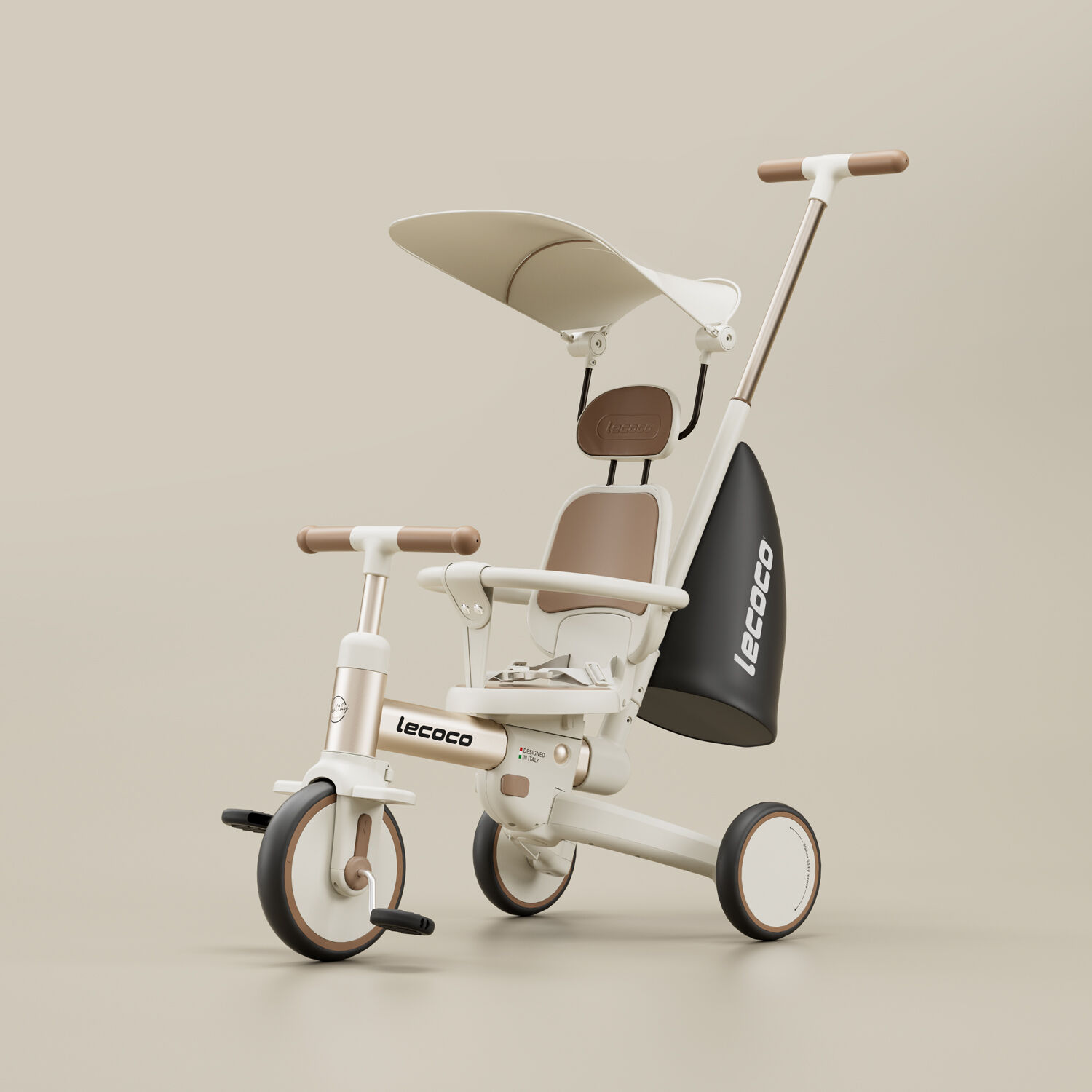
A ride a tricycle represents an innovative three-wheeled transportation solution that combines the stability of traditional cycling with enhanced safety features and improved accessibility. This versatile vehicle serves multiple purposes, from recreational activities to practical transportation needs, making it an ideal choice for users of various ages and abilities. The ride a tricycle incorporates advanced engineering principles to deliver superior balance and control compared to conventional two-wheeled bicycles. Its fundamental design features three wheels arranged in a triangular configuration, typically with two wheels at the rear and one at the front, though reverse configurations exist depending on the specific model and intended application. The main functions of a ride a tricycle include providing stable personal transportation, offering recreational enjoyment, supporting therapeutic exercises, and serving as an alternative mobility solution for individuals with balance challenges. Technological features integrated into modern ride a tricycle designs encompass lightweight yet durable frame construction using materials such as aluminum alloy or high-strength steel, precision-engineered wheel assemblies with sealed bearings for smooth operation, and ergonomic seating systems designed for optimal comfort during extended use. Many ride a tricycle models incorporate adjustable components, allowing users to customize the fit according to their specific physical requirements and preferences. Applications for a ride a tricycle span across multiple sectors including personal recreation, therapeutic rehabilitation programs, senior mobility assistance, children's developmental activities, and urban commuting solutions. The ride a tricycle has gained significant popularity in healthcare settings where physical therapists utilize these devices to help patients rebuild strength, coordination, and confidence in their mobility abilities. Additionally, the ride a tricycle serves as an excellent fitness tool, providing low-impact cardiovascular exercise while minimizing stress on joints and maintaining proper posture throughout the activity.

New Product Recommendations

The ride a tricycle offers numerous compelling advantages that make it superior to traditional two-wheeled alternatives in many situations. Enhanced stability stands as the primary benefit, as the three-wheel configuration eliminates the risk of tipping over that commonly occurs with regular bicycles. This fundamental advantage makes the ride a tricycle particularly appealing to older adults, individuals recovering from injuries, and anyone seeking a more secure riding experience. The improved balance provided by a ride a tricycle allows users to focus on enjoying their journey rather than constantly worrying about maintaining equilibrium. Safety considerations represent another significant advantage, as the ride a tricycle naturally promotes safer riding practices through its inherent design characteristics. Users can stop and start without needing to dismount, and the wider stance provides greater visibility to other road users. The ride a tricycle typically features enhanced braking systems that work across multiple wheels, delivering more reliable stopping power in various weather conditions. Accessibility benefits make the ride a tricycle an inclusive transportation option for people with diverse physical abilities and limitations. Individuals who may have difficulty balancing on traditional bicycles can confidently operate a ride a tricycle, opening up new opportunities for independence and mobility. The comfortable seating position reduces strain on the back, neck, and wrists, making longer rides more enjoyable and sustainable. Storage capacity represents a practical advantage that sets the ride a tricycle apart from conventional bicycles. Many models feature built-in cargo areas, baskets, or attachment points for carrying personal items, groceries, or equipment. This functionality transforms the ride a tricycle from merely a recreational device into a practical transportation solution for daily errands and activities. Maintenance requirements for a ride a tricycle are generally straightforward and manageable, with most components easily accessible for routine servicing. The distributed weight across three contact points reduces tire wear compared to two-wheeled vehicles, while the stable platform allows for easier cleaning and inspection of mechanical components. Cost-effectiveness emerges as a long-term advantage, as the ride a tricycle requires no fuel, insurance, or licensing fees while providing years of reliable service with proper care.

Latest News

LECOCO Presents at Kind + Jugend 2024 in Cologne

08

Jan

LECOCO Presents at Kind + Jugend 2024 in Cologne

View More
LECOCO Presents at CBME 2025 in Shanghai

08

Jan

LECOCO Presents at CBME 2025 in Shanghai

View More
LECOCO Engages with Market at 24th CBME, Garnering Positive Response

08

Jan

LECOCO Engages with Market at 24th CBME, Garnering Positive Response

View More

Get a Free Quote

Our representative will contact you soon.
Email
Name
Company Name
Message
0/1000

ride a tricycle

Revolutionary Stability and Safety Design

Revolutionary Stability and Safety Design

The revolutionary stability and safety design of the ride a tricycle represents a breakthrough in personal transportation engineering that addresses fundamental concerns associated with traditional two-wheeled vehicles. This innovative approach to mobility eliminates the primary barrier that prevents many individuals from enjoying cycling activities – the fear of losing balance and falling. The ride a tricycle achieves this remarkable stability through its carefully engineered three-point contact system with the ground, creating a stable platform that remains upright even when stationary. This design feature proves invaluable for users who need to stop frequently, whether for traffic signals, rest breaks, or simply to enjoy scenic views along their route. The safety advantages extend beyond mere stability, encompassing a comprehensive approach to rider protection that includes enhanced visibility features, improved braking capabilities, and ergonomic design elements that promote proper posture and reduce fatigue. Many ride a tricycle models incorporate reflective materials, integrated lighting systems, and flag attachments to increase visibility to motorists and pedestrians. The lower center of gravity inherent in the ride a tricycle design contributes to safer cornering and maneuvering, while the wider track width provides additional stability during turns and when navigating uneven surfaces. Emergency stopping scenarios become significantly safer with a ride a tricycle, as riders can apply brakes without concern for maintaining balance, allowing for more controlled and predictable stopping behavior. The psychological benefits of this enhanced safety cannot be overstated, as users report increased confidence and enjoyment when riding, leading to more frequent use and greater overall satisfaction with their transportation choice. The ride a tricycle design also accommodates safety accessories more effectively than traditional bicycles, with stable mounting points for mirrors, horns, lights, and other safety equipment that enhance the overall riding experience.
Exceptional Comfort and Ergonomic Excellence

Exceptional Comfort and Ergonomic Excellence

Exceptional comfort and ergonomic excellence define the ride a tricycle experience, setting new standards for user satisfaction in personal transportation devices. The comprehensive approach to rider comfort begins with scientifically designed seating systems that distribute weight evenly and provide optimal support for the spine, reducing the pressure points and discomfort commonly associated with traditional bicycle saddles. The ride a tricycle incorporates adjustable seating positions that accommodate users of varying heights and physical conditions, ensuring that each individual can achieve their optimal riding posture. This customization capability proves particularly valuable for therapeutic applications where proper positioning supports rehabilitation goals and therapeutic outcomes. The ergonomic handlebars of a ride a tricycle are positioned to minimize strain on the wrists, shoulders, and neck, allowing for a more natural and comfortable grip that can be maintained for extended periods without fatigue. The riding position promotes better breathing and circulation compared to the forward-leaning posture required on traditional bicycles, making the ride a tricycle suitable for users with respiratory conditions or circulation concerns. Suspension systems integrated into many ride a tricycle models absorb road vibrations and impacts, providing a smoother ride that reduces physical stress and enhances overall comfort. The stable platform allows riders to shift position slightly during longer rides without compromising safety, preventing the numbness and discomfort that can develop from maintaining a fixed position. Weather protection options available for many ride a tricycle models include canopies, windshields, and enclosures that allow for comfortable riding in various conditions, extending the usable season and increasing the practical value of the vehicle. The step-through design common in many ride a tricycle configurations eliminates the need for high leg lifts during mounting and dismounting, making the vehicle accessible to users with limited flexibility or mobility challenges. Storage compartments positioned within easy reach allow riders to access personal items, water bottles, and supplies without stopping or dismounting, contributing to the overall convenience and comfort of the ride a tricycle experience.
Versatile Applications and Therapeutic Benefits

Versatile Applications and Therapeutic Benefits

Versatile applications and therapeutic benefits position the ride a tricycle as a multifunctional solution that serves diverse needs across various demographics and use cases. In therapeutic settings, the ride a tricycle has emerged as an invaluable tool for physical rehabilitation programs, providing a safe and controlled environment for patients recovering from injuries, surgeries, or neurological conditions to rebuild strength, coordination, and confidence in their mobility abilities. Physical therapists utilize the ride a tricycle to help patients progress through graduated exercise programs, starting with assisted propulsion and advancing to independent operation as strength and coordination improve. The bilateral pedaling motion required to operate a ride a tricycle promotes symmetric muscle development and helps maintain range of motion in the lower extremities, making it particularly beneficial for stroke recovery and other neurological rehabilitation applications. Occupational therapists incorporate ride a tricycle activities to help patients develop practical skills for community mobility and independent living, using real-world scenarios to build confidence and competence in navigation, traffic awareness, and decision-making abilities. The ride a tricycle serves as an excellent fitness platform for users seeking low-impact cardiovascular exercise that minimizes stress on joints while providing effective muscle strengthening and endurance training. This makes the ride a tricycle particularly suitable for older adults who want to maintain active lifestyles without the high-impact stress associated with running or traditional sports activities. Educational applications of the ride a tricycle include teaching children fundamental concepts of balance, coordination, and spatial awareness in a safe and controlled environment. The stability provided by the ride a tricycle allows young riders to focus on developing pedaling skills and steering control without the added complexity of maintaining balance. Recreational programs for individuals with disabilities utilize the ride a tricycle to provide inclusive outdoor activities that promote social interaction, independence, and physical fitness. The ride a tricycle has found applications in urban commuting scenarios where users value stability, storage capacity, and comfort over speed, making it an practical alternative to cars for short-distance transportation needs in congested urban environments.

Get a Free Quote

Our representative will contact you soon.
Email
Name
Company Name
Message
0/1000