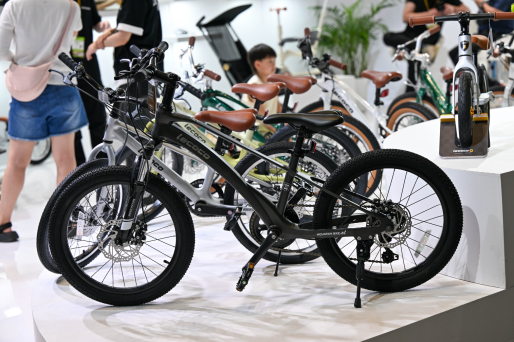
Best Lightweight Childrens Bikes - Premium Youth Bicycles for Safety & Performance

Get a Free Quote

Our representative will contact you soon.
Email
Name
Company Name
Message
0/1000

lightweight childrens bikes

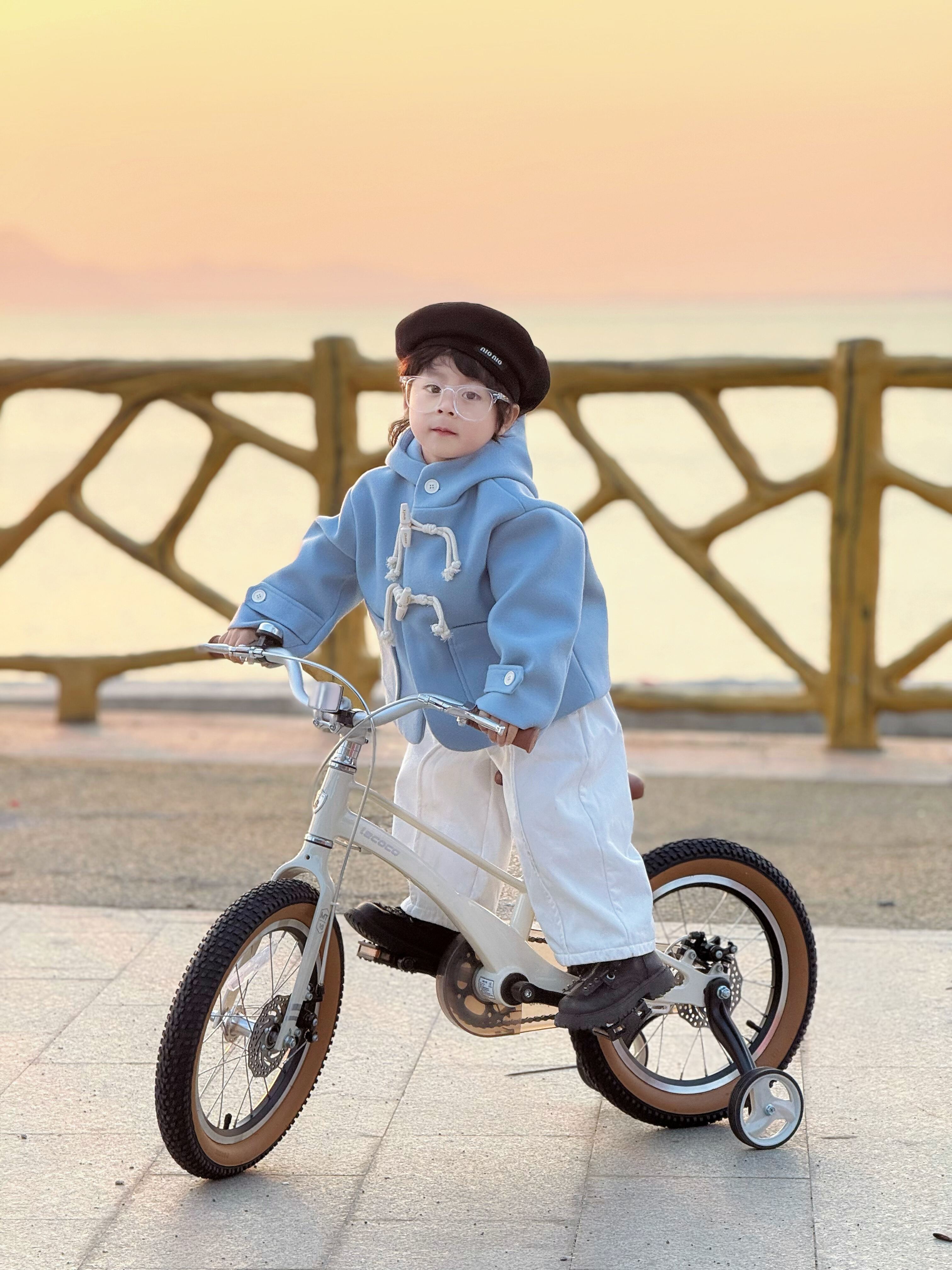
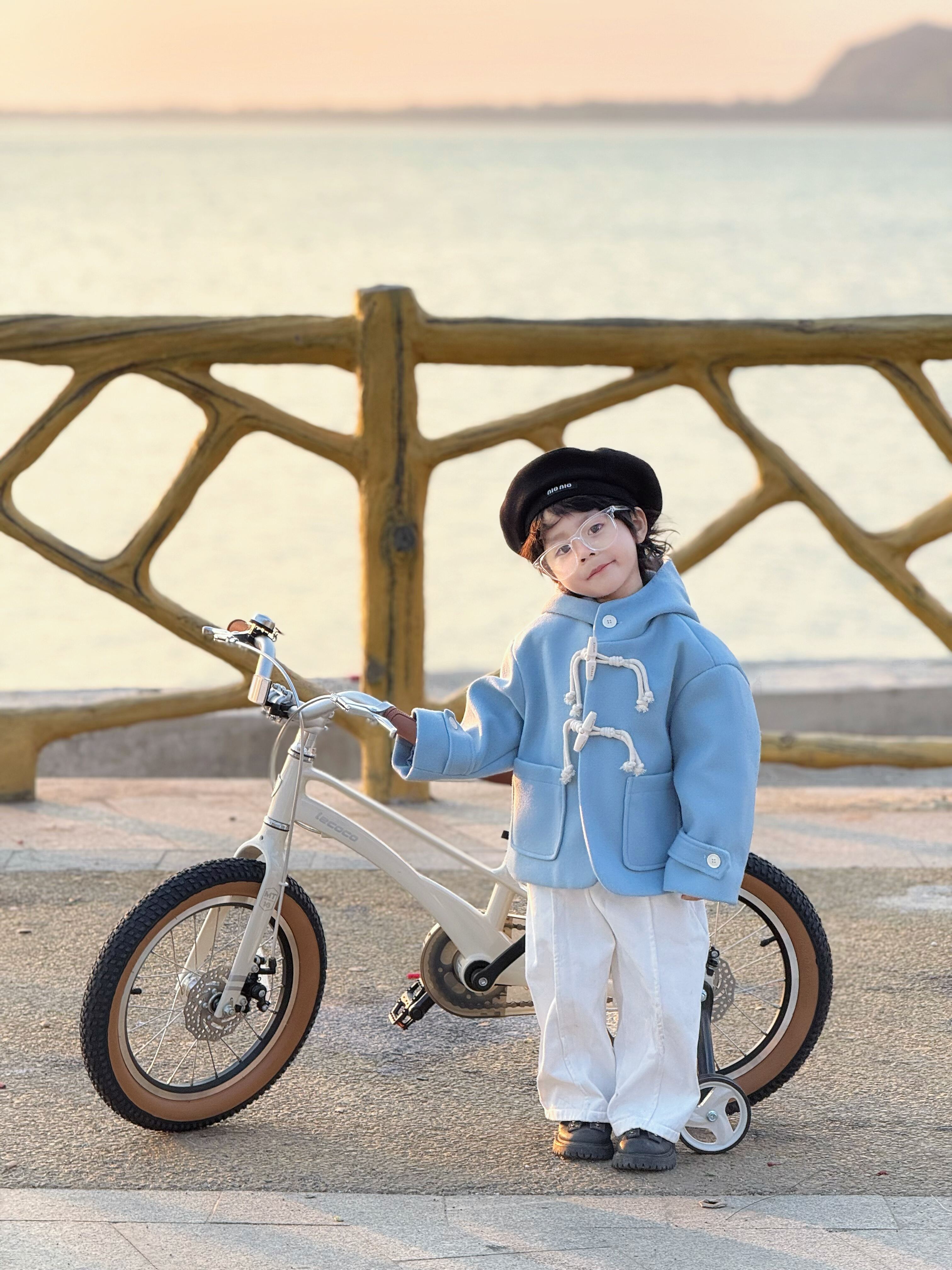
Lightweight childrens bikes represent a revolutionary approach to youth cycling, designed specifically to address the unique needs of young riders while prioritizing safety, comfort, and performance. These specialized bicycles incorporate advanced materials and engineering techniques to reduce overall weight without compromising structural integrity or durability. The primary function of lightweight childrens bikes centers on providing an optimal riding experience that builds confidence and develops essential cycling skills in children aged 2 to 12 years old. The reduced weight makes these bikes significantly easier for children to handle, control, and maneuver, which directly translates to improved safety and enhanced learning outcomes. Technological features of lightweight childrens bikes include premium aluminum alloy frames that offer exceptional strength-to-weight ratios, precision-engineered components that minimize unnecessary bulk, and carefully selected materials that maintain durability while reducing mass. Many models incorporate innovative design elements such as hollow-tube construction, strategically placed weight distribution points, and optimized geometry that suits smaller riders. The frame design typically features lower standover heights, making it easier for children to mount and dismount safely. Advanced manufacturing processes ensure that weight reduction does not compromise the bike's ability to withstand the rigorous use typical of young riders. Applications for lightweight childrens bikes extend across various environments and purposes, from neighborhood exploration and park adventures to structured learning programs and competitive youth cycling. These bikes excel in educational settings where children are first learning to balance and pedal, as the reduced weight allows instructors and parents to provide assistance more easily. Recreation centers, bike safety programs, and cycling clubs frequently choose lightweight childrens bikes for their programs because they accommodate a wider range of skill levels and physical abilities. The versatility of these bikes makes them suitable for both urban and rural environments, adapting well to different terrain types while maintaining their core advantage of manageable weight for young users.

New Product Recommendations

Lightweight childrens bikes deliver exceptional value through multiple practical benefits that directly impact the riding experience and safety of young cyclists. The most significant advantage lies in enhanced control and maneuverability, as children can easily steer, brake, and balance bikes that weigh substantially less than traditional models. This improved control translates directly to increased confidence, allowing young riders to progress more quickly through learning stages and develop essential cycling skills with greater ease. Parents and caregivers benefit tremendously from the reduced weight when transporting, lifting, or assisting children with their bikes, making family cycling adventures more enjoyable and less physically demanding. The lighter construction facilitates easier storage in homes, garages, and vehicles, addressing common space constraints that families face. Safety represents another crucial advantage, as children can more effectively stop, turn, and respond to unexpected situations when riding bikes that do not overwhelm their physical capabilities. The reduced weight minimizes the risk of injuries during falls or accidents, as there is less mass to cause harm during mishaps. Additionally, children experience less fatigue during longer rides, enabling them to enjoy cycling for extended periods and develop a lasting love for the activity. Maintenance becomes more manageable for families, as lightweight childrens bikes are easier to clean, inspect, and perform routine upkeep tasks. The premium materials used in construction often provide better corrosion resistance and longevity compared to heavier alternatives, ensuring that the investment provides lasting value. Educational benefits emerge as children learn proper cycling techniques more quickly on appropriately sized, lightweight equipment that responds predictably to their inputs. Physical development improves as young riders can focus on building coordination, balance, and strength without being hindered by excessive bike weight. The psychological impact of successfully mastering a bike contributes to overall confidence and independence in children. Economic advantages include reduced wear on components due to less stress from unnecessary weight, potentially extending the bike's useful life and maintaining higher resale value. Families often find that lightweight childrens bikes accommodate growing children for longer periods, as the manageable weight allows smaller children to begin riding earlier and continue using the bike as they develop strength and coordination.

Tips And Tricks

LECOCO Presents at Kind + Jugend 2024 in Cologne

08

Jan

LECOCO Presents at Kind + Jugend 2024 in Cologne

View More
LECOCO Presents at CBME 2025 in Shanghai

08

Jan

LECOCO Presents at CBME 2025 in Shanghai

View More
LECOCO Engages with Market at 24th CBME, Garnering Positive Response

08

Jan

LECOCO Engages with Market at 24th CBME, Garnering Positive Response

View More

Get a Free Quote

Our representative will contact you soon.
Email
Name
Company Name
Message
0/1000

lightweight childrens bikes

Advanced Aluminum Alloy Frame Technology

Advanced Aluminum Alloy Frame Technology

The cornerstone of exceptional lightweight childrens bikes lies in their sophisticated aluminum alloy frame construction, which represents a significant technological advancement over traditional steel or heavy composite materials. This premium aluminum alloy technology combines multiple specialized metals in precise ratios to create frames that deliver maximum strength while maintaining minimum weight, typically reducing overall bike mass by 30-40% compared to conventional models. The engineering process involves advanced hydroforming techniques that shape the aluminum tubes into optimal configurations, eliminating unnecessary material while preserving critical structural points that handle stress and impact. This manufacturing approach results in frames that can withstand the demanding use patterns of active children while remaining light enough for easy handling and control. The aluminum alloy composition includes specific additives that enhance corrosion resistance, ensuring that lightweight childrens bikes maintain their appearance and structural integrity even when exposed to moisture, salt, and varying weather conditions. The frame geometry receives careful optimization to accommodate the unique proportions and riding positions of children, with features such as lower top tubes for easy mounting, shorter reach distances for comfortable handlebar access, and appropriate standover clearance for safety. Heat treatment processes applied to the aluminum alloy frames increase material density and strength characteristics, allowing manufacturers to use thinner wall sections without compromising durability or safety standards. The welding techniques employed in frame construction utilize specialized processes that maintain the integrity of the aluminum alloy properties while creating strong, permanent joints that can handle the stresses of active riding. Quality control measures include rigorous testing protocols that verify frame strength, fatigue resistance, and impact tolerance, ensuring that every lightweight childrens bike meets or exceeds safety standards established for youth cycling equipment. The environmental benefits of aluminum alloy construction include full recyclability at the end of the bike's useful life, supporting sustainable manufacturing practices while delivering superior performance throughout the product lifecycle.
Ergonomic Design Optimized for Young Riders

Ergonomic Design Optimized for Young Riders

Lightweight childrens bikes feature comprehensive ergonomic design elements specifically engineered to accommodate the unique physical characteristics, developmental needs, and riding capabilities of young cyclists across various age groups and skill levels. This specialized design approach recognizes that children are not simply smaller adults and requires careful consideration of proportional differences, strength limitations, and coordination development patterns that affect cycling performance and safety. The ergonomic optimization begins with precise sizing calculations that account for inseam measurements, arm reach, and torso proportions specific to children, resulting in frame geometries that promote natural riding positions and reduce strain on developing muscles and joints. Handlebar positioning receives particular attention, with width, height, and angle adjustments that ensure comfortable grip positions and effective steering control without overextending young riders or creating awkward body positions that could lead to fatigue or loss of control. Seat design incorporates pediatric considerations such as appropriate padding density, width dimensions that match typical child anatomy, and height adjustment ranges that accommodate growth while maintaining proper leg extension for efficient pedaling. The pedal systems on lightweight childrens bikes feature specialized sizing and grip patterns designed for smaller feet, with platform dimensions that provide stable contact points and materials that maintain traction even in wet conditions. Brake lever design represents a critical ergonomic consideration, with reach adjustments that accommodate smaller hand spans and actuation forces calibrated for the grip strength typically available to children in different age ranges. The overall riding position achieved through these ergonomic considerations promotes proper spinal alignment, reduces stress on developing joints, and enables efficient power transfer from young riders to the drivetrain system. Safety benefits of ergonomic design include improved reaction times during emergency situations, as children can more quickly and effectively operate controls when they are properly positioned for their physical capabilities. The psychological impact of properly fitted equipment cannot be understated, as children experience greater confidence and enjoyment when riding bikes that feel natural and responsive to their inputs, leading to faster skill development and increased enthusiasm for cycling activities.

Precision-Engineered Component Integration

Precision-Engineered Component Integration

The exceptional performance of lightweight childrens bikes stems from meticulous precision-engineered component integration that optimizes every element of the bicycle system for reduced weight, enhanced durability, and improved functionality specifically tailored to young riders. This comprehensive approach extends beyond simple weight reduction to encompass intelligent material selection, advanced manufacturing techniques, and systematic component coordination that maximizes performance while maintaining safety standards appropriate for children. The drivetrain components receive specialized engineering attention, with gear ratios calculated to match the power output and cadence preferences of young riders, ensuring efficient pedaling across various terrain types without creating mechanical disadvantages that could discourage cycling participation. Chain systems utilize lightweight yet durable materials with protective features that prevent clothing entanglement and reduce maintenance requirements for busy families. Wheel assemblies incorporate precision-machined hubs with sealed bearing systems that minimize rolling resistance while providing smooth operation and extended service life, even under the demanding conditions typical of youth cycling activities. Rim construction employs advanced alloy formulations that balance weight reduction with impact resistance, recognizing that children may encounter obstacles, curbs, and rough surfaces during their cycling adventures. Tire selection focuses on compounds and tread patterns that provide optimal traction and puncture resistance while minimizing rolling weight, contributing to the overall lightweight characteristics without sacrificing safety or performance. Braking systems integrate precisely calibrated components that deliver reliable stopping power appropriate for the speeds and weights involved in children's cycling, with adjustment mechanisms that accommodate growth and skill development over time. The component integration process includes careful attention to cable routing, hardware selection, and assembly techniques that eliminate unnecessary weight while maintaining clean aesthetics and functional reliability. Quality control measures verify that all integrated components meet stringent safety standards while achieving target weight specifications, ensuring that lightweight childrens bikes deliver consistent performance across manufacturing batches. The modular design approach facilitates easy maintenance, adjustment, and component replacement as children grow and their cycling needs evolve, providing long-term value for families while maintaining the lightweight characteristics that make these bikes exceptional choices for young riders.

Get a Free Quote

Our representative will contact you soon.
Email
Name
Company Name
Message
0/1000