
 EN
EN



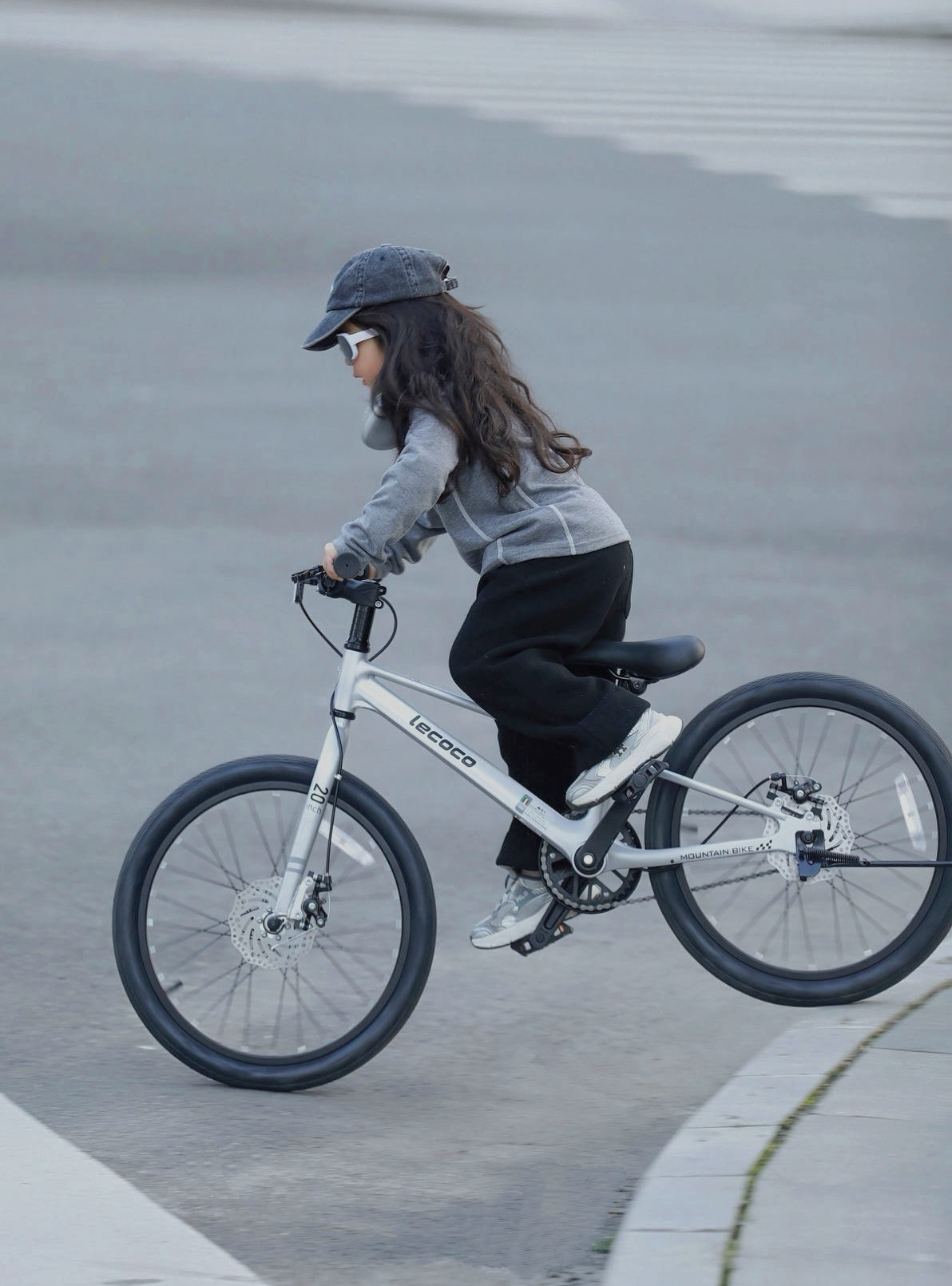
When parents shop for a kids bike, they often focus on color, size, or brand appeal. However, the single most important factor that determines whether a kids bike is truly high-quality is its frame design. A well-engineered frame shapes everything from how safely a child rides to how confidently they develop their cycling skills over time. Understanding why frame design matters so deeply can help parents make smarter, safer purchasing decisions.
A kids bike is not simply a scaled-down adult bicycle. Children have different physical proportions, strength levels, and motor coordination stages compared to adults. This means every element of a kids bike frame must be intentionally designed around the unique biomechanics of a growing child. From tube geometry to material selection, each decision in the frame design process directly impacts a child's ability to handle, control, and enjoy their kids bike safely and consistently.
How Frame Geometry Shapes Riding Control
The Role of Standover Height and Reach
Frame geometry determines how a child sits on and interacts with a kids bike. Two of the most critical measurements are standover height and reach. Standover height refers to the clearance between the top tube and the ground, which directly affects whether a child can plant their feet firmly when stopping. A kids bike with proper standover height gives young riders the confidence to stop safely without tipping over. Reach, on the other hand, determines how far forward a child must stretch to hold the handlebars. An overstretched riding position strains small shoulders and arms, leading to fatigue and reduced control over the kids bike.
A correctly proportioned kids bike frame keeps children in a natural, upright posture. This posture supports better balance, stronger steering input, and greater overall comfort during longer rides. When a kids bike frame is too large or poorly proportioned, children compensate with awkward body positions that increase their risk of falling. High-quality kids bike manufacturers invest significant effort in dialing in geometry that suits specific age ranges and height brackets, ensuring every kids bike in their lineup fits its intended rider accurately.
Bottom Bracket Height and Stability
Another geometry factor that profoundly influences a kids bike is the bottom bracket height. This measurement affects the center of gravity of the kids bike. A lower bottom bracket height lowers the bike's center of gravity, which improves lateral stability and makes it much easier for a child to balance during slow-speed maneuvers. For beginner riders especially, a well-placed bottom bracket in a kids bike frame can be the difference between early confidence and repeated frustration. Experienced kids bike designers use bottom bracket height as a key tuning parameter when building frames for younger age groups.
Material Selection and Its Impact on a Kids Bike
Why Frame Material Matters for Young Riders
The material used to construct a kids bike frame determines its weight, durability, and vibration characteristics. Steel frames are heavy and durable, but their weight can make a kids bike difficult for young children to maneuver, especially when starting or stopping. Aluminum frames offer a lighter alternative that reduces the overall weight of a kids bike without sacrificing structural integrity. However, the most advanced material increasingly seen in premium kids bike products is magnesium alloy. A magnesium alloy kids bike frame is significantly lighter than both steel and aluminum equivalents while maintaining excellent impact resistance.
Weight matters enormously in a kids bike because children's strength is limited. When a kids bike is too heavy relative to the child's body weight, the rider loses fine motor control over steering and braking. Studies within the cycling industry consistently show that a kids bike should weigh no more than roughly 40 percent of the child's body weight to allow safe handling. A lightweight kids bike frame made from advanced materials empowers children to focus on developing riding technique rather than fighting against an unwieldy machine. This is why high-quality kids bike brands prioritize material engineering as a primary frame design criterion.
Weld Quality and Structural Integrity
Beyond raw material, the quality of welds and joints in a kids bike frame defines how well the frame holds up under real-world riding conditions. Children are not gentle with their bikes. A kids bike endures constant impacts from curbs, rough trails, and the occasional crash. Poorly welded joints in a kids bike frame can develop stress fractures over time, compromising both the structural integrity of the bike and the safety of the rider. High-quality kids bike frames feature clean, consistent welds that distribute stress evenly across the frame structure, extending the service life of the kids bike significantly.

Frame Design and Long-Term Developmental Benefits
Building Rider Confidence Through Proper Frame Fit
A kids bike that fits well because of thoughtful frame design does more than prevent accidents. It actively builds a child's riding confidence. When a child feels in control of their kids bike, they are more likely to practice, take on gentle challenges, and progress through skill levels naturally. Poor frame design creates a kids bike that feels unstable or awkward, which discourages continued riding. Parents frequently report that switching a child to a properly designed kids bike produces almost immediate improvements in balance, speed, and enthusiasm. Frame design is therefore not just a safety issue but a developmental one.
Adaptability and Adjustability in Frame Design
High-quality kids bike frames are designed to allow meaningful adjustability in saddle height and sometimes handlebar height. This adjustability extends the usable lifespan of a kids bike as a child grows. A kids bike that can grow with the rider for one or two seasons represents significantly better value than one that becomes too small within a few months. Frame designers who build this adjustability into a kids bike structure understand the economics of family purchasing decisions. The ability to fine-tune fit on a kids bike also means the frame remains ergonomically appropriate throughout different growth stages, maintaining the safety and comfort benefits of the original design.
FAQ
What makes a kids bike frame high-quality?
A high-quality kids bike frame combines accurate geometry for the target age group, lightweight materials such as aluminum or magnesium alloy, consistent weld quality, and thoughtful adjustability. Together these factors ensure the kids bike is safe, comfortable, and durable for daily riding.
How does frame weight affect a kids bike performance?
Frame weight directly affects how easily a child can control a kids bike. A lighter kids bike frame reduces physical effort and improves steering precision, braking response, and overall rider confidence. Children on appropriately lightweight kids bike models learn faster and ride more safely than those on heavier alternatives.
At what age should frame design be a priority when choosing a kids bike?
Frame design should be a priority from the very first kids bike a child rides. Even balance bikes for toddlers benefit from proper geometry and material choices. As children move into pedal-assist and full-pedal kids bike models, the importance of frame design continues to grow alongside their speed, strength, and terrain ambitions.