
 EN
EN



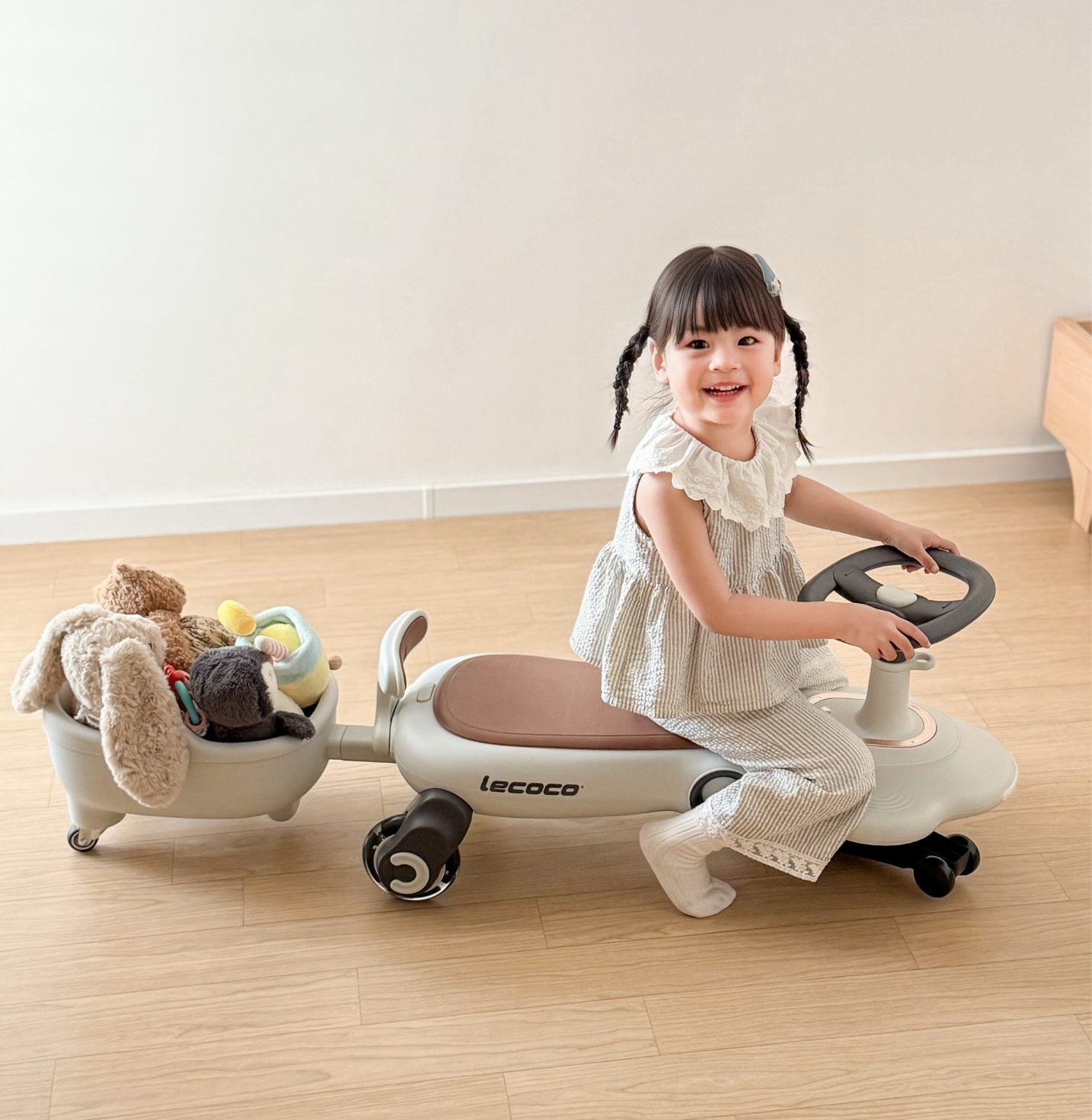
A wiggle car has become one of the most popular ride-on toys for young children, and for good reason. Unlike traditional scooters or bikes, a wiggle car is designed to move through a child's natural body movement, eliminating the need for pedaling or pushing off the ground. This unique mechanism makes the wiggle car a standout choice for parents who want engaging play without unnecessary injury exposure.
Understanding how a wiggle car reduces injury risks during early play requires a closer look at its structural design, the way children interact with it, and the developmental benefits it supports. When a child rides a wiggle car, the body learns coordination, balance, and spatial awareness in a way that feels natural and fun. The wiggle car accomplishes all of this while keeping injury risk remarkably low compared to many other ride-on alternatives.
The Physical Design of a Wiggle Car and Injury Prevention
Low Center of Gravity Keeps Children Safe
One of the most important safety features of any wiggle car is its low-profile design. The seat of a wiggle car sits very close to the ground, which means that if a child loses control or tips, the fall distance is minimal. This low center of gravity is a deliberate engineering choice that directly reduces the severity of any potential impact. Because the wiggle car sits low, young children feel confident and stable while riding, which also reduces panic-driven movements that often cause accidents.
The wide wheel base of a typical wiggle car further enhances stability. A wiggle car does not wobble or tilt like a two-wheeled bike might. The four-wheel configuration of most wiggle car designs distributes the child's weight evenly, making unexpected falls far less likely during active play sessions.
No Pedals Means No Entanglement Hazards
Traditional ride-on toys with pedals introduce several hazard points, including foot entanglement, ankle strain, and the risk of jamming toes. A wiggle car removes these concerns entirely. The child steers the wiggle car by rotating the handlebar left and right, which generates forward momentum through a gentle swinging motion. There are no exposed mechanical parts that a small foot or hand could get caught in. This pedal-free design is one of the most practical ways the wiggle car keeps early play injury-free.
How a Wiggle Car Develops Safe Motor Skills
Encouraging Controlled Movement Patterns
A wiggle car does more than just move a child from one place to another. It actively trains the body to use coordinated, controlled movements. When a child steers a wiggle car, they engage their core muscles, arms, and torso in a rhythmic pattern. This whole-body engagement helps build strength progressively, which means the child's body is better prepared to handle balance challenges as they grow. The wiggle car essentially teaches safe movement habits by making coordination a natural part of play.
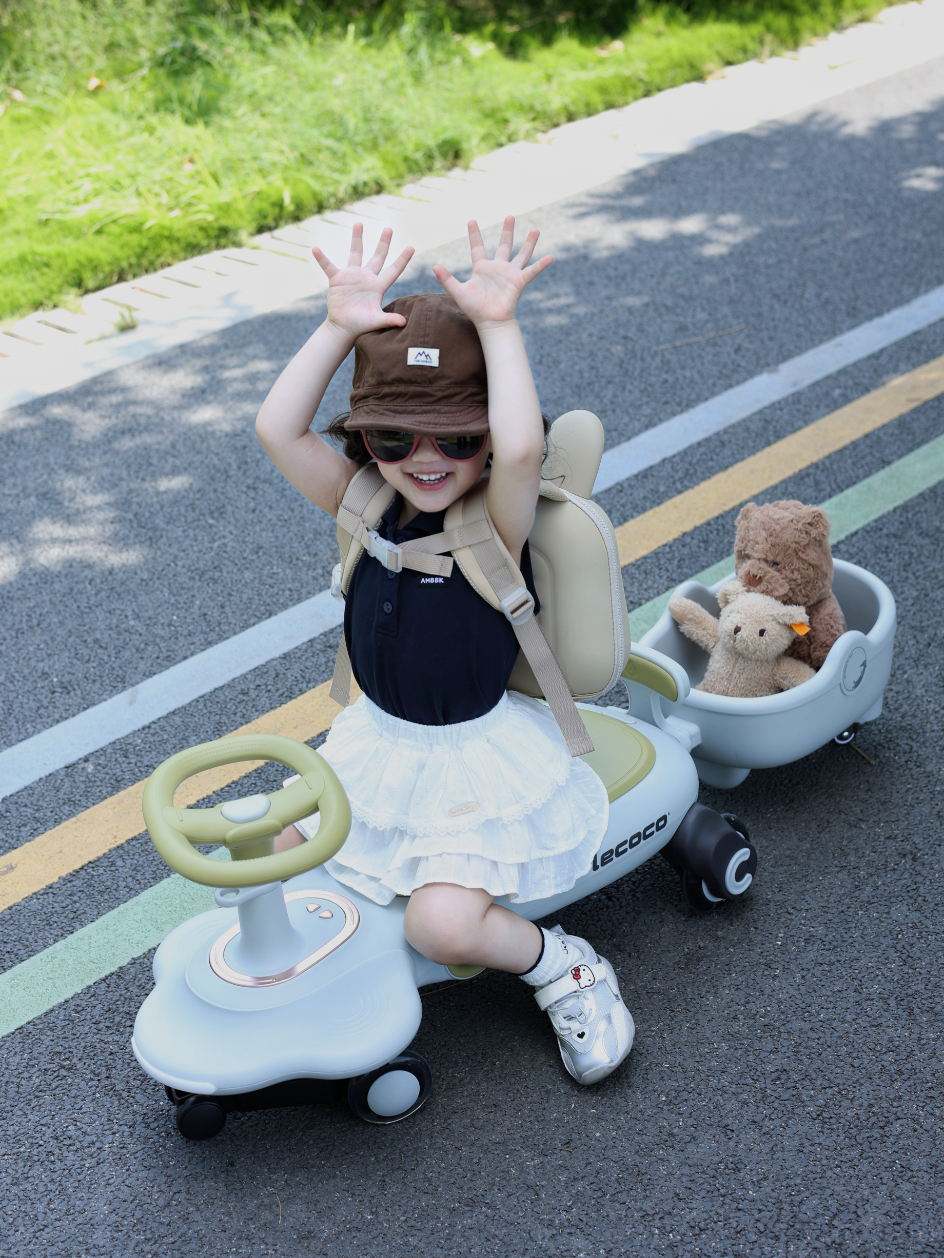
Unlike fast-moving or unpredictable toys, the wiggle car moves at a speed determined entirely by the child's own physical effort. This self-regulating speed feature means that a young child on a wiggle car cannot inadvertently accelerate into dangerous territory. The wiggle car naturally caps its speed based on how much energy the child puts in, which is a significant built-in safety advantage during early play.
Building Spatial Awareness to Avoid Collisions
Riding a wiggle car helps children develop spatial awareness far earlier than many other activities. As the child steers the wiggle car around objects, people, and open spaces, they begin learning instinctively how their body and the wiggle car occupy space. This awareness reduces the likelihood of collisions during play, both on the wiggle car and in other physical activities. The wiggle car essentially trains the child's brain and body to navigate the environment safely, which has long-term injury-prevention benefits beyond the toy itself.
Environmental and Supervision Factors for Wiggle Car Safety
Choosing the Right Surface for a Wiggle Car
While the wiggle car is designed to be safe, the environment in which it is used matters greatly. A wiggle car performs best on smooth, flat surfaces such as indoor floors, patios, or gentle outdoor paths. Rough terrain, steep slopes, or heavily textured surfaces can reduce the stability of a wiggle car and introduce unnecessary risks. Parents who ensure that the wiggle car is used on appropriate surfaces will find that the toy performs at its safest and most enjoyable level consistently.
It is also worth noting that the wiggle car is not designed for use near stairs, curbs, or elevated surfaces. Positioning the wiggle car in a defined play zone gives children the freedom to enjoy the toy while keeping the physical environment predictable and controlled. A simple boundary approach dramatically reduces the chance of any incident involving the wiggle car.
Parental Involvement Enhances the Wiggle Car Experience
Active parental supervision during wiggle car sessions allows adults to intervene early if a child begins using the wiggle car in an unsafe way. Some models of the wiggle car are designed specifically with parent-child interaction in mind, offering features that let parents guide or gently control the ride. This interactive design makes the wiggle car not just a toy but a shared experience that builds trust, communication, and safe play habits between parent and child. When parents are involved, the wiggle car becomes a tool for both physical development and emotional bonding.
Wearing appropriate protective gear such as a helmet and knee pads while using a wiggle car is always a good practice, particularly for younger or more adventurous children. Although the wiggle car is among the safest ride-on options available, basic protective habits taught early carry over to all future physical activities.
FAQ
At what age is a wiggle car appropriate for a child?
Most wiggle car models are designed for children aged two to five years old, though some larger designs accommodate older children. It is important to check the specific weight and age recommendations of the wiggle car model you choose to ensure a proper and safe fit for your child.
Can a wiggle car be used indoors safely?
Yes, a wiggle car is well suited for indoor use on smooth flooring. Because the wiggle car moves through gentle body rotation rather than high-speed pedaling, it is controllable and unlikely to cause damage to indoor surfaces or furniture when used in an open area with adequate space.
Does riding a wiggle car help with long-term physical development?
Riding a wiggle car regularly supports core muscle development, balance, and coordination in young children. These foundational physical skills gained from wiggle car play contribute to better body control, which helps reduce injury risks in other sports and physical activities as the child grows.