
 EN
EN



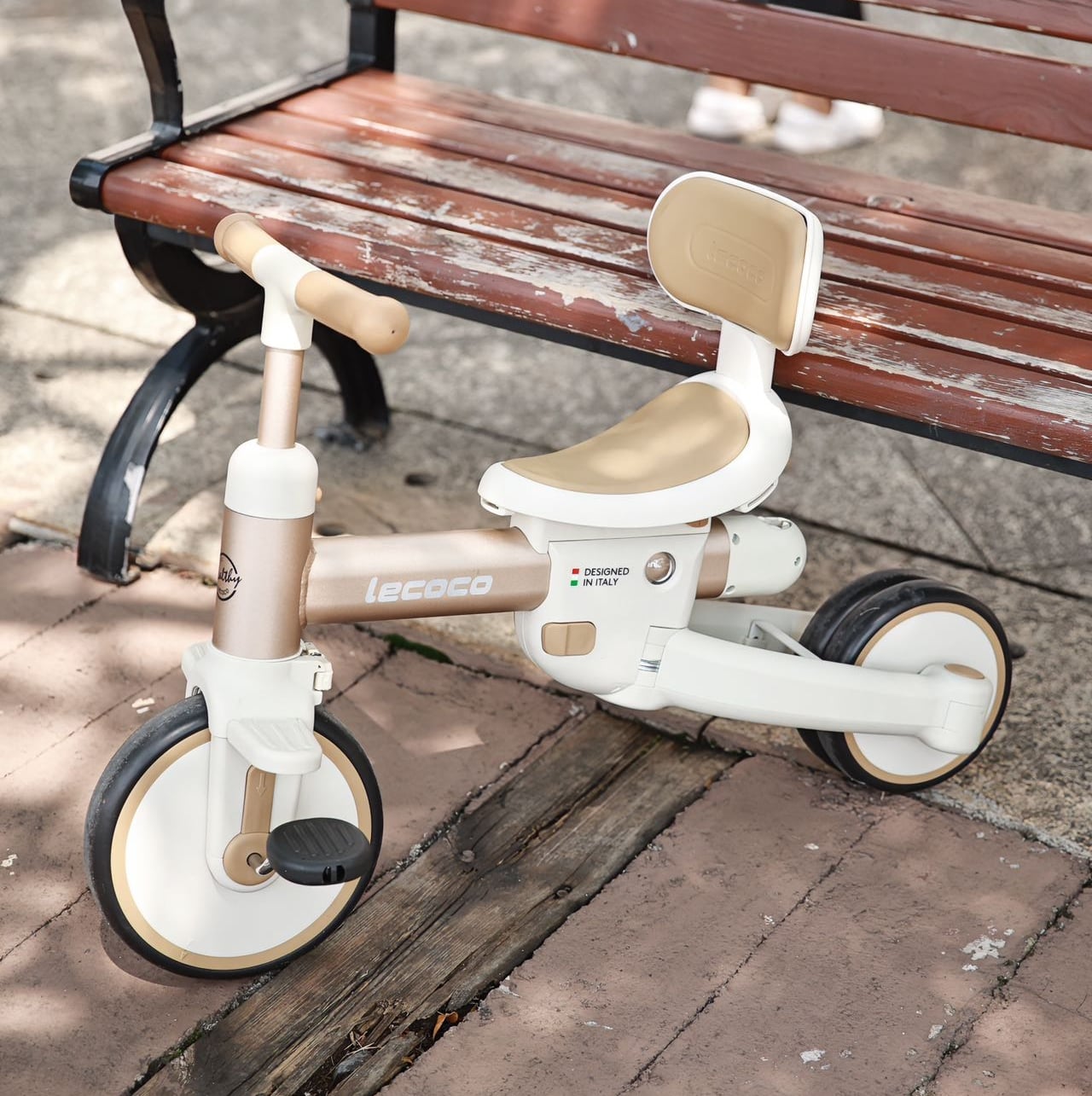
Choosing the right ride-on toy for a young child is one of the most meaningful decisions a parent can make. A tricycle stands out as one of the most versatile tools available for early childhood development. Unlike simple push toys or passive play equipment, a tricycle actively engages a child's body, mind, and sense of adventure all at once. Understanding how a tricycle achieves this balance helps parents make a confident, informed choice.
A well-designed tricycle does far more than give a child something to ride. It serves as a platform for physical coordination, cognitive engagement, and joyful exploration. From the first time a toddler climbs onto a tricycle to the moment they confidently pedal on their own, every stage of the tricycle experience contributes to meaningful development. This article explores exactly how a tricycle manages to combine fun, stability, and learning in a single, thoughtfully engineered product.
The Role of Fun in Tricycle Design
Engagement Through Motion and Play
Fun is not a secondary feature of a tricycle — it is the primary motivator that keeps a child coming back. When a child finds a tricycle genuinely enjoyable, they spend more time on it, which naturally leads to greater developmental benefits. A tricycle that feels exciting and rewarding encourages the kind of sustained, self-directed play that experts recognize as essential for early childhood growth. The motion of riding a tricycle, the sense of speed, and the freedom of navigation all contribute to a deeply satisfying play experience.
Modern tricycle designs incorporate features that enhance the fun factor without compromising safety. Bright colors, smooth-rolling wheels, and responsive steering make a tricycle feel alive and responsive under a child's hands and feet. When a tricycle moves the way a child expects it to, confidence builds quickly, and the child becomes more willing to explore new environments and challenges. The emotional reward of controlling a tricycle independently is a powerful driver of continued engagement.
Social and Imaginative Play on a Tricycle
A tricycle also opens the door to social and imaginative play. Children use a tricycle as a vehicle for storytelling, role play, and interaction with peers. Whether pretending to be on a delivery route, racing a friend, or simply following a sibling around the yard, a tricycle becomes a social prop that enriches the play environment. This kind of imaginative use of a tricycle supports language development, empathy, and cooperative thinking alongside the physical benefits.
How a Tricycle Supports Physical Stability
Three-Wheel Design and Natural Balance Support
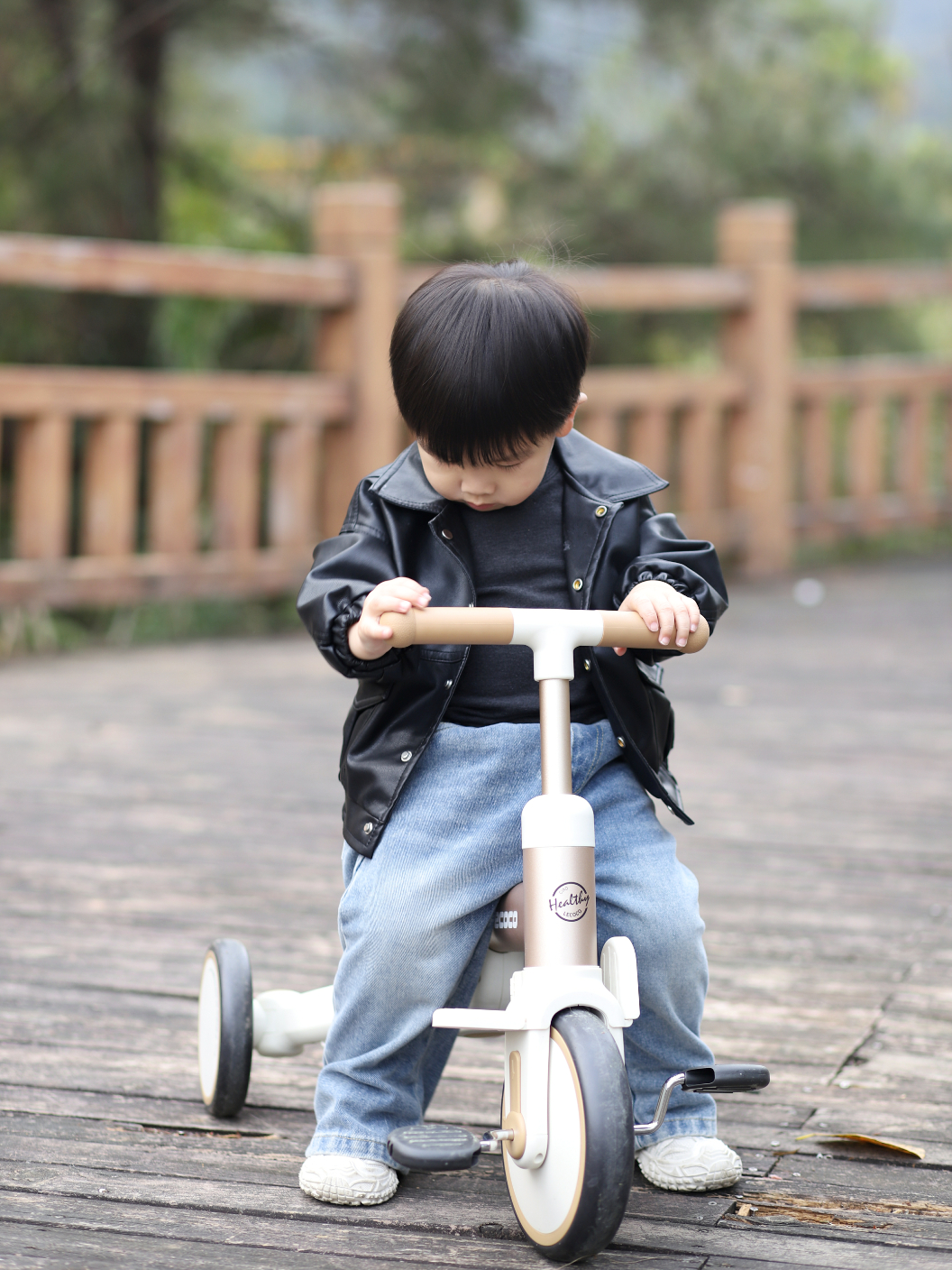
The fundamental reason a tricycle is so appropriate for young children is its three-wheel configuration. Unlike a bicycle, a tricycle provides a stable base that does not require the child to actively balance. This means a toddler or young child can focus entirely on steering and pedaling rather than fighting to stay upright. The tricycle's inherent stability removes a major barrier to early mobility, allowing children to participate in active outdoor play much sooner than they otherwise could.
A quality tricycle is engineered with a low center of gravity, which further reduces the risk of tipping. The wide rear axle of a well-built tricycle distributes the child's weight evenly, making the tricycle highly resistant to lateral falls. Parents can feel genuinely confident allowing a young child to ride a tricycle independently, knowing that the tricycle's design itself provides a meaningful layer of physical protection. This built-in safety makes the tricycle an ideal first vehicle for children between the ages of one and five.
Parent-Assist Features on a Modern Tricycle
Many contemporary tricycle models include a parent push handle, which allows a caregiver to guide the tricycle while the child rides. This parent-assist feature makes the tricycle useful even before a child has the leg strength or coordination to pedal independently. The adult steers the tricycle while the child begins to understand how riding feels, building body awareness and spatial orientation gradually. As the child grows, the parent slowly transfers control, and the tricycle becomes fully child-operated. This staged approach to tricycle use is one of its greatest practical strengths.
Learning Outcomes Delivered by a Tricycle
Motor Skills and Coordination Through Tricycle Riding
Riding a tricycle is a rich physical learning experience. Every tricycle session requires a child to coordinate bilateral leg movement, develop core muscle strength, and refine hand-eye coordination through steering. The repetitive motion of pedaling a tricycle builds gross motor skills that are foundational for later activities including running, climbing, and eventually riding a bicycle. A tricycle creates the ideal environment for this motor development because it provides enough challenge to stimulate growth without creating frustration or risk.
Spatial awareness is another key learning outcome associated with tricycle use. As a child steers a tricycle around obstacles, through narrow paths, and along curved routes, they are developing an intuitive sense of space, distance, and direction. These are cognitive skills with lasting benefits, and the tricycle provides a natural, enjoyable context in which to develop them. Regular tricycle use translates into stronger spatial reasoning that supports academic learning in later years.
Confidence and Independence Through Tricycle Mastery
Perhaps the most significant learning outcome of tricycle riding is the development of self-confidence. Each time a child successfully steers a tricycle through a new challenge, they experience a moment of genuine achievement. The tricycle becomes a tool through which a child learns that effort leads to mastery. This lesson, absorbed through tricycle play, carries over into other areas of learning and problem-solving. A child who has mastered a tricycle understands at a deep level that persistence and practice produce results.
The independence that comes from controlling a tricycle is equally important. A child who can navigate their environment on a tricycle feels capable and autonomous. This sense of agency on a tricycle contributes directly to emotional resilience and a positive self-image, both of which are foundational to healthy development throughout childhood.
FAQ
At what age should a child start using a tricycle?
Most children are ready to begin exploring a tricycle between the ages of one and two, especially if the tricycle includes a parent-assist handle. Full independent pedaling on a tricycle typically develops between ages two and four, depending on the child's physical development and prior experience with ride-on toys.
How do I choose the right tricycle for my child?
Look for a tricycle with an adjustable seat, a stable three-wheel base, and a low center of gravity. A tricycle with a parent push handle is especially valuable for younger children. Choose a tricycle made from durable, non-toxic materials with smooth steering and reliable braking to ensure safety during early riding experiences.
How does a tricycle differ from a balance bike in terms of learning?
A tricycle teaches pedaling, steering, and coordination simultaneously within a stable, self-supporting frame. A balance bike focuses specifically on balance and steering without pedals. Both tools support development, but a tricycle offers a broader range of motor skill development and is particularly effective for younger toddlers who benefit from the inherent stability a tricycle provides.