
 EN
EN



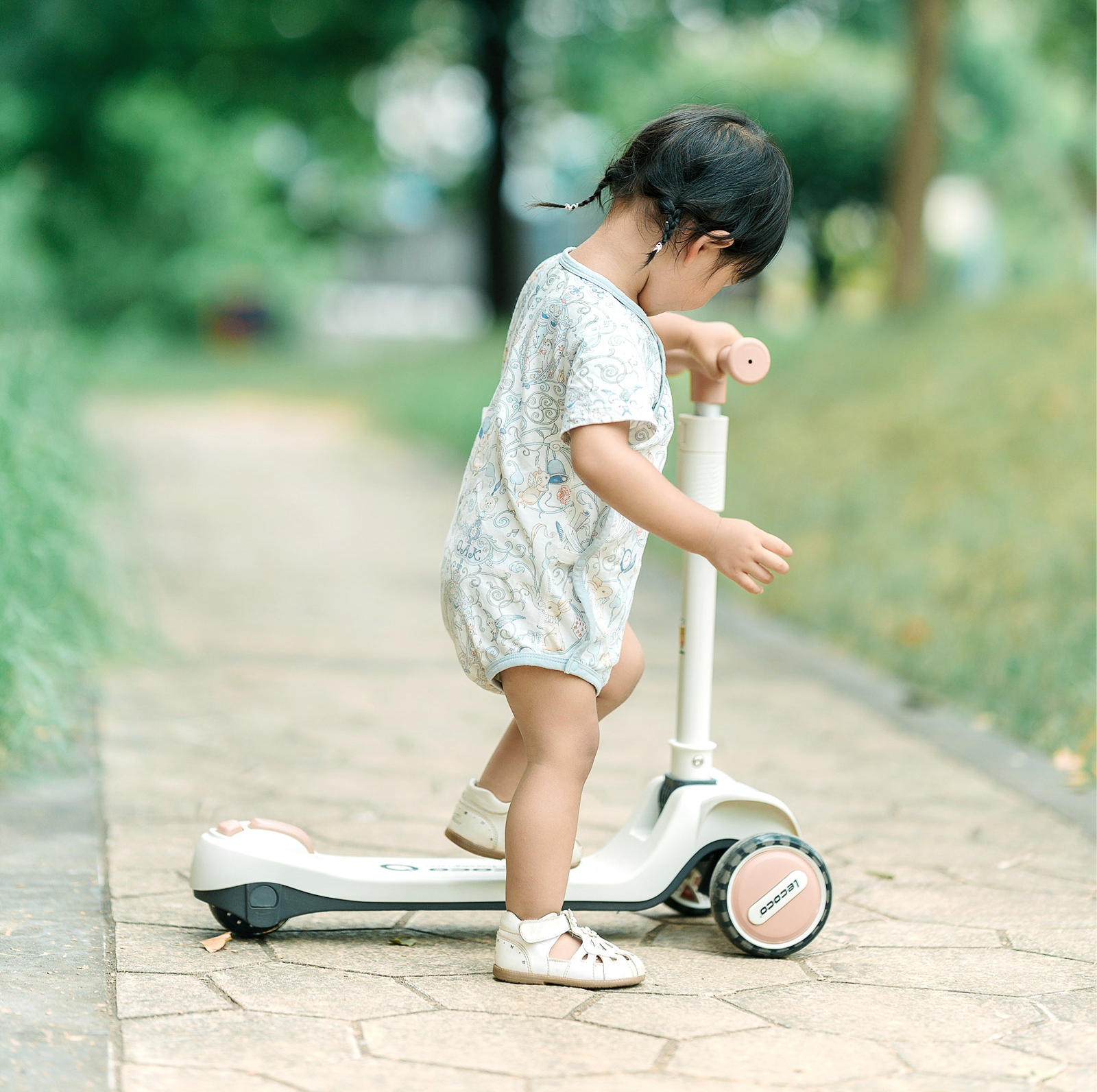
Choosing the right kids scooter is about far more than color or brand appeal. The physical design of a kids scooter directly determines how easily a child can steer, balance, brake, and ride with confidence. Parents who understand which design features matter most will make smarter purchasing decisions and help their children develop riding skills faster. A well-designed kids scooter reduces frustration, lowers the risk of falls, and keeps young riders engaged for longer sessions.
Every kids scooter on the market looks different, but the best ones share a core set of engineering principles that prioritize control over everything else. Whether your child is a beginner stepping onto a kids scooter for the first time or a more experienced rider looking to improve technique, design elements such as handlebar adjustability, deck dimensions, wheel size, and braking systems all play a critical role. This article breaks down the most important design features that make a kids scooter genuinely easy to control, so you can evaluate options with clarity and purpose.
Handlebar and Steering Design
Adjustable Handlebar Height
One of the single most important features on any kids scooter is the height of the handlebars. A kids scooter with handlebars set too low forces a child to hunch forward, shifting weight toward the front and making steering unpredictable. Handlebars set too high create tension in the arms and reduce the child's ability to respond quickly to changes in direction. The ideal kids scooter offers multi-level adjustable handlebars that can be set precisely to a child's current height and then raised as they grow. This adjustability ensures that the kids scooter remains ergonomically correct across multiple years of use, maintaining consistently comfortable and controlled steering at every stage.
T-Bar Handlebar Shape and Grip Width
The shape and width of the handlebar also affects how naturally a child can grip and steer a kids scooter. A T-bar handlebar is the standard and most effective design for a kids scooter because it distributes steering force evenly across both hands. Grips that are too narrow force the wrists into an unnatural angle, while grips that are excessively wide strain smaller hands. For a kids scooter intended for younger riders, grip width should match the average span of a child's outstretched hands. Soft, non-slip rubber grip material also ensures that a kids scooter stays firmly in hand even during active outdoor riding sessions.
Deck and Foot Placement Design
Deck Width and Surface Texture
The deck of a kids scooter is the platform where a child plants their primary riding foot, and its design has a direct impact on balance and control. A kids scooter deck that is too narrow gives the foot too little surface area to rest comfortably, increasing wobble and reducing stability. A deck that is appropriately wide allows a child to place their foot naturally without overreaching, which keeps body weight centered directly over the kids scooter frame. Surface texture is equally important — a kids scooter deck finished with anti-slip grip tape or a textured surface prevents the foot from sliding forward during acceleration or sudden stops. Without sufficient grip, even a well-proportioned kids scooter becomes difficult to control reliably.
Deck Height from the Ground
Deck height on a kids scooter affects how easily a child can push off and how quickly they can put a foot down for balance recovery. A kids scooter with a very low deck gives younger children easier access and faster braking response with their foot, which is ideal for beginners. As children develop more confidence and riding skill, a slightly elevated deck on a kids scooter can still be manageable if the braking system is reliable. For most young riders, a low-to-ground deck design makes the kids scooter feel more stable and approachable from the very first ride.
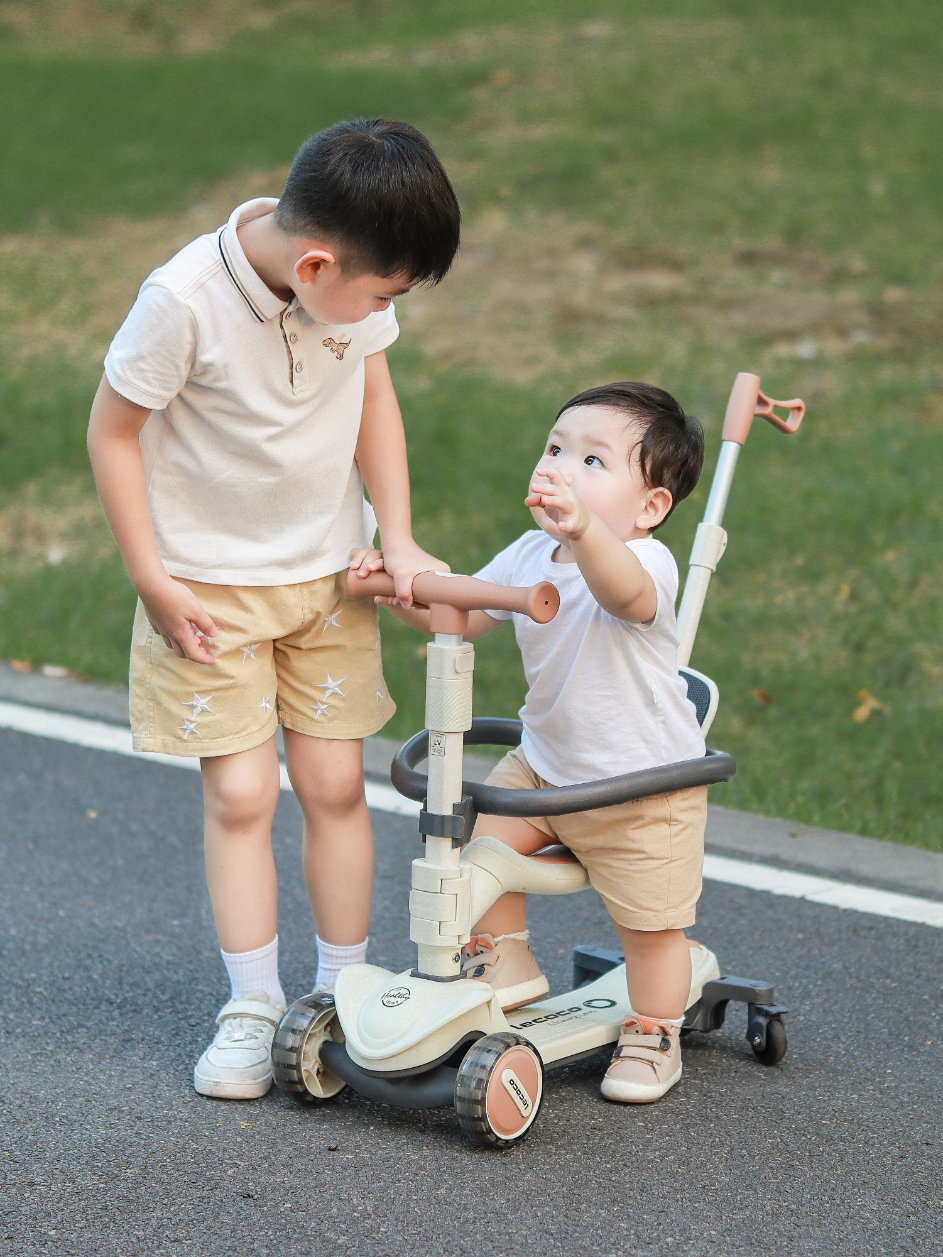
Wheel Size, Weight, and Brake Systems
Wheel Diameter and Material
Wheel design plays a major role in how smoothly and predictably a kids scooter travels across different surfaces. Larger wheels on a kids scooter roll over small bumps and cracks more easily, delivering a smoother ride and reducing the risk of sudden jolts that can throw a child off balance. Smaller wheels make a kids scooter more agile and responsive to directional changes, which suits riders who prefer quick turns in confined spaces. Most quality kids scooter models use polyurethane (PU) wheels because they offer a good combination of grip, shock absorption, and durability. A kids scooter fitted with hard plastic wheels will transmit much more vibration through the deck, making control noticeably harder on uneven pavement.
Overall Weight and Brake Placement
The total weight of a kids scooter matters significantly for control, especially for younger or smaller children. A heavy kids scooter is difficult to steer, lift, and maneuver, which discourages confident riding. Lightweight aluminum or reinforced plastic frames keep the kids scooter manageable without sacrificing structural integrity. Equally important is the rear fender brake, which is the most common braking mechanism on a kids scooter for younger age groups. A well-positioned rear fender brake allows a child to stop the kids scooter by pressing down with the heel of their rear foot — a natural, intuitive motion that requires minimal training. The brake should offer smooth, progressive resistance rather than locking up suddenly, so the child maintains steering control throughout the stop.
FAQ
What age is a kids scooter with adjustable handlebars best suited for?
A kids scooter with adjustable handlebars is most beneficial for children between the ages of three and ten. During this period, children grow rapidly, and an adjustable kids scooter can be reconfigured to maintain the correct ergonomic riding position year after year, making it a practical long-term investment.
How do I know if a kids scooter deck is the right size for my child?
A properly sized kids scooter deck allows your child to place their dominant foot flat on the surface with a small margin of space on either side. If the deck feels cramped or your child's foot overhangs significantly, the kids scooter deck may be too narrow or too short for comfortable, controlled riding.
Is a lightweight kids scooter always safer than a heavier one?
Not always, but for most children a lightweight kids scooter is easier to control and recover from unexpected movements. A kids scooter that is too heavy can cause fatigue and reduce a child's ability to steer or stop effectively. However, the frame must still be structurally sound — a kids scooter should be light without being fragile, as durability directly supports riding safety.