
 EN
EN



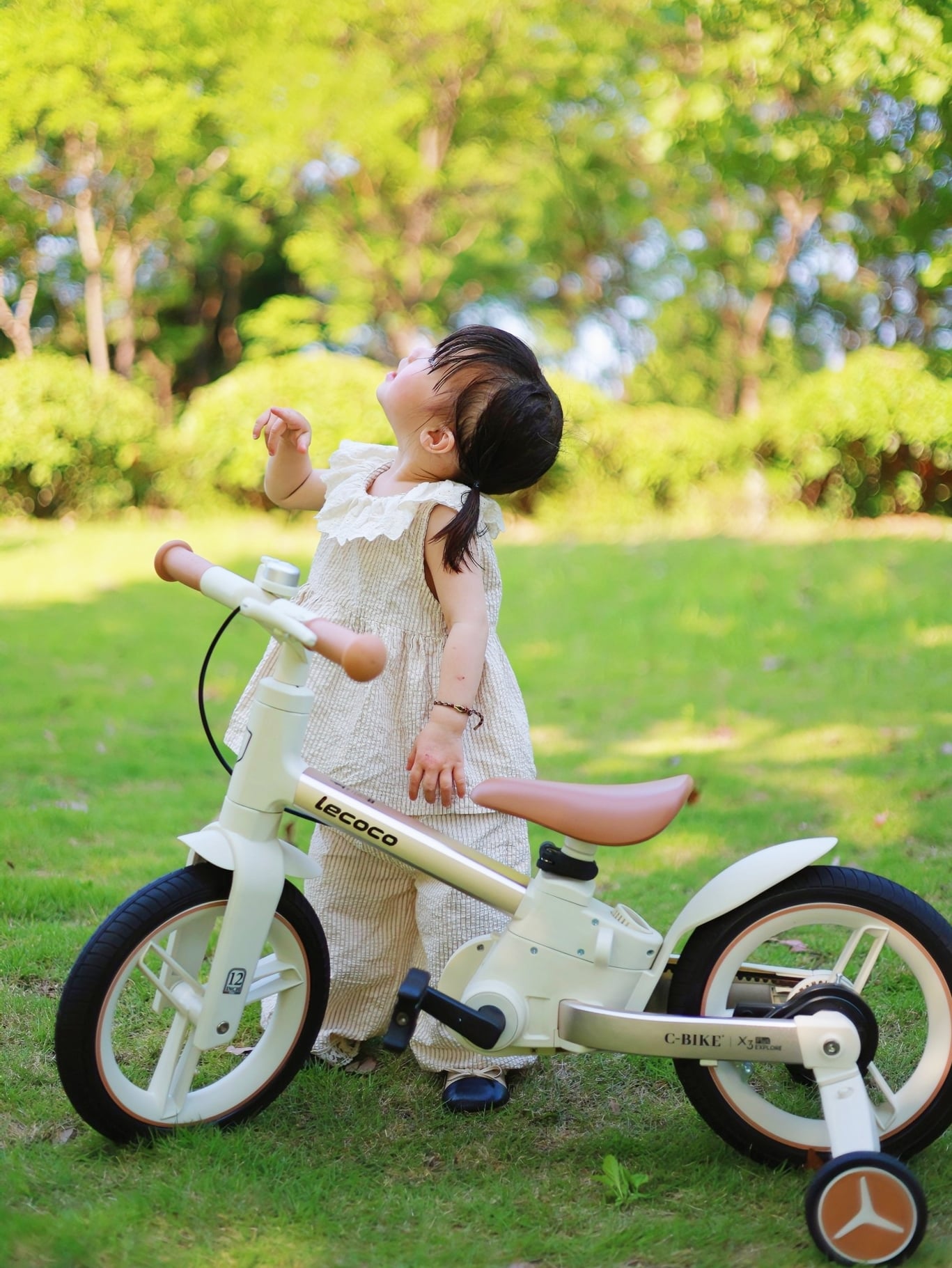
A multi-functional bicycle is one of the most thoughtful investments a parent can make for a growing child. Unlike a standard single-purpose bike, a multi-functional bicycle is engineered to evolve alongside the child, accommodating the physical, cognitive, and confidence-related changes that occur across different riding stages. This adaptability makes the multi-functional bicycle a practical and cost-efficient choice for families who want consistent riding support without purchasing a new bike every year.
Understanding how a multi-functional bicycle adapts to childhood riding stages requires looking at the progression children naturally go through — from the earliest days of seated balance exploration, to the exciting moment of independent pedaling, and finally to the confident, coordinated riding of a school-age child. Each transition is supported by features built directly into a quality multi-functional bicycle, making the experience smoother and safer for both child and parent.
The Foundation Stage: Balance and Body Awareness
How a Multi-Functional Bicycle Supports Early Balance Development
In the earliest riding stage, typically for toddlers between one and three years old, a multi-functional bicycle functions as a balance trainer. During this phase, the pedals and drivetrain components are either removed or locked, allowing the child to use their feet to propel and stabilize themselves. This configuration of the multi-functional bicycle closely mirrors the proven balance bike concept, which research in child motor development consistently supports as the most effective starting point for young riders.
The multi-functional bicycle at this stage features a low seat height that allows the child to place both feet flat on the ground with ease. A lightweight frame is critical here, as toddlers have limited strength and need to feel in control. A well-designed multi-functional bicycle ensures that the steering geometry provides gentle, predictable responses, reducing the risk of sudden turns that might startle or topple a beginner. Adjustable seat posts on a multi-functional bicycle also mean the bike grows with the child rather than becoming obsolete after a single growth spurt.
Building Confidence Through Gradual Progression
Confidence is the cornerstone of riding success, and the multi-functional bicycle addresses this directly. Because the child's first experiences on the multi-functional bicycle are low to the ground and foot-assisted, the risk of falls is significantly reduced. This creates a positive emotional association with riding, which is essential before introducing pedals. Parents who start their child on a multi-functional bicycle in this configuration often report that the transition to powered pedaling happens faster and with far less frustration than with children who were placed directly onto a traditional training-wheel bicycle.
The Transition Stage: Introducing Pedal Power
Converting the Multi-Functional Bicycle Into a Pedal Bike
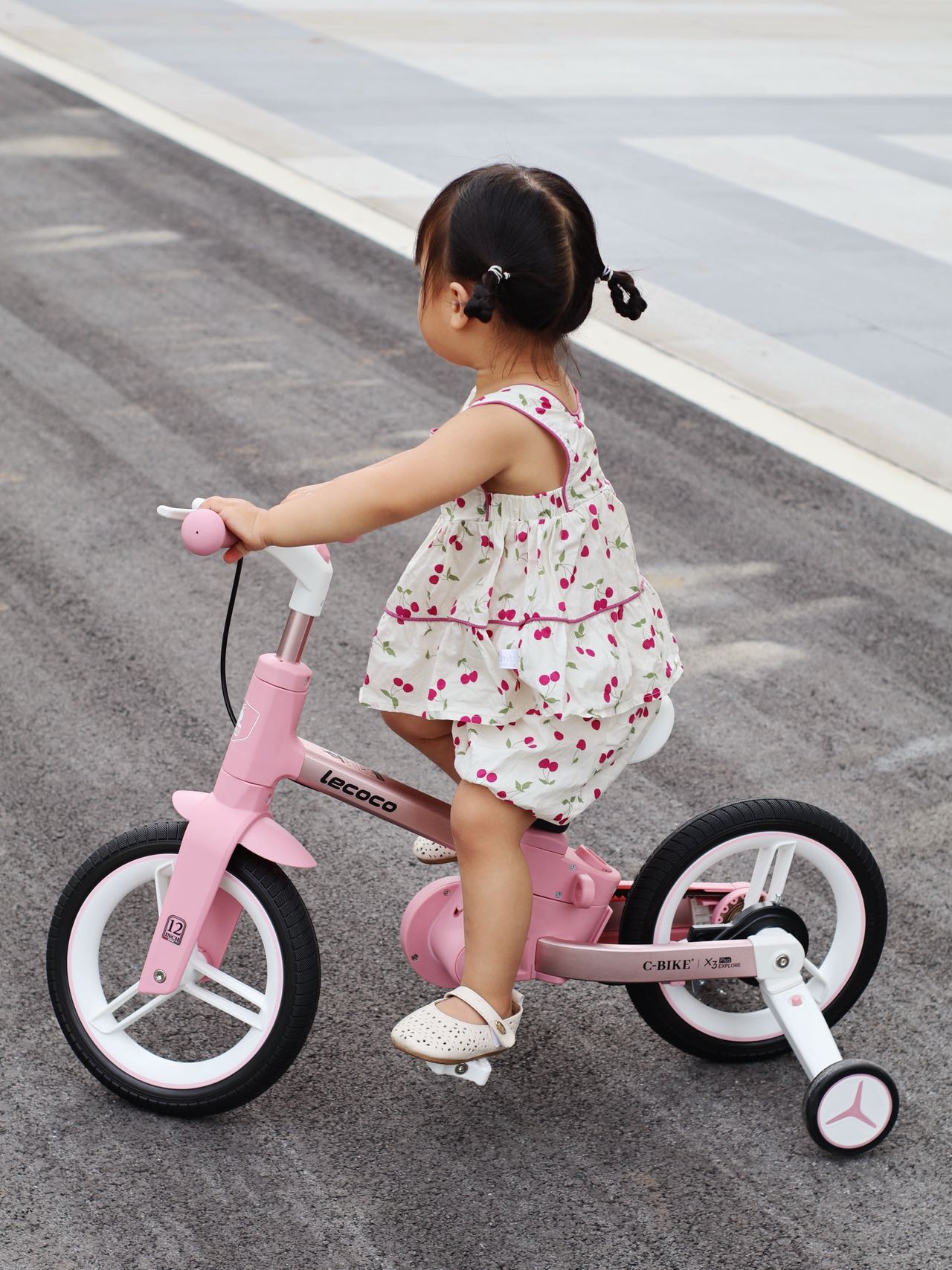
Once a child has mastered balance and can glide confidently with feet lifted off the ground, the multi-functional bicycle transitions into a fully functional pedal bike. This conversion is one of the defining advantages of a multi-functional bicycle — it does not require purchasing a separate vehicle. The pedal cranks, which were stored or locked during the balance phase, are now engaged, and the child can experience genuine propulsion through pedaling for the first time.
A belt drive system, commonly found in premium versions of the multi-functional bicycle, offers a particularly smooth and quiet pedaling experience during this transition. Unlike a chain, a belt drive on a multi-functional bicycle requires minimal maintenance and eliminates the risk of greasy chain marks on small hands and clothing. The drivetrain of a quality multi-functional bicycle is tuned to provide an appropriate resistance level for developing leg muscles, ensuring that the child feels a sense of achievement rather than exhaustion with each pedal stroke.
Footrest and Steering Adjustments That Matter
During the pedaling stage, a multi-functional bicycle also provides adjustable footrests and handlebar positions. As the child's arms and legs grow longer, the multi-functional bicycle can be reconfigured to maintain an ergonomic riding posture. Proper posture on the multi-functional bicycle prevents early fatigue, protects developing joints, and allows the child to sustain longer riding sessions, which accelerates overall skill development. These incremental adjustments are what make the multi-functional bicycle genuinely adaptive rather than simply adjustable in a cosmetic sense.
The Independent Riding Stage: Speed, Control, and Confidence
How the Multi-Functional Bicycle Supports Advanced Skill Building
By the time a child reaches the age of four to six, a multi-functional bicycle shifts its role once more — from a learning tool to a genuine recreational and commuting vehicle. At this stage, the child is coordinating balance, steering, and pedaling simultaneously, and the multi-functional bicycle must support increasingly dynamic riding. Features such as hand brakes, which may have been introduced in the previous stage, now become the primary stopping mechanism, teaching the child responsible and safe braking habits.
The multi-functional bicycle at this stage may also incorporate a rear footrest, enabling a parent or slightly older child to stand or assist during rides. Frame rigidity becomes more important as the child begins to ride on varied terrain, and a well-built multi-functional bicycle maintains its structural integrity across years of regular use. Parents seeking long-term value will find that a multi-functional bicycle designed for multiple stages consistently outperforms buying three or four separate bicycles over the same childhood period.
Why Design Quality Determines Long-Term Adaptability
Not every product marketed as a multi-functional bicycle delivers on the promise of true stage-by-stage adaptability. The quality of joints, the smoothness of conversion mechanisms, and the durability of the frame all determine whether the multi-functional bicycle genuinely serves a child through multiple years. A multi-functional bicycle with a robust belt drive, precisely calibrated geometry, and tool-friendly conversion points offers a fundamentally different experience from lower-quality alternatives. Investing in a well-engineered multi-functional bicycle from the start protects both the child's riding development and the family's long-term budget.
FAQ
At what age should a child start using a multi-functional bicycle?
Most children can begin using a multi-functional bicycle in its balance bike configuration as early as eighteen months to two years old, depending on individual physical development. The adjustable seat height on a quality multi-functional bicycle ensures a proper fit even for very young toddlers.
Does a multi-functional bicycle replace the need for training wheels?
Yes, a multi-functional bicycle effectively replaces the need for training wheels by teaching genuine balance from the very first stage. Children who learn on a multi-functional bicycle in balance mode typically transition to pedaling with better coordination and without developing the balancing dependency that training wheels can create.
How long can a child use a single multi-functional bicycle?
A high-quality multi-functional bicycle is designed to serve a child through five or more developmental stages, often covering ages one through six or even beyond. Because the multi-functional bicycle adapts through seat adjustments, pedal configurations, and handlebar positioning, it remains relevant and functional as the child grows rather than becoming outgrown quickly.