
 EN
EN



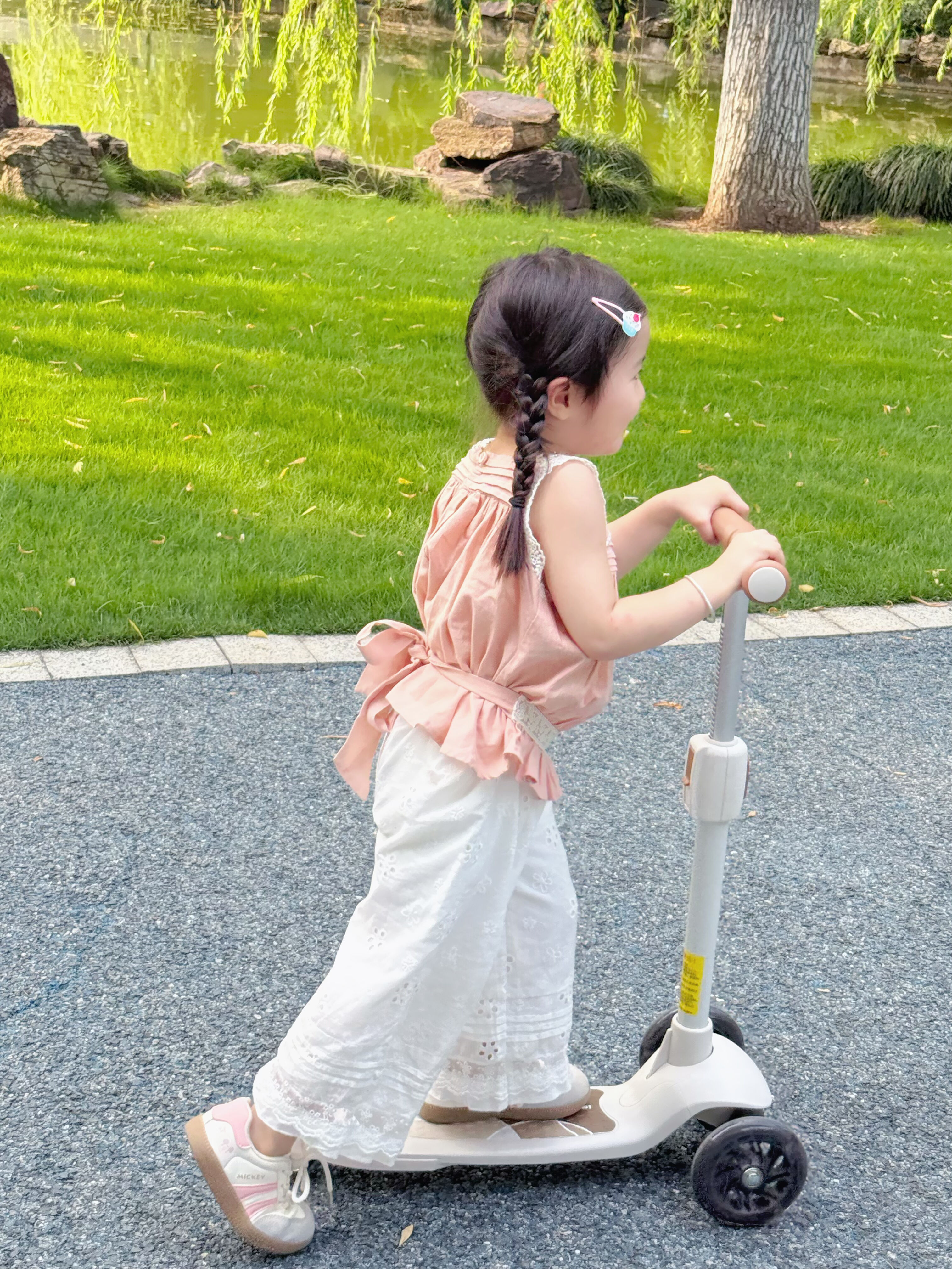
Parents and caregivers seeking meaningful ways to encourage physical activity in children consistently turn to outdoor play equipment that delivers both enjoyment and developmental benefits. Among the various options available, the scooter has emerged as a standout choice that bridges entertainment with skill-building in ways few other toys can match. This preference stems from a combination of factors including accessibility, versatility, developmental advantages, and the pure joy children experience when propelling themselves through outdoor spaces. Understanding why the scooter occupies such a prominent position in active play reveals insights into child development, outdoor recreation trends, and practical considerations that matter to families seeking quality play experiences.
The enduring popularity of the scooter reflects a broader recognition among parents, educators, and child development specialists that active outdoor play serves critical functions in childhood growth. Unlike sedentary entertainment options that dominate screen time, the scooter creates opportunities for cardiovascular exercise, balance refinement, spatial awareness development, and social interaction in natural settings. These multidimensional benefits explain why families invest in scooters and why children request them with such enthusiasm. The scooter represents more than a simple toy—it functions as a developmental tool that adapts to growing capabilities while maintaining engagement across different ages and skill levels.
Physical Development Benefits That Set Scooters Apart
Core Strength and Balance Cultivation
The physical demands of riding a scooter create exceptional opportunities for developing foundational motor skills that support lifelong physical competence. When children stand on a scooter deck and propel themselves forward, they engage core muscle groups responsible for stability and postural control. This activity requires continuous micro-adjustments in body position to maintain balance, strengthening the abdominal and back muscles that form the foundation for all movement patterns. Unlike passive riding toys, the scooter demands active participation in maintaining equilibrium, which translates to improved body awareness and control in other physical activities.
Balance development through scooter use follows a progressive pattern that matches natural skill acquisition stages. Beginning riders learn to stabilize themselves while stationary before attempting movement, gradually building confidence as their proprioceptive systems adapt to the unique challenge of single-platform balance. This learning process engages the vestibular system intensely, creating neural pathways that enhance overall coordination. The asymmetric nature of scooter riding, where one foot pushes while the other maintains platform contact, develops bilateral coordination and strengthens the distinction between dominant and non-dominant sides of the body.
Cardiovascular Fitness Through Engaging Activity
The aerobic benefits of scooter riding make it an exceptional choice for promoting cardiovascular health in children who might resist traditional exercise formats. Propelling a scooter requires repeated pushing motions that elevate heart rate and sustain physical effort over extended periods. Children naturally engage in interval training patterns during scooter play, alternating between bursts of speed and coasting periods that mirror effective cardiovascular conditioning protocols. This organic approach to fitness development occurs without the structured framework that many children find tedious, making the scooter an ideal vehicle for establishing positive associations with physical exertion.
The sustained nature of scooter activity differentiates it from many playground equipment options that involve brief bursts of movement followed by waiting periods. Children can maintain continuous motion for extended sessions, covering significant distances while building endurance and stamina. This extended engagement translates to meaningful calorie expenditure and metabolic activation that supports healthy weight management and cardiovascular system development. Parents frequently report that children willingly spend longer periods engaged in scooter play compared to other outdoor activities, making it particularly effective for meeting recommended daily physical activity guidelines.
Lower Body Strength and Coordination Enhancement
The pushing motion required for scooter propulsion creates targeted lower body conditioning that strengthens leg muscles and improves functional movement patterns. Each push engages the quadriceps, hamstrings, calf muscles, and hip flexors in coordinated sequences that build both strength and endurance. This repetitive action pattern develops muscular efficiency and neuromuscular coordination specific to dynamic movements. The varied terrain encountered during outdoor scooter riding adds resistance variation that challenges muscles differently than flat-surface activity, creating comprehensive lower body development.
Ankle stability receives particular benefit from scooter use as children learn to control their pushing foot through complete range-of-motion cycles while maintaining precise contact with ground surfaces. This ankle conditioning proves valuable for preventing injuries in other sports and activities while improving overall athletic capability. The alternating nature of scooter riding, where children typically switch pushing legs periodically, ensures balanced development across both sides of the body rather than creating strength asymmetries that can result from single-sided activities.
Psychological and Social Advantages of Scooter Play
Independence and Confidence Building
The scooter serves as a powerful tool for fostering independence and self-efficacy in children navigating the transition from wholly dependent activities to self-directed exploration. Mastering scooter skills provides tangible evidence of growing capability that children can recognize and take pride in, creating positive feedback loops that encourage continued skill development. The progressive nature of scooter competence, from initial wobbly attempts to confident maneuvering, offers clear milestones that mark developmental progress. This visible advancement builds self-confidence that extends beyond the specific skill of riding, influencing how children approach other learning challenges.
The mobility afforded by scooter proficiency expands children's environmental range and sense of autonomy within supervised settings. Children experience the satisfaction of self-powered movement that allows them to explore spaces, choose destinations, and control their pace of activity. This agency represents an important developmental milestone where children begin exercising decision-making within safe boundaries. Parents who observe this independence development often note increased confidence in other areas as children internalize the lesson that practice and persistence lead to mastery.
Social Interaction and Peer Connection
The scooter naturally facilitates social engagement among children in ways that create meaningful peer interactions and friendship development opportunities. Groups of children riding scooters together engage in spontaneous cooperative play patterns including racing, following games, and collaborative exploration activities. These interactions require negotiation of shared space, turn-taking, and informal rule establishment that develops social competencies essential for relationship building. The parallel nature of scooter riding allows children to play alongside peers while maintaining individual control, accommodating various social comfort levels and interaction preferences.
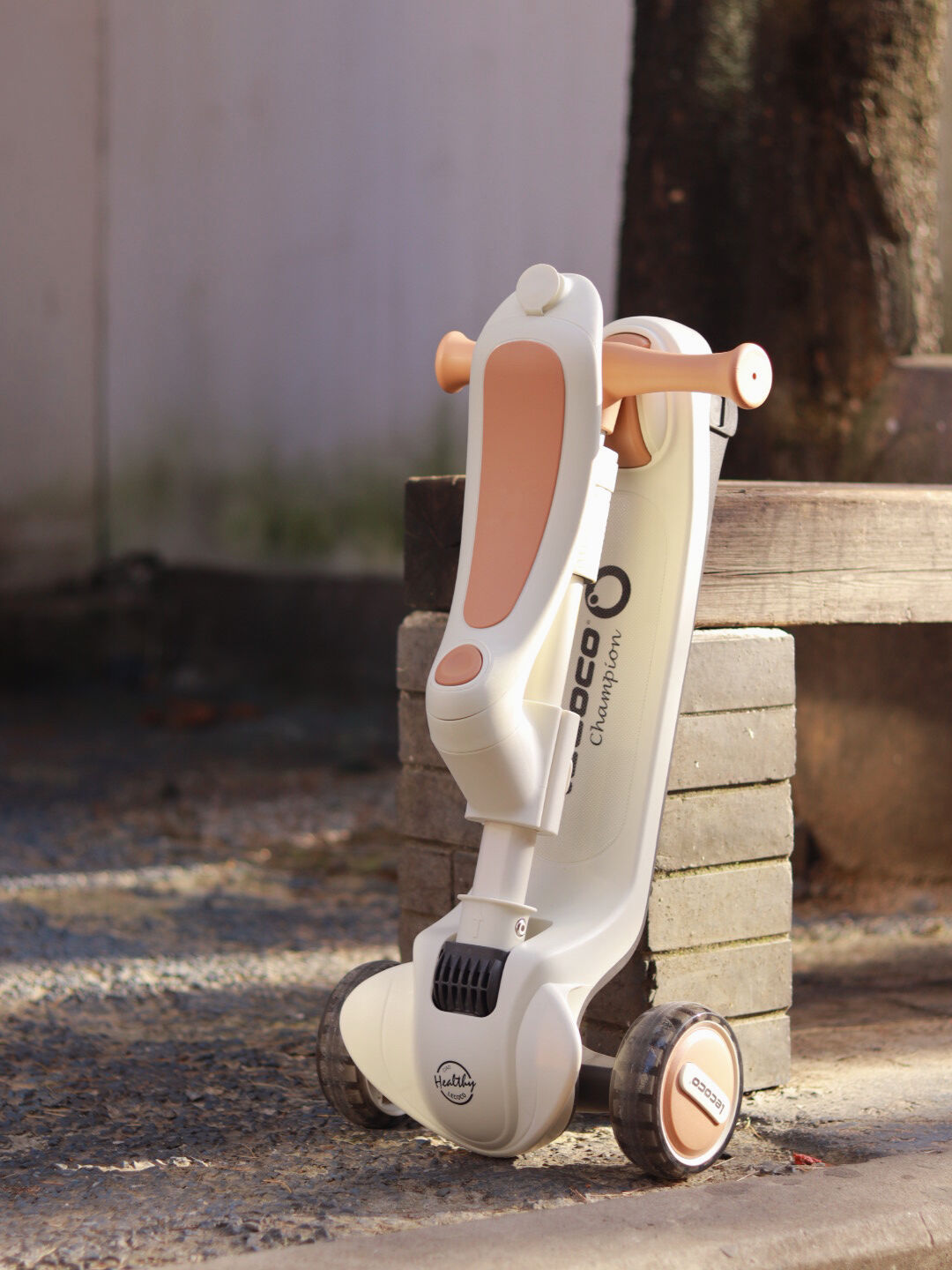
Community spaces where children gather with scooters become informal social hubs where friendships form around shared interest in the activity. The visible nature of scooter skills creates natural conversation starters and opportunities for peer teaching, where more experienced riders demonstrate techniques to beginners. This peer mentoring dynamic builds leadership skills in advanced riders while providing approachable learning models for those developing their abilities. Parents frequently observe that scooter parks and designated riding areas become regular meeting places where children develop consistent peer groups and social routines.
Risk Assessment and Decision-Making Development
Navigating outdoor environments on a scooter requires continuous risk evaluation and decision-making that develops critical thinking skills and situational awareness. Children learn to assess surface conditions, gauge appropriate speeds for different terrains, predict the behavior of other path users, and make split-second decisions about maneuvering. This real-time problem-solving occurs within a context where mistakes have immediate but generally minor consequences, creating ideal conditions for learning through experience. The cognitive demands of safe scooter operation strengthen executive function skills including planning, impulse control, and adaptive thinking.
The graduated risk exposure inherent in scooter play allows children to develop realistic understanding of their capabilities and limitations. As skills advance, children naturally attempt more challenging maneuvers, learning through trial and feedback to calibrate their risk-taking to their actual ability levels. This self-regulation development proves valuable across many life domains where balanced risk assessment supports healthy decision-making. Parents who provide appropriate supervision while allowing children to navigate manageable challenges report that this approach builds both competence and reasonable caution rather than either recklessness or excessive fearfulness.
Practical Advantages for Families and Caregivers
Accessibility and Ease of Use
The scooter stands out among outdoor play equipment for its remarkably low barrier to entry and intuitive operation that allows children to experience success quickly. Unlike bicycles that require complex balance skills or roller skates that demand bilateral coordination from the outset, the scooter provides a stable platform that children can master in stages. Most children demonstrate basic proficiency within their first few attempts, experiencing the motivating satisfaction of immediate progress. This accessibility makes the scooter appropriate for a wide age range and various skill levels, accommodating children who might struggle with more demanding equipment.
The simplicity of scooter operation extends to maintenance and storage considerations that matter significantly to busy families. Scooters require minimal upkeep compared to bicycles with their chains, gears, and brake systems that need regular adjustment. Storage demands remain modest as many scooter models fold compactly or feature vertical storage capabilities that minimize space consumption. Transportation proves straightforward whether placing a scooter in a vehicle trunk, carrying it on public transit, or simply having children ride it to destinations. These practical advantages reduce friction points that might otherwise discourage regular use.
Versatility Across Environments and Occasions
The scooter adapts to diverse environments and usage contexts in ways that maximize its utility and frequency of use throughout childhood. Urban families appreciate how scooters function effectively on sidewalks and paved paths, transforming routine errands into engaging activities when children ride alongside walking adults. Suburban and rural settings offer different advantages including trails, quiet streets, and open spaces where children can practice skills and enjoy extended riding sessions. This environmental versatility ensures that families receive value from their scooter investment regardless of their specific living situation.
Seasonal adaptability further enhances scooter appeal as this outdoor play option remains viable across most weather conditions that permit outdoor activity. Unlike equipment requiring specific facilities or conditions, the scooter needs only reasonably dry surfaces and appropriate clothing for prevailing temperatures. This year-round usability means children develop consistent activity habits rather than experiencing prolonged inactive periods. Families report that scooters become go-to choices for outdoor time because they require minimal setup, accommodate spontaneous use, and deliver reliable enjoyment across changing circumstances.
Value Proposition and Longevity
The investment required for quality scooter equipment delivers exceptional value when considered against frequency of use and developmental benefits provided. Durable scooters withstand years of regular use, often serving multiple children within families or being passed along to others when outgrown. The cost-per-use calculation becomes highly favorable as children who enjoy scooting engage in the activity frequently over extended periods. This economic efficiency appeals to budget-conscious families seeking play equipment that justifies its purchase price through sustained engagement rather than brief novelty followed by abandonment.
Adjustable scooter models that accommodate growing children extend usability periods significantly, adapting handlebar heights and sometimes deck positions to match increasing stature. This growth accommodation means a single scooter purchase can serve children across multiple developmental stages rather than requiring replacement as quickly as fixed-dimension equipment. The resale value of quality scooters remains strong as demand from new families creates active secondary markets for well-maintained equipment. These economic considerations, combined with the substantial developmental benefits delivered, position the scooter as an exceptionally sound investment in childhood activity and growth.
Alignment with Modern Parenting Priorities
Screen Time Reduction and Nature Connection
Parents increasingly concerned about excessive screen exposure find the scooter to be a compelling alternative that draws children away from digital devices toward outdoor engagement. The active, dynamic nature of scooter riding provides sensory stimulation and physical satisfaction that screens cannot replicate, creating genuine competition for attention that passive entertainment struggles to offer. Children who develop scooter skills often request outdoor time spontaneously, demonstrating intrinsic motivation that reduces parental effort required to limit screen use. This organic preference shift represents a significant advantage for families working to establish healthy technology boundaries.
The outdoor context inherent in scooter use facilitates nature connection and environmental awareness that research increasingly links to psychological wellbeing and cognitive development. Children riding scooters through neighborhoods, parks, and natural areas observe seasonal changes, encounter wildlife, experience weather variations, and develop familiarity with their local environments. This regular outdoor exposure contributes to attention restoration, stress reduction, and the development of environmental stewardship attitudes. The scooter serves as a vehicle not just for physical transportation but for meaningful engagement with the natural world that many contemporary children experience too infrequently.
Safety Profile and Supervision Compatibility
The safety characteristics of scooter activity, particularly when appropriate protective equipment is used and basic precautions are observed, align well with parental risk tolerance and supervision capabilities. The relatively modest speeds achievable on scooters compared to bicycles reduce injury severity when falls occur, while the intuitive stopping method of simply stepping off provides emergency response options accessible even to young riders. The visibility of scooter riders to motorists and pedestrians exceeds that of smaller wheeled toys, reducing conflict risks in shared spaces. These safety features allow parents to feel comfortable encouraging scooter use within appropriate boundaries.
The supervision requirements for scooter play accommodate various parenting approaches and family circumstances. Young children benefit from close proximity supervision that remains feasible because walking adults can easily keep pace with beginning riders. As skills and judgment develop, supervision can gradually become more distant, allowing children increasing independence while parents maintain oversight. This flexibility supports developmentally appropriate risk exposure that neither overprotects nor prematurely exposes children to situations beyond their capability. Safety equipment including helmets, knee pads, and elbow pads provides additional protection layers that give parents confidence while teaching children about responsible risk management.
Skill Development Alignment with Educational Values
Families prioritizing holistic development appreciate how scooter activity cultivates competencies that complement academic learning and align with contemporary educational emphases on physical literacy and experiential learning. The problem-solving demands of navigating varied terrain, the spatial reasoning required for maneuvering, and the cause-effect understanding developed through controlling speed and direction all exercise cognitive capacities that transfer to academic contexts. Physical education specialists increasingly recognize scooter skills as components of comprehensive movement competency that forms foundations for lifelong physical activity participation.
The goal-setting opportunities inherent in skill progression support growth mindset development and self-directed learning attitudes that educational research identifies as crucial for academic success. Children who set and achieve scooter-related goals such as mastering new tricks, increasing distance capacity, or improving speed develop metacognitive skills around effort, practice, and improvement. Parents can facilitate this learning by recognizing progress, encouraging appropriate challenges, and helping children reflect on their development process. The tangible, observable nature of scooter skill acquisition makes it particularly effective for teaching broader lessons about persistence, practice, and capability development through sustained effort.
FAQ
What age is appropriate for children to start using a scooter?
Most children demonstrate the balance and coordination necessary for basic scooter use between ages two and four, though individual readiness varies based on physical development and prior movement experiences. Three-wheeled scooters with wide decks provide excellent starting options for younger children, offering enhanced stability that supports confidence building during initial learning phases. As children approach school age and develop more sophisticated balance capabilities, two-wheeled scooters become appropriate and offer increased maneuverability. Parents should assess individual child readiness by observing their ability to balance on one foot, follow basic safety instructions, and demonstrate interest in the activity rather than relying solely on age guidelines.
How does scooter riding compare to bicycle riding for physical development?
Scooter riding and bicycle riding offer complementary rather than competing developmental benefits, with each activity emphasizing different movement patterns and skill sets. Scooters excel at developing single-leg balance, core stability through asymmetric loading, and lower body strength through the pushing motion, while bicycles emphasize bilateral coordination, sustained cardiovascular effort, and mechanical understanding. The accessibility advantage of scooters allows younger children to experience independent mobility earlier than typically possible with bicycles, building confidence and spatial awareness that later facilitates bicycle learning. Many families find that scooter proficiency serves as an excellent foundation for eventual bicycle mastery rather than viewing these as either-or choices.
What safety equipment is essential for scooter use?
A properly fitted helmet represents the single most important safety equipment for scooter riders of all ages and skill levels, protecting against head injuries that pose the most serious risk during falls. Helmets should meet safety certification standards, fit snugly without excessive movement, and position correctly with the front edge approximately one inch above eyebrows. Knee and elbow pads provide valuable additional protection, particularly for beginning riders still developing balance and for children attempting new skills or riding in challenging environments. Closed-toe shoes with good traction complete essential safety equipment, protecting feet and providing the grip necessary for effective pushing and emergency stopping. Visibility enhancements including bright clothing and reflective elements become important when riding near vehicle traffic or in low-light conditions.
How can parents encourage skill development without creating pressure or frustration?
Supporting scooter skill development effectively requires balancing encouragement with patience, allowing children to progress at their individual pace while providing appropriate challenges. Parents can model enthusiasm for outdoor activity and participate alongside children when possible, creating positive associations with scooter time rather than framing it as isolated child activity. Recognizing effort and incremental progress rather than only celebrating major milestones helps children internalize growth mindset attitudes and maintain motivation through learning plateaus. Creating varied riding opportunities including different environments, social contexts, and informal challenges keeps engagement high without imposing rigid skill expectations. When children express frustration, validating their feelings while helping them identify specific manageable next steps maintains confidence and prevents discouragement from derailing the learning process entirely.