
 EN
EN



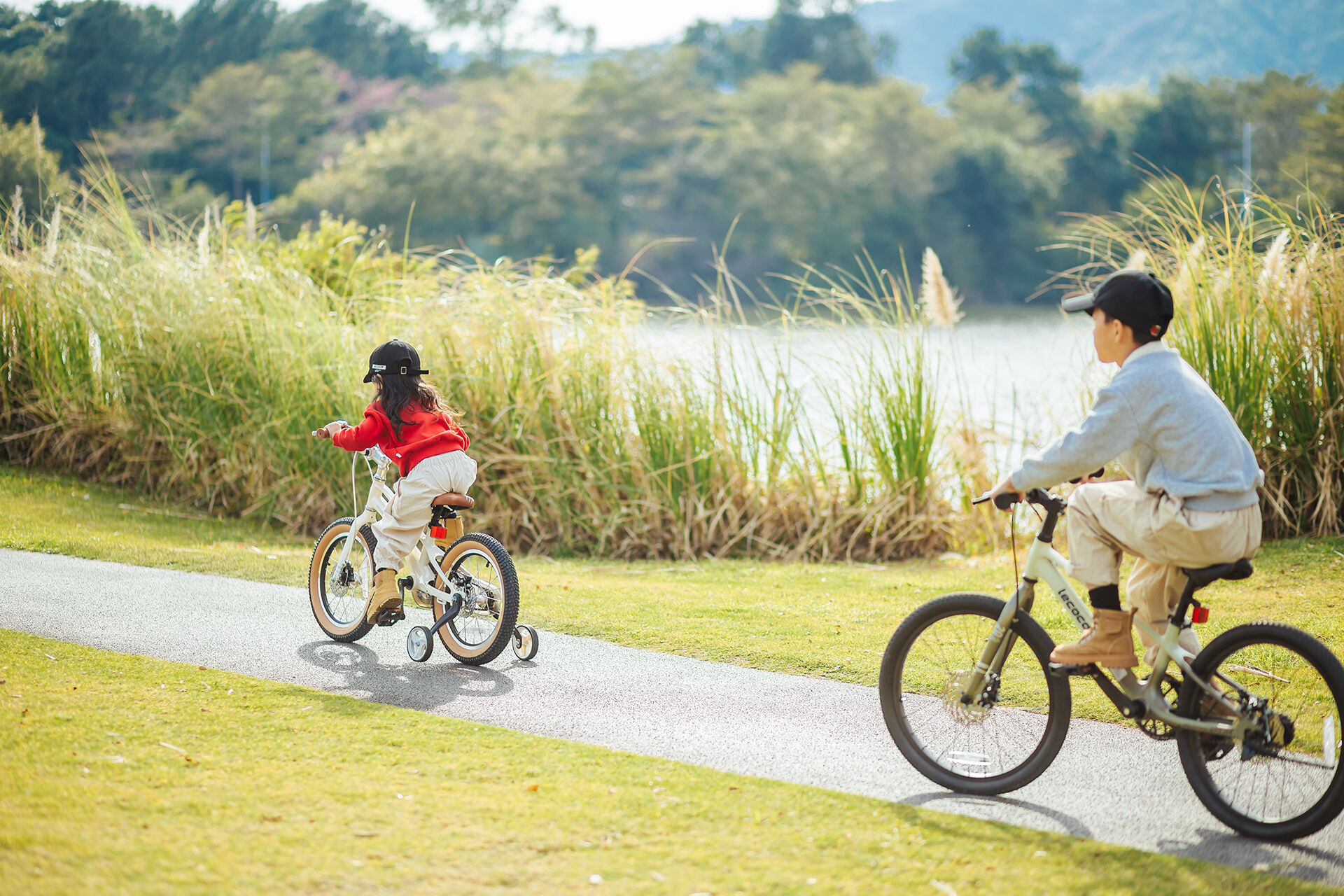
Choosing the right first pedal bike for young children represents a significant milestone in their physical and developmental journey. Parents often face uncertainty when deciding between balance bikes, bicycles with training wheels, and tricycles as the ideal starting point. A tricycle stands out as an exceptional choice for introducing children to independent mobility, offering a unique combination of stability, safety, and developmental benefits that align perfectly with the physical capabilities and cognitive readiness of toddlers and preschoolers. Understanding why a tricycle serves as the ideal first pedal bike requires examining the specific advantages it provides during this critical stage of childhood development.
The tricycle design addresses fundamental concerns that parents prioritize when introducing their children to pedal-powered vehicles. Unlike two-wheeled alternatives that demand advanced balance skills, a tricycle provides inherent stability through its three-wheel configuration, allowing children as young as 18 months to experience the joy of self-propelled movement without the frustration of repeated falls. This stability factor transforms the learning experience from a potentially discouraging challenge into an confidence-building achievement, establishing positive associations with outdoor activity and physical exercise that can influence lifelong attitudes toward fitness and recreation.
Developmental Readiness and Physical Coordination Benefits
Age-Appropriate Motor Skill Alignment
The tricycle design aligns perfectly with the motor skill development timeline that characterizes early childhood. Between 18 months and three years, children develop the leg strength and reciprocal motion coordination necessary for pedaling, yet they lack the sophisticated balance mechanisms required for two-wheeled vehicles. A tricycle accommodates this specific developmental window by eliminating the balance challenge while still engaging the core muscle groups and coordination patterns that pedaling requires. This targeted skill-building approach allows children to master one complex motor task at a time rather than overwhelming them with multiple simultaneous challenges.
The pedaling motion itself represents a significant cognitive and physical achievement for toddlers. Operating a tricycle requires children to coordinate circular leg movements, maintain directional awareness, and process spatial relationships simultaneously. Research in child development indicates that these complex coordination tasks strengthen neural pathways and contribute to broader motor planning capabilities. By providing a stable platform for practicing these skills, a tricycle creates an ideal learning environment where children can focus entirely on mastering the pedaling technique without the additional cognitive load of maintaining balance.
Furthermore, the tricycle experience builds proprioceptive awareness as children learn to sense their body position and movement through space. The stable three-wheel base allows young riders to experiment with speed variations, turning radius, and stopping techniques in a controlled manner. This sensory feedback loop develops body awareness and spatial judgment that transfers to other physical activities, from playground equipment navigation to organized sports participation in later years.
Progressive Strength Building
Operating a tricycle provides targeted strengthening for the specific muscle groups that children will need for more advanced cycling skills. The pushing motion required to propel a tricycle forward engages quadriceps, hamstrings, and calf muscles in a low-impact, age-appropriate manner. Unlike walking or running, which children already perform regularly, pedaling introduces a novel movement pattern that challenges muscles differently and promotes balanced lower body development. This strength foundation becomes essential when children eventually transition to bicycles, as they already possess the leg power necessary to maintain momentum and handle increased vehicle weight.
The cardiovascular benefits of tricycle riding also contribute significantly to overall physical development. Even short riding sessions elevate heart rate and promote aerobic fitness in a playful context that feels nothing like structured exercise to young children. This early introduction to sustained physical activity establishes healthy patterns and demonstrates that movement can be both enjoyable and rewarding. Parents often notice improved endurance and stamina in children who regularly ride tricycles, as the activity naturally encourages longer periods of continuous movement compared to more intermittent play activities.
Safety Advantages and Risk Management
Inherent Stability Reduces Injury Risk
The three-wheel configuration of a tricycle provides unmatched stability compared to any two-wheeled alternative, dramatically reducing the risk of falls and associated injuries during the learning phase. Young children lack the reflexes and protective responses that older riders develop, making fall prevention critically important. A tricycle eliminates tipping concerns even when children make sudden stops, sharp turns, or lose focus momentarily. This inherent safety feature allows parents to supervise with confidence rather than constant anxiety about potential accidents.
The lower center of gravity characteristic of most tricycle designs further enhances safety by positioning children closer to the ground. In the unlikely event of a tip or collision, the reduced fall distance minimizes injury severity. Additionally, the stable platform enables children to stop safely by simply ceasing to pedal, rather than requiring mastery of hand brakes or complex stopping techniques. This simplified operation reduces cognitive load during rides and allows young children to focus on navigation and awareness of their surroundings rather than vehicle control mechanics.
Controlled Speed and Maneuverability
Tricycle design naturally limits maximum speed to ranges appropriate for young children's reaction times and decision-making capabilities. The mechanical advantage of direct pedal-to-wheel drive, combined with the friction of three contact points, prevents the high-speed scenarios that create danger on two-wheeled vehicles. Parents can feel confident allowing tricycle use in supervised outdoor spaces knowing that children cannot accidentally achieve unsafe velocities. This speed limitation also gives children adequate time to process environmental information, notice obstacles, and make steering corrections before situations become hazardous.
The wide wheel base of a tricycle provides exceptional turning stability compared to narrower two-wheeled alternatives. Children can execute turns without the countersteering or weight-shifting techniques that bicycles demand, making navigation intuitive and predictable. This straightforward steering relationship helps young riders develop spatial awareness and path planning skills in a forgiving format. Even when children make steering errors or overcorrect, the tricycle's stability prevents the dramatic consequences that similar mistakes would produce on a bicycle.
Confidence Building and Independence Development
Immediate Success Experience
The tricycle's user-friendly design enables children to experience success during their very first riding attempts, creating powerful positive reinforcement that motivates continued practice and skill development. Unlike balance bikes or training-wheel bicycles that require multiple sessions before children achieve independent mobility, a tricycle can be mastered within minutes by most toddlers who possess basic pedaling coordination. This immediate gratification proves especially valuable for young children who have limited patience and frustration tolerance, as early success builds enthusiasm rather than discouragement.
The psychological impact of independent mobility cannot be overstated in early childhood development. When children discover they can propel themselves through space using their own physical effort, they experience a profound sense of capability and autonomy. A tricycle serves as many children's first self-directed vehicle, marking a transition from passive transportation by caregivers to active, independent movement. This milestone contributes to self-concept development and reinforces the connection between effort and achievement, lessons that extend far beyond the riding experience itself.
Foundation for Future Cycling Skills
While a tricycle provides immediate developmental benefits, it also establishes fundamental skills that directly transfer to bicycle riding in later childhood. The pedaling motion, steering coordination, and spatial awareness that children develop on a tricycle create essential building blocks for two-wheeled cycling. When children eventually transition to bicycles, they need only add balance skills to their existing coordination repertoire rather than learning entirely new movement patterns. This progressive skill-building approach reduces the challenge of bicycle mastery and increases the likelihood of successful transition.
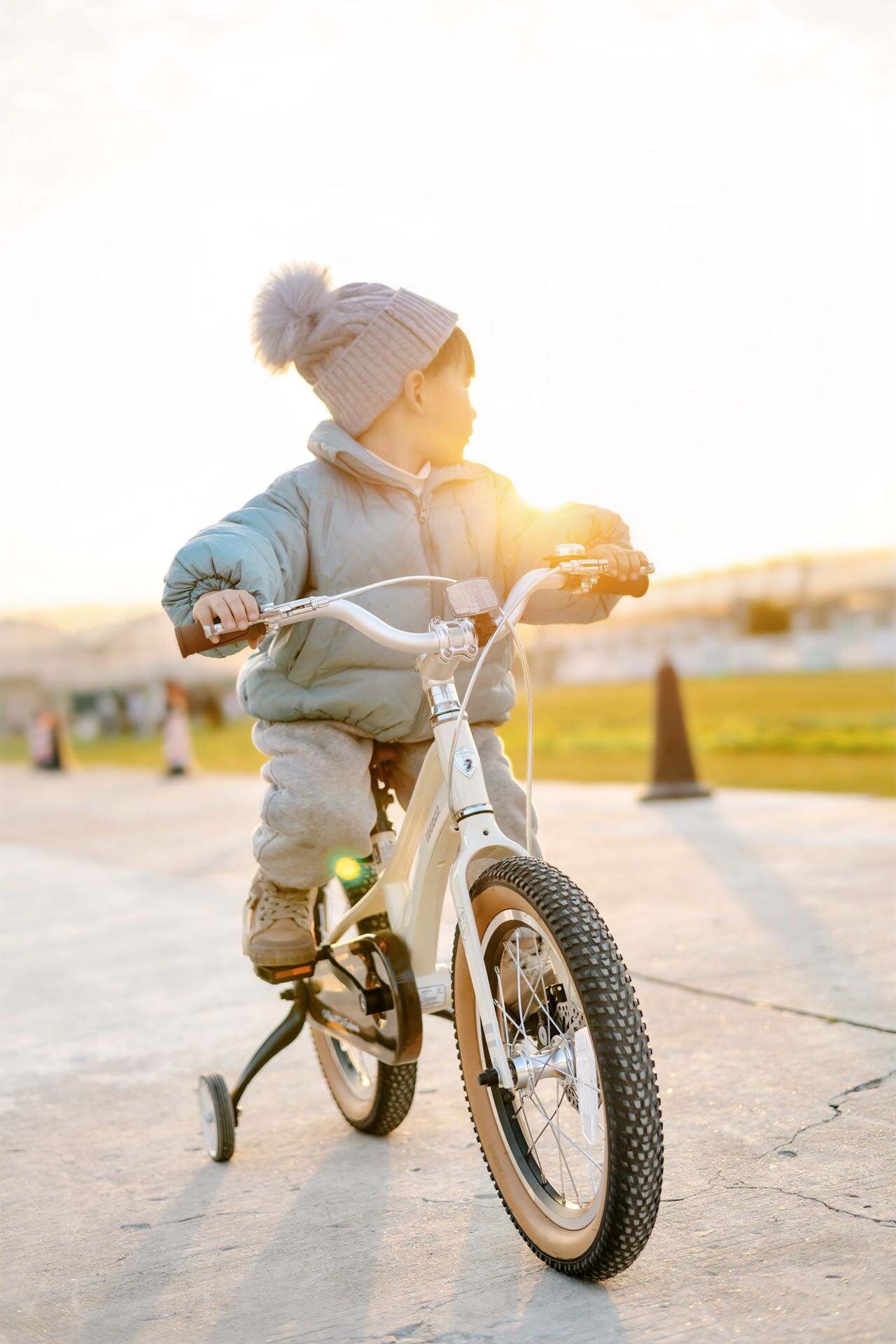
The confidence that children develop through tricycle mastery also translates directly to their willingness to attempt bicycle riding when developmentally ready. Children who have experienced success and enjoyment on a tricycle approach the bicycle transition with positive expectations rather than fear or reluctance. This psychological readiness often proves as important as physical capability in determining when children successfully master bicycle riding. Parents frequently observe that children with extensive tricycle experience show greater persistence and resilience during the bicycle learning process, having already internalized the understanding that practice leads to mastery.
Practical Considerations for Families
Extended Usability Period
Investment in a quality tricycle provides extended value compared to many other early childhood toys and equipment. Most tricycles accommodate children from approximately 18 months through four or five years of age, representing a multi-year usage window that justifies the initial purchase cost. This extended usability period contrasts favorably with rapidly outgrown items like infant swings or small push toys. Many tricycle models feature adjustable components such as seat positions and handlebar heights, allowing the vehicle to grow alongside the child and maintain appropriate ergonomics throughout the usage period.
The durability of tricycle construction also contributes to long-term value for families. Quality tricycles withstand years of outdoor use, exposure to weather elements, and the inevitable bumps and crashes that accompany young children's play. Many families find that tricycles remain functional through multiple children, either within their own household or through hand-me-down arrangements with friends and relatives. This durability factor makes tricycles an economically sound choice compared to less robust wheeled toys that require frequent replacement.
Versatility for Various Environments
The tricycle design proves remarkably versatile across different riding environments that families encounter in daily life. The stable three-wheel configuration handles uneven surfaces like grass, gravel paths, and slightly rough pavement far better than two-wheeled alternatives that require smooth surfaces for successful operation. This adaptability means children can ride their tricycle in backyards, parks, sidewalks, and driveways without parents needing to locate perfectly flat terrain. The all-terrain capability expands riding opportunities and ensures the tricycle remains useful regardless of the family's living situation or local outdoor spaces.
Many modern tricycle designs incorporate additional features that enhance versatility and extend usage scenarios. Storage compartments allow children to transport toys, snacks, or collected natural objects during rides, transforming the tricycle into a tool for imaginative play rather than merely a riding vehicle. Some models include push handles that enable parents to assist tired riders or maintain control in crowded environments, adding functionality for family outings. These adaptable features increase the tricycle's integration into daily family life and maximize the return on investment.
Cognitive and Social Development Through Tricycle Play
Problem-Solving and Spatial Reasoning
Operating a tricycle engages cognitive processes that extend well beyond simple physical coordination. Children must constantly process spatial information, judge distances, plan routes, and make real-time adjustments based on environmental feedback. When a child decides to navigate around an obstacle, they engage in predictive thinking and geometric reasoning at an intuitive level. These problem-solving experiences occur organically during play, making them powerful learning opportunities that children pursue voluntarily rather than experiencing as imposed educational tasks.
The cause-and-effect relationships inherent in tricycle operation also provide valuable cognitive lessons. Children quickly learn that pedaling speed affects momentum, that steering input produces predictable directional changes, and that stopping requires cessation of pedaling effort. These concrete physical demonstrations of mechanical principles lay groundwork for later understanding of more abstract concepts in physics and engineering. The immediate, tangible feedback that tricycle riding provides makes these lessons memorable and meaningful in ways that verbal instruction alone cannot achieve.
Social Interaction and Cooperative Play
Tricycle play frequently occurs in social contexts where multiple children ride together, creating opportunities for peer interaction and social skill development. Children learn to share riding spaces, take turns on preferred equipment, and negotiate shared routes through play areas. These social negotiations teach compromise, communication, and awareness of others' needs and preferences. The parallel play that often characterizes early childhood gradually evolves into more interactive cooperative play as children develop social competence, with tricycle riding providing a natural context for this developmental progression.
Group tricycle activities also introduce early concepts of rules, safety awareness, and community responsibility. When children ride together, they learn to watch for others, avoid collisions, and respect boundaries that keep everyone safe. Parents and educators can use tricycle time to introduce traffic concepts, directional signals, and spatial courtesy in age-appropriate ways. These lessons establish foundational understanding that will later transfer to bicycle safety, pedestrian awareness, and eventually automotive operation in adolescence and adulthood.
FAQ
At what age should a child start using a tricycle?
Most children develop sufficient leg strength and coordination to operate a tricycle between 18 months and two years of age, though individual readiness varies based on physical development and prior gross motor experience. Look for signs that your child can walk confidently, climb stairs with alternating feet, and shows interest in wheeled toys before introducing a tricycle. Some children may not fully master pedaling until closer to three years old, which remains completely normal and appropriate. Prioritize your child's comfort and enthusiasm over age-based expectations, as positive early experiences matter more than early achievement.
How long will my child use a tricycle before transitioning to a bicycle?
Children typically enjoy tricycles from their initial introduction around age two through approximately four or five years old, though usage patterns vary widely based on individual preference and available alternatives. Some children naturally transition to bicycles with training wheels around age four when they develop adequate strength and coordination, while others continue enjoying their tricycle well into kindergarten age. The transition timing depends more on the child's confidence, physical size relative to the tricycle, and exposure to bicycle-riding peers than on any specific age milestone. Many families find that maintaining both vehicles allows children to choose based on the riding situation and their comfort level.
Are tricycles better than balance bikes for teaching children to ride?
Tricycles and balance bikes serve different developmental purposes and excel in different areas, making neither universally superior to the other. Tricycles teach pedaling coordination and provide immediate independent mobility for younger toddlers who lack the balance skills that balance bikes require. Balance bikes focus specifically on developing equilibrium and steering coordination, potentially creating a more direct pathway to bicycle riding for children who start around age three. The ideal choice depends on your child's age, current skill level, and physical confidence. Many families find value in providing both types of vehicles at different developmental stages, allowing each to contribute its unique benefits to the child's overall motor skill development.
What safety features should I look for when choosing a tricycle?
Prioritize tricycles with wide wheel bases that enhance stability, low seat positions that minimize fall distance, and sturdy construction that withstands typical childhood use without structural failure. Look for models with comfortable, ergonomic seats that provide adequate back support and appropriately sized pedals that small feet can operate effectively. Avoid tricycles with sharp edges, protruding parts, or small detachable components that present injury or choking hazards. If purchasing for very young children, consider models with safety harnesses and parent push handles that provide additional control during early learning phases. Ensure any tricycle you select meets current safety standards established by consumer product safety organizations and read reviews from other parents regarding durability and real-world performance.