
 EN
EN



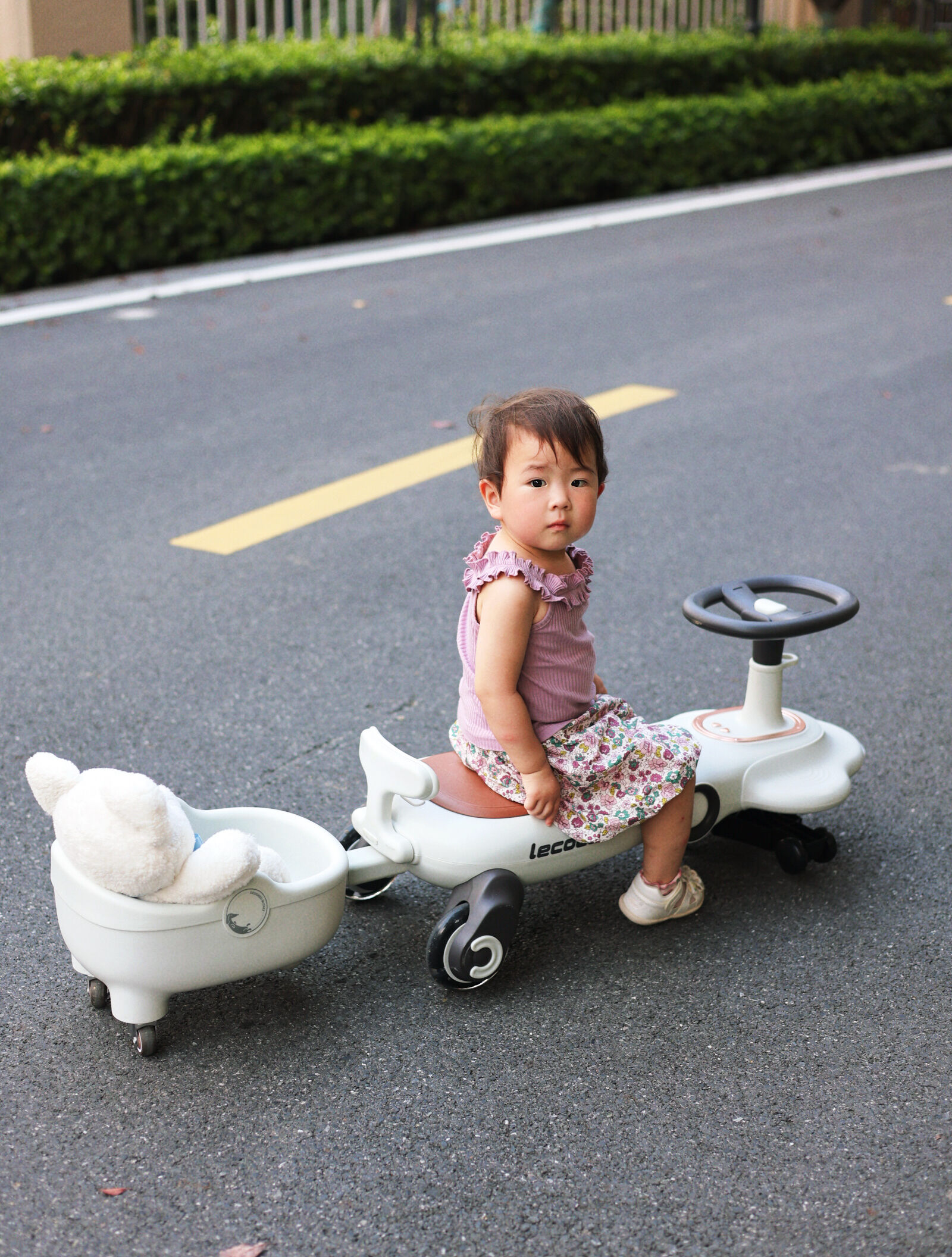
Selecting the right swing car for your child requires careful consideration of numerous safety features that ensure both fun and protection during playtime. Parents must evaluate various aspects of these popular ride-on toys to make informed decisions that prioritize their child's wellbeing. A quality swing car should combine entertainment value with robust safety mechanisms that protect young riders from potential hazards. Understanding the essential safety characteristics helps parents navigate the numerous options available in today's market and choose products that meet stringent safety standards.
Essential Safety Components in Swing Car Design
Stability and Low Center of Gravity
The foundation of any safe swing car lies in its stability design, which prevents dangerous tipping during normal use. Manufacturers engineer these vehicles with low centers of gravity that keep the swing car balanced even during sharp turns or sudden movements. The wider wheelbase contributes significantly to overall stability, reducing the likelihood of rollover accidents that could injure young children. Parents should examine the base width and ensure the swing car maintains contact with all wheels during various riding positions.
Quality swing car models incorporate reinforced chassis designs that distribute weight evenly across the entire structure. This engineering approach prevents weak points that might compromise stability during active play sessions. The seat positioning relative to the wheel placement plays a crucial role in maintaining proper balance throughout different riding scenarios. Evaluating these stability features ensures parents select vehicles that remain upright during typical childhood adventures.
Age-Appropriate Weight Limitations
Understanding weight restrictions helps parents choose swing car models that safely accommodate their children without exceeding structural limitations. Manufacturers specify maximum weight capacities based on extensive testing of frame strength and component durability under stress conditions. Exceeding these limits can compromise the swing car's structural integrity and create dangerous situations during use. Parents must verify their child's current weight and consider future growth when selecting appropriate models.
Different swing car designs accommodate varying weight ranges, from lightweight models suitable for toddlers to robust versions designed for older children. The correlation between weight capacity and safety features becomes evident when examining reinforced components and enhanced structural elements. Selecting appropriately rated vehicles ensures optimal performance while maintaining safety margins that protect against component failure. Regular weight assessments help parents determine when children have outgrown their current swing car safely.
Material Quality and Construction Standards
Non-Toxic Material Certification
Safety-conscious parents must verify that swing car materials meet established non-toxicity standards to protect children from harmful chemical exposure. Reputable manufacturers use certified plastics and paints that comply with international safety regulations regarding child toy materials. These certifications ensure that even if children place parts of the swing car in their mouths, they remain protected from dangerous substances. Checking for proper certification marks indicates responsible manufacturing practices and material selection.
The coating materials used on swing car surfaces require particular attention, as children frequently touch and sometimes taste these surfaces during play. Lead-free paints and phthalate-free plastics represent minimum safety standards for quality children's ride-on toys. Parents should look for clear labeling that identifies specific safety certifications and testing standards met during the manufacturing process. This due diligence protects children from long-term health risks associated with toxic material exposure.
Durability and Wear Resistance
A swing car's ability to withstand regular use without developing safety hazards depends heavily on material durability and construction quality. High-grade plastics resist cracking under stress and maintain structural integrity through various weather conditions and temperature changes. The connection points between different components require reinforcement to prevent separation during active use that could create sharp edges or unstable conditions.
Examining the quality of wheels, steering mechanisms, and seat attachment points reveals important information about overall construction standards. Durable components maintain smooth operation longer and reduce the risk of sudden failures that might cause accidents. Parents should assess the thickness of plastic components and the quality of joints to ensure the swing car will remain safe throughout its expected lifespan. Regular inspection of high-wear areas helps identify potential safety concerns before they become dangerous.
Wheel Design and Ground Clearance
Wheel Size and Material Composition
The wheels represent one of the most critical safety components of any swing car, directly affecting stability, control, and ride quality. Appropriate wheel size ensures proper ground clearance while maintaining a low center of gravity that enhances overall stability during use. Rubber or high-quality plastic wheels provide better traction and smoother operation compared to inferior materials that might slip or wear prematurely.
Wheel diameter affects the swing car's ability to navigate different surfaces safely, with larger wheels generally providing better obstacle clearance and smoother rides. However, excessively large wheels can raise the center of gravity and potentially compromise stability in certain situations. Parents should evaluate the intended use environment and select wheel configurations that balance ground clearance with stability requirements. Quality bearings ensure smooth wheel rotation and prevent binding that could cause sudden stops or steering difficulties.
Surface Compatibility and Traction
Different swing car wheel designs perform better on specific surface types, affecting both safety and usability in various environments. Smooth plastic wheels work well on indoor surfaces but may lack sufficient traction for outdoor use on pavement or grass. Textured or rubber wheels provide enhanced grip that improves control and prevents sliding on smooth surfaces that could lead to accidents.
Parents must consider where their children will primarily use the swing car and select wheel configurations appropriate for those conditions. Indoor use typically requires non-marking wheels that won't damage flooring surfaces, while outdoor use demands more robust designs that resist wear and maintain traction. The wheel tread pattern influences directional stability and turning responsiveness, both important factors in maintaining control during play.

Steering Mechanism Safety Features
Steering Wheel Design and Grip
The steering wheel serves as the primary control interface for swing car operation, requiring careful design to ensure safe and effective use by young children. Proper sizing allows children to maintain comfortable grip while providing adequate leverage for directional control without excessive effort. Textured surfaces on steering wheels improve grip security and prevent slipping during active use that could result in loss of control.
Steering wheel positioning must accommodate the natural arm reach and posture of children within the target age range for each swing car model. Adjustable steering mechanisms allow customization for different child sizes, extending the useful life of the vehicle while maintaining optimal control ergonomics. The steering column requires robust construction to withstand the forces applied during normal use without developing loose connections that could affect responsiveness or safety.
Turning Radius and Response Control
Appropriate steering response characteristics help children maintain control while preventing overly sensitive reactions that might cause loss of balance or direction. The turning radius should allow maneuvering in typical play spaces without requiring excessive force or sudden movements that could destabilize the swing car. Smooth steering action without binding or jerky movements contributes to predictable handling that children can learn to control effectively.
Limiting mechanisms prevent excessive turning angles that might cause the swing car to tip or become unstable during sharp maneuvers. These safety features allow children to explore their mobility while maintaining protective boundaries that prevent dangerous situations. Parents should test the steering responsiveness to ensure it matches their child's coordination abilities and provides appropriate feedback for safe operation.
Seat Design and Ergonomic Considerations
Seat Back Support and Positioning
Proper seat design significantly impacts both comfort and safety during swing car use, requiring careful attention to back support and overall positioning. Adequate lumbar support helps maintain proper posture while preventing fatigue that might lead to loss of control or unsafe riding positions. The seat back height should provide support without restricting arm movement necessary for effective steering control.
Seat positioning relative to the pedals and steering wheel affects the child's ability to operate the swing car safely and effectively. Proper ergonomics ensure children can reach all controls comfortably without overextending or adopting awkward positions that might compromise safety. Adjustable seat features accommodate growth and different body proportions within the target age range, maximizing both safety and usability over time.
Edge Safety and Surface Texture
All seat edges require careful finishing to eliminate sharp corners or rough surfaces that could cause injury during normal use or accidental contact. Rounded edges and smooth transitions between different surface areas prevent cuts or scrapes that might occur during active play. The seat surface texture should provide sufficient grip to prevent sliding without being abrasive against clothing or skin.
Contoured seat designs help keep children properly positioned while providing comfort during extended play sessions. These design features reduce the likelihood of unsafe positioning that might affect balance or control during swing car operation. Parents should examine seat construction for any potential pinch points or areas where clothing might catch during movement, ensuring safe entry and exit from the vehicle.
Additional Safety Considerations
Speed Control and Braking Systems
While most swing car models operate through child-powered motion, some include features that help control or limit maximum speeds for enhanced safety. Natural speed limitations built into the design prevent excessive velocities that might exceed a child's ability to maintain control safely. The propulsion method should allow gradual acceleration that gives children time to adjust and maintain balance throughout the riding experience.
Stopping mechanisms, whether through natural friction or designed braking systems, must provide predictable and controllable deceleration. Children should be able to stop the swing car safely without sudden jolts or loss of stability that might cause accidents. The stopping distance requirements vary based on typical use environments, with indoor models requiring shorter stopping distances than those designed for outdoor use on smoother surfaces.
Protective Accessories and Add-ons
Some swing car models include or accommodate additional safety accessories that enhance protection during use. Helmet compatibility ensures children can wear appropriate head protection while maintaining full range of motion and visibility. Safety flags or reflective elements improve visibility when using swing car models in areas where other vehicles or pedestrians might be present.
Parents should evaluate whether additional protective equipment makes sense for their specific use scenarios and child's riding style. Knee and elbow protection can prevent scrapes during learning phases or more adventurous play sessions. The swing car design should not interfere with proper use of safety equipment, maintaining accessibility and comfort while providing enhanced protection.
FAQ
What age range is appropriate for swing car use
Most swing car models are designed for children between 18 months and 5 years old, though specific age recommendations vary by manufacturer and model design. Parents should consider their child's physical development, coordination abilities, and size when determining readiness for swing car use. The child must be able to sit independently and have sufficient leg strength to propel the vehicle safely. Always consult manufacturer guidelines and observe your child's comfort and control level during initial use to ensure appropriate timing for introduction.
How can parents maintain swing car safety over time
Regular inspection and maintenance ensure continued safe operation throughout the swing car's lifespan. Parents should check wheel condition, steering responsiveness, and structural integrity monthly or after heavy use periods. Clean all surfaces regularly to maintain grip and visibility of safety features. Tighten any loose connections and replace worn components according to manufacturer recommendations. Store the swing car in protected areas when not in use to prevent weather damage that might compromise safety features.
What should parents do if their child outgrows the weight limit
When a child approaches or exceeds the manufacturer's weight limit, parents must discontinue use immediately to prevent structural failure and potential injury. Monitor your child's growth regularly and compare it to the swing car specifications to anticipate when replacement becomes necessary. Consider donating or passing along the outgrown swing car to younger children who can use it safely. Never modify or attempt to strengthen a swing car to accommodate additional weight, as this can create unpredictable safety hazards.
Are there specific certifications parents should look for
Look for safety certifications from recognized organizations such as ASTM International, Consumer Product Safety Commission (CPSC), or equivalent international standards bodies. These certifications indicate the swing car has undergone rigorous testing for safety, durability, and material composition. CE marking for European products or similar regional certifications demonstrate compliance with local safety regulations. Additionally, verify that materials meet non-toxicity standards and that the manufacturer provides clear safety guidelines and age recommendations for proper use.