
 EN
EN



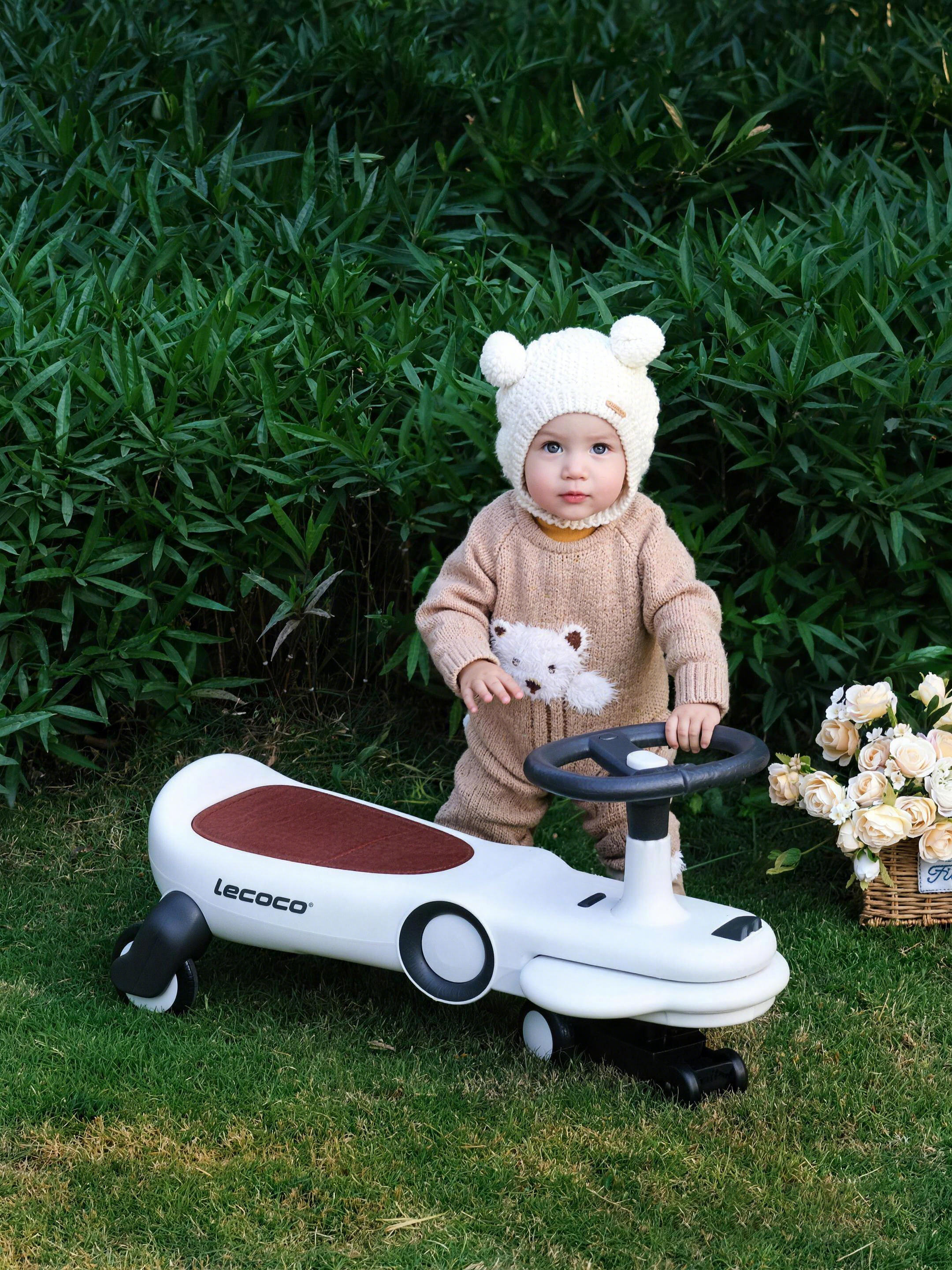
The swing car has emerged as one of the most effective ride-on toys for developing essential motor skills in young children. Unlike traditional tricycles or scooters, a swing car operates without pedals or batteries, relying entirely on the child's natural body movements to create momentum. This unique mechanism makes the swing car an exceptional tool for enhancing balance, coordination, and spatial awareness in toddlers while providing hours of engaging physical activity.
Understanding How Swing Cars Work
The Physics Behind Swing Car Movement
A swing car operates on the fundamental principle of lateral momentum transfer, where the rider steers the front wheels left and right while maintaining balance on the seat. This wiggling motion creates forward propulsion through a combination of friction, inertia, and weight distribution. The swing car requires no external power source, making it an environmentally friendly and maintenance-free option for active play. Children must coordinate their upper body movements with the steering mechanism while simultaneously maintaining their center of gravity over the base of the vehicle.
The design incorporates caster wheels at the front and rear, with the front wheels connected to a pivoting steering mechanism. When a child turns the steering wheel while applying lateral body movement, the swing car generates momentum that translates into forward motion. This process demands continuous micro-adjustments in posture and weight distribution, creating an ideal environment for developing proprioceptive awareness and motor control skills.
Safety Features and Design Elements
Modern swing car designs prioritize safety through low center-of-gravity construction, ensuring stability even during enthusiastic play sessions. The wide wheelbase provides excellent stability, while the ergonomic seat design supports proper posture development. Many models feature rounded edges, non-toxic materials, and weight limits appropriate for toddlers aged 18 months to 5 years. The absence of sharp corners or protruding elements reduces injury risk while maintaining the structural integrity necessary for repeated use.
Quality swing car models incorporate smooth-rolling polyurethane wheels that protect indoor flooring while providing sufficient grip for outdoor surfaces. The steering mechanism typically includes built-in stops to prevent over-rotation, while the seat height remains low enough for children to place their feet on the ground if needed for additional stability or stopping assistance.
Physical Development Benefits
Balance Enhancement Through Dynamic Movement
Riding a swing car challenges toddlers to maintain equilibrium while simultaneously creating movement through coordinated body motions. This dynamic balance requirement differs significantly from static balance exercises, as children must constantly adjust their position in response to changing momentum and direction. The continuous need to center their weight over the moving platform strengthens core muscles and improves postural stability. Research in pediatric physical therapy indicates that dynamic balance activities like swing car riding contribute significantly to vestibular system development.
The vestibular system, located in the inner ear, plays a crucial role in spatial orientation and balance maintenance. Regular swing car use stimulates these sensory receptors through controlled motion patterns, helping toddlers develop better body awareness and spatial relationships. This enhanced vestibular function translates to improved performance in other physical activities, from walking on uneven surfaces to participating in playground equipment that requires balance and coordination.
Coordination Development Through Integrated Movement Patterns
Operating a swing car requires bilateral coordination, where both sides of the body work together in synchronized patterns. Children must coordinate hand movements on the steering wheel with leg positioning and core muscle engagement to achieve smooth, controlled motion. This bilateral integration supports neurological development by strengthening connections between the left and right brain hemispheres, which is fundamental for later academic and motor skill acquisition.
The rhythmic nature of swing car operation helps develop temporal coordination, where children learn to time their movements for maximum efficiency. This skill transfers to numerous daily activities, including walking, running, climbing stairs, and even fine motor tasks like writing or using utensils. The multi-limb coordination required for swing car mastery provides an excellent foundation for more complex motor skills that develop throughout childhood.
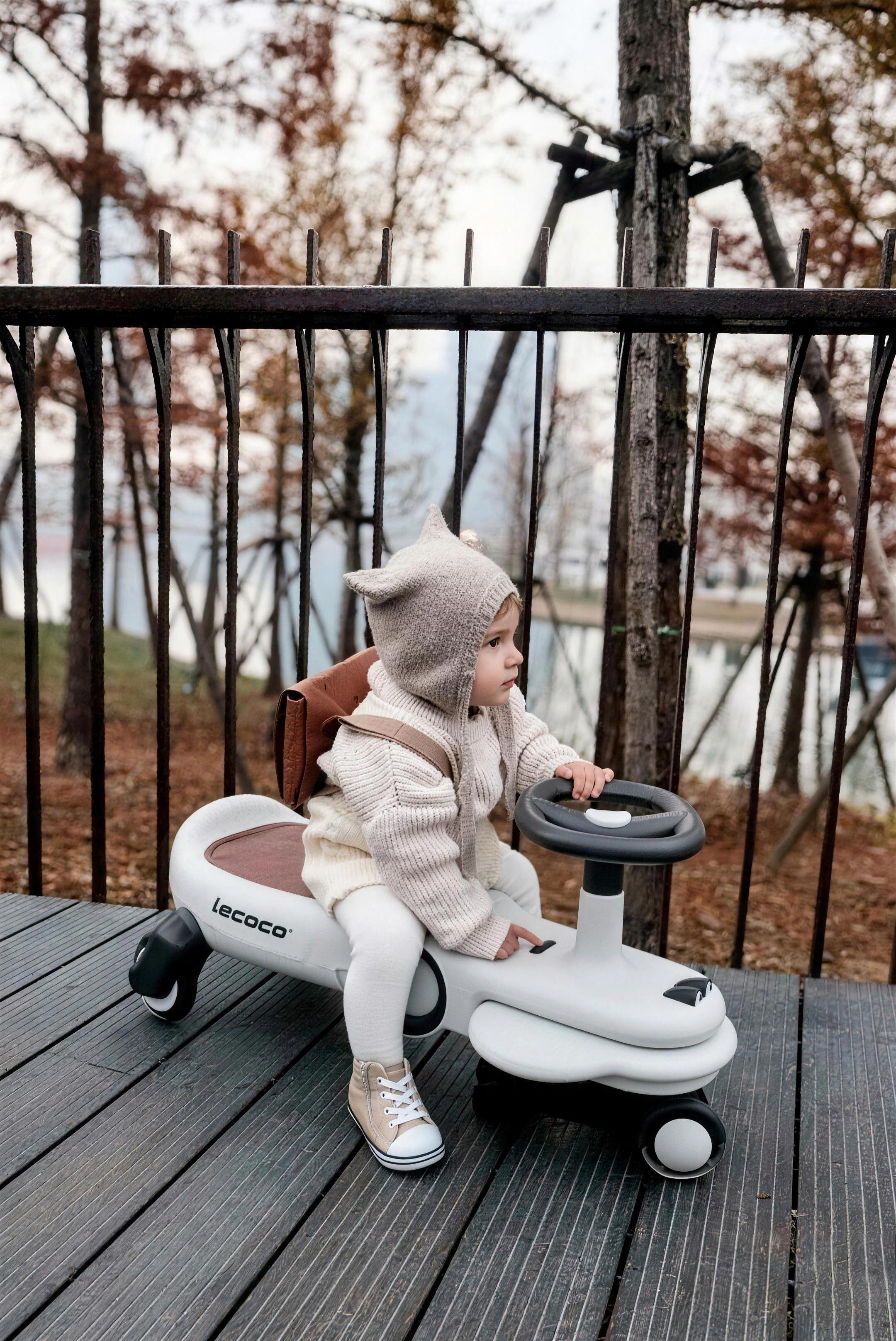
Cognitive and Sensory Benefits
Spatial Awareness and Navigation Skills
Navigating a swing car through various environments helps toddlers develop sophisticated spatial awareness skills. Children must judge distances, estimate turning radii, and plan routes while managing the vehicle's momentum and direction. These cognitive processes contribute to the development of visual-spatial intelligence, which supports mathematical reasoning and problem-solving abilities later in life. The swing car provides a safe environment for exploring cause-and-effect relationships between body movements and directional changes.
Indoor and outdoor swing car play presents different spatial challenges, from navigating furniture arrangements to managing slopes and surface variations. These diverse experiences help children build mental maps of their environment while developing confidence in their physical abilities. The constant need to assess and respond to spatial information during swing car play strengthens executive function skills, including planning, decision-making, and adaptive response capabilities.
Sensory Integration and Processing
Swing car activities provide rich sensory input across multiple systems simultaneously. The proprioceptive system receives information about joint position and muscle tension, while the vestibular system processes motion and spatial orientation data. Visual input helps children track their movement through space and identify potential obstacles or destinations. This multi-sensory experience promotes sensory integration, where the nervous system learns to process and respond to complex sensory information efficiently.
Children with sensory processing differences often benefit significantly from swing car activities, as the controlled movement provides organizing sensory input that can improve attention, emotional regulation, and motor planning abilities. The rhythmic, predictable nature of swing car motion offers calming proprioceptive input while the dynamic balance challenges provide alerting vestibular stimulation, creating an optimal arousal level for learning and development.
Age-Appropriate Progression and Skill Development
Early Toddler Introduction Strategies
Introducing toddlers to swing car activities requires a graduated approach that respects individual developmental timelines and comfort levels. Initial sessions should occur on flat, safe surfaces with adult supervision and assistance as needed. Many children benefit from observing others use the swing car before attempting independent operation, as this visual learning helps them understand the movement patterns required for success. Starting with supported sessions where adults help guide the steering movements can build confidence and familiarity with the vehicle's responses.
The natural progression typically begins with children simply sitting on the swing car and rocking side to side to feel the movement potential. This exploratory phase allows them to develop comfort with the vehicle while beginning to understand the relationship between body movement and momentum generation. Gradually, children begin to incorporate steering movements and eventually achieve independent forward motion through coordinated wiggling and steering actions.
Progressive Skill Building and Mastery
As toddlers become comfortable with basic swing car operation, they naturally begin to explore more complex movement patterns and challenges. Advanced skills include backing up, tight turning maneuvers, and navigating obstacle courses or varied terrain surfaces. These progressive challenges continue to enhance balance and coordination while introducing elements of problem-solving and motor planning. The swing car grows with the child, offering increasingly sophisticated movement opportunities as their skills develop.
Experienced swing car users often develop impressive speed control, directional precision, and the ability to perform coordinated movements with other riders. These advanced skills demonstrate the sophisticated motor learning that occurs through consistent practice with this versatile ride-on toy. The progression from basic operation to advanced maneuvering typically spans several months to years, providing long-term developmental benefits throughout the toddler and preschool periods.
Social and Emotional Development Aspects
Building Confidence Through Mastery
Successfully learning to operate a swing car provides significant confidence boosts for toddlers, as they master a complex skill that requires patience, practice, and persistence. The achievement of independent mobility through their own efforts builds self-efficacy and encourages continued exploration of physical challenges. This confidence often transfers to other areas of development, supporting willingness to attempt new activities and persevere through learning challenges. The swing car offers a perfect balance of challenge and achievability, making success accessible while still requiring genuine effort and skill development.
The gradual progression from assisted to independent operation allows children to experience incremental successes, building motivation and resilience. Each small improvement in speed, control, or maneuvering ability provides positive reinforcement for continued effort and practice. This process helps establish healthy patterns of goal-setting, practice, and achievement that support lifelong learning and development across various domains.
Interactive Play and Social Skills
Swing car activities naturally promote social interaction when multiple children play together, creating opportunities for turn-taking, cooperation, and collaborative play scenarios. Children often develop games involving following, racing, or coordinated movement patterns that require communication and social negotiation skills. These interactions support language development, emotional regulation, and the beginning stages of friendship formation. The shared challenge of mastering swing car skills creates common ground for peer connections and collaborative problem-solving.
Group swing car activities can be structured to promote specific social skills, from basic sharing and turn-taking to more complex cooperative games that require planning and coordination among multiple participants. The physical nature of the activity provides natural breaks in interaction intensity, allowing children to regulate their social engagement while maintaining connection with peers through parallel or interactive play patterns.
FAQ
What age is appropriate for introducing a swing car to toddlers?
Most swing car manufacturers recommend starting around 18 months to 2 years of age, when toddlers have developed sufficient trunk control and can sit independently for extended periods. However, individual readiness varies based on physical development, balance skills, and comfort with ride-on toys. Some children may show interest and ability earlier, while others may need until age 2.5 or 3 years to feel comfortable with the coordination requirements. Adult supervision and support should always be provided during initial learning phases regardless of age.
How long should toddlers play with swing cars for optimal development benefits?
Optimal session length depends on the individual child's attention span, energy level, and developmental stage, but generally ranges from 10-20 minutes for younger toddlers up to 30-45 minutes for preschoolers. Quality of engagement matters more than duration, so shorter sessions with focused attention provide better developmental benefits than longer periods of distracted play. Multiple shorter sessions throughout the week typically prove more beneficial than infrequent extended play periods, as motor skill development requires consistent practice and repetition.
Can swing cars be used effectively on different surface types?
High-quality swing cars function well on various smooth surfaces including hardwood floors, concrete, and low-pile carpets, though performance varies with surface texture and material. Smooth, hard surfaces provide the easiest operation and fastest speeds, while textured surfaces offer more resistance and require greater effort, potentially providing enhanced strength-building benefits. Outdoor use on sidewalks, driveways, and playground surfaces expands play opportunities, though rough or uneven surfaces may limit effectiveness and require additional safety considerations.
Are there specific safety considerations for swing car use in different environments?
Indoor swing car use requires adequate space free from obstacles, stairs, and breakable objects, with particular attention to preventing collisions with furniture corners or walls. Outdoor use demands awareness of traffic areas, slopes, and surface conditions that might affect stability or control. Adult supervision remains important regardless of environment, especially during initial skill development phases. Proper safety gear like helmets may be appropriate for outdoor use or when children are learning advanced maneuvering skills, though the low speed and ground-level operation of swing cars typically present minimal injury risk when used appropriately.