
 EN
EN



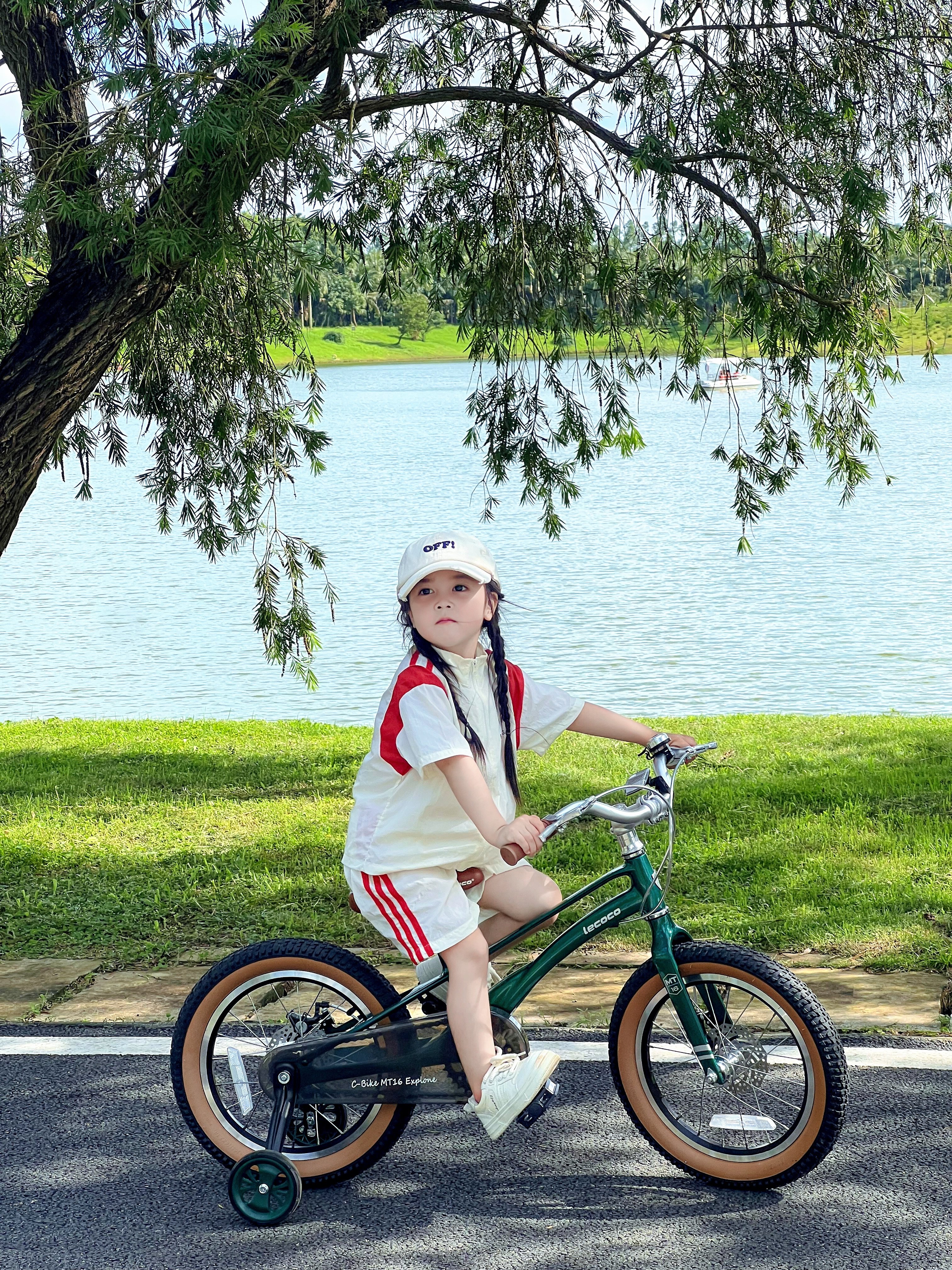
Selecting a dependable kids bike manufacturer is one of the most critical decisions importers face when sourcing children's bicycles for distribution. The quality, safety, and durability of a kids bike directly impact your brand reputation, customer satisfaction, and legal compliance. Unlike adult bicycles, a kids bike carries heightened responsibility because it must meet rigorous safety standards while enduring the unpredictable wear patterns of young riders. This guide walks you through the essential evaluation criteria to identify a manufacturer capable of delivering consistent quality kids bike products that your customers can trust.
When evaluating any potential partner, the stakes are particularly high because a flawed kids bike can lead to safety incidents, recalls, regulatory penalties, and irreversible damage to your business credibility. A reliable kids bike manufacturer demonstrates transparency in production methods, maintains third-party certifications, and invests in quality control infrastructure. This article provides a structured framework to assess manufacturing capability, verify safety compliance, and establish long-term partnerships with manufacturers who prioritize excellence in every kids bike they produce.
Understanding Safety Certifications and Compliance Standards
Mandatory Safety Requirements for Kids Bikes
A reliable kids bike manufacturer must comply with internationally recognized safety standards specific to children's bicycles. The primary standards include ASTM F1975-23 in North America, EN 14765 in Europe, and ISO 8124 for general toy safety. Each kids bike produced should undergo rigorous testing for frame integrity, brake performance, wheel stability, handlebar height adjustments, and pedal safety. Verify that the manufacturer has obtained third-party certifications from accredited testing laboratories rather than relying on internal testing alone. Ask for documentation showing that their kids bike production meets or exceeds these standards, and request sample test reports for verification.
Evaluating Manufacturer Certifications
Beyond product compliance, a trustworthy kids bike manufacturer should hold ISO 9001 certification for quality management systems, indicating systematic quality control across production. Additional certifications such as ISO 14001 for environmental management demonstrate commitment to sustainable manufacturing. When assessing a kids bike manufacturer, request copies of all active certifications and verify their validity through issuing bodies. A manufacturer unwilling to share certification documentation or unable to prove current accreditation is a significant red flag. The most reliable kids bike manufacturers proactively maintain and update certifications because they understand that compliance is non-negotiable in the children's products industry.
Assessing Manufacturing Capability and Production Capacity
Production Infrastructure and Equipment
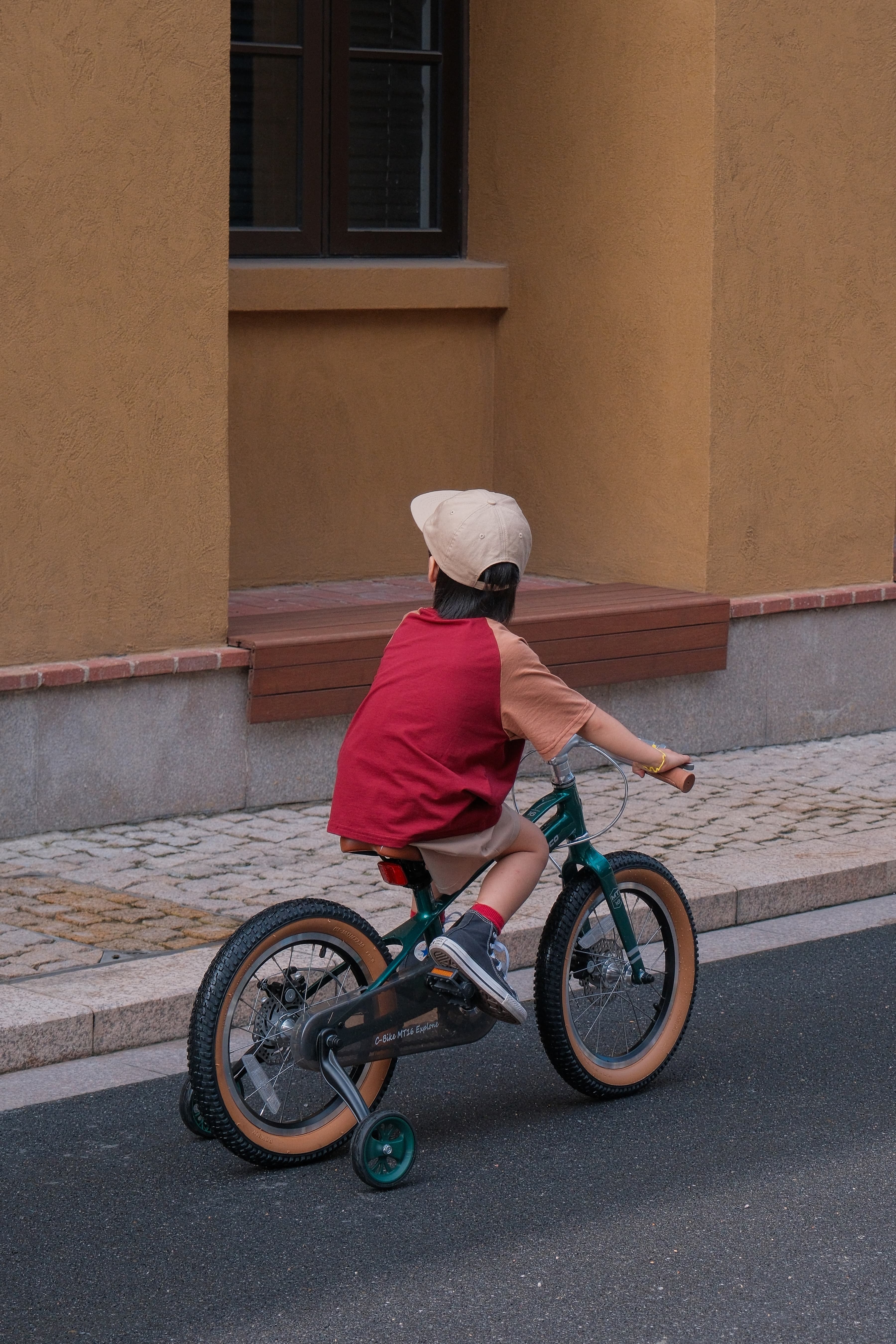
A capable kids bike manufacturer requires specialized equipment and facility design that supports consistent quality. Visit the manufacturing facility in person or request detailed video tours and documentation of production lines. Observe how a kids bike is assembled, painted, welded, and tested at each stage. Look for evidence of automated quality checkpoints, strain testing equipment, and paint application systems that minimize defects. A reputable kids bike manufacturer invests in modern machinery because it directly correlates with fewer defects and faster production schedules. The facility should demonstrate organized workflow, proper ventilation for paint operations, and dedicated quality control areas where each kids bike undergoes systematic inspection before packaging.
Workforce Expertise and Training
The quality of a kids bike ultimately depends on the skill and knowledge of the workforce. Inquire about employee training programs, particularly for assembly technicians and quality inspectors who directly influence kids bike safety. A reliable kids bike manufacturer conducts regular training on proper frame welding techniques, brake calibration, and quality standards. Request information about average worker tenure and employee turnover rates, as stable teams produce more consistent kids bike products. Ask about specific protocols for handling and storing components before a kids bike assembly begins, as environmental conditions affect material integrity. Manufacturers who invest in workforce development typically demonstrate superior kids bike quality and faster problem resolution when issues arise.
Evaluating Quality Control Systems and Testing Protocols
In-Process Quality Monitoring
A systematic approach to quality control distinguishes reliable kids bike manufacturers from mediocre competitors. The manufacturer should implement Statistical Process Control to monitor production parameters for each kids bike model. Every kids bike should undergo dimensional verification, paint adhesion testing, and frame stress analysis at multiple production stages rather than only final inspection. Request detailed documentation of their kids bike testing procedures, including acceptance criteria, sampling methods, and corrective action protocols. A robust quality system catches defects early when they are least expensive to remediate, protecting both your reputation and the manufacturer's efficiency. Ask how the kids bike manufacturer handles non-conforming units and whether they have procedures for root cause analysis when quality lapses occur.
Product Performance and Safety Testing
Beyond compliance certifications, evaluate how the kids bike manufacturer validates real-world performance. This includes testing brake stopping distances, handlebar pull-off resistance, wheel spoke tension consistency, and chain guard effectiveness for a kids bike. A thorough manufacturer conducts fatigue testing where representative kids bike samples endure accelerated cycling to simulate extended use. Request test data showing how a kids bike performs after simulated years of typical childhood riding. The manufacturer should provide evidence that their kids bike withstands impact, vibration, and stress without component failure or safety compromise. Ask for detailed failure reports and photos from safety testing, as this transparency reveals confidence in their kids bike design and manufacturing integrity.
Documentation and Traceability Systems
A reliable kids bike manufacturer maintains complete documentation linking each production batch to raw material suppliers, assembly details, quality test results, and shipment records. This traceability ensures that if a kids bike safety issue emerges, the manufacturer can quickly identify affected units and implement targeted corrective actions. Digital tracking systems allow real-time visibility into kids bike production status and quality metrics. Request access to their traceability documentation system to verify how thoroughly they track components and finished kids bike units. A manufacturer offering transparent access to production records demonstrates accountability and commitment to continuous improvement in their kids bike manufacturing process.
Assessing Communication, Support, and Relationship Stability
Responsiveness and Technical Support
A dependable kids bike manufacturer maintains responsive communication channels and provides technical support when production issues or design questions arise. Evaluate their average response time to inquiries and assess whether they proactively communicate about production milestones, potential delays, or quality improvements to their kids bike line. A reliable kids bike partner anticipates challenges and notifies you early rather than surprising you at shipping time. Request references from existing customers and ask specifically about the manufacturer's support during problem resolution and crisis situations. The quality of communication often reveals whether the kids bike manufacturer views importers as valued partners or transactional customers.
Financial Stability and Production Commitments
A reliable kids bike manufacturer should demonstrate financial stability and the ability to fulfill long-term supply commitments. Request financial statements or credit references that indicate stable operations and adequate cash flow to maintain production continuity. Verify that the manufacturer has sufficient inventory of key kids bike components to meet your order deadlines without compromising quality. Inquire about supply chain resilience—how the kids bike manufacturer sources raw materials and how they mitigate disruption risks. A manufacturer willing to share financial health indicators and supply chain strategies signals confidence and long-term commitment to serving your kids bike orders reliably.
FAQ
What are the most important certifications a kids bike manufacturer should have?
The critical certifications for a kids bike manufacturer include ASTM F1975-23 or EN 14765 for product safety compliance, ISO 9001 for quality management, and third-party lab testing documentation. Additionally, many importers prioritize CE marking in Europe and CPSIA compliance in North America for their kids bike products. Always request current certificates and verify validity with issuing organizations rather than accepting claims alone.
How can importers verify that a kids bike manufacturer actually conducts proper safety testing?
Request detailed test reports showing specific results for brake performance, frame strength, wheel integrity, and impact resistance on their kids bike models. Ask to visit the testing facility or review video documentation of kids bike safety tests. Request failure analysis reports from accelerated fatigue testing to confirm the kids bike meets real-world durability requirements. A transparent manufacturer willingly provides this documentation because it demonstrates their kids bike quality commitment.
What questions should importers ask about kids bike production capacity before committing to orders?
Ask the manufacturer their maximum annual production volume for kids bike units, average lead time from order to shipment, and minimum order quantities for different kids bike models. Inquire about inventory levels for critical kids bike components and how they manage supply chain disruptions. Understanding production capacity and flexibility ensures the kids bike manufacturer can reliably fulfill your order schedule without compromising quality or causing delays to your business.