
 EN
EN



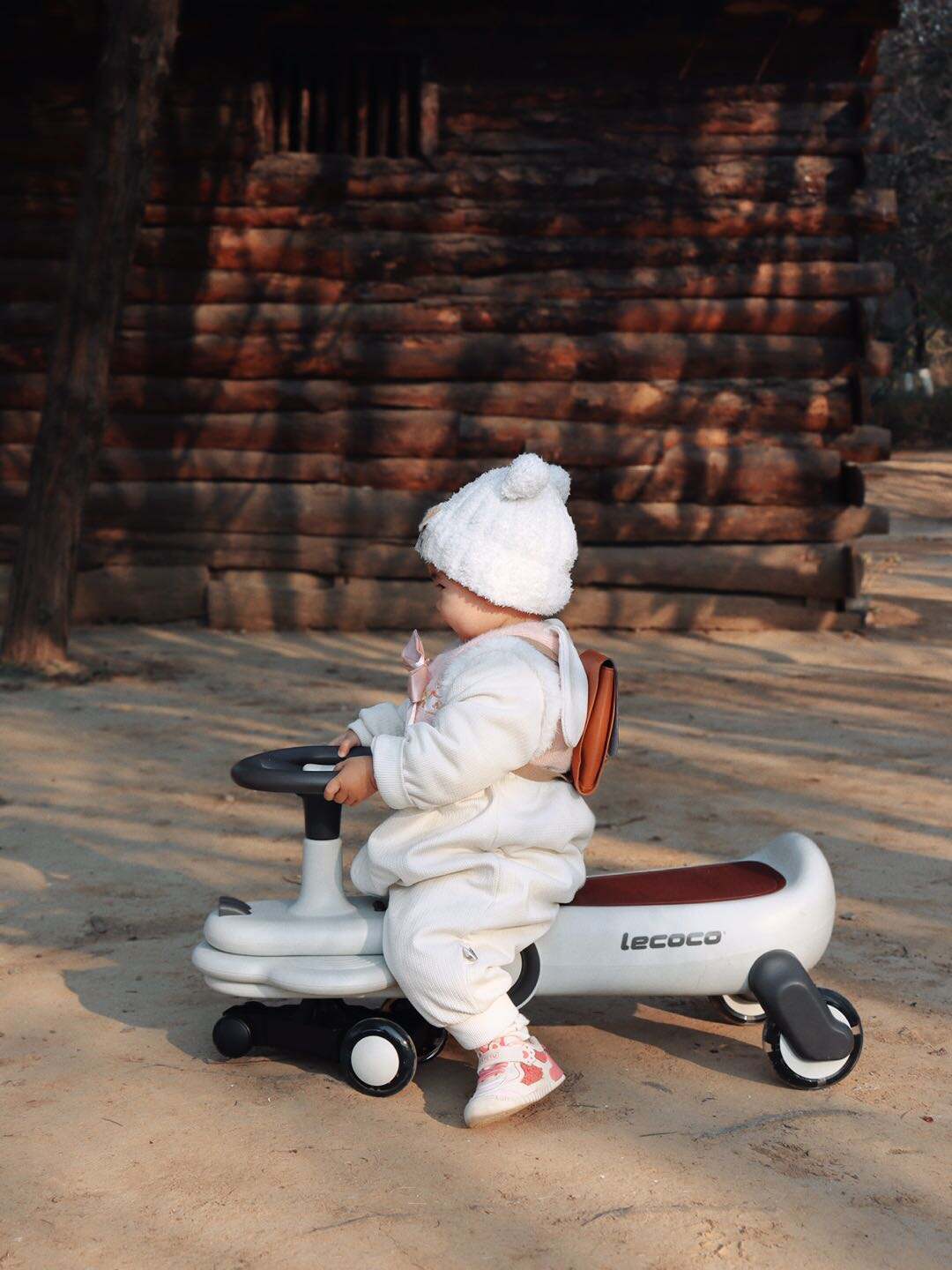
The development of motor skills in early childhood forms the foundation for countless physical activities throughout life. Parents and educators continuously seek engaging methods to encourage children's physical development while maintaining the fun aspect that keeps young learners motivated. A swing car represents an innovative solution that combines entertainment with developmental benefits, offering children an exciting way to enhance their coordination, balance, and spatial awareness. This unique riding toy operates without pedals, batteries, or gears, relying instead on the natural wiggling motion that children instinctively understand and enjoy.
Motor skill development encompasses both gross and fine motor abilities, with gross motor skills involving large muscle groups responsible for major movements like walking, running, and jumping. Fine motor skills focus on smaller muscle groups that control precise movements such as grasping objects or writing. The swing car primarily targets gross motor development while subtly supporting fine motor coordination through steering and balance adjustments. Understanding how this simple yet effective toy contributes to comprehensive motor development helps parents make informed decisions about their children's play equipment and developmental activities.
Understanding Motor Skill Development in Early Childhood
Fundamental Movement Patterns
Children typically develop motor skills through predictable patterns, beginning with basic reflexes and progressing to complex coordinated movements. The swing car supports this natural progression by encouraging children to experiment with different movement patterns in a safe, controlled environment. As children learn to maneuver their swing car, they practice weight shifting, directional changes, and momentum control, all essential components of advanced motor skill development.
The unique design of a swing car requires children to coordinate multiple body systems simultaneously. They must engage their core muscles for stability while using their legs and arms to generate forward motion through lateral movements. This multi-system coordination strengthens neural pathways between the brain and muscles, creating more efficient movement patterns that benefit other physical activities. Regular use of a swing car helps children develop muscle memory for complex movements, making future physical challenges easier to master.
Age-Appropriate Development Milestones
Different age groups benefit from swing car activities in various ways, as motor skill development follows specific timelines throughout early childhood. Toddlers between eighteen months and three years focus primarily on basic balance and steering, learning to coordinate simple movements while seated safely on their swing car. This age group develops spatial awareness as they navigate around obstacles and learn to judge distances and spaces.
Preschoolers aged three to five years demonstrate more sophisticated swing car skills, incorporating complex maneuvers like tight turns, speed control, and even simple racing games with siblings or friends. At this developmental stage, children refine their motor planning abilities, thinking ahead about movement sequences and adjusting their actions based on environmental feedback. The swing car becomes a tool for developing executive function skills alongside physical coordination.
Physical Benefits of Swing Car Activities
Core Strength and Stability Development
Operating a swing car requires continuous engagement of core muscles to maintain proper posture and balance throughout the riding experience. Children naturally develop stronger abdominal and back muscles as they work to stay upright while generating the twisting motions necessary for forward movement. This core strengthening occurs gradually and naturally through play, making it more sustainable and enjoyable than traditional exercise routines designed for young children.
The unstable nature of riding a swing car constantly challenges children's balance systems, forcing them to make micro-adjustments that strengthen stabilizing muscles throughout their torso and limbs. These small but frequent corrections improve proprioception, the body's ability to sense its position in space, which proves crucial for all future physical activities. Enhanced proprioception contributes to better coordination in sports, playground activities, and everyday movements like walking up stairs or catching a ball.
Coordination and Bilateral Integration
Bilateral integration refers to the ability to coordinate both sides of the body effectively, a skill essential for activities ranging from riding bicycles to writing letters. The swing car promotes bilateral integration by requiring children to coordinate opposite-side movements while maintaining forward momentum. This cross-lateral coordination strengthens connections between the left and right hemispheres of the brain, supporting cognitive development alongside physical growth.
The steering mechanism of a swing car demands precise coordination between arms and the core body, as children learn to adjust their upper body position to influence direction changes. This hand-eye coordination transfers to numerous other activities, including ball sports, art projects, and academic tasks requiring precise motor control. Children who regularly use swing cars often demonstrate improved coordination in various physical challenges compared to peers with limited exposure to similar coordination-demanding activities.
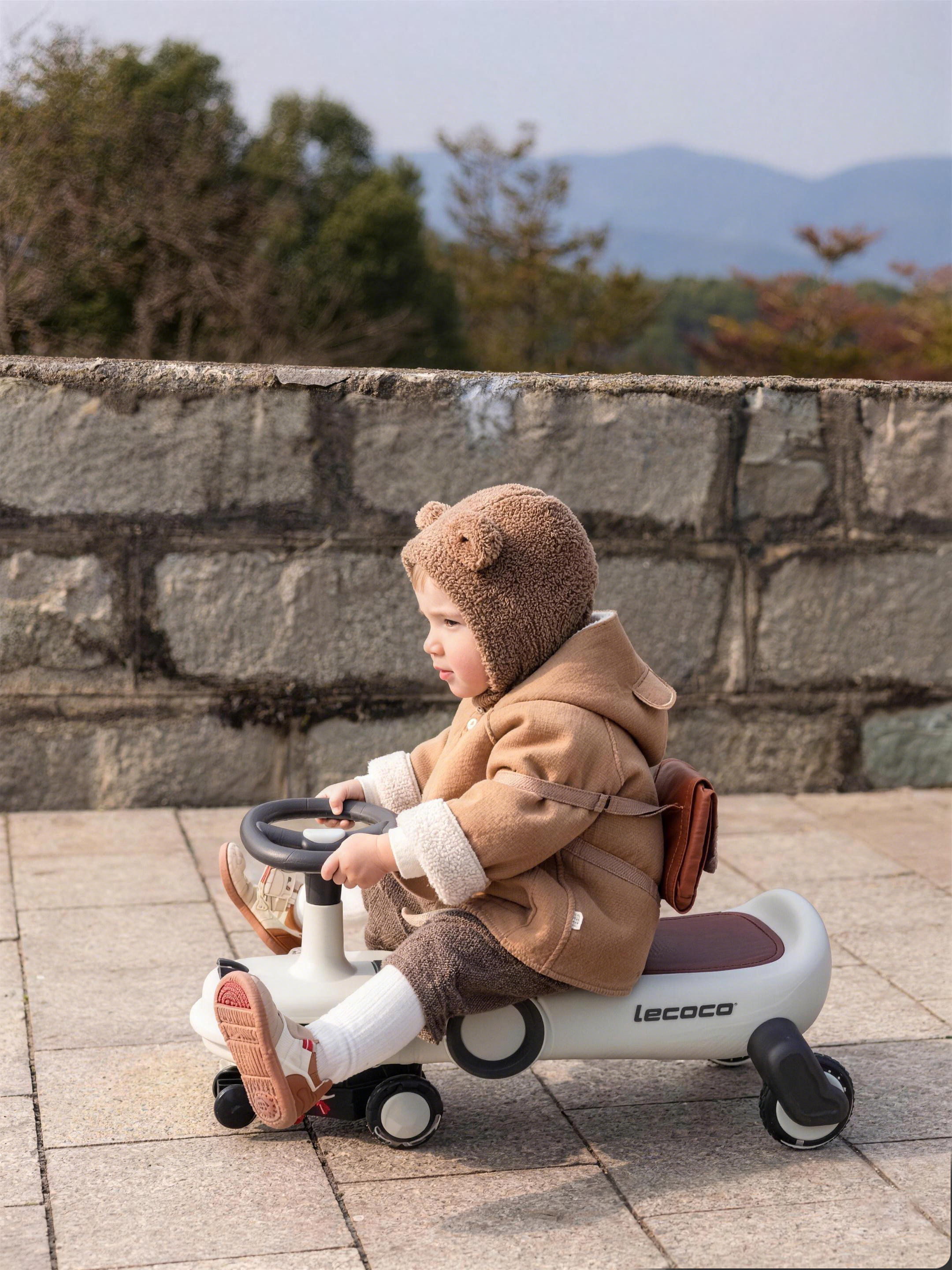
Cognitive Development Through Physical Play
Spatial Awareness and Problem Solving
Navigating with a swing car develops children's spatial intelligence as they learn to judge distances, estimate speeds, and predict movement patterns. These cognitive skills extend far beyond physical play, supporting mathematical concepts like geometry, measurement, and spatial relationships. Children unconsciously practice physics principles while experimenting with momentum, friction, and directional changes during swing car activities.
Problem-solving opportunities arise naturally during swing car play as children encounter obstacles, navigate tight spaces, or attempt challenging maneuvers. They learn to analyze situations quickly, develop strategies for overcoming difficulties, and adapt their approaches based on results. This type of experiential learning builds confidence in tackling new challenges and develops resilience when initial attempts don't succeed as planned.
Executive Function Development
Executive function skills include working memory, cognitive flexibility, and inhibitory control, all of which receive indirect support through structured swing car activities. Children must remember movement sequences, adapt to changing conditions, and control impulsive behaviors to ride successfully and safely. These cognitive skills prove essential for academic success and social interactions throughout childhood and beyond.
Planning and sequencing abilities develop as children learn to anticipate the results of their movements and adjust their actions accordingly. The swing car requires forward thinking about direction changes, speed modifications, and obstacle avoidance, all of which strengthen cognitive processing skills. Children who engage regularly in this type of planning-intensive play often demonstrate improved organizational skills and better performance on cognitive assessments.
Social and Emotional Benefits
Building Confidence and Independence
Mastering swing car operation provides children with a significant sense of accomplishment and personal achievement. The learning process involves gradual skill building, allowing children to experience success at their own pace while working toward more challenging goals. This progressive mastery builds self-confidence and encourages children to attempt other challenging physical activities with greater enthusiasm and persistence.
Independence develops naturally as children gain control over their swing car movements and begin exploring their environment with greater autonomy. Parents can gradually increase the complexity of play areas and challenges, supporting children's growing confidence while maintaining appropriate safety measures. This balance between freedom and guidance helps children develop good judgment about risk assessment and personal limitations.
Social Interaction and Cooperative Play
Swing car activities often become social experiences when multiple children play together, creating opportunities for cooperative games, friendly competitions, and shared problem-solving. Children learn to take turns, negotiate play rules, and support each other's learning processes. These social interactions develop communication skills and emotional intelligence while maintaining the physical benefits of active play.
Group swing car activities can incorporate various games that require teamwork, such as obstacle courses, follow-the-leader games, or relay races. These structured activities teach children about fair play, rule following, and gracious winning or losing. The combination of physical challenge and social interaction creates memorable experiences that children associate with positive feelings about physical activity and peer relationships.
Safety Considerations and Best Practices
Age-Appropriate Usage Guidelines
Proper swing car usage requires careful attention to manufacturer guidelines regarding age ranges, weight limits, and recommended supervision levels. Most swing cars accommodate children from eighteen months to eight years, though specific models may have different specifications. Parents should verify that their chosen swing car meets safety standards and provides appropriate support for their child's current developmental stage.
Supervision requirements vary based on children's ages and skill levels, with younger children needing constant adult oversight while older children may play more independently in safe environments. Creating clear boundaries for swing car use helps children understand expectations while allowing them sufficient freedom to explore and experiment. Regular safety discussions help children develop their own safety awareness and decision-making skills.
Creating Safe Play Environments
Optimal swing car environments feature smooth, level surfaces with adequate space for maneuvering and minimal obstacles or hazards. Indoor use requires sufficient ceiling height and furniture arrangement that accommodates active play without creating collision risks. Outdoor spaces should be free from traffic, steep slopes, and dangerous obstacles while providing enough room for children to practice various movements and games.
Surface selection significantly impacts both safety and skill development, with smooth concrete, hardwood floors, or specialized play mats providing ideal conditions for swing car operation. Rough or uneven surfaces can interfere with proper movement patterns and may increase injury risks. Parents should regularly inspect play areas for potential hazards and maintain equipment in good working condition through routine cleaning and mechanical checks.
Selecting the Right Swing Car
Design Features and Quality Considerations
Quality swing car construction includes durable materials, smooth-operating wheels, comfortable seating, and secure steering mechanisms that can withstand regular use by active children. Look for models with rounded edges, non-toxic finishes, and weight distributions that promote stability during use. Some swing cars include additional features like storage compartments, adjustable seats, or enhanced steering systems that may benefit specific age groups or usage patterns.
Wheel quality significantly affects the swing car experience, with high-quality wheels providing smooth operation while protecting floor surfaces from damage. Some models feature specialized wheels designed for specific surfaces or noise reduction, which can be important considerations for indoor use. The overall build quality should reflect the expected usage intensity and duration, with higher-quality models typically offering better longevity and performance.
Matching Products to Individual Needs
Different children may benefit from specific swing car features based on their individual developmental needs, physical characteristics, and play preferences. Some children with balance challenges may prefer models with additional stability features, while others may enjoy swing cars with enhanced maneuverability for complex play scenarios. Consider factors like available play space, intended usage frequency, and long-term developmental goals when selecting appropriate models.
Budget considerations should balance initial costs with expected durability and developmental benefits over time. Higher-quality swing cars often provide better value through extended usability, improved safety features, and enhanced developmental support. Research customer reviews and safety ratings to make informed decisions that prioritize both affordability and effectiveness for supporting motor skill development goals.
FAQ
At what age can children safely begin using a swing car
Most children can safely begin using a swing car around eighteen months of age, provided they can sit upright independently and demonstrate basic balance skills. However, constant adult supervision is essential for children under three years old. The ideal starting age varies based on individual development, with some children ready earlier while others may need additional time to develop necessary coordination and balance abilities.
How long should children play with swing cars for optimal development benefits
Children typically benefit from fifteen to thirty minutes of active swing car play per session, depending on their age, energy levels, and attention spans. Younger children may prefer shorter sessions with frequent breaks, while older children can engage in longer play periods. The key is maintaining engagement and enjoyment while avoiding fatigue that could lead to accidents or negative associations with physical activity.
Can swing cars help children who struggle with traditional balance activities
Swing cars can be particularly beneficial for children who find traditional balance activities challenging, as the seated position provides additional stability while still requiring active balance engagement. The low center of gravity and four-wheel design create a safer environment for practicing balance skills compared to bicycles or scooters. Many occupational therapists recommend swing cars as part of comprehensive motor skill development programs for children with various developmental needs.
What maintenance is required to keep swing cars safe and functional
Regular swing car maintenance includes checking wheel condition and rotation, inspecting the steering mechanism for smooth operation, and cleaning surfaces to prevent buildup of dirt or debris that could affect performance. Monthly safety inspections should verify that all components remain securely attached and show no signs of excessive wear or damage. Proper storage in dry conditions helps prevent rust or deterioration of metal components and extends the overall lifespan of the equipment.