
 EN
EN



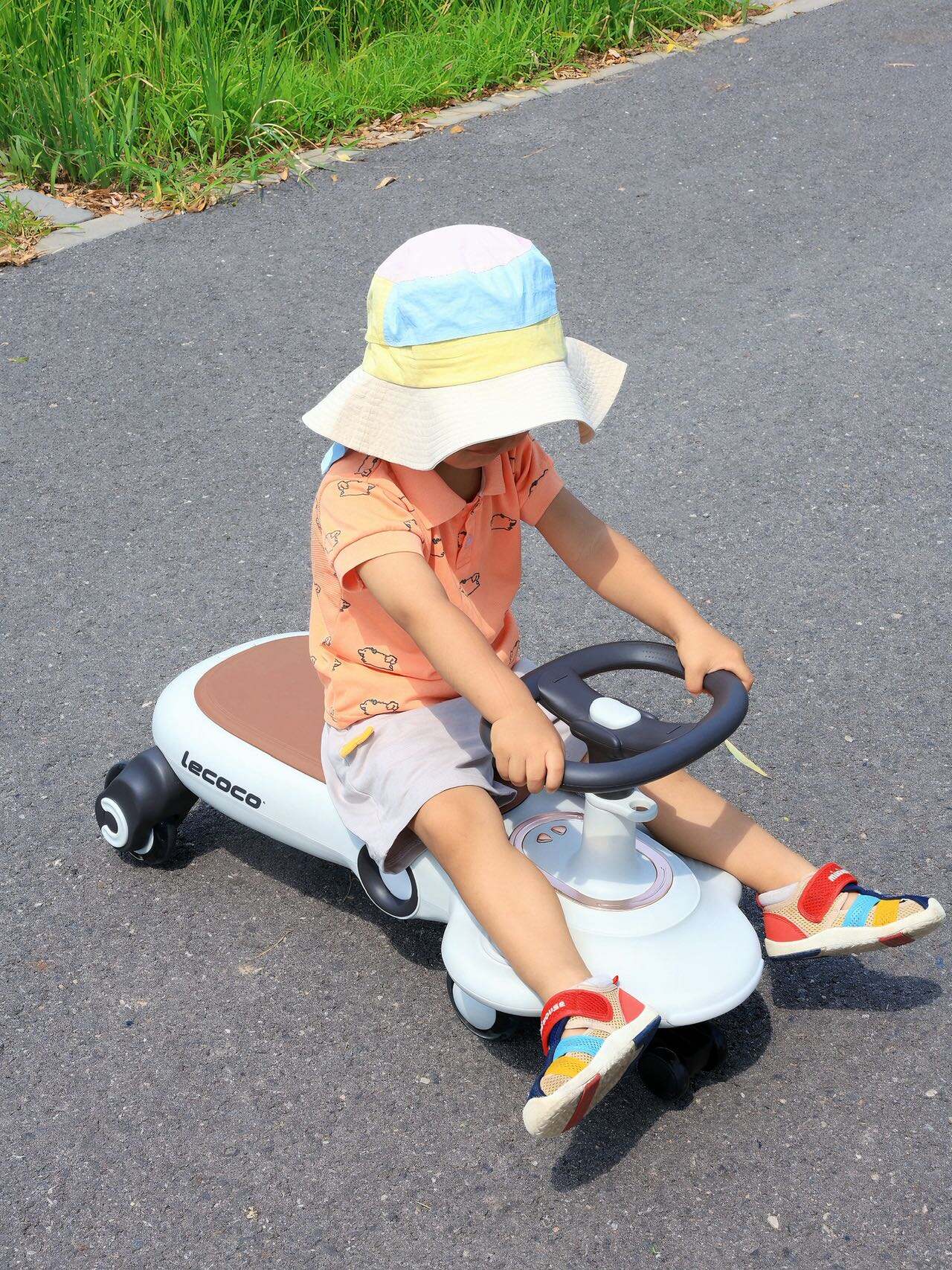
The modern playground landscape has evolved dramatically, with safety-conscious parents seeking toys that deliver maximum entertainment while minimizing injury risks. Among these innovative solutions, the swing car stands out as a revolutionary ride-on toy that transforms traditional play experiences. Unlike conventional wheeled toys that require pedaling or pushing, swing cars operate through an intuitive steering mechanism that harnesses natural body movements, creating a safer and more engaging play environment for children of all ages.
The engineering brilliance behind swing car design lies in its simplicity and biomechanical efficiency. These innovative vehicles eliminate the need for batteries, pedals, or external power sources, instead relying on the rider's natural wiggling motion to generate forward momentum. This fundamental design principle not only reduces mechanical failure points but also creates a more intuitive and safer riding experience that aligns with children's natural movement patterns.
Safety statistics from pediatric injury research consistently highlight the risks associated with traditional ride-on toys, particularly those with exposed mechanical components or high-speed capabilities. The swing car addresses these concerns through its low-profile design, stable wheelbase, and controlled speed limitations that naturally prevent dangerous acceleration while maintaining the excitement factor that children crave during active play sessions.
Revolutionary Safety Features That Set Swing Cars Apart
Low Center of Gravity Design
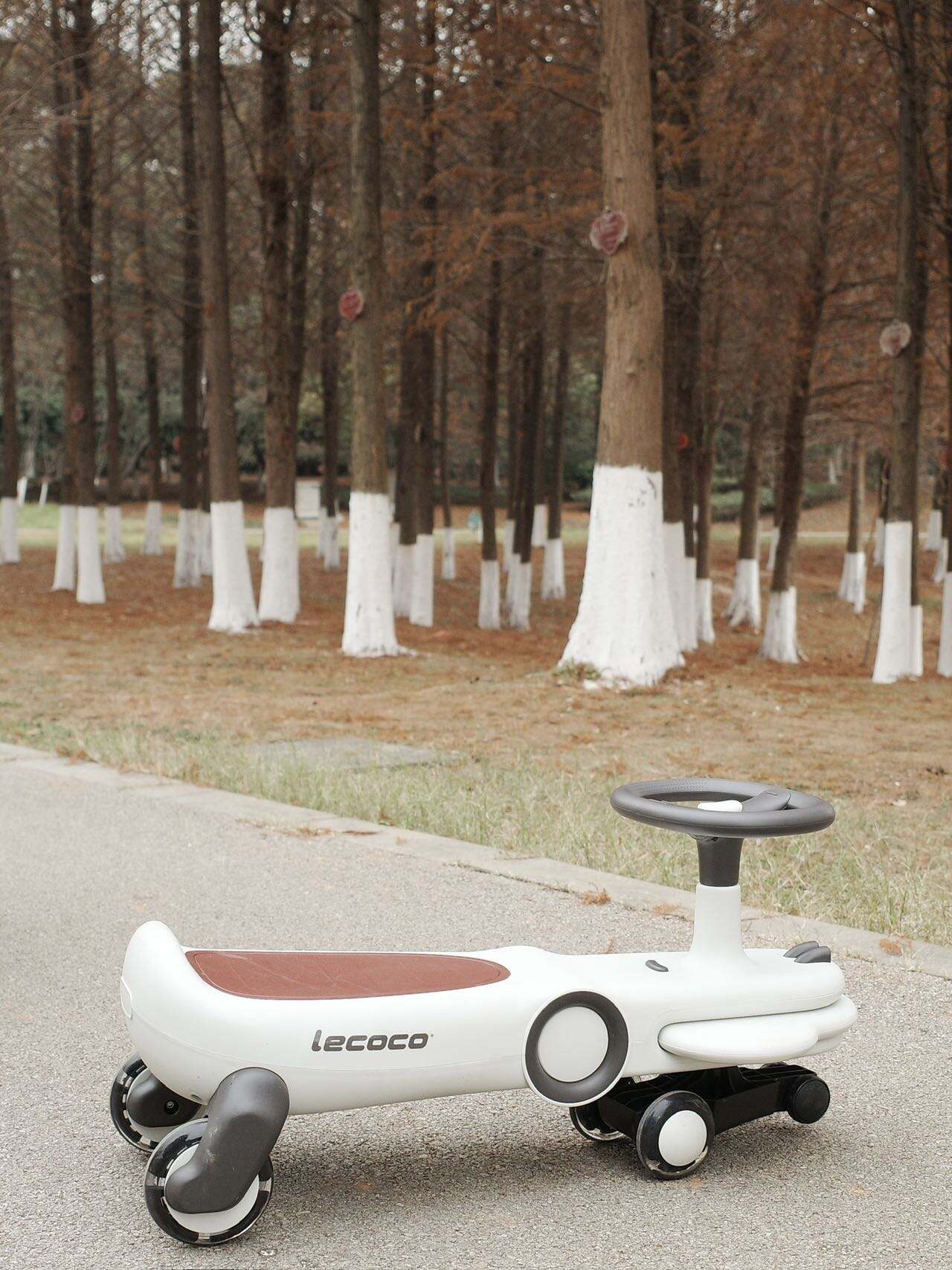
The swing car incorporates a strategically engineered low center of gravity that significantly reduces rollover risks compared to traditional ride-on vehicles. This design feature ensures that even during enthusiastic play sessions, the vehicle maintains optimal stability and control. The wide wheelbase configuration distributes weight evenly across the platform, creating a stable foundation that accommodates various riding styles and user weights without compromising safety performance.
Engineering analysis reveals that the low-profile structure of a typical swing car creates a rollover threshold that exceeds normal play parameters by substantial margins. This safety buffer means that children can engage in dynamic play without parents constantly worrying about tipping incidents that commonly occur with higher-profile ride-on toys or tricycles with elevated seating positions.
Self-Limiting Speed Control
One of the most remarkable safety innovations in swing car technology is the inherent speed limitation created by the wiggle-propulsion system. Unlike motorized or pedal-powered vehicles that can achieve dangerous speeds, the swing car naturally caps velocity based on the rider's physical capabilities and energy output. This self-regulating mechanism ensures that play remains within safe parameters while still providing thrilling entertainment value.
The biomechanical requirements of swing car operation create a natural fatigue factor that prevents extended high-speed play, effectively building in rest periods that reduce injury risks associated with prolonged intense activity. This physiological speed control system works seamlessly with the vehicle's mechanical design to create multiple layers of safety protection during every play session.
Enhancing Physical Development Through Safe Play
Core Strength and Balance Development
Regular swing car use provides exceptional opportunities for developing core muscle strength and proprioceptive awareness in young riders. The wiggling motion required for propulsion engages multiple muscle groups simultaneously, creating a full-body workout disguised as pure entertainment. This physical engagement promotes healthy development while maintaining the fun factor that keeps children actively participating in beneficial exercise routines.
Physical therapists and child development specialists increasingly recognize the swing car as an effective tool for improving balance, coordination, and spatial awareness. The continuous micro-adjustments required for steering and momentum control help children develop sophisticated motor skills that transfer to other physical activities and contribute to overall athletic development and injury prevention in future sports participation.
Cognitive Skill Enhancement
The operational complexity of swing car control systems provides excellent cognitive development opportunities through cause-and-effect learning experiences. Children quickly learn to correlate specific body movements with directional changes and speed variations, developing problem-solving skills and spatial reasoning abilities that extend far beyond the immediate play experience into academic and life skill applications.
Research indicates that the hand-eye coordination required for effective swing car operation contributes significantly to neural pathway development associated with fine motor control and executive function. These cognitive benefits accumulate over time, creating lasting developmental advantages that support academic performance and social skill development throughout childhood and adolescence.
Comparative Safety Analysis with Traditional Ride-On Toys
Injury Prevention Statistics
Comprehensive safety data analysis reveals that swing car incidents result in significantly fewer and less severe injuries compared to traditional bicycles, scooters, and motorized ride-on vehicles. The absence of exposed chains, gears, or sharp mechanical components eliminates common laceration and entanglement injuries that frequently occur with conventional wheeled toys during active play scenarios.
Emergency room statistics consistently show that swing car-related injuries are predominantly minor scrapes or bruises resulting from falls at low speeds, contrasting sharply with the serious fractures and head injuries associated with higher-velocity ride-on toys. This safety profile makes the swing car an attractive option for parents seeking active play solutions without accepting elevated injury risks.
Environmental Safety Considerations
The quiet operation of swing cars provides significant environmental safety advantages in residential settings where noise complaints and neighbor relations are concerns. Unlike motorized alternatives that generate substantial noise pollution, swing cars operate silently, allowing for extended play sessions without disturbing surrounding households or violating community noise ordinances.
The absence of fuel requirements, battery disposal needs, or electrical charging systems eliminates various environmental hazards and maintenance complications associated with powered ride-on vehicles. This simplified operational profile reduces both safety risks and ongoing ownership responsibilities while maintaining high entertainment value for active children seeking engaging play experiences.
Age-Appropriate Usage Guidelines for Maximum Safety
Toddler Safety Considerations
For younger children, swing car introduction should follow specific safety protocols that account for developing motor skills and cognitive abilities. Supervised play sessions allow parents to assess readiness levels and provide guidance for safe operation techniques. The intuitive nature of swing car controls typically allows successful operation for children as young as three years old, though individual development variations require careful evaluation before independent play approval.
Weight limitations and size considerations ensure that toddlers can maintain proper control while avoiding overwhelming mechanical challenges. The gradual learning curve associated with swing car mastery allows children to build confidence and competence progressively, reducing frustration-related safety risks that can occur when toys exceed developmental capabilities.
Advanced Techniques for Older Children
As children develop proficiency with basic swing car operation, advanced techniques can be safely introduced to maintain engagement and challenge levels. Slalom courses, precision steering exercises, and collaborative play scenarios provide opportunities for skill development while maintaining safety parameters through structured activity design and appropriate supervision levels.
The durability and weight capacity of quality swing cars accommodate growing children through multiple developmental stages, providing excellent value through extended usability periods. This longevity factor reduces the need for frequent toy replacement while maintaining safety standards throughout the extended usage lifecycle.
Maintenance and Longevity for Sustained Safety Performance
Routine Inspection Protocols
Maintaining optimal safety performance requires regular inspection of critical swing car components, including wheel integrity, steering mechanism function, and structural joint stability. Simple visual inspections can identify potential issues before they compromise safety, ensuring that the vehicle continues to provide secure play experiences throughout its operational lifespan.
The minimal mechanical complexity of swing cars simplifies maintenance requirements compared to more complex ride-on alternatives. Most maintenance needs involve basic cleaning and occasional lubrication of moving parts, tasks that can be easily accomplished by parents without specialized tools or technical expertise, ensuring consistent safety performance over time.
Storage and Environmental Protection
Proper storage techniques protect swing cars from environmental damage that could compromise safety performance over time. Indoor storage prevents weather-related deterioration of plastic components and metal hardware, while elevated storage locations protect against moisture damage and pest intrusion that can affect structural integrity and operational safety.
UV protection considerations for outdoor storage ensure that plastic components maintain structural strength and color stability over extended periods. These preservation techniques extend the safe operational lifespan of swing cars while maintaining their aesthetic appeal and functional performance throughout years of active use.
FAQ
What age range is most appropriate for swing car use?
Swing cars are typically suitable for children aged 3 to 8 years, though individual development varies significantly. The key factors include the child's ability to sit independently, coordinate steering movements, and understand basic safety instructions. Most children can begin using swing cars around age 3 with supervision, and many continue enjoying them well into elementary school years due to the engaging nature of the self-propelled design.
How do swing cars compare to traditional tricycles in terms of safety?
Swing cars offer several safety advantages over traditional tricycles, including a lower center of gravity that reduces rollover risks, self-limiting speed based on the rider's energy output, and elimination of pedal entanglement hazards. The absence of chains, gears, and other mechanical components also reduces pinching and laceration risks that can occur with conventional pedal-powered vehicles during active play.
Can swing cars be used safely on different surface types?
Swing cars perform best on smooth, flat surfaces such as indoor floors, driveways, and paved pathways. While they can be used on grass or other soft surfaces, the effectiveness and safety decrease on uneven terrain. Rough surfaces can impede wheel movement and increase tipping risks, so supervision and surface assessment are important considerations for safe operation in various environments.
What maintenance is required to keep a swing car safe for use?
Regular maintenance for swing cars includes checking wheel attachment security, inspecting the steering mechanism for smooth operation, and examining the seat and body for cracks or damage. Cleaning the vehicle regularly prevents dirt buildup that could affect moving parts, and storing it in a dry location protects against rust and weather damage. Most maintenance tasks are simple and can be completed by parents without special tools.