
 EN
EN



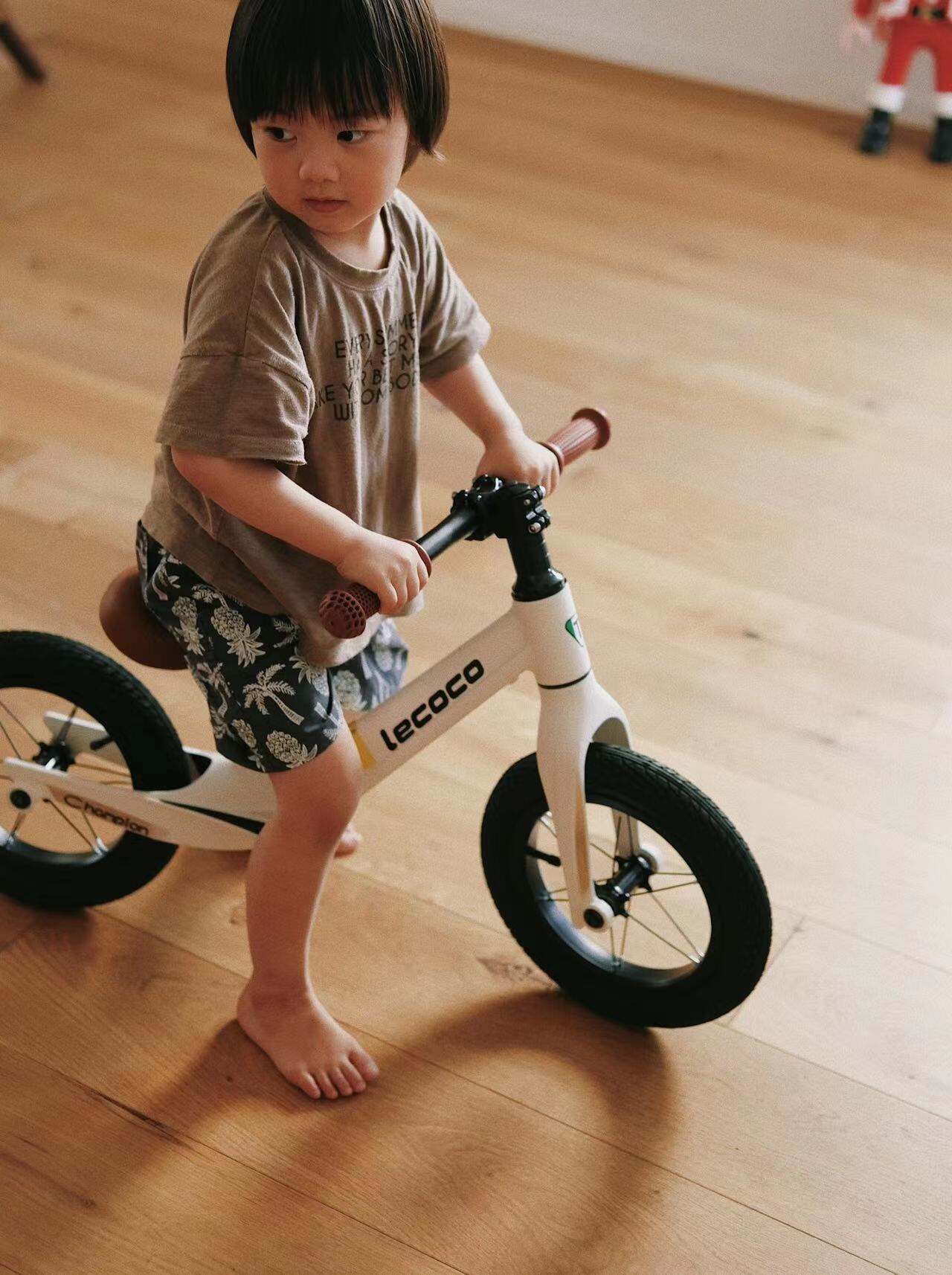
When distributors seek to partner with manufacturers in the children's bicycle industry, selecting the right balance bike supplier becomes a critical business decision that directly impacts long-term success. The growing demand for quality balance bikes has created a competitive marketplace where distributors must carefully evaluate potential suppliers based on multiple quality criteria. Understanding how to assess manufacturing standards, safety certifications, and production capabilities enables distributors to make informed decisions that protect their brand reputation while meeting customer expectations.
Manufacturing Quality Standards Assessment
Production Facility Evaluation
A reliable balance bike supplier should maintain state-of-the-art manufacturing facilities equipped with modern machinery and quality control systems. Distributors should conduct thorough facility inspections to assess cleanliness, organization, and adherence to international manufacturing standards. The production environment reveals much about a supplier's commitment to quality, from material storage conditions to final assembly processes.
Modern balance bike suppliers typically invest in automated welding equipment, precision cutting tools, and computer-controlled painting systems to ensure consistent product quality. The presence of quality control checkpoints throughout the production line indicates a systematic approach to maintaining standards. Distributors should observe whether workers follow established protocols and whether the supplier maintains detailed production records for traceability purposes.
Material Quality and Sourcing
Premium balance bike suppliers source materials from reputable vendors and maintain strict incoming material inspection processes. Steel tubing, aluminum alloys, and plastic components should meet specified grades and quality standards. Distributors should request material certificates and supplier qualification documents to verify the authenticity and quality of raw materials used in production.
The best balance bike supplier partners establish long-term relationships with material vendors, ensuring consistent quality and reliable supply chains. Paint and coating materials require particular attention, as they must be non-toxic, durable, and suitable for children's products. Suppliers should provide comprehensive material safety data sheets and demonstrate proper storage and handling procedures for all materials used in balance bike production.
Safety Certification and Compliance Verification
International Safety Standards
Reputable balance bike suppliers maintain certifications from recognized testing laboratories and comply with international safety standards such as ASTM, EN71, and CPSC requirements. These certifications demonstrate that products have undergone rigorous testing for structural integrity, chemical safety, and age-appropriate design features. Distributors should verify the validity of certificates and ensure they cover all models intended for distribution.
Safety testing encompasses multiple aspects including load testing, impact resistance, stability assessments, and chemical composition analysis. A qualified balance bike supplier will readily provide test reports and maintain updated certifications for all product lines. The testing frequency and scope should align with international standards and target market requirements.
Documentation and Traceability
Comprehensive documentation systems enable balance bike suppliers to track products from raw materials through final delivery. Proper documentation includes material certificates, production records, quality control checklists, and testing reports for each batch produced. This traceability becomes essential for addressing any quality issues or safety concerns that may arise after products reach the market.
Leading suppliers implement electronic record-keeping systems that facilitate quick retrieval of production data and enable rapid response to any quality inquiries. Distributors should evaluate the supplier's ability to provide detailed product genealogy information and demonstrate their capacity to implement corrective actions when necessary.

Production Capacity and Scalability
Manufacturing Volume Capabilities
Understanding a balance bike supplier's production capacity helps distributors assess whether the partnership can support business growth objectives. Suppliers should provide detailed information about daily, monthly, and annual production capabilities across different product models. Peak season capacity planning becomes crucial for meeting holiday demand and avoiding stockouts during critical selling periods.
Flexible manufacturing systems allow balance bike suppliers to adjust production schedules based on distributor requirements while maintaining quality standards. The ability to scale production up or down efficiently demonstrates operational maturity and suggests the supplier can accommodate changing market demands without compromising product quality or delivery schedules.
Lead Time Management
Consistent and predictable lead times enable distributors to plan inventory levels and meet customer commitments effectively. Professional balance bike suppliers provide realistic delivery schedules and maintain clear communication throughout the production and shipping process. Factors affecting lead times include material procurement, production scheduling, quality control processes, and shipping logistics.
The best suppliers implement just-in-time manufacturing principles while maintaining buffer capacity to handle unexpected demand fluctuations. They should demonstrate historical performance in meeting delivery commitments and explain their contingency plans for addressing potential delays caused by material shortages or production issues.
Quality Control Systems and Processes
Inspection Protocols
Systematic quality control processes distinguish professional balance bike suppliers from less sophisticated manufacturers. Multi-stage inspection protocols should cover incoming materials, work-in-progress assemblies, and finished products before packaging. Each inspection stage requires documented procedures, trained personnel, and appropriate measuring equipment to ensure consistent application of quality standards.
Random sampling methods and statistical process control techniques help balance bike suppliers identify quality trends and implement preventive measures before defects reach customers. Quality control records provide valuable data for continuous improvement initiatives and demonstrate the supplier's commitment to maintaining high standards throughout the production process.
Defect Management and Corrective Actions
Effective defect management systems enable balance bike suppliers to identify root causes of quality issues and implement sustainable corrective actions. Suppliers should maintain detailed records of nonconforming products, including disposition decisions and preventive measures taken to avoid recurrence. The speed and thoroughness of corrective action responses indicate the supplier's quality management maturity.
Leading suppliers conduct regular internal audits and management reviews to evaluate quality system effectiveness and identify improvement opportunities. They should demonstrate willingness to share quality performance data with distributors and collaborate on quality improvement initiatives that benefit both parties.
Supply Chain Reliability and Risk Management
Vendor Management Systems
Professional balance bike suppliers maintain approved vendor lists and conduct regular supplier audits to ensure consistent material quality and delivery performance. Vendor qualification processes should include capability assessments, quality system evaluations, and financial stability reviews. Diversified supplier bases reduce risks associated with material shortages or quality issues from individual vendors.
Strong vendor relationships enable balance bike suppliers to negotiate favorable terms, secure priority allocation during material shortages, and collaborate on product improvements. Suppliers should demonstrate their ability to manage vendor performance through scorecards, regular reviews, and development programs that enhance overall supply chain capabilities.
Risk Mitigation Strategies
Comprehensive risk management approaches help balance bike suppliers maintain operational continuity despite potential disruptions from natural disasters, political instability, or economic fluctuations. Risk mitigation strategies may include geographic diversification of suppliers, strategic inventory management, and alternative production arrangements with partner facilities.
Insurance coverage for product liability, business interruption, and cargo protection demonstrates a balance bike supplier's commitment to protecting distributor interests. Suppliers should maintain adequate coverage limits and provide certificates of insurance to distributors as part of the partnership agreement.
Customer Service and Technical Support
Communication Capabilities
Effective communication between balance bike suppliers and distributors requires multilingual capabilities, responsive customer service teams, and clear escalation procedures for addressing urgent issues. Suppliers should assign dedicated account managers who understand distributor business requirements and can coordinate internal resources to resolve problems quickly.
Modern communication tools including video conferencing, instant messaging, and project management platforms facilitate real-time collaboration between suppliers and distributors. Regular business reviews and performance meetings help maintain alignment on quality expectations, delivery schedules, and market development initiatives.
Technical Expertise and Product Development
Balance bike suppliers with strong technical capabilities can provide valuable support for product customization, market-specific adaptations, and new product development projects. Engineering expertise in areas such as frame design, component selection, and manufacturing processes enables suppliers to offer innovative solutions that differentiate distributor product offerings.
Collaborative product development relationships allow balance bike suppliers and distributors to share market insights, incorporate customer feedback, and develop products that meet specific market requirements. Suppliers should demonstrate willingness to invest in research and development activities that support long-term partnership growth.
Financial Stability and Business Practices
Financial Health Assessment
Evaluating the financial stability of a balance bike supplier helps distributors assess partnership risks and ensure long-term supply security. Financial health indicators include credit ratings, bank references, audited financial statements, and payment history with other business partners. Stable suppliers typically maintain healthy cash flows, reasonable debt levels, and consistent profitability.
Long-term contracts and business relationships require confidence in the supplier's ability to fulfill commitments throughout economic cycles. Balance bike suppliers should demonstrate financial resilience through diversified customer bases, flexible cost structures, and adequate working capital to support operations during challenging market conditions.
Ethical Business Standards
Responsible balance bike suppliers adhere to ethical business practices including fair labor standards, environmental compliance, and transparent business operations. Social compliance audits verify adherence to labor laws, workplace safety requirements, and anti-corruption policies. These practices protect distributor brands from reputational risks associated with unethical supplier behavior.
Environmental responsibility initiatives such as waste reduction programs, energy efficiency improvements, and sustainable material sourcing demonstrate a balance bike supplier's commitment to corporate social responsibility. These practices increasingly influence customer purchasing decisions and support distributor sustainability objectives.
FAQ
What certifications should a reliable balance bike supplier maintain?
A reputable balance bike supplier should maintain relevant safety certifications such as ASTM F963, EN 71, CPSC compliance, and ISO 9001 quality management certification. Additionally, they should provide certificates for materials used, including non-toxic paint certifications and metal composition certificates. These certifications ensure products meet international safety standards and regulatory requirements in target markets.
How can distributors verify the production capacity claims of a balance bike supplier?
Distributors can verify production capacity through facility tours, production record reviews, and references from existing customers. Request detailed production schedules, equipment specifications, and workforce information to assess actual capabilities. Additionally, start with smaller orders to evaluate delivery performance before committing to larger volume commitments with the balance bike supplier.
What key quality control processes should distributors look for in a balance bike supplier?
Essential quality control processes include incoming material inspection, in-process quality checks, final product testing, and documented inspection records. The balance bike supplier should demonstrate statistical process control methods, regular equipment calibration, and trained quality control personnel. Look for suppliers who conduct regular internal audits and maintain comprehensive quality management systems.
How important is geographic location when selecting a balance bike supplier?
Geographic location affects shipping costs, lead times, communication challenges, and regulatory compliance requirements. While location is important, it should be balanced against quality standards, production capabilities, and total cost of ownership. Many successful balance bike suppliers operate globally and have developed effective systems to manage geographic challenges while maintaining high quality standards.
Table of Contents
- Manufacturing Quality Standards Assessment
- Safety Certification and Compliance Verification
- Production Capacity and Scalability
- Quality Control Systems and Processes
- Supply Chain Reliability and Risk Management
- Customer Service and Technical Support
- Financial Stability and Business Practices
-
FAQ
- What certifications should a reliable balance bike supplier maintain?
- How can distributors verify the production capacity claims of a balance bike supplier?
- What key quality control processes should distributors look for in a balance bike supplier?
- How important is geographic location when selecting a balance bike supplier?