
 EN
EN



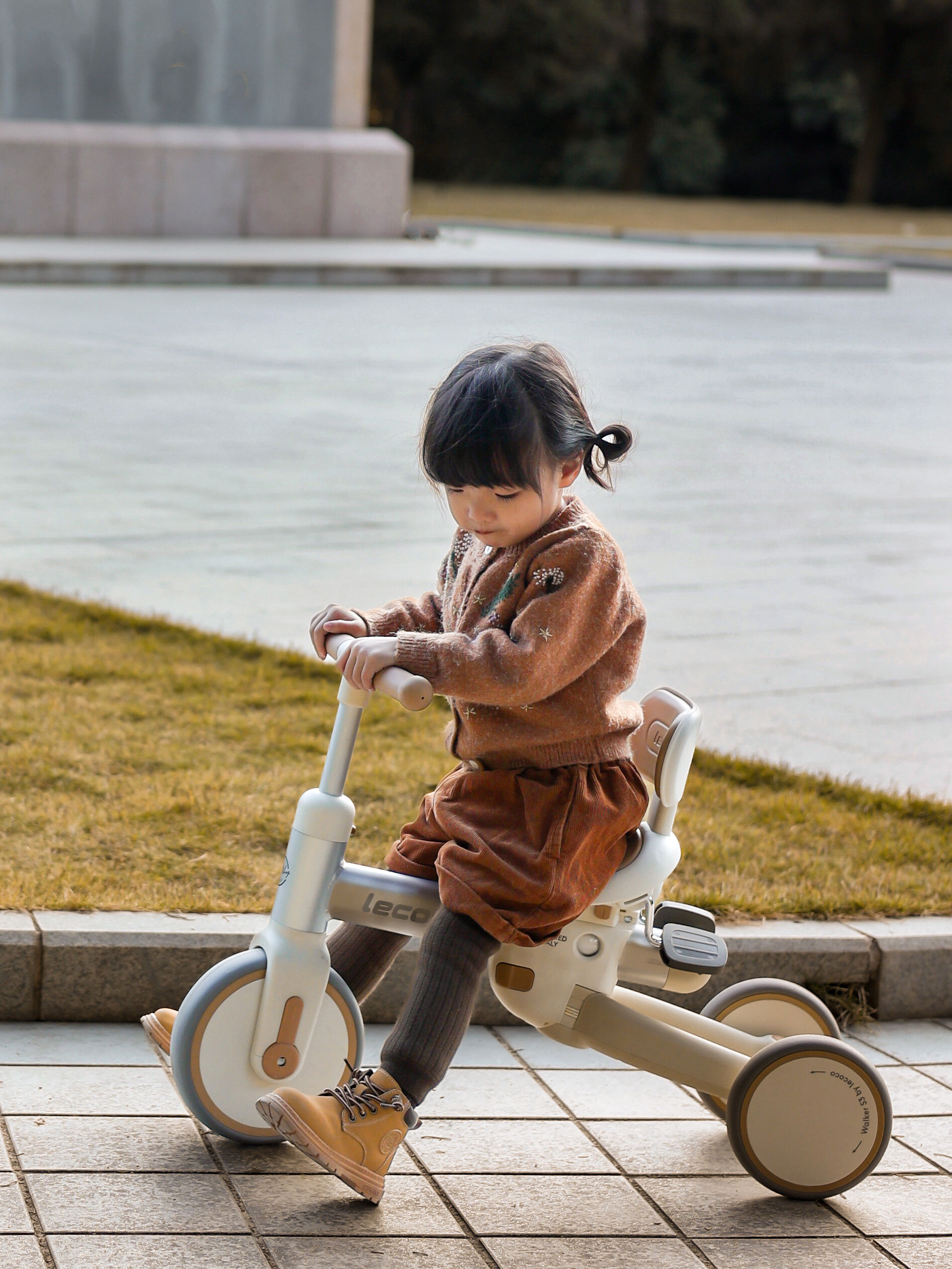
Learning to ride is a fundamental milestone in every child's development, and the tricycle serves as an essential stepping stone in this journey. Unlike traditional two-wheeled bicycles that require advanced balance and coordination, a tricycle provides inherent stability through its three-wheel design, making it an ideal first riding experience for young children. The unique configuration of a tricycle allows children to focus on pedaling and steering without the fear of falling, building confidence and motor skills that will serve them throughout their lives. Parents worldwide recognize the tricycle as a safe and effective tool for introducing their children to the world of independent mobility.
The safety benefits of choosing a tricycle over other riding toys become immediately apparent when considering the developmental needs of young children. Between the ages of two and five, children are still developing their gross motor skills, spatial awareness, and ability to coordinate multiple movements simultaneously. A tricycle accommodates these developmental limitations by providing a stable platform that eliminates the risk of tipping over sideways. This stability allows children to explore their environment safely while gradually building the physical strength and coordination necessary for more advanced riding activities.
Fundamental Safety Features of Modern Tricycles
Three-Wheel Stability System
The most obvious safety advantage of any tricycle lies in its three-wheel configuration, which creates a stable triangular base that prevents lateral tipping. This design principle has been refined over decades to optimize the wheelbase and center of gravity for maximum stability. The front wheel provides directional control while the two rear wheels maintain constant ground contact, ensuring the rider cannot lose balance in the same way they might on a two-wheeled vehicle. Modern tricycle manufacturers carefully calculate the distance between rear wheels to provide optimal stability while maintaining maneuverability.
The positioning of the wheels also contributes to the overall safety profile of the tricycle. The wider rear wheelbase creates a lower center of gravity compared to bicycles, making it virtually impossible for the vehicle to tip backward or forward during normal use. This stability remains consistent whether the child is pedaling forward, turning corners, or coming to a complete stop. The inherent stability of the tricycle design means that even sudden stops or sharp turns rarely result in accidents or falls.
Low Center of Gravity Design
Engineers design tricycles with a deliberately low center of gravity to enhance stability and reduce the risk of tipping. The seat height is positioned close to the ground, and the overall frame geometry keeps the child's weight distributed optimally across the three-wheel platform. This low-profile design means that even if a child were to somehow tip the tricycle, the distance to the ground would be minimal, significantly reducing the risk of injury. The proximity to the ground also makes it easier for children to place their feet down for additional stability when needed.
The benefits of this design approach extend beyond mere stability to include psychological comfort for both children and parents. Young riders feel more secure when they can easily reach the ground with their feet, and this confidence translates into more adventurous and enjoyable riding experiences. Parents appreciate knowing that their child is riding a vehicle that prioritizes safety through thoughtful engineering rather than relying solely on protective equipment or constant supervision.
Developmental Benefits That Enhance Safety
Motor Skills Development
Operating a tricycle requires children to coordinate multiple motor skills simultaneously, including pedaling, steering, and maintaining awareness of their surroundings. This multi-tasking helps develop crucial neural pathways that improve overall coordination and balance. As children become more proficient with their tricycle, they develop better spatial awareness and the ability to judge distances and speeds accurately. These skills directly contribute to safer riding by helping children anticipate and avoid potential hazards.
The pedaling motion itself strengthens leg muscles and improves cardiovascular fitness, contributing to better overall physical health and stamina. Stronger, more coordinated children are less likely to experience fatigue-related accidents and are better equipped to handle unexpected situations while riding. The repetitive nature of pedaling also helps establish muscle memory that makes riding feel natural and automatic over time.
Confidence Building Through Safe Exploration
The stability of a tricycle allows children to explore their environment with confidence, leading to better decision-making skills and hazard awareness. When children feel secure on their riding vehicle, they can dedicate more attention to observing their surroundings and learning to identify potential dangers. This environmental awareness is crucial for developing the judgment skills necessary for safe riding throughout their lives. The tricycle serves as a training ground where children can practice these essential safety skills without the added complexity of maintaining balance.
Confidence gained through successful tricycle riding experiences translates into better overall risk assessment abilities. Children who have mastered riding a tricycle demonstrate improved judgment when transitioning to other wheeled activities and are more likely to make safe choices in various situations. This confidence-building aspect of tricycle riding cannot be understated, as it forms the foundation for a lifetime of safe recreational activities.
Age-Appropriate Design Features
Ergonomic Considerations for Young Riders
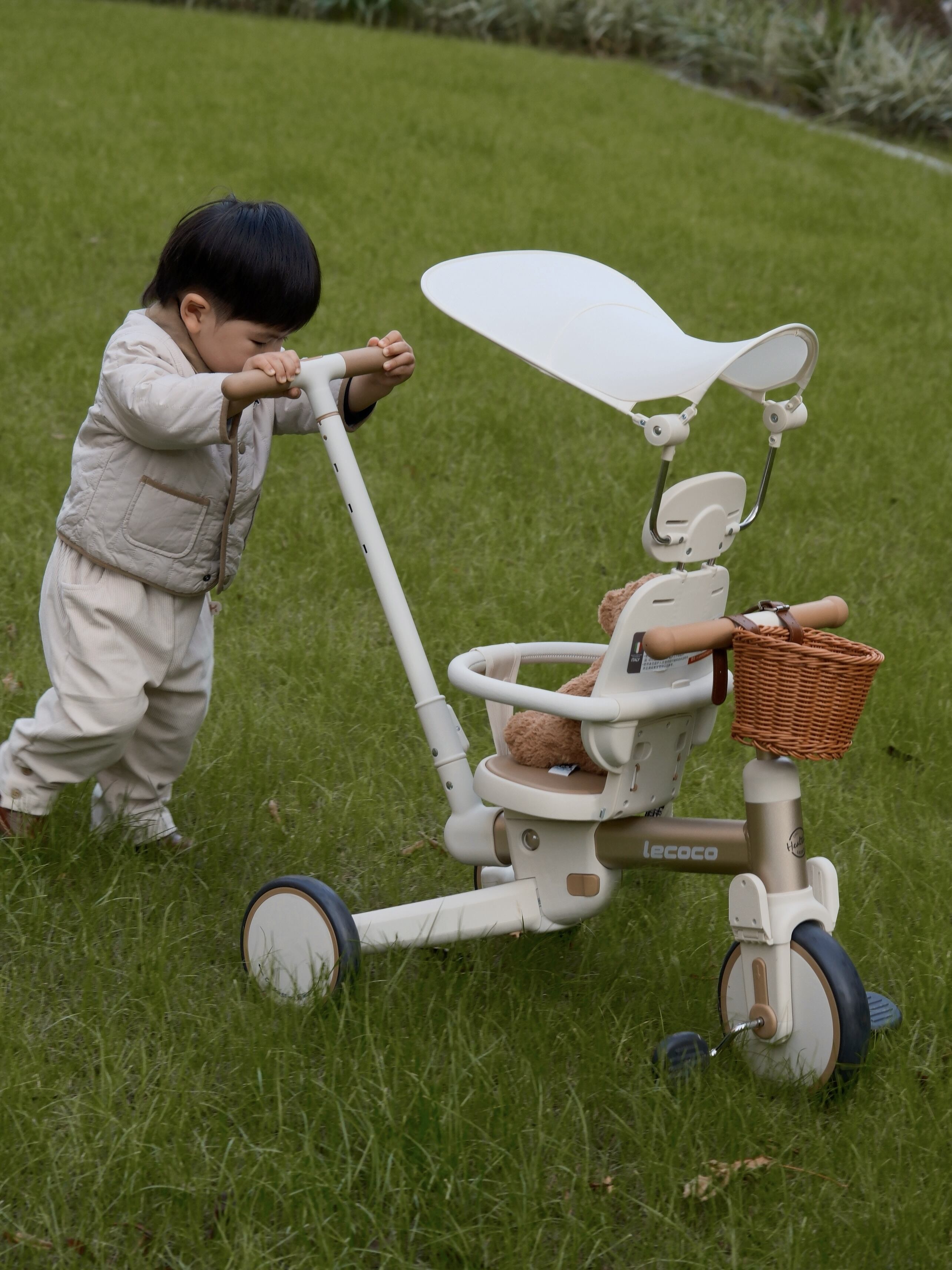
Manufacturers design tricycles with specific attention to the physical proportions and capabilities of young children. The seat height, handlebar position, and pedal placement are all calibrated to accommodate the shorter limbs and developing muscle strength of children between two and six years old. This ergonomic approach ensures that children can operate the tricycle comfortably without straining or overextending their bodies, which could lead to fatigue or loss of control.
The handlebar design typically features grips that are sized appropriately for small hands, often with textured surfaces to prevent slipping. The steering mechanism is engineered to require minimal force while providing responsive directional control, allowing children to navigate safely without struggling with heavy or unresponsive steering. These design considerations ensure that the physical demands of operating the tricycle remain within the capabilities of young children.
Safety Materials and Construction
Modern tricycles incorporate safety-focused materials and construction techniques that prioritize child protection. Frames are typically made from lightweight yet durable materials that can withstand the energetic use typical of young children while remaining light enough for easy maneuverability. Sharp edges are eliminated through careful design and finishing processes, and all components are thoroughly tested for durability and safety.
The wheels of quality tricycles feature appropriate tread patterns for traction on various surfaces while maintaining smooth rolling characteristics. Many models include features like non-slip pedals, comfortable seat padding, and rounded edges on all components. These attention-to-detail safety features work together to create a riding experience that minimizes the risk of injury from the vehicle itself.
Environmental Safety Considerations
Appropriate Riding Surfaces
The design characteristics of a tricycle make it well-suited for a variety of safe riding environments. Smooth, flat surfaces like driveways, sidewalks, and playground areas provide ideal conditions for tricycle use, allowing children to practice their riding skills in controlled environments. The wide wheelbase and stable design of the tricycle perform well on these surfaces, providing predictable handling characteristics that help children develop confidence.
Unlike bicycles that may require more challenging terrain to develop balance skills, tricycles allow children to focus on fundamental riding concepts like steering, speed control, and environmental awareness on safe, predictable surfaces. This approach to skill development ensures that children master basic safety concepts before progressing to more challenging riding scenarios.
Supervision and Safety Guidelines
While tricycles are inherently safer than many other riding toys, appropriate supervision remains essential for ensuring optimal safety outcomes. Parents and caregivers should establish clear boundaries for where tricycle riding is permitted and ensure that children understand basic safety rules like watching for pedestrians and avoiding steep hills or busy areas. The stable nature of the tricycle allows for more relaxed supervision compared to bicycles, but adult oversight remains important for teaching proper safety habits.
Establishing consistent safety routines around tricycle use helps children internalize important safety concepts that will serve them well as they progress to other activities. These routines might include checking the riding area for hazards, ensuring proper fit of any safety equipment, and reviewing basic traffic awareness concepts appropriate for young children.
Long-Term Safety Benefits
Foundation for Future Cycling Skills
The skills developed through tricycle riding create a strong foundation for future cycling activities. Children who have thoroughly mastered tricycle operation typically transition more easily to balance bikes and traditional bicycles because they have already developed essential skills like steering control, speed regulation, and environmental awareness. The confidence gained through successful tricycle experiences also reduces anxiety about learning more advanced riding skills.
Research suggests that children who spend significant time riding tricycles during their early years demonstrate better balance and coordination when learning to ride bicycles. The motor skills and spatial awareness developed through tricycle use transfer directly to more advanced riding activities, creating a natural progression that enhances safety at every stage of development.
Establishing Safety-Conscious Attitudes
Perhaps most importantly, tricycle riding helps establish safety-conscious attitudes that persist throughout a child's development. Children who learn to assess their environment, control their speed, and make thoughtful decisions while riding a tricycle carry these habits into other activities. The stable platform provided by the tricycle allows children to focus on developing these crucial safety mindsets without the distraction of maintaining balance.
The positive associations with safe, enjoyable riding experiences created through tricycle use often translate into a lifelong appreciation for outdoor physical activities. Children who develop confidence and safety awareness through tricycle riding are more likely to remain active and make safe choices in various recreational pursuits throughout their lives.
FAQ
At what age should children start using a tricycle
Most children can begin using a tricycle between the ages of 2.5 and 3 years, when they have developed sufficient leg strength and coordination to pedal effectively. However, the exact age varies depending on individual development, and some children may be ready earlier or later. The key indicators include the ability to sit steadily, reach the pedals comfortably, and coordinate the pedaling motion. Parents should ensure the tricycle is appropriately sized for their child's height and leg length.
How long can children safely use tricycles before transitioning to bicycles
Children typically use tricycles safely until around age 5 or 6, though some may enjoy them longer depending on the size and design of the tricycle. The transition timing should be based on the child's physical development, confidence level, and interest in more advanced riding challenges. Many children naturally outgrow their tricycle as their legs become too long for comfortable pedaling, which serves as a natural indicator that it's time to consider a balance bike or bicycle with training wheels.
Are there specific safety features parents should look for when choosing a tricycle
Essential safety features include a wide wheelbase for stability, low center of gravity, non-slip pedals, comfortable grips, and smooth edges throughout the construction. Quality tricycles should also feature durable construction that can withstand energetic use without breaking or becoming unstable. Additional beneficial features might include adjustable seats to accommodate growth, safety flags for visibility, and appropriate wheel sizes for the intended age group.
What protective gear should children wear while riding tricycles
While tricycles are inherently stable, children should still wear properly fitted helmets to protect against potential head injuries from falls or collisions. Knee and elbow pads can provide additional protection for more adventurous riders or when riding on rough surfaces. Closed-toe shoes with good grip are essential to prevent foot injuries and ensure secure contact with the pedals. The specific protective gear needed may vary based on the riding environment and the child's experience level.