
 EN
EN



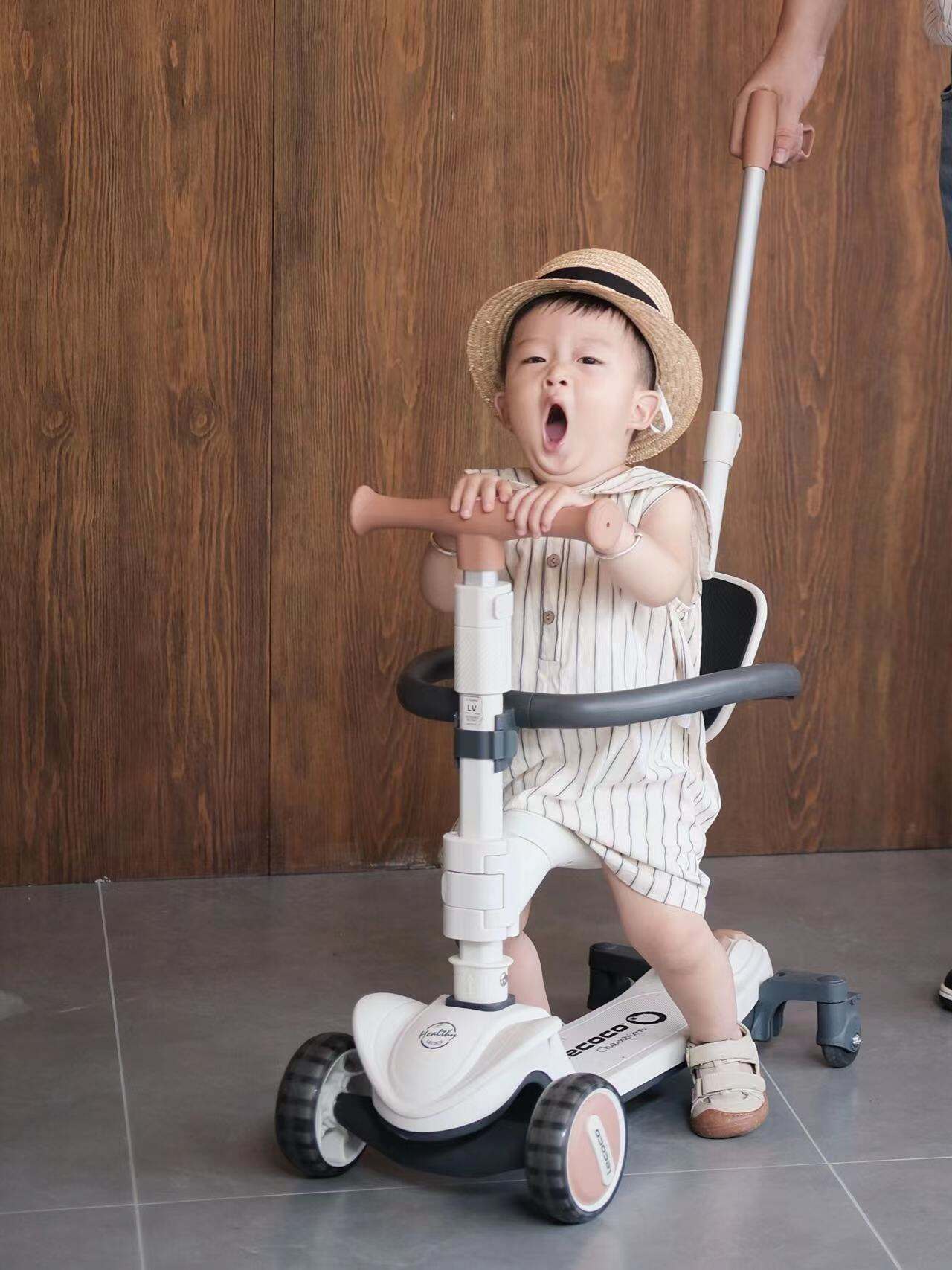
Physical development in early childhood forms the foundation for lifelong motor skills and coordination abilities. Among various recreational activities that promote healthy growth, riding a children's scooter stands out as an exceptionally effective tool for enhancing balance, coordination, and reaction speed. This simple yet engaging activity combines fun with functional movement patterns that directly translate to improved physical capabilities across multiple domains of child development.
The Science Behind Balance Development Through Scooter Riding
Vestibular System Activation and Enhancement
The vestibular system, located in the inner ear, serves as the primary mechanism for maintaining equilibrium and spatial orientation. When children ride a children's scooter, they continuously challenge this system through dynamic movement patterns that require constant adjustments. The act of propelling forward while maintaining stability on a narrow platform creates micro-challenges that strengthen vestibular processing capabilities over time.
Research in pediatric motor development indicates that activities involving dynamic balance, such as scooter riding, activate multiple vestibular pathways simultaneously. This activation promotes neural plasticity in balance-related brain regions, leading to improved stability responses in various situations. The continuous need to adjust body position while riding a children's scooter creates optimal conditions for vestibular system development.
Proprioceptive Awareness and Spatial Intelligence
Proprioception refers to the body's ability to sense its position and movement in space without relying on visual cues. Riding a children's scooter requires children to develop acute proprioceptive awareness as they navigate turns, adjust speed, and maintain balance across different terrains. This heightened body awareness transfers to improved performance in various physical activities and daily tasks.
The narrow platform of a children's scooter demands precise foot placement and weight distribution, enhancing proprioceptive feedback mechanisms. Children learn to interpret subtle shifts in body position and respond accordingly, developing sophisticated motor control patterns that benefit overall physical competence and confidence in movement-based activities.
Reaction Speed Enhancement Through Dynamic Movement Patterns
Rapid Response Development in Unpredictable Environments
Scooter riding exposes children to constantly changing environmental conditions that require split-second decision making and motor responses. Whether avoiding obstacles, adjusting to surface variations, or responding to unexpected situations, children develop enhanced reaction speeds through regular practice. The children's scooter serves as an ideal training tool for developing these critical response capabilities.
The combination of forward momentum and the need for immediate balance corrections creates optimal conditions for reaction speed development. Children must process visual information rapidly while simultaneously coordinating multiple muscle groups to maintain stability and control. This multi-tasking requirement strengthens neural pathways responsible for rapid motor responses across various contexts.
Cognitive Processing Speed and Motor Coordination
The cognitive demands of scooter riding extend beyond simple balance maintenance to include complex decision-making processes that occur within milliseconds. Children must continuously assess their environment, predict potential challenges, and execute appropriate motor responses. This cognitive-motor integration promotes enhanced processing speed that benefits academic performance and daily life activities.
Regular use of a children's scooter creates opportunities for developing sophisticated motor planning abilities. Children learn to anticipate movement requirements, prepare appropriate responses, and execute complex sequences of movements with increasing efficiency and accuracy over time.
Neurological Benefits and Brain Development
Cross-Lateral Movement Patterns and Brain Connectivity
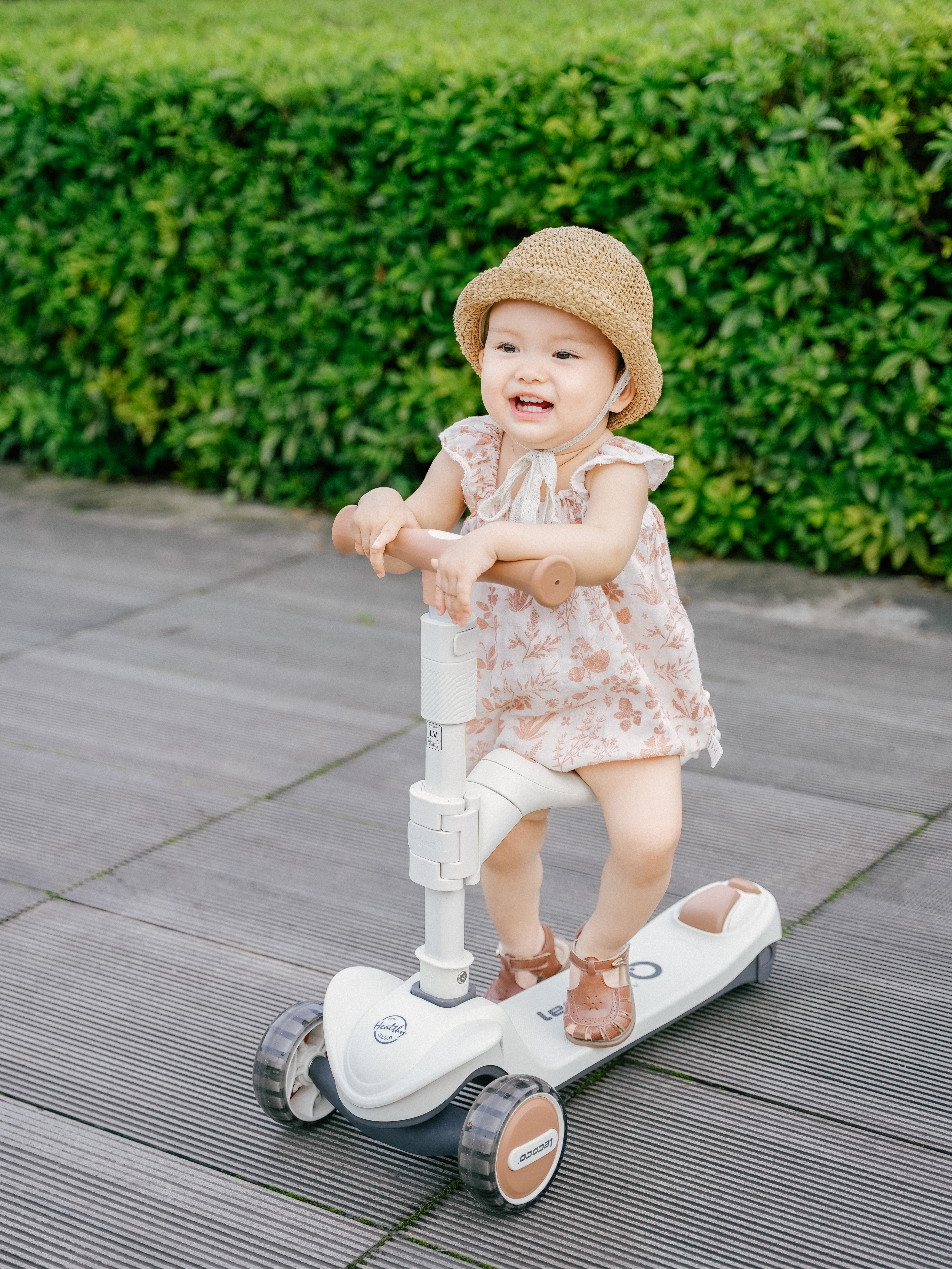
Scooter riding involves cross-lateral movement patterns that promote communication between brain hemispheres, enhancing overall cognitive function and motor coordination. The alternating push-off motion combined with steering and balance adjustments creates complex neural activation patterns that support optimal brain development during critical growth periods.
These cross-lateral movements stimulate the corpus callosum, the brain structure responsible for interhemispheric communication. Enhanced connectivity between brain hemispheres contributes to improved academic performance, particularly in areas requiring integrated processing such as reading, mathematics, and problem-solving activities that children encounter in educational settings.
Executive Function Development Through Motor Challenges
The complex motor demands of riding a children's scooter require children to develop executive function skills including attention regulation, impulse control, and working memory. These cognitive abilities transfer to improved performance in academic and social contexts, making scooter riding a valuable activity for comprehensive child development.
Children must maintain focus on multiple variables simultaneously while riding, including speed control, obstacle avoidance, and balance maintenance. This multi-tasking requirement strengthens prefrontal cortex function, the brain region responsible for executive control and decision-making capabilities that benefit children throughout their developmental journey.
Physical Strength and Core Development
Core Stability and Postural Control Enhancement
Maintaining balance on a children's scooter requires significant core muscle activation and postural control development. The unstable platform challenges deep stabilizing muscles throughout the trunk, promoting strength gains that support improved posture and spinal health. These physical benefits extend far beyond recreational activities to impact overall physical well-being and movement quality.
The dynamic nature of scooter riding creates optimal conditions for developing functional core strength that translates to improved performance in various physical activities. Children develop enhanced ability to maintain stable posture during dynamic movements, reducing injury risk and improving overall physical competence across multiple domains of motor skill development.
Lower Extremity Strength and Coordination
Regular use of a children's scooter promotes significant strength gains in lower extremity muscle groups while simultaneously improving coordination between different muscle systems. The push-off motion strengthens leg muscles while the balance requirements develop sophisticated coordination patterns between stabilizing and mobilizing muscle groups.
The unilateral nature of scooter propulsion creates opportunities for developing balanced strength between both legs, preventing asymmetries that can lead to movement compensations and potential injury risks. Children learn to coordinate complex movement patterns that benefit overall athletic performance and daily movement capabilities.
Social and Emotional Development Benefits
Confidence Building Through Skill Mastery
Successfully learning to ride a children's scooter provides children with significant confidence boosts that extend beyond physical capabilities to impact overall self-esteem and willingness to tackle new challenges. The progressive nature of skill development allows children to experience regular success while continuously advancing their abilities.
The visible nature of scooter riding skills provides children with concrete evidence of their physical capabilities, fostering positive self-perception and encouraging continued engagement in physical activities. This confidence building extends to academic and social contexts, creating positive developmental spirals that benefit overall childhood development.
Social Interaction and Peer Engagement
Scooter riding often occurs in social contexts that provide opportunities for peer interaction, cooperative play, and social skill development. Children learn to navigate shared spaces, take turns, and engage in collaborative activities that promote social competence and emotional intelligence development through structured play experiences.
The inclusive nature of children's scooter activities allows children of various skill levels to participate together, promoting acceptance, encouragement, and mutual support. These social interactions contribute to healthy emotional development and provide foundations for positive peer relationships throughout childhood and beyond.
Age-Appropriate Progression and Skill Development
Early Childhood Introduction and Foundation Building
Introducing children to scooter riding at appropriate developmental stages allows for optimal skill progression and safety considerations. Early exposure to children's scooter activities builds foundational balance and coordination skills that support more advanced motor skill development as children mature and gain physical capabilities.
The adjustable nature of many children's scooter designs allows for progressive challenges that match developing capabilities while maintaining appropriate safety margins. This adaptability ensures that children can continue benefiting from scooter riding activities across multiple developmental stages while building increasingly sophisticated motor skills.
Advanced Skill Development and Challenge Progression
As children master basic scooter riding skills, they can progress to more challenging activities that continue promoting balance and reaction speed development. Advanced maneuvers, trick performance, and complex navigation tasks provide ongoing opportunities for skill refinement and motor system enhancement throughout childhood development.
The scalable challenge level of children's scooter activities ensures continued engagement and development benefits as children grow and develop more sophisticated motor capabilities. This progression maintains motivation while providing appropriate challenges that promote continued improvement in balance, coordination, and reaction speed capabilities.
Safety Considerations and Best Practices
Protective Equipment and Environmental Safety
Proper safety equipment including helmets, knee pads, and elbow protection ensures that children can enjoy the developmental benefits of children's scooter riding while minimizing injury risks. Appropriate safety gear allows children to explore their capabilities with confidence while learning important safety awareness and risk assessment skills.
Environmental considerations such as appropriate riding surfaces, traffic awareness, and supervision requirements play crucial roles in maximizing the benefits of children's scooter activities while maintaining safety standards. These considerations ensure that children can focus on skill development without compromising personal safety or well-being.
Supervised Learning and Skill Progression
Adult supervision and guidance during initial learning phases help children develop proper techniques and safety habits while maximizing the developmental benefits of scooter riding activities. Structured learning approaches ensure that children build skills progressively while maintaining appropriate challenge levels and safety considerations.
Regular assessment of skill progression and adjustment of challenge levels helps maintain optimal developmental stimulus while preventing frustration or safety concerns. This supervised approach maximizes the balance and reaction speed benefits of children's scooter activities while building positive associations with physical activity and motor skill development.
FAQ
At what age should children start using a scooter for balance development
Children can typically begin using a children's scooter around age 3-4 years when they have developed sufficient gross motor skills and balance awareness. Starting with three-wheeled or balance-focused designs allows younger children to build foundational skills before progressing to more challenging two-wheeled models that require advanced balance and coordination capabilities.
How often should children practice scooter riding for optimal balance improvement
Regular practice sessions of 20-30 minutes, 3-4 times per week provide optimal stimulus for balance and reaction speed development without causing excessive fatigue. Consistency in practice is more important than duration, as regular exposure to the balance challenges of children's scooter riding promotes steady skill progression and motor system adaptation.
Can children's scooter riding help with other sports and physical activities
Yes, the balance, coordination, and reaction speed skills developed through children's scooter riding transfer effectively to various sports and physical activities including cycling, skateboarding, skiing, and team sports. The foundational motor skills developed through scooter riding create a strong base for learning more complex movement patterns and athletic skills.
What features should parents look for in a children's scooter for balance development
Key features include adjustable height settings for growth accommodation, stable wheel configurations appropriate for skill level, responsive steering mechanisms, and quality construction for safety and durability. Anti-slip deck surfaces and appropriate wheel sizes for different terrains also contribute to optimal learning experiences and skill development outcomes.
Table of Contents
- The Science Behind Balance Development Through Scooter Riding
- Reaction Speed Enhancement Through Dynamic Movement Patterns
- Neurological Benefits and Brain Development
- Physical Strength and Core Development
- Social and Emotional Development Benefits
- Age-Appropriate Progression and Skill Development
- Safety Considerations and Best Practices
-
FAQ
- At what age should children start using a scooter for balance development
- How often should children practice scooter riding for optimal balance improvement
- Can children's scooter riding help with other sports and physical activities
- What features should parents look for in a children's scooter for balance development