
 EN
EN



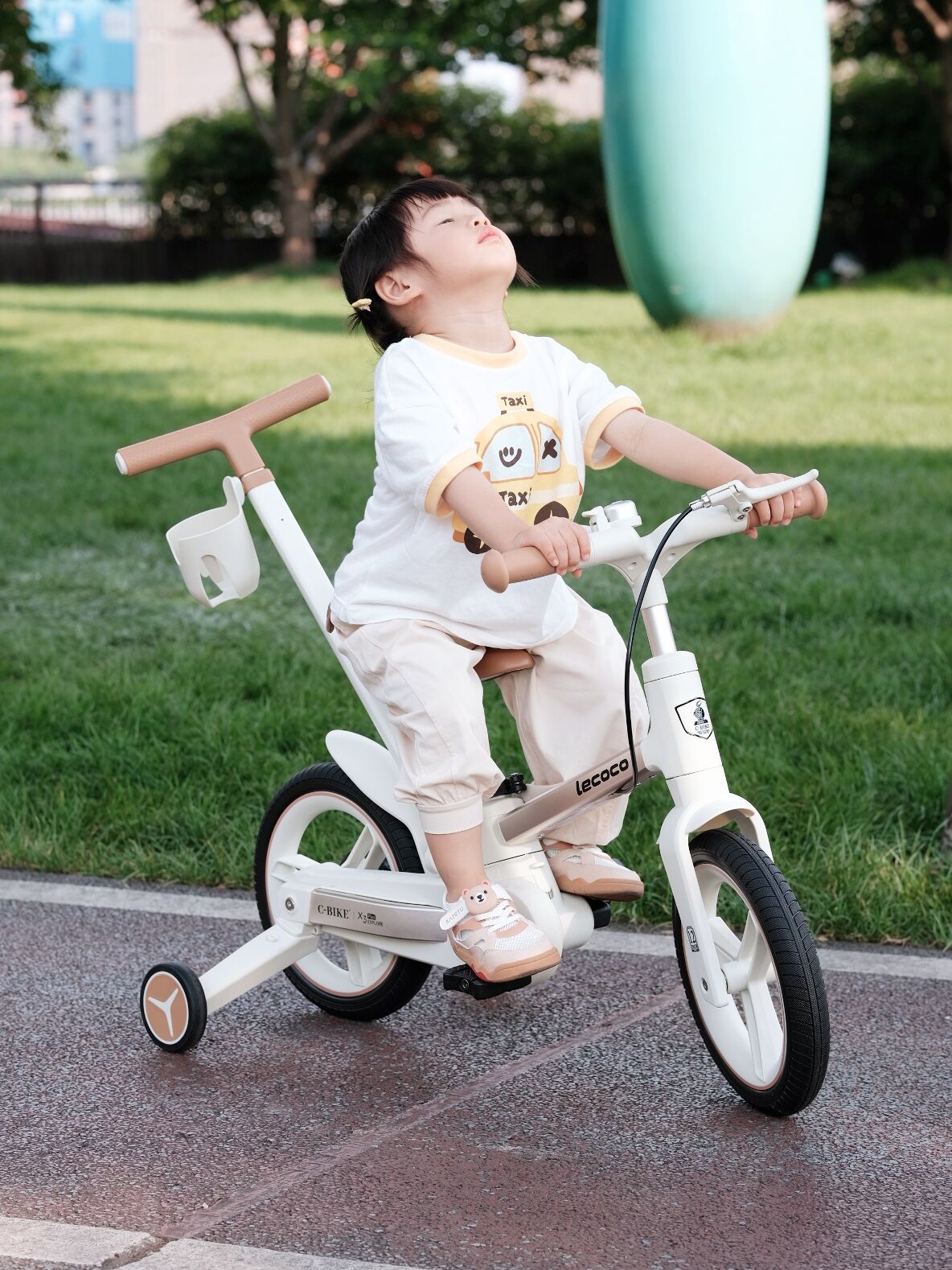
A convertible bike represents one of the most innovative solutions for parents seeking a long-term cycling investment for their children. Unlike traditional bicycles that become obsolete as children grow, a convertible bike adapts through multiple developmental stages, transforming from balance bikes to pedal bicycles and beyond. This evolutionary approach to children's cycling equipment addresses the common challenge of frequent bike replacements while supporting natural motor skill development at every stage.
The concept of adaptable cycling equipment has gained significant traction among modern families who prioritize sustainability and cost-effectiveness. A convertible bike system eliminates the need for purchasing separate balance bikes, training wheel bicycles, and standard pedal bikes as children progress through different developmental milestones. This transformative approach to childhood cycling creates a seamless transition experience that builds confidence and maintains familiarity throughout the learning process.
Understanding the Five-Stage Evolution Process
Initial Balance Development Phase
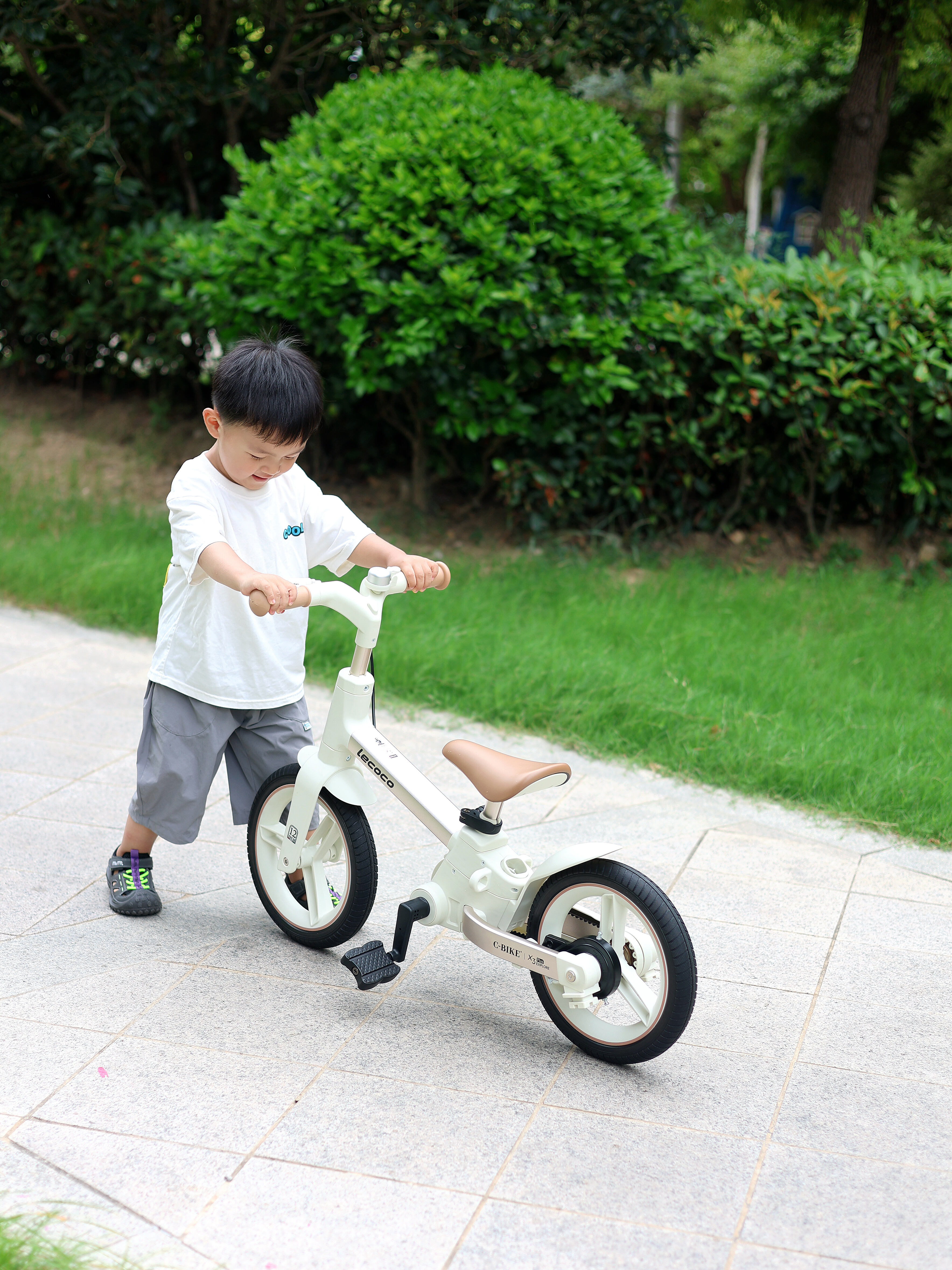
The first stage of a convertible bike focuses entirely on balance and coordination development. During this phase, the bicycle functions as a sophisticated balance bike, with the seat positioned low enough for children to maintain foot contact with the ground. This configuration allows young riders to develop essential balance skills without the complexity of pedaling mechanics. The convertible bike design ensures proper ergonomics during this crucial learning period, supporting natural movement patterns that build confidence.
Children typically spend several weeks or months in this initial stage, gradually increasing their comfort level with steering, braking, and forward momentum. The convertible bike structure provides stability while encouraging progressive skill development. Parents often observe significant improvements in their child's spatial awareness and motor coordination during this foundational period. The adjustable components allow for precise customization based on individual growth rates and comfort preferences.
Transitional Scooting and Gliding Stage
As children become proficient with basic balance, the convertible bike naturally progresses to incorporate gliding motions. This intermediate stage bridges the gap between static balance and dynamic cycling skills. Young riders learn to push off with greater force, allowing for extended gliding periods that build momentum control and steering precision. The convertible bike maintains its supportive configuration while encouraging more adventurous movement patterns.
During this transitional period, children develop the confidence to lift their feet for longer durations, experiencing the sensation of actual cycling without pedaling complications. The convertible bike design accommodates these progressive movements through thoughtful engineering that maintains safety while promoting skill advancement. This stage typically lasts several weeks, with children naturally progressing at their own pace toward more advanced cycling techniques.
Advanced Pedaling Integration and Skill Refinement
Introduction of Pedaling Mechanics
The third stage of convertible bike development introduces pedaling components while maintaining the familiar frame and handling characteristics. This continuity is crucial for maintaining confidence as children tackle new mechanical challenges. The convertible bike system typically incorporates removable pedal assemblies that can be easily installed when children demonstrate readiness for this advanced stage.
The integration process focuses on maintaining the balance skills already developed while gradually introducing pedaling coordination. Children who have mastered balance on their convertible bike often adapt to pedaling more quickly than those transitioning from training wheels or traditional learning methods. The familiar bike geometry and handling characteristics reduce the cognitive load associated with learning new motor patterns, allowing children to focus specifically on pedaling technique.
Full Bicycle Functionality Achievement
Once pedaling mechanics become natural, the convertible bike enters its fourth stage as a fully functional bicycle. At this point, the seat height increases to optimize pedaling efficiency, and all bicycle systems operate in their intended configuration. Children experience the satisfaction of independent cycling while riding the same convertible bike they began learning on months earlier. This continuity creates a strong emotional connection and sense of accomplishment.
The convertible bike now functions identically to traditional children's bicycles, with the added advantage of proven fit and comfort. Children who have progressed through the earlier stages typically demonstrate superior balance and control compared to peers who learned through conventional training wheel methods. The gradual skill development approach inherent in convertible bike systems creates more confident and capable young cyclists.
Long-Term Growth Accommodation and Extended Usability
Physical Growth Adaptation Mechanisms
The fifth and final stage of convertible bike evolution focuses on accommodating continued physical growth and skill development. Advanced adjustability features allow the bicycle to expand its size range significantly, often covering multiple traditional bike sizes within a single convertible bike platform. Seat posts, handlebar stems, and frame geometry adjustments enable the bicycle to grow with children over several years of development.
This extended usability phase maximizes the investment value of the convertible bike while maintaining optimal riding ergonomics. Children can continue using their familiar bicycle through significant growth spurts, avoiding the disruption and expense of frequent replacements. The convertible bike design anticipates these growth requirements from the initial engineering phase, ensuring that all adjustment mechanisms maintain structural integrity and performance standards throughout the extended usage period.
Advanced Skill Development Support
As children become proficient cyclists, the convertible bike continues supporting advanced skill development through refined adjustability and performance features. The bicycle can be optimized for different riding styles, terrain types, and skill challenges as young riders explore various cycling disciplines. This adaptability extends the useful life of the convertible bike well beyond basic transportation needs.
The convertible bike platform often incorporates features that support trick learning, off-road exploration, and competitive cycling development. Children who have grown up with their convertible bike develop strong mechanical understanding and maintenance skills, creating a deeper appreciation for cycling as both recreation and transportation. This comprehensive development approach establishes lifelong cycling habits and mechanical competency.
Comparative Advantages Over Traditional Learning Methods
Cost-Effectiveness Analysis
When comparing the total cost of ownership, a convertible bike system demonstrates significant financial advantages over traditional bicycle progression methods. Families typically purchase multiple bicycles as children grow, including balance bikes, training wheel bicycles, and several sizes of standard bicycles. The convertible bike consolidates these purchases into a single, adaptable platform that serves multiple years of development.
Beyond the obvious purchase price savings, convertible bike systems reduce storage requirements, maintenance complexity, and replacement logistics. Families avoid the recurring expense and inconvenience of bicycle shopping, sizing, and disposal associated with traditional learning progressions. The convertible bike investment pays dividends through extended usability and consistent performance throughout the learning process.
Developmental Benefits and Learning Efficiency
The progressive learning approach inherent in convertible bike systems produces superior developmental outcomes compared to traditional training wheel methods. Children develop genuine balance skills from the beginning, avoiding the artificial stability that training wheels provide. This authentic skill development creates more confident and capable cyclists who transition to advanced riding techniques more quickly.
Research indicates that children who learn balance first, as facilitated by convertible bike systems, demonstrate better overall cycling proficiency and safety awareness. The gradual progression through convertible bike stages builds mechanical understanding and bicycle handling skills that benefit riders throughout their cycling careers. This comprehensive development approach establishes stronger foundational skills than traditional learning methods.
Selection Criteria and Implementation Strategies
Quality Assessment and Feature Evaluation
Selecting an appropriate convertible bike requires careful evaluation of build quality, adjustability range, and safety features. Premium convertible bike systems incorporate robust adjustment mechanisms that maintain precision and safety throughout multiple years of use. Frame materials, component quality, and manufacturing standards directly impact the long-term success of the convertible bike investment.
Parents should prioritize convertible bike models that offer comprehensive adjustability without compromising structural integrity. The adjustment mechanisms should operate smoothly and securely, allowing for frequent modifications as children grow and develop new skills. Quality convertible bike systems include detailed documentation and support resources that guide parents through the various stages and adjustments required for optimal performance.
Implementation Timeline and Progression Monitoring
Successful convertible bike implementation requires understanding individual child development patterns and progression indicators. While general guidelines exist for stage transitions, each child develops at their own pace and demonstrates readiness for advancement through specific behavioral and skill cues. Parents must remain flexible and responsive to their child's natural development timeline rather than forcing artificial progression schedules.
Regular assessment of comfort, confidence, and skill development helps determine appropriate timing for convertible bike configuration changes. Children typically signal readiness for advancement through increased confidence, requests for new challenges, or demonstration of mastery in current skills. The convertible bike system should adapt to these natural progression indicators rather than predetermined timelines or external pressure to advance quickly.
FAQ
What age range can typically use a convertible bike system?
Most convertible bike systems accommodate children from approximately 18 months to 6-8 years old, depending on the specific model and adjustment range. The extended usability period varies based on individual growth rates and the convertible bike's design specifications. Some advanced convertible bike models extend this range further through comprehensive adjustability features.
How long does each stage typically last in the convertible bike progression?
Stage duration varies significantly based on individual development, practice frequency, and natural aptitude. Most children spend 2-6 months in the initial balance stage, several weeks in transitional phases, and may use the final bicycle configuration for 2-3 years as they grow. The convertible bike system accommodates these natural variations without forcing artificial timelines.
Are convertible bike systems as durable as traditional bicycles?
Quality convertible bike systems often exceed traditional bicycle durability due to robust construction required for multiple configurations and extended use periods. The adjustment mechanisms and frame designs undergo extensive testing to ensure reliability throughout the complete usage cycle. Premium convertible bike models typically include comprehensive warranties reflecting manufacturer confidence in long-term durability.
Can multiple children use the same convertible bike as they grow?
Yes, convertible bike systems excel in multi-child families where the bicycle can be readjusted for younger siblings after older children outgrow the size range. This capability further enhances the cost-effectiveness and sustainability advantages of convertible bike investments. The adjustment mechanisms allow for easy reconfiguration between different users and skill levels.