
 EN
EN



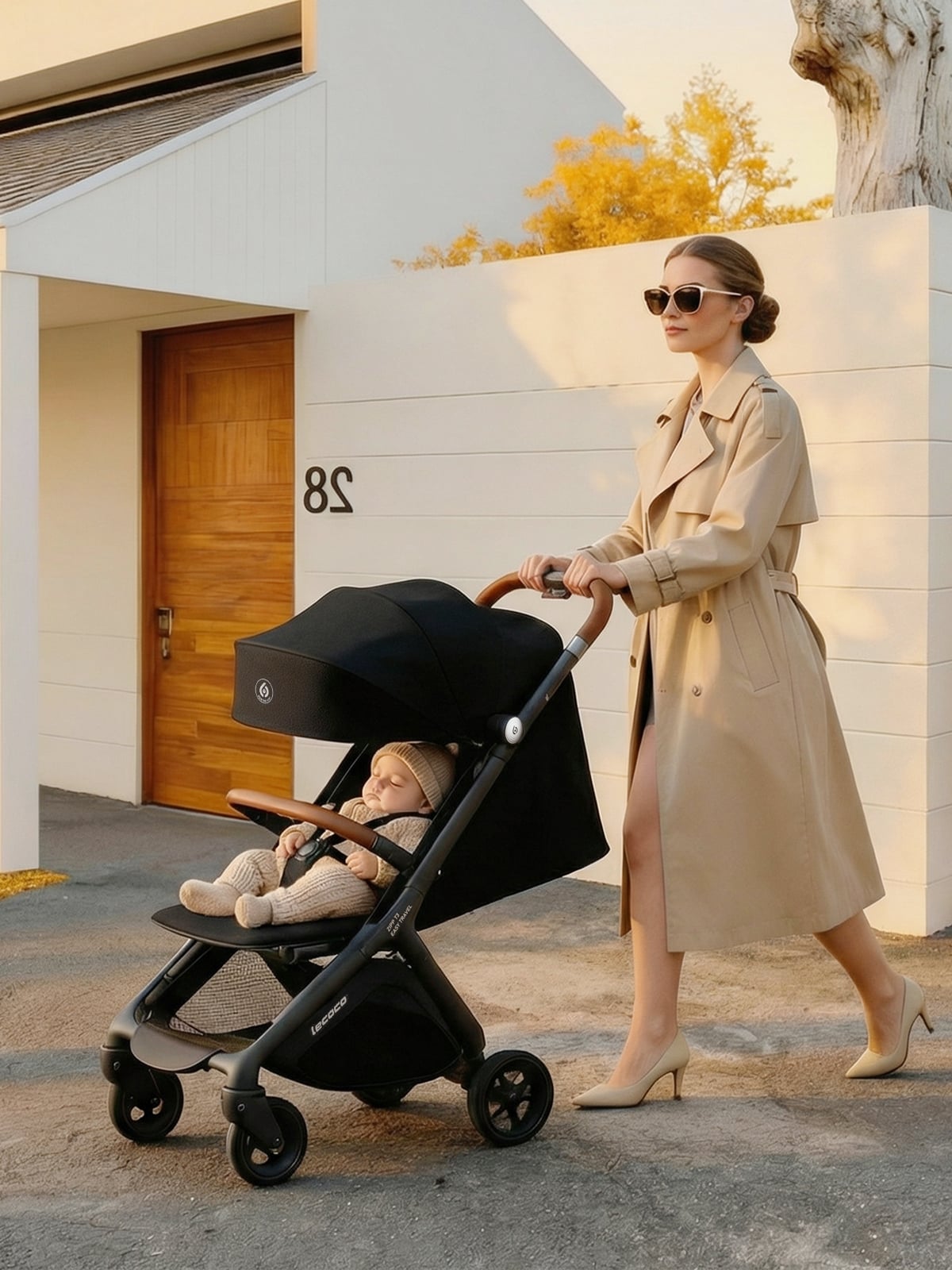
Every parent knows the challenge: finding a baby stroller that does not force you to sacrifice one essential quality for another. Comfort matters because infants and toddlers spend hours in their stroller every day, and poor support can affect their posture, sleep, and overall well-being. Safety matters because parents need absolute confidence that their child is protected at every turn, on every surface, and in every situation. Portability matters because modern family life demands a stroller that folds quickly, fits in a car trunk, and moves smoothly through airports, shops, and crowded streets. The real question is not which of these qualities to prioritize — it is how a well-engineered baby stroller can deliver all three simultaneously.
The good news is that balancing comfort, safety, and portability in a baby stroller is entirely achievable when the right design principles are applied. Modern baby stroller engineering has evolved dramatically, and today's best models demonstrate that these three qualities are not competing trade-offs but complementary achievements. Understanding how each dimension is addressed — and how they interact — will help parents make smarter, more confident purchasing decisions. This article breaks down the mechanics, design logic, and practical features that allow a single baby stroller to excel across all three dimensions at once.
The Comfort Architecture of a Modern Baby Stroller
Seating Ergonomics and Recline Systems
Comfort in a baby stroller begins with seating design. A well-padded seat with breathable fabric prevents overheating during warm-weather outings and supports a child's developing spine and hip structure. The depth, width, and contour of the seat all contribute to how comfortably a child can sit or recline for extended periods. Parents should look for multi-position recline systems that allow the backrest to shift smoothly between upright and nearly flat positions, accommodating everything from alert daytime exploration to deep afternoon naps.
The angle of recline is especially important for newborns, who require a nearly flat sleeping position to maintain safe airway alignment. A quality baby stroller accounts for this developmental need by offering a flat or near-flat recline without requiring additional accessories or awkward modifications. As the child grows and gains neck and head control, the same seat can transition to a more upright position, extending the useful life of the baby stroller significantly.
Cushioning quality also plays a major role. High-density foam padding that maintains its shape over time is far superior to thin padding that compresses after a few months of use. Some premium baby stroller models incorporate memory foam or dual-layer padding systems that distribute pressure evenly and prevent discomfort during longer rides. This attention to material quality translates directly into a more restful and enjoyable experience for the child.
Suspension Systems and Ride Smoothness
Even the most comfortable seat becomes irrelevant if the baby stroller transmits every bump and vibration directly to the child. Suspension systems are the engineering solution to this problem. Front and rear wheel suspension absorbs shocks from uneven pavement, cobblestones, gravel paths, and curb drops, delivering a smoother ride regardless of the terrain. This is especially important in urban environments where sidewalks are rarely perfectly smooth.
Wheel size and material also influence ride quality significantly. Larger wheels roll more easily over obstacles and provide a more stable base, while foam-filled or air-filled tires further reduce vibration transfer. A baby stroller with thoughtfully engineered wheel systems will feel noticeably smoother than one with small, hard plastic wheels, and that difference matters over the course of a long walk or a busy day of errands.
The handlebar height is another comfort consideration — though this time for the parent rather than the child. An adjustable handlebar that can accommodate parents of different heights reduces back strain and makes the baby stroller easier to maneuver over extended periods. This ergonomic attention to the caregiver is a hallmark of genuinely well-designed baby stroller models.
Safety Engineering Built into Every Detail
Harness Systems and Restraint Design
A baby stroller's safety begins with how securely the child is restrained. A five-point harness — securing the shoulders, hips, and crotch — is widely considered the gold standard for child restraint in strollers. This configuration prevents the child from slipping forward, sliding sideways, or climbing out, even during sudden stops or when navigating steep inclines. The harness should be easy for an adult to buckle and unbuckle quickly but designed so a child cannot release it independently.
Harness padding matters too. Bare straps can dig into a child's shoulders and hips during longer outings, causing discomfort and resistance. Padded harness covers made from soft, washable materials allow the safety system to function without creating pressure points. A baby stroller that integrates both restraint reliability and strap comfort shows that safety and comfort are not separate priorities but are designed to work together.
The crotch strap position is also worth evaluating. A strap placed too far forward allows the child to slouch forward uncomfortably, while a well-positioned strap keeps the pelvis properly aligned, supporting both safety and comfort simultaneously. These details, easy to overlook in a showroom, make a significant difference in daily use.
Braking, Stability, and Structural Integrity
Brakes are a non-negotiable safety feature on any baby stroller. Foot-operated parking brakes that lock rear wheels should engage firmly and release cleanly without requiring significant force. Some baby stroller designs include a linked brake system that locks both rear wheels simultaneously with a single motion, reducing the risk of forgetting to engage one side. The brake mechanism should be durable enough to withstand daily use without loosening over time.
Structural integrity is equally critical. A baby stroller frame made from aircraft-grade aluminum or high-strength steel provides the rigidity needed to protect the child in the event of a tip or collision. The locking mechanisms that hold the frame in its open position must be robust, with clear visual and tactile indicators confirming a secure lock before the stroller is used. Any frame that wobbles, creaks, or flexes during normal use is a structural concern that should not be overlooked.
Stability during parking is another important safety dimension. A wide wheelbase, a low center of gravity, and reliable parking brakes all work together to prevent a stationary baby stroller from tipping when a child leans or reaches. This is particularly important on sloped surfaces such as ramps or inclined sidewalks, where even a brief lapse in attention can lead to a dangerous situation.
Portability Without Compromising Function
Folding Mechanisms and Compact Storage
Portability in a baby stroller is largely defined by the folding system. A one-hand fold that collapses the stroller into a compact, self-standing unit in seconds is one of the most practically valuable features a parent can have. This matters when you are holding a child in one arm and need to collapse the stroller with the other, or when you are rushing to catch a train and cannot afford to struggle with a complicated folding sequence.
The folded dimensions of a baby stroller determine whether it fits in a standard car boot, an overhead cabin compartment, or a narrow hallway cupboard. Parents who travel frequently by air will want to verify that the folded size meets airline cabin baggage policies, avoiding the inconvenience of gate-checking a stroller at every flight. Compact fold dimensions are also relevant for families in smaller homes or apartments where storage space is at a premium.
Weight is the third variable in the portability equation. A baby stroller that folds quickly and compactly but weighs 15 kilograms is still difficult to carry up stairs, lift into a car, or transport through a busy airport. Lightweight aluminum frames have made it possible to build baby stroller models that weigh under 7 kilograms without sacrificing structural strength, making genuine one-person transport a practical reality.
Maneuverability in Real-World Environments
Portability is not only about folded dimensions and weight — it also encompasses how easily a baby stroller moves through the environments where families actually live their lives. Swiveling front wheels that lock forward for straight-line stability provide excellent maneuverability in tight retail spaces and narrow restaurant aisles, while also performing well on extended outdoor walks. The turning radius of a baby stroller determines whether it can navigate a crowded market without constant repositioning.
The handlebar design contributes to maneuverability as well. A single-bar handlebar that spans the full width of the baby stroller gives parents a consistent grip surface and allows easy one-handed steering, freeing the other hand for carrying bags, holding doors, or managing other children. A well-balanced frame with an evenly distributed load makes the stroller feel effortless to push and easy to guide precisely.
Some baby stroller models are designed with urban mobility specifically in mind, featuring slim profiles that fit through standard doorways, lightweight frames for stair navigation, and large carry hooks for shopping bags. These design choices reflect a genuine understanding of how families use a baby stroller daily, and they demonstrate that portability is an active engineering goal rather than an afterthought.
How Design Integration Makes the Difference
Engineering Trade-offs and Holistic Design Philosophy
The true test of a baby stroller is not whether it excels in one area, but whether it achieves a harmonious balance across all three dimensions. Many entry-level baby stroller products sacrifice suspension quality to save weight, or use rigid frames to achieve a compact fold at the cost of ride smoothness. Premium design philosophy rejects these trade-offs by investing in materials and engineering solutions that allow comfort, safety, and portability to coexist.
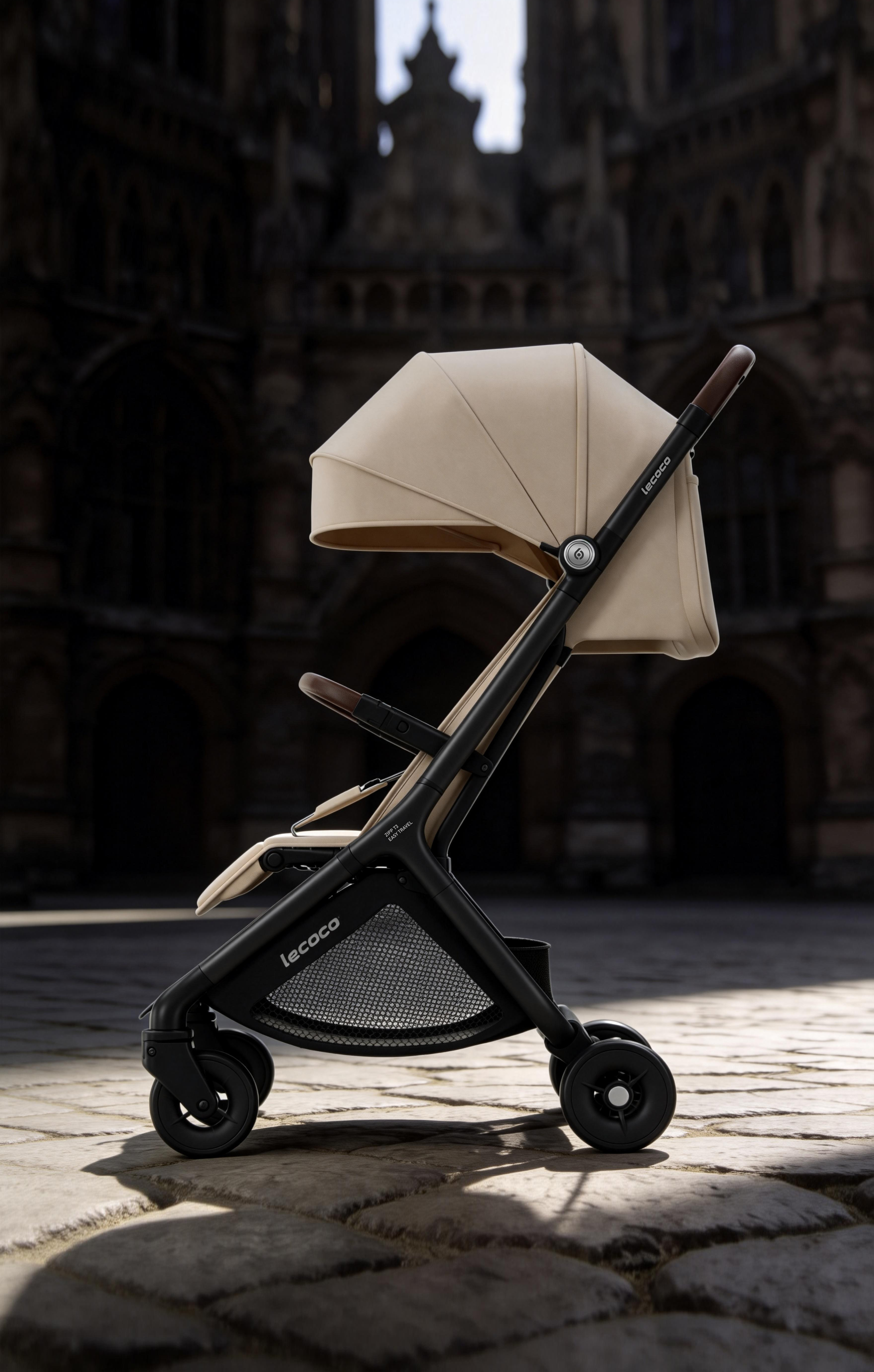
Aluminum alloy frames are a good example of this integration. They are simultaneously lighter than steel (improving portability), stronger than plastic (improving safety), and more rigid than composite alternatives (improving the structural precision needed for smooth folding mechanisms). Choosing the right material is not just about cost — it is about enabling multiple performance goals at once with a single design decision.
Similarly, a well-engineered harness system that uses padded straps achieves both safety and comfort simultaneously. A suspension system that smooths the ride improves both comfort and the overall perceived quality and safety of the baby stroller. These design synergies are the mark of a manufacturer that understands the product holistically rather than optimizing in silos.
Practical Features That Support All Three Goals
Beyond the core engineering, a number of practical features reinforce the balance between comfort, safety, and portability in a baby stroller. A large, adjustable canopy with UPF sun protection keeps the child shaded and comfortable while also reducing the risk of sun exposure during outdoor use. Canopies with peek-a-boo windows allow parents to maintain visual contact without disturbing a sleeping child, adding a safety dimension to what might otherwise be seen as a pure comfort feature.
A spacious under-seat storage basket improves portability by eliminating the need for a separate bag on every outing, reducing the overall load the parent must carry. However, the basket must be positioned in a way that does not interfere with the folding mechanism or raise the center of gravity to an unsafe level. This balance between storage utility and structural safety is a clear example of how a thoughtful baby stroller design addresses multiple priorities at once.
Weather adaptability is another cross-cutting feature. A baby stroller that accepts rain covers, footmuffs, and insulating accessories allows parents to use the same unit comfortably and safely across all seasons and climates. This adaptability reduces the total number of products a family needs to own, simplifying storage and improving overall value while ensuring the child remains comfortable and protected year-round.
FAQ
What is the most important safety feature to look for in a baby stroller?
The five-point harness is widely considered the most critical safety feature in a baby stroller. It secures the child at the shoulders, hips, and crotch, preventing forward sliding, lateral movement, or self-release. In addition to the harness, reliable parking brakes, a stable wheelbase, and a robust locking frame are all essential safety elements that parents should verify before purchasing a baby stroller.
At what age can a baby use a fully upright stroller seat?
Most pediatric guidelines suggest that babies can begin using an upright or semi-reclined baby stroller seat once they have sufficient head and neck control, typically around four to six months of age. Before this point, a flat or near-flat recline position is recommended to support safe airway alignment. Always consult your pediatrician if you are uncertain about your child's readiness for a particular baby stroller configuration.
How do I know if a baby stroller is truly lightweight and easy to fold?
A genuinely portable baby stroller should weigh under 8 kilograms and fold into a compact unit in three seconds or fewer using one hand. It should stand independently when folded for convenience in transit and storage. Testing the fold mechanism in person before purchasing is the best approach, as the ease of a fold can vary significantly even among baby stroller models advertised with similar specifications.
Can a single baby stroller work for both newborns and toddlers?
Yes, many modern baby stroller designs are engineered to accommodate children from birth through toddlerhood, typically up to a weight of 22 kilograms or more. Key features that enable this range include a full-flat recline for newborns, an adjustable harness that grows with the child, and a seat structure with enough depth and support for older toddlers. Choosing a baby stroller with this multi-stage adaptability represents strong long-term value for families.