
 EN
EN



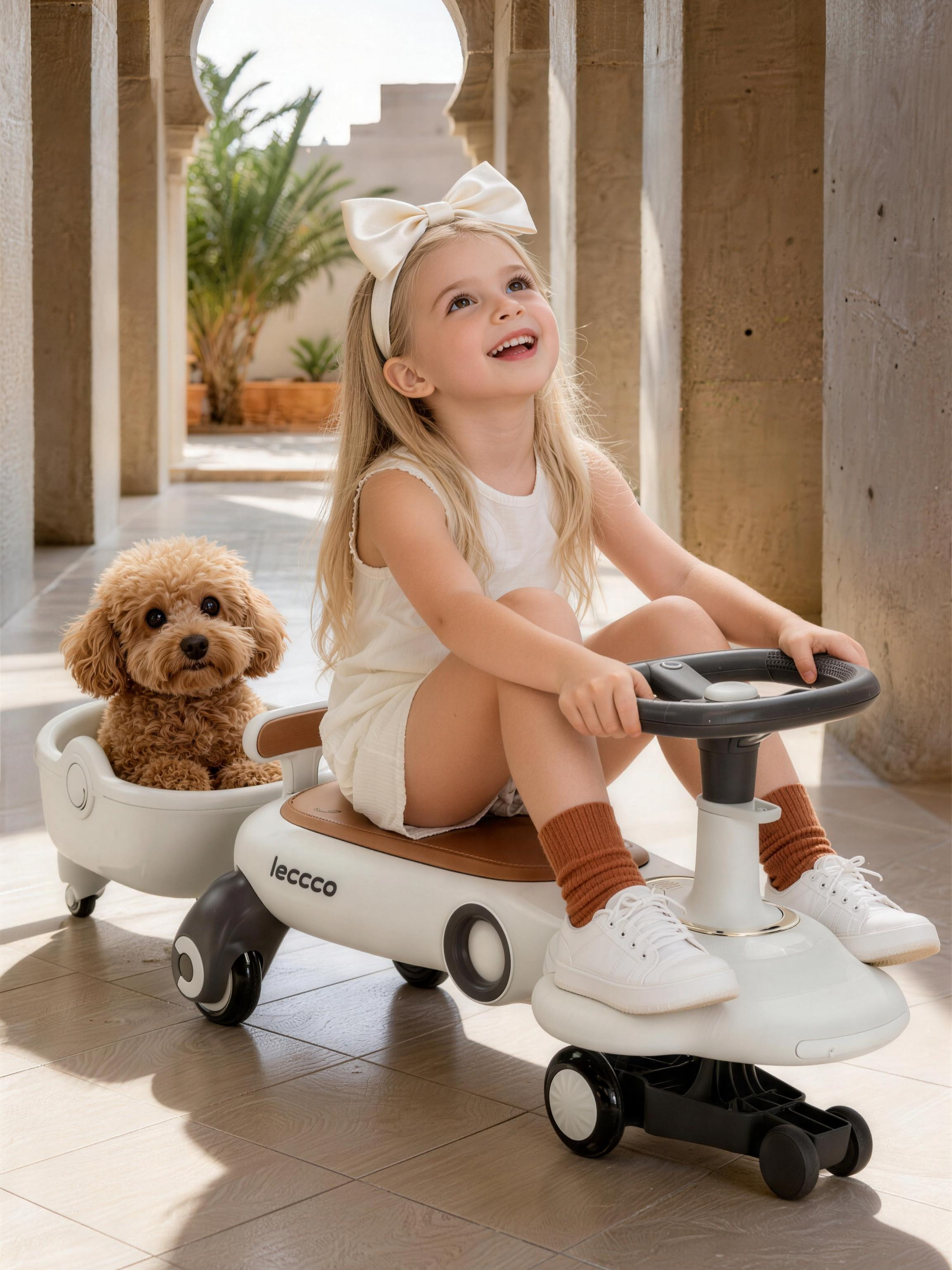
For retailers looking to tap into the booming children's ride-on toy market, wiggle cars represent one of the most consistently high-demand product categories available today. These self-propelled, pedal-free vehicles have earned enormous popularity with parents, daycare centers, and toy retailers alike because they combine active play with genuine safety and fun. Whether you are managing a brick-and-mortar toy store, running an e-commerce platform, or building a wholesale distribution business, understanding how to source wiggle cars effectively for mass sales is a strategic priority that can directly impact your bottom line.
Sourcing wiggle cars at scale is not simply about finding the lowest price per unit. It involves evaluating product quality, safety compliance, design innovation, and the reliability of your supply chain. Retailers who succeed in moving large volumes of wiggle cars consistently are those who approach procurement with both a consumer-focused mindset and strong operational discipline. This guide walks through the most important sourcing considerations so you can build a product lineup that sells confidently and sustains long-term customer satisfaction.
Understanding What Makes Wiggle Cars Retail-Ready
The Core Appeal That Drives Consumer Demand
Before committing to any sourcing strategy, it is essential to understand exactly why wiggle cars sell so well across diverse retail channels. Unlike battery-powered ride-ons, wiggle cars require no external power source. Children propel them by turning the steering wheel in a natural side-to-side motion, which engages their core muscles and improves coordination. This self-powered mechanism is a major selling point for health-conscious parents who want their children active rather than passive during playtime.
The physical design of wiggle cars also contributes to their retail appeal. Most models feature a low-profile frame, wide-set wheels, and smooth surfaces that minimize injury risk, making them appropriate for children as young as one and a half years old. Parents feel confident purchasing a product that allows independent play without constant supervision. Retailers can leverage these attributes across all marketing materials, from in-store displays to digital listings, to convert browsers into buyers at a higher rate.
Another dimension of consumer demand is the social and interactive play element. Many modern wiggle cars are designed with parent-child interaction in mind, featuring dual-grip handles or attachment systems that allow an adult to guide the vehicle from behind. This transforms the product from a solo toy into a bonding experience, broadening its appeal to gift buyers and families who value quality time together. Understanding these appeal layers will help you present wiggle cars more effectively to your end customers.
Key Product Quality Indicators to Assess Before Buying
When evaluating wiggle cars for mass retail, the structural integrity of the frame is the first checkpoint. High-quality models use high-density polyethylene or reinforced ABS plastic that can withstand the repeated stress of daily use without cracking or warping. Ask suppliers for material specifications and, where possible, request sample units so your team can physically test load capacity, joint strength, and surface finish.
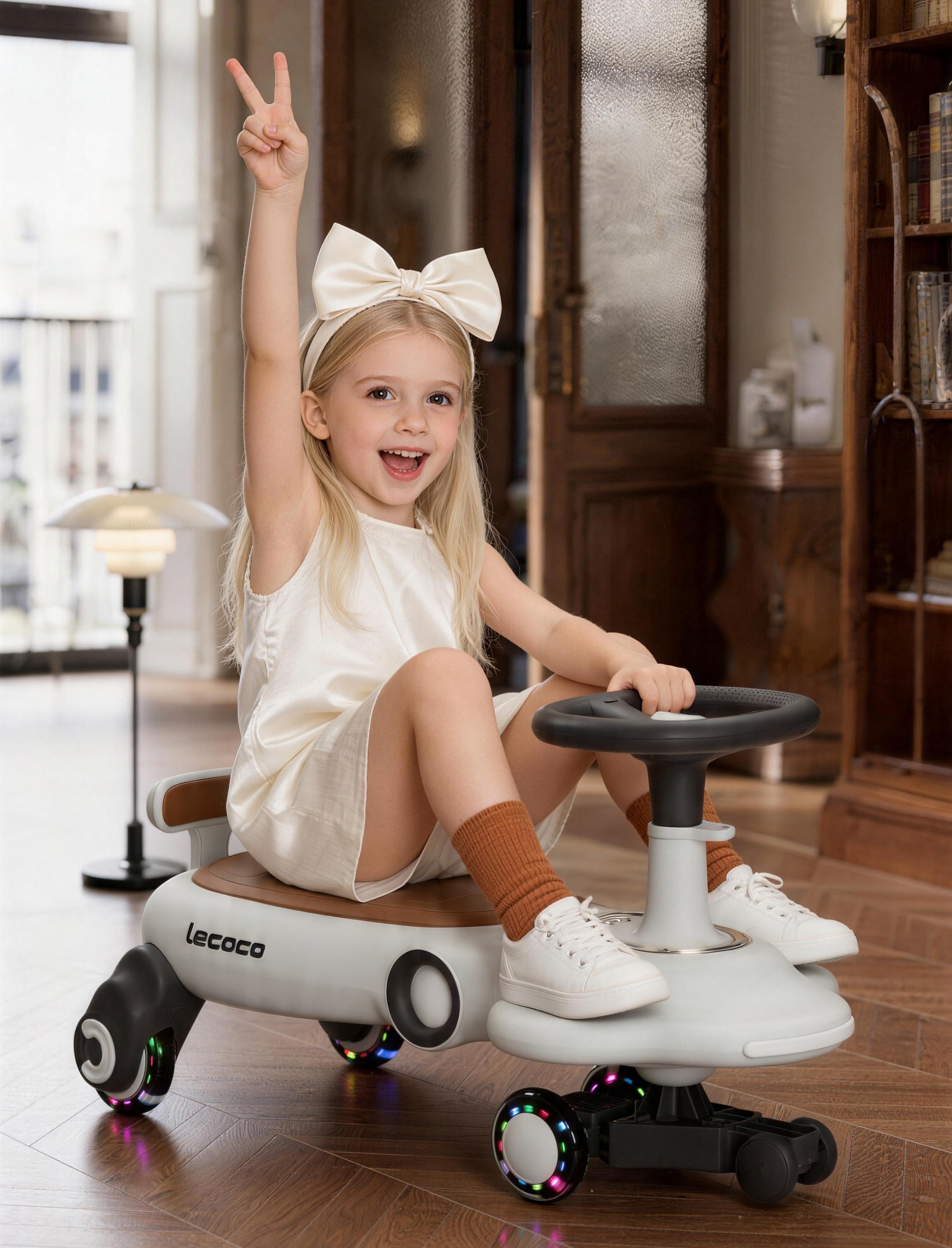
Wheel quality is another critical factor. The wheels on wiggle cars must deliver smooth rotation without wobbling, and they should be mounted on axles that resist loosening over time. Some premium models incorporate dual-wheel designs on the rear axle for added stability, which is especially important for younger riders still developing their sense of balance. Retailers should factor wheel durability into their total cost analysis because wheels are one of the most commonly cited failure points in customer returns.
Color fastness and surface finish matter more than many buyers initially realize. Children's toys are subjected to sunlight, moisture, and constant physical contact. Wiggle cars that use fade-resistant pigments and non-toxic coatings maintain their visual appeal longer, which reduces customer dissatisfaction and return rates. Confirming compliance with non-toxic paint and material standards is both a quality and a liability issue for serious retailers.
Navigating Safety Certifications and Compliance Requirements
Why Certifications Are Non-Negotiable for Mass Retailers
Any retailer sourcing wiggle cars for large-volume sales must treat safety certification as a baseline requirement rather than an optional bonus. The children's toy market is regulated in virtually every major retail territory, and failure to meet applicable standards can result in product recalls, legal liability, and lasting reputational damage. The most recognized standards include ASTM F963 in the United States, EN71 in the European Union, and similar frameworks in Australia and Canada. Confirming that your supplier's wiggle cars hold current, third-party-verified certifications for your target market is a mandatory step in due diligence.
Beyond the standard toy safety certificates, retailers selling through major retail chains or online marketplaces will often face platform-specific compliance documentation requirements. Many large e-commerce platforms now require formal documentation proving chemical compliance, mechanical safety testing, and age-grading accuracy before a toy listing can go live. Preparing this documentation in advance, working with suppliers who already have it organized, will dramatically reduce your time-to-market for wiggle cars and help you avoid costly listing rejections.
Chemical Safety and Material Transparency
Chemical safety is a growing area of scrutiny in the children's product space. Regulations such as REACH in Europe and CPSIA in the United States impose strict limits on the presence of heavy metals, phthalates, and other hazardous substances in toys. When sourcing wiggle cars, request full material disclosure from your supplier and verify that third-party lab reports cover the relevant chemical compliance standards for your target sales regions. A supplier that is transparent about materials and proactively shares test reports is a strong indicator of a trustworthy long-term partner.
Retailers should also pay attention to small parts and detachable components when assessing wiggle cars. Even if the main body of the vehicle passes safety tests, accessories such as decorative stickers, seat cushions, or removable handles must be evaluated individually. A single non-compliant component can compromise an entire product line's certification status. Building a supplier questionnaire that covers each component category will help you systematically protect your business from compliance gaps.
Building a Reliable Sourcing Process for Volume Orders
Identifying and Vetting Qualified Suppliers
Finding a supplier capable of consistently delivering wiggle cars at the quality level required for mass retail involves more than an internet search. Trade shows focused on children's products, baby gear, and outdoor toys remain excellent venues for meeting manufacturers face-to-face and assessing their product range in person. Attending these events, even virtually, gives retailers the opportunity to compare multiple options efficiently and to ask detailed technical questions that written profiles rarely answer fully.
Once you have a shortlist of potential suppliers, move quickly to request formal business credentials, factory audit reports, and references from existing retail clients. A supplier that routinely serves established retailers in your category will already have scalable production infrastructure, organized quality control protocols, and experience handling the documentation demands of regulated markets. For wiggle cars intended for high-volume retail, this track record is far more valuable than a slightly lower quoted price per unit from an unverified source.
Do not underestimate the value of a factory visit or a third-party factory audit when vetting suppliers for recurring large orders. An in-person or audited review of production facilities reveals whether the supplier's capacity claims are realistic, whether their quality control checks are systematic, and whether their working conditions meet the ethical sourcing standards increasingly required by major retail buyers. Integrating this step into your sourcing process builds a foundation of trust that protects your business when volume demands surge.
Managing Samples, Lead Times, and Order Minimums
Once you have identified a promising supplier, the sample evaluation stage is where you validate whether wiggle cars from that source genuinely meet your retail quality standards. Request production-quality samples, not prototype units, and subject them to realistic stress testing that mirrors how a child would actually use the product. Rotate the steering wheel rapidly, apply pressure to the seat, test wheel rotation under load, and check every joint for stability. This practical evaluation should also involve feedback from parents or caregivers in your network if possible.
Lead times for wiggle cars sourced for mass retail typically range from four to twelve weeks depending on order size, production scheduling, and shipping method. Building an accurate lead time estimate into your inventory planning cycle prevents the stock-out situations that damage retailer relationships with end consumers. When negotiating terms, ask suppliers to specify their standard production lead times, peak-season capacity limits, and any documented contingencies for delays caused by raw material shortages or logistics disruptions.
Minimum order quantities are a practical consideration that shapes how retailers structure their initial procurement. Suppliers of wiggle cars with strong manufacturing infrastructure will often offer tiered pricing that rewards larger commitments with lower per-unit costs and better payment terms. Even if your first order is modest in size, communicating your long-term volume growth projections to your supplier can unlock more favorable conditions and signal that you are a serious commercial partner worth investing in.
Maximizing Retail Performance of Wiggle Cars
Display, Packaging, and Merchandising Strategies
The way wiggle cars are presented in a retail environment directly influences conversion rates. Wherever floor space permits, live display units that shoppers and their children can interact with produce measurably higher sales compared to boxed-only displays. The self-propelled motion of wiggle cars is genuinely captivating to young children, and an in-store demonstration typically sells the product better than any signage. Coordinate with your supplier to obtain display-quality units and accompanying point-of-sale materials that communicate key benefits clearly.
Packaging for wiggle cars must balance cost efficiency with consumer appeal. Retail-ready packaging should include high-quality product photography, clearly stated age recommendations, a brief explanation of the self-propulsion mechanism, and any safety certification logos relevant to your market. For e-commerce, the packaging's unboxing experience matters nearly as much as the product itself, since social sharing of unboxing moments continues to drive organic discovery for children's toys on social platforms.
Pricing Strategy for Competitive Mass Sales
Pricing wiggle cars for mass retail requires balancing your margin targets against competitive market positioning. Research the prevailing retail price range in your channel before finalizing your cost model. Premium positioning is achievable when your wiggle cars offer demonstrably superior build quality, unique design features such as parent-assist handles, or exclusive colorways not available through other retailers. Consumers in the children's toy category often respond to quality cues, and a modest price premium supported by visible craftsmanship and credible safety certifications rarely deters serious buyers.
Promotional pricing around key seasonal windows, such as the holiday gift season, spring outdoor play periods, and back-to-school campaigns, can meaningfully accelerate volume for wiggle cars. Planning these promotions in advance and coordinating stock availability with your supplier ensures that your promotional investment does not result in lost sales due to stockouts. A well-executed seasonal promotion can introduce your wiggle cars lineup to a large new audience and drive repeat purchasing from satisfied first-time buyers.
FAQ
What weight and age range should I look for when sourcing wiggle cars for retail?
Most quality wiggle cars are designed for children between 18 months and six years of age, with weight capacities typically ranging from 25 to 50 kilograms depending on the model. When sourcing for retail, it is advisable to prioritize models with a clearly stated weight limit verified by independent testing, as this information is required for proper age-grading labeling and reduces liability risk for your business.
How do I verify that wiggle cars meet safety standards for my market?
Request third-party lab test reports from your supplier that specifically reference the safety standards applicable in your target market, such as ASTM F963 for the US or EN71 for Europe. Verify that the test reports are current and issued by an accredited laboratory. Do not accept self-certification claims as a substitute for independent testing documentation when selling wiggle cars through regulated retail channels.
Can wiggle cars be customized with private labels or exclusive color options for retailers?
Many manufacturers of wiggle cars offer private label and custom color programs for retailers placing orders above a specified minimum quantity. This is an effective differentiation strategy for retailers who want to build brand recognition around their toy product category. When exploring customization options, confirm that any modified colorways or added branding elements are subjected to the same chemical and mechanical safety testing as the base product to maintain full compliance.
What are the most common quality issues with wiggle cars and how can retailers prevent them?
The most frequently reported issues with wiggle cars in retail environments involve wheel loosening over time, surface color fading under UV exposure, and joint cracking under heavy or repeated use. Retailers can prevent these issues by requiring pre-shipment quality inspection reports from suppliers, conducting their own batch sampling upon receipt, and selecting wiggle cars made from UV-stabilized materials with reinforced joint construction. A proactive quality management approach significantly reduces return rates and protects your retail reputation.
Table of Contents
- Understanding What Makes Wiggle Cars Retail-Ready
- Navigating Safety Certifications and Compliance Requirements
- Building a Reliable Sourcing Process for Volume Orders
- Maximizing Retail Performance of Wiggle Cars
-
FAQ
- What weight and age range should I look for when sourcing wiggle cars for retail?
- How do I verify that wiggle cars meet safety standards for my market?
- Can wiggle cars be customized with private labels or exclusive color options for retailers?
- What are the most common quality issues with wiggle cars and how can retailers prevent them?