
 EN
EN



Across international markets, a quiet but meaningful shift is happening in the way parents think about early childhood mobility products. The convertible bike has moved from being a niche novelty to a mainstream choice for families who value both practicality and developmental value. Retailers in Europe, North America, Southeast Asia, and beyond are reporting growing demand for multi-function riding toys that adapt as children grow, and the reasons behind this trend deserve a closer look.
The appeal of the convertible bike is not limited to one region or demographic. From urban apartment dwellers looking to maximize the utility of each toy purchase, to development-conscious parents seeking products that support gross motor skills at multiple stages, the convertible bike satisfies a surprisingly wide range of buyer needs. Understanding why this product category is gaining traction internationally requires examining changes in consumer expectations, parenting philosophy, market economics, and the way modern families evaluate value.
Shifting Consumer Priorities in the Global Toy Market
The Rise of the 'Buy Less, Buy Better' Mindset
One of the most significant drivers behind the growing popularity of the convertible bike is a broad cultural shift in purchasing behavior. Parents across developed and emerging markets alike are increasingly drawn to products that offer longevity and adaptability rather than single-use utility. This 'buy less, buy better' philosophy has reshaped how families allocate budget for children's products, making the convertible bike an exceptionally well-timed product category.
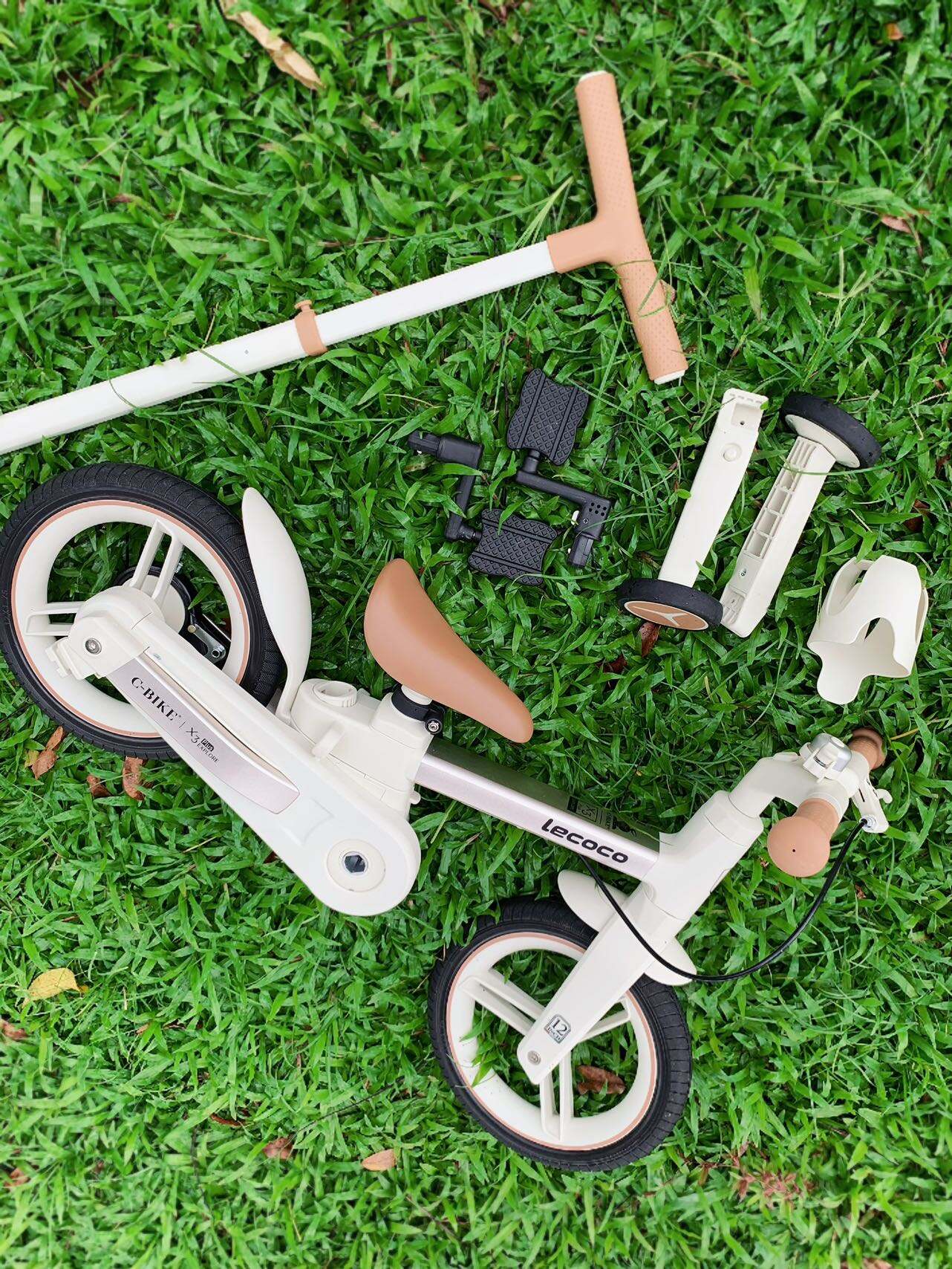
A standard ride-on toy or balance bike might serve a child well for only six to twelve months before being outgrown. A convertible bike, by contrast, is engineered to evolve alongside the child, shifting between walker, balance bike, and pedal tricycle modes depending on the child's age and skill level. This extended usability translates directly into perceived value, which is a key purchase driver in competitive international markets.
Buyers in markets such as Germany, Australia, and South Korea — where quality-conscious parenting culture is strong — respond especially well to the idea that a single product can serve a child from infancy through early childhood. The convertible bike benefits directly from this preference, as it aligns product lifespan with the child's developmental arc rather than a fixed age bracket.
Environmental and Sustainability Awareness
Environmental consciousness is no longer a niche concern. It has become a mainstream purchasing filter, especially among millennial and Gen Z parents who now represent the dominant buying cohort in most international markets. The convertible bike resonates with this group because it reduces the total number of products a family needs to purchase over a child's early years, thereby reducing manufacturing demand and material waste.
When a family can use one high-quality convertible bike instead of three separate products — a walker, a balance bike, and a tricycle — they are making a measurably more sustainable choice. This narrative is easy for brands to communicate and easy for environmentally minded parents to appreciate. In markets where sustainability labeling and eco-conscious branding carry commercial weight, the convertible bike has a natural storytelling advantage.
Developmental Benefits Driving Parental Demand
Supporting Multiple Stages of Motor Development
The popularity of the convertible bike is not purely commercial — it is also grounded in genuine developmental logic. Early childhood is characterized by rapid and stage-by-stage physical development, and mobility products that can adapt to these stages offer a clear educational and physical advantage over fixed-format alternatives. Parents who are informed about child development increasingly seek products that align with developmental milestones rather than arbitrary age ranges.
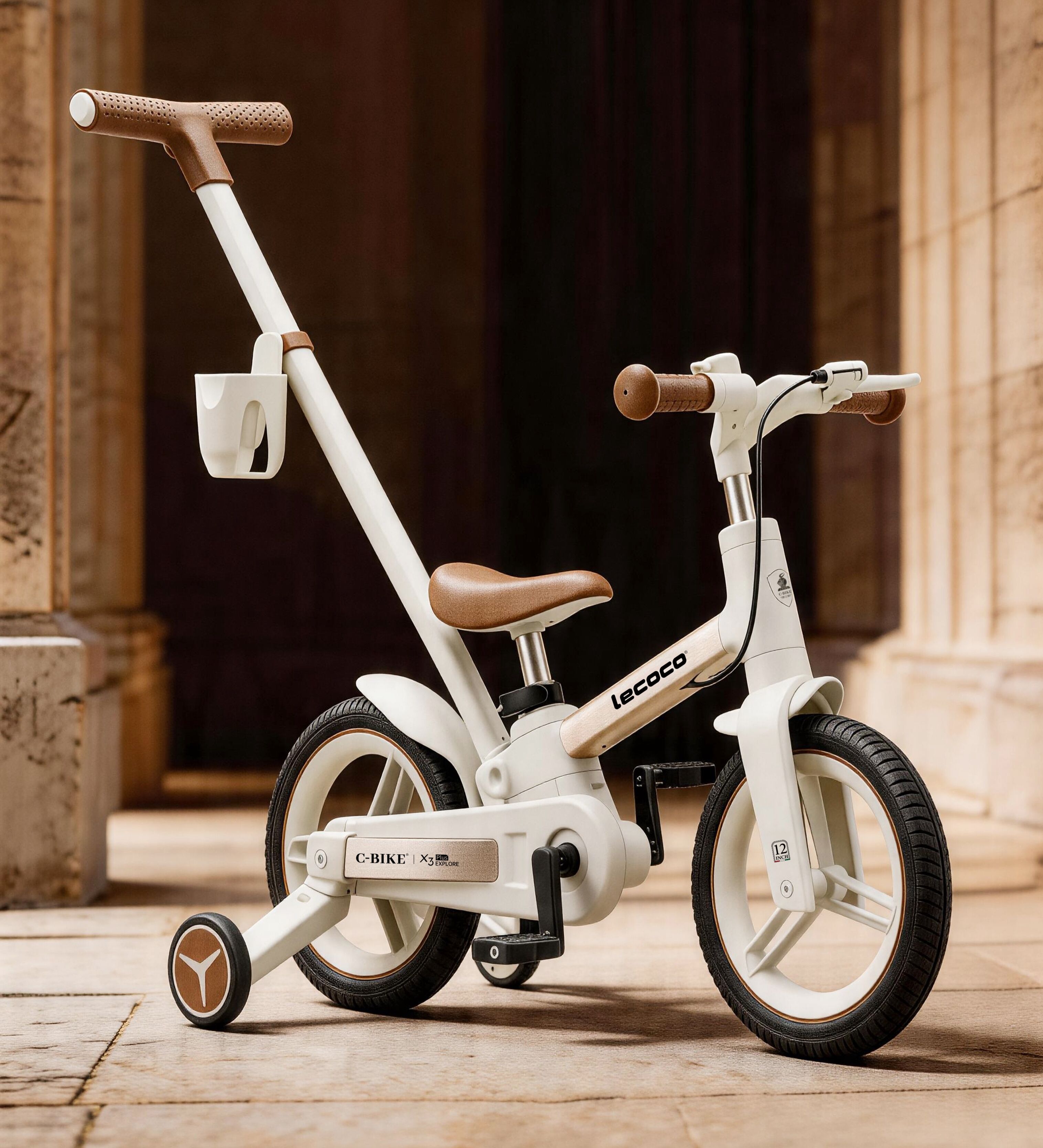
In its earliest configuration, a convertible bike typically functions as a push walker, helping infants and young toddlers build confidence in upright movement and balance. As the child develops leg strength and coordination, the same frame can be reconfigured as a balance bike, encouraging the rider to steer, lean, and develop the core spatial awareness needed for cycling. The final pedal-powered configuration introduces the mechanics of rhythm and propulsion. Each stage builds on the last, giving the child a continuous and coherent progression rather than disconnected product experiences.
This developmental alignment is a powerful sales argument in markets where pediatricians and early childhood educators have significant influence over parental purchasing decisions. Countries with strong parenting culture ecosystems — including Japan, the Netherlands, and Canada — are seeing particularly strong uptake of the convertible bike for precisely this reason.
The Role of Pediatric Recommendations and Educational Branding
Word-of-mouth from pediatric professionals carries enormous weight in influencing parental purchases globally. As more child development specialists begin recommending balance-based riding toys over traditional tricycles for early coordination training, the convertible bike benefits from professional endorsement. Its multi-stage design fits naturally into what therapists and pediatricians describe as a 'scaffolded' approach to physical learning.
Brands that successfully communicate the developmental narrative behind their convertible bike products tend to build stronger trust with first-time parents, who often rely heavily on expert guidance. In international B2B terms, this translates into stronger retail placement in baby specialty stores, pediatric clinics, and educational toy retail chains — all of which have expanded significantly across Asia-Pacific and European markets in recent years.
Market Economics and Retail Channel Expansion
Value Positioning in Competitive Categories
From a retail economics perspective, the convertible bike occupies a particularly strong position in the children's ride-on category. It typically commands a higher unit price than single-function alternatives, yet it justifies this premium clearly through multi-mode functionality and extended product lifespan. This pricing architecture is appealing to retailers because it supports healthy margin structures without requiring aggressive promotional discounting.
In markets where consumer spending on children's products continues to grow — including China, Brazil, and the Gulf region — the convertible bike benefits from an expanding middle class that is both able and willing to invest in premium children's developmental products. The product sits at a sweet spot between luxury and practical value, making it accessible enough for broad retail distribution yet premium enough to generate meaningful margin for importers and retailers alike.
International buyers who work with convertible bike suppliers are also finding that the product's gift-ability is a commercial asset. As a comprehensive developmental set in one visually appealing package, the convertible bike performs strongly in gifting occasions — new baby gifts, first birthday presents, and holiday shopping events. This broadens the seasonal demand profile and makes inventory planning more predictable for distributors.
E-Commerce and Cross-Border Trade Acceleration
The expansion of cross-border e-commerce has played a direct role in accelerating the global popularity of the convertible bike. Platforms that facilitate direct-to-consumer international sales have allowed well-designed convertible bike products to reach buyers in markets that would previously have required years of traditional distribution channel development. A parent in Poland or Malaysia can now discover, research, and purchase a convertible bike from a global supplier within minutes.
Social media has amplified this effect significantly. Video content showing a convertible bike transitioning between modes — particularly content shared by parenting influencers on visual platforms — performs exceptionally well in terms of engagement and conversion. The product's transformation feature is visually compelling and immediately communicates value in a way that static text or images cannot. This makes the convertible bike particularly well suited to the social-commerce model that is now dominant in many international markets.
Design Innovation and Safety Standards Across Markets
How Product Design Has Evolved to Meet Global Expectations
The modern convertible bike is the result of meaningful investment in design engineering. Early iterations of convertible ride-on toys were sometimes criticized for clunky transition mechanisms, instability in certain modes, or materials that did not meet international safety standards. Today's leading convertible bike products have addressed these issues comprehensively, incorporating lightweight but durable frame materials, tool-free assembly mechanisms, adjustable seat heights, and ergonomic handlebar configurations.
Design improvements have also addressed the aesthetic preferences of international buyers. Consumers in Scandinavian markets, for example, tend to prefer minimalist color palettes and clean geometric design, while buyers in Southeast Asia and Latin America often favor brighter colors and playful visual details. Manufacturers producing convertible bike models for international distribution are increasingly offering region-specific colorways and finishing options to align with local market preferences without altering core engineering.
Safety certification has also become a non-negotiable factor for international market entry. The convertible bike must meet different regulatory frameworks depending on the destination market — CE marking for the European Union, ASTM standards for the United States, and various national standards across Asia-Pacific. Manufacturers that have invested in multi-market certification are gaining a clear competitive advantage as retailers and importers prioritize compliance as a baseline requirement.
The Impact of Adjustable and Ergonomic Features
One underappreciated driver of the convertible bike's international popularity is the practical usability of adjustable ergonomic features. A product that can accommodate children from roughly 12 months to five or six years of age must offer meaningful range in seat height, handlebar positioning, and footrest placement. When these adjustments are intuitive and tool-free, parents are far more likely to actually use all the available configurations rather than leaving the product in a single mode.
This usability factor influences purchase reviews and word-of-mouth significantly. In markets where online review culture is strong — including the United States, the United Kingdom, and Australia — positive reviews that highlight ease of reconfiguration can drive substantial organic sales growth. A convertible bike that is praised for smooth transitions and robust build quality in popular parenting forums will often outperform competitors regardless of price point.
FAQ
What age range is a convertible bike typically designed for?
Most convertible bike products are designed to accommodate children from approximately 12 months through to five or six years of age, depending on the specific model and its adjustment range. The multi-mode design allows the same product to serve as a push walker for younger toddlers, a balance bike for developing riders, and a pedal tricycle for older children who are ready for structured cycling. Always check the manufacturer's specific weight and height guidelines before purchase.
Why is the convertible bike more popular in some international markets than others?
Market adoption rates for the convertible bike vary based on factors including consumer spending power, parenting culture, retail infrastructure, and regulatory environment. Markets with strong developmental toy traditions, high parental investment in early education, and well-developed baby specialty retail sectors tend to show earlier and stronger adoption. However, growing middle-class populations in emerging markets are also driving rapid increases in convertible bike demand globally.
How does a convertible bike compare to buying separate products for each developmental stage?
From both a financial and practical standpoint, a quality convertible bike typically offers better total value than purchasing three separate products. Families avoid the cost of replacing outgrown products, reduce household clutter, and benefit from a product that maintains consistent ergonomic and safety design across all modes. The trade-off is a higher initial purchase price, which many parents find easy to justify when the total cost of ownership is calculated across the child's early years.
What should importers and retailers look for when sourcing a convertible bike for international distribution?
Key sourcing considerations include multi-market safety certification compliance, durability of materials and transition mechanisms, availability of region-specific design options, supplier reliability and minimum order quantity flexibility, and the clarity of the product's developmental narrative for marketing purposes. Retailers should also evaluate how well the convertible bike's visual presentation performs in e-commerce environments, since social-commerce compatibility is increasingly critical for international product success.
Table of Contents
- Shifting Consumer Priorities in the Global Toy Market
- Developmental Benefits Driving Parental Demand
- Market Economics and Retail Channel Expansion
- Design Innovation and Safety Standards Across Markets
-
FAQ
- What age range is a convertible bike typically designed for?
- Why is the convertible bike more popular in some international markets than others?
- How does a convertible bike compare to buying separate products for each developmental stage?
- What should importers and retailers look for when sourcing a convertible bike for international distribution?