
 EN
EN



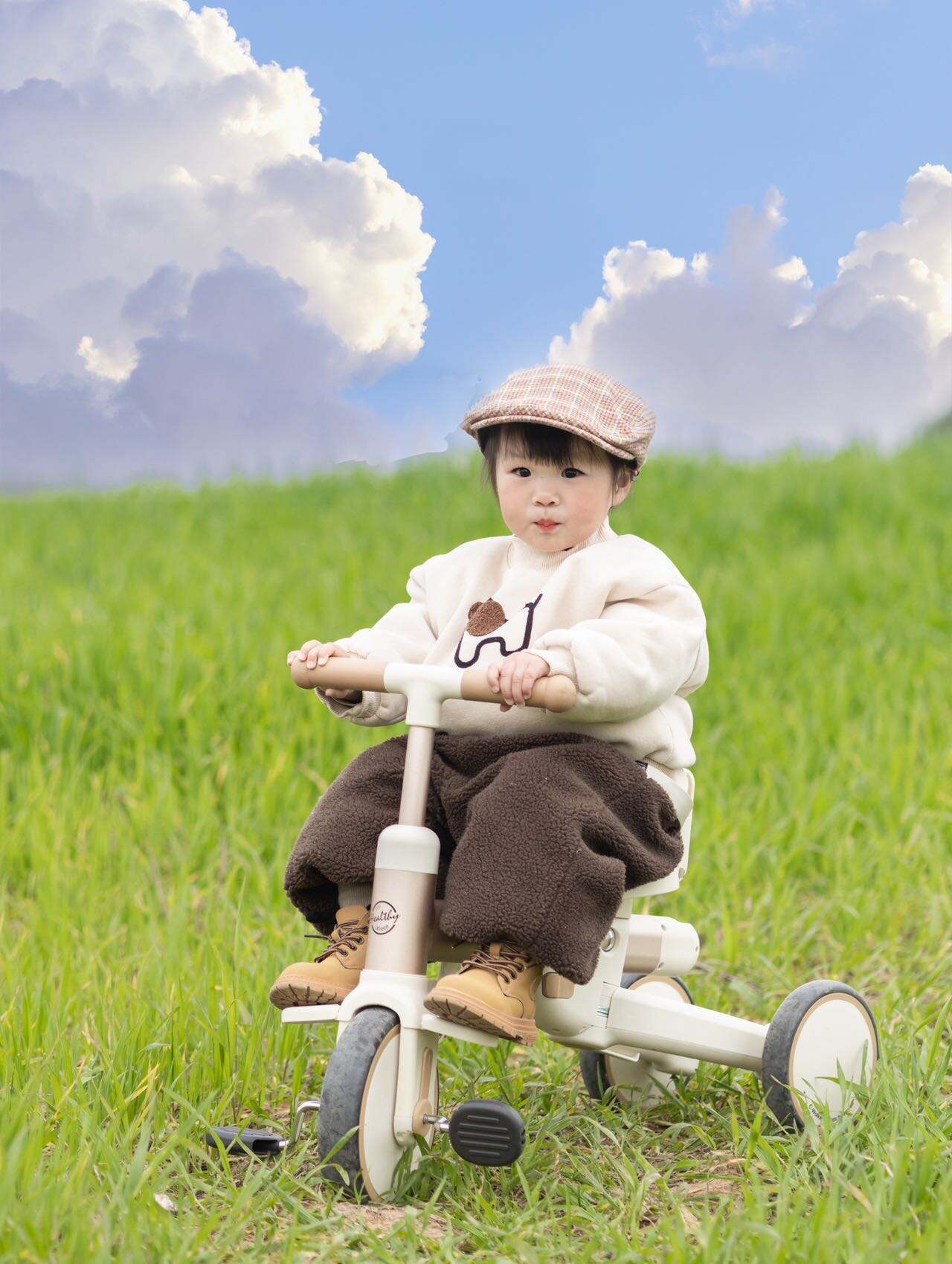
Urban family life presents unique mobility challenges that require thoughtful equipment choices, particularly when it comes to transporting young children through bustling city environments. Parents navigating crowded sidewalks, public transportation systems, and multi-story buildings quickly discover that traditional heavy strollers can transform simple outings into exhausting ordeals, making the selection of appropriate baby gear a critical decision for maintaining an active urban lifestyle.
The fundamental advantages of a lightweight stroller become immediately apparent when considering the physical demands of urban parenting, where every pound matters during daily navigation through complex city infrastructure. Modern urban families require equipment that enhances rather than hinders their mobility, enabling spontaneous adventures and efficient travel while maintaining the safety and comfort standards essential for child transportation in dynamic metropolitan environments.
Enhanced Urban Mobility and Maneuverability
Navigating Crowded Public Spaces
Urban environments present constant navigation challenges that make a lightweight stroller essential for maintaining fluid movement through dense pedestrian areas. City sidewalks often feature unexpected obstacles, narrow passages, and heavy foot traffic that require quick directional changes and precise maneuvering capabilities. A lightweight stroller responds immediately to parental guidance, allowing swift navigation around street vendors, construction barriers, and other urban obstacles without the momentum issues associated with heavier models.
The reduced weight significantly improves steering precision when weaving through crowded markets, busy shopping districts, or packed festival areas where space constraints demand exceptional maneuverability. Parents can execute sharp turns, sudden stops, and direction reversals with minimal physical effort, reducing fatigue during extended urban exploration sessions. This enhanced control becomes particularly valuable during peak hours when sidewalk congestion reaches maximum levels.
Efficient Public Transportation Integration
Public transportation systems in major cities often impose strict size and weight restrictions that favor compact, lightweight stroller designs for seamless integration with buses, trains, and subway systems. The ability to quickly fold and lift a lightweight stroller onto elevated platforms, through turnstiles, and into crowded train cars eliminates the physical strain and logistical complications associated with bulkier alternatives. Urban parents frequently transition between walking and public transit, making rapid deployment and storage capabilities essential features.
Metro systems worldwide recognize the practical benefits of lightweight stroller designs, with many transit authorities specifically accommodating these models in their accessibility guidelines and designated spaces. The reduced footprint allows parents to maintain considerate positioning within shared transportation spaces while ensuring child safety and comfort throughout multi-modal urban journeys.
Practical Storage and Space Efficiency
Apartment Living Compatibility
Urban housing typically features limited storage space, making compact lightweight stroller designs particularly valuable for families living in apartments, condominiums, or smaller urban dwellings. Traditional heavy strollers often monopolize entire closets or hallway areas, while lightweight alternatives can be stored vertically against walls, under beds, or in narrow spaces that would otherwise remain unutilized. This space efficiency becomes crucial in cities where every square foot of living space commands premium pricing.
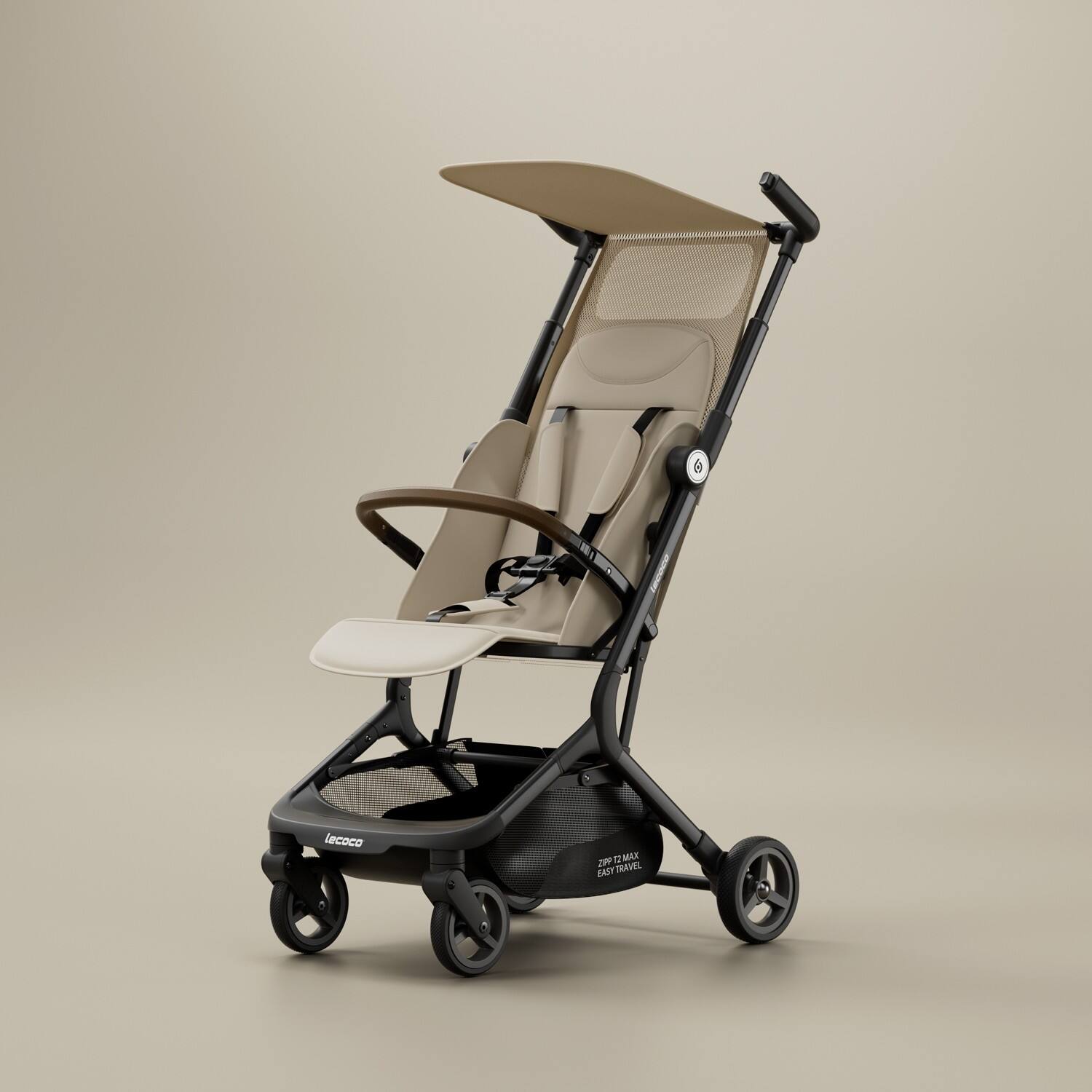
The streamlined profile of a lightweight stroller enables storage in apartment entryways, behind doors, or within compact utility areas without creating obstruction or clutter. Urban families appreciate equipment that integrates seamlessly into their existing spatial arrangements rather than demanding dedicated storage infrastructure or permanent placement areas that compromise living functionality.
Vehicle Transport Advantages
Urban families often rely on compact vehicles, ride-sharing services, or occasional rental cars that benefit significantly from lightweight stroller compatibility with various trunk sizes and cargo configurations. The reduced weight eliminates lifting strain when loading equipment into elevated SUV cargo areas or compact car trunks, while the streamlined dimensions typically accommodate multiple storage scenarios without requiring specific vehicle modifications or arrangements.
Taxi and ride-share compatibility becomes particularly important for urban families who depend on these services for longer-distance travel or airport transfers. A lightweight stroller can be quickly collapsed and stored without imposing additional fees or complications that often accompany larger baby equipment during urban transportation scenarios.
Health and Physical Benefits for Urban Parents
Reduced Physical Strain During Extended Use
Urban parenting involves considerable daily walking distances as families navigate between appointments, activities, and errands throughout metropolitan areas. A lightweight stroller significantly reduces the cumulative physical stress associated with pushing, lifting, and maneuvering baby equipment across varied urban terrain including uneven sidewalks, curbs, and inclined surfaces. The decreased weight translates directly into reduced arm, shoulder, and back strain during extended outings that may span several hours.
Parents with multiple children or those carrying additional urban necessities like diaper bags, groceries, or work equipment particularly benefit from the reduced baseline weight of a lightweight stroller. This weight reduction creates capacity for carrying other essential items without exceeding comfortable physical limits, enabling more comprehensive urban excursions without compromising parental comfort or safety.
Improved Long-Term Mobility Health
Chronic use of heavy strollers can contribute to repetitive strain injuries, joint stress, and postural problems that accumulate over months of regular urban navigation. A lightweight stroller promotes healthier pushing mechanics and reduces the biomechanical stress placed on parental joints, particularly in the wrists, shoulders, and lower back regions that bear primary responsibility for stroller control and lifting operations.
The improved ergonomics associated with lightweight stroller use encourage more frequent urban exploration and physical activity, as parents experience less fatigue and physical deterrence when considering spontaneous outings or extended walking adventures. This positive cycle supports overall family fitness and urban engagement levels while maintaining sustainable daily activity patterns.
Economic and Lifestyle Advantages
Cost-Effective Urban Transportation
Urban families operating with lightweight stroller systems often discover significant transportation cost savings compared to families dependent on heavier equipment that limits mobility options. The enhanced public transportation compatibility reduces reliance on expensive taxi services, ride-sharing premium fees for large items, or the necessity of maintaining larger vehicles specifically to accommodate bulky baby equipment. These cumulative savings become substantial over months of regular urban travel.
The portability advantages of a lightweight stroller enable families to access free or low-cost urban activities that might otherwise require expensive transportation solutions. Parks, museums, cultural events, and community gatherings become more accessible when parents can efficiently transport children using existing infrastructure rather than planning complex logistics around heavy equipment limitations.
Enhanced Social and Cultural Engagement
Urban cultural life often involves spontaneous opportunities, last-minute invitations, and dynamic social situations that favor families equipped with flexible, portable child transportation solutions. A lightweight stroller enables parents to accept impromptu social invitations, explore pop-up events, or extend outings beyond original plans without the logistical constraints imposed by cumbersome equipment.
The social psychology of urban parenting also benefits from lightweight stroller use, as parents feel more confident navigating social situations where space is limited or where child equipment might create inconvenience for others. This confidence translates into increased social participation and community engagement, contributing to richer urban family experiences and stronger neighborhood connections.
FAQ
Are lightweight strollers safe for daily urban use?
Modern lightweight strollers meet rigorous safety standards while providing excellent stability and security features specifically designed for urban environments. Quality lightweight models incorporate advanced engineering that delivers full safety protection without unnecessary weight, including robust braking systems, secure harnesses, and impact-resistant frames that perform reliably across varied urban terrain and usage scenarios.
How much weight difference makes a practical impact for urban families?
Urban families typically notice significant practical differences when stroller weight drops below 15-20 pounds compared to traditional models that may weigh 25-35 pounds or more. This 10-15 pound reduction translates into noticeably easier lifting, improved maneuverability, and reduced fatigue during extended urban outings, making the difference particularly apparent during stairs, public transportation use, and storage situations.
Do lightweight strollers work well on urban sidewalk surfaces?
Quality lightweight strollers feature wheel designs and suspension systems optimized for urban surface navigation, including cracked sidewalks, small curbs, and varied pavement textures common in city environments. Modern lightweight designs incorporate durable wheel assemblies and responsive steering mechanisms that handle urban terrain effectively while maintaining the portability advantages essential for metropolitan family life.
Can lightweight strollers accommodate growing children in urban settings?
Many lightweight stroller designs offer extended weight capacity and adjustable features that support children through toddler stages while maintaining portability advantages crucial for urban use. The key lies in selecting models that balance weight efficiency with durability and size accommodation, ensuring long-term utility without compromising the mobility benefits that make lightweight designs particularly valuable for city families.