
 EN
EN



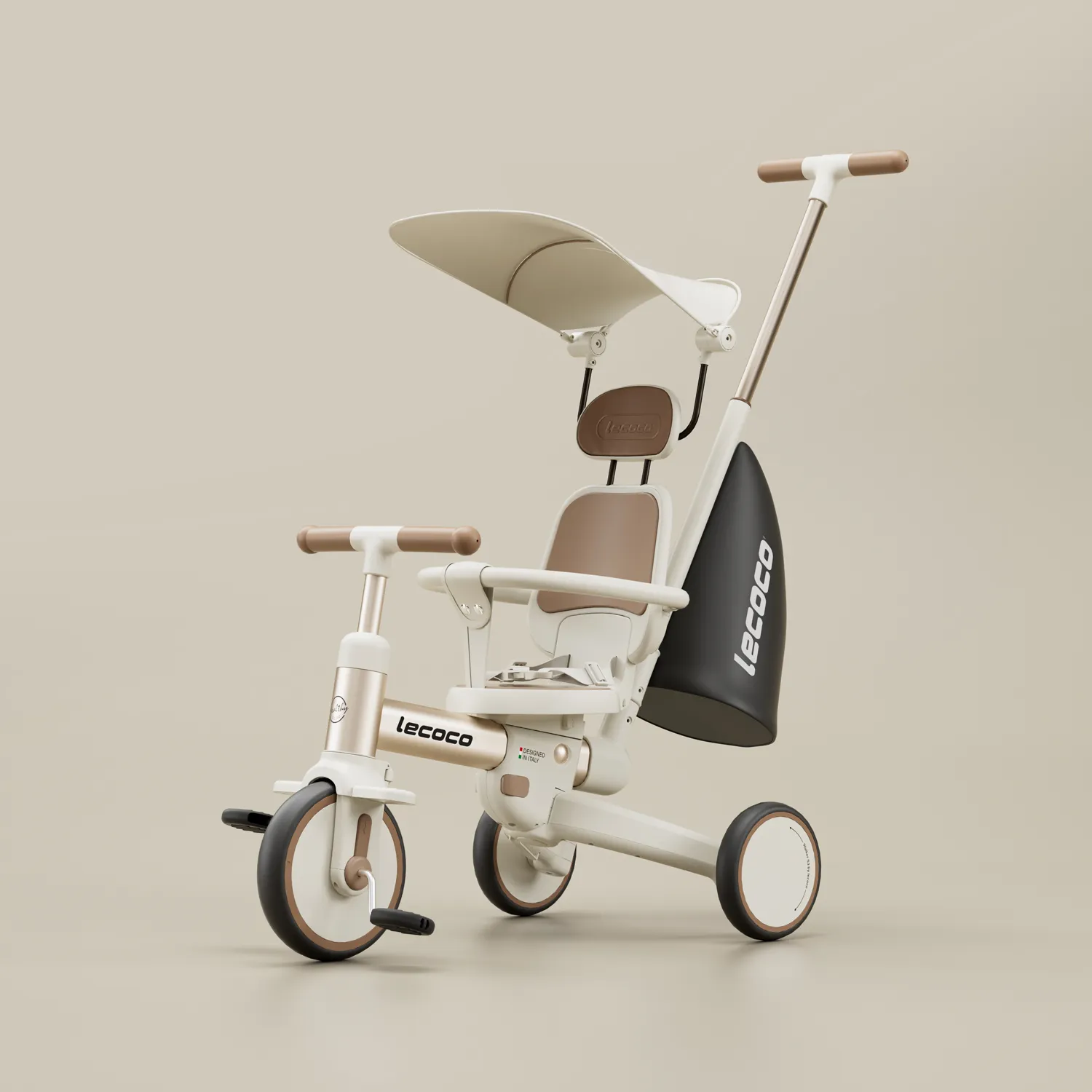
When parents choose a stroller, they often focus on convenience features like folding mechanisms or cup holders, but the fundamental stroller design elements that directly impact baby comfort and safety deserve equal attention. Understanding how specific design choices influence your child's well-being can help you make informed decisions that prioritize both immediate comfort during daily outings and long-term developmental support. Every design aspect, from seat ergonomics to wheel configuration, plays a crucial role in creating a secure and pleasant riding experience for infants and toddlers.
Modern stroller design incorporates numerous safety standards and comfort innovations that work together to protect children while promoting healthy development. From shock absorption systems that minimize vibration to multi-position recline mechanisms that support proper spinal alignment, thoughtful design elements address both obvious and subtle factors that affect baby well-being. The interplay between these various design components creates a comprehensive system that either enhances or compromises the overall riding experience, making it essential for parents to understand how different design approaches impact their child's comfort and safety.
Seat Design and Ergonomic Comfort Features
Proper Seat Positioning and Spinal Support
The fundamental aspect of stroller design that affects baby comfort begins with seat positioning and spinal support systems. Well-designed stroller seats provide adequate lumbar support while maintaining the natural curvature of an infant's developing spine. The seat depth and width must accommodate growing children without creating pressure points, while the backrest angle should offer multiple recline positions to support different developmental stages and activity levels.
Quality stroller design incorporates contoured seat surfaces that distribute weight evenly across the child's body, preventing concentrated pressure that can cause discomfort during extended outings. The seat padding materials and thickness directly influence comfort levels, with memory foam or gel-infused cushioning providing superior pressure relief compared to thin fabric coverings. Additionally, breathable seat fabrics with moisture-wicking properties help regulate body temperature and prevent skin irritation during warm weather conditions.
Harness System Integration and Comfort
The safety harness represents a critical intersection between comfort and protection in stroller design. Five-point harness systems distribute restraint forces across stronger parts of the child's body, but the padding quality and strap positioning significantly affect comfort levels. Well-designed harness padding uses soft, non-irritating materials that prevent chafing while maintaining their protective function even after repeated washing and use.
Adjustable harness heights accommodate growing children without compromising safety effectiveness, while magnetic buckle systems or easy-release mechanisms help parents secure children quickly without causing distress. The stroller design must balance harness snugness for safety with sufficient flexibility to allow natural movement and breathing. Poorly designed harness systems can create pressure points on shoulders, chest, or crotch areas, leading to discomfort that makes children resistant to stroller use.
Suspension and Shock Absorption Systems
Wheel Configuration and Terrain Adaptability
The wheel design and suspension system dramatically influence both comfort and safety by determining how effectively the stroller absorbs impacts from uneven surfaces. Large pneumatic wheels with independent suspension systems provide superior shock absorption compared to small plastic wheels with rigid mounting systems. This difference becomes particularly noticeable when navigating sidewalk cracks, curbs, or rough pavement that can jar sleeping infants or cause discomfort to sensitive children.
Front wheel swivel mechanisms affect maneuverability and stability, with lockable swivel wheels offering versatility for different terrain types. The stroller design must balance easy steering with straight-line stability, ensuring that the unit tracks properly without requiring constant correction. Ball-bearing wheel assemblies reduce rolling resistance and provide smoother operation, while sealed bearings protect against dirt and moisture that can cause wheel binding or noise.
Frame Flexibility and Vibration Dampening
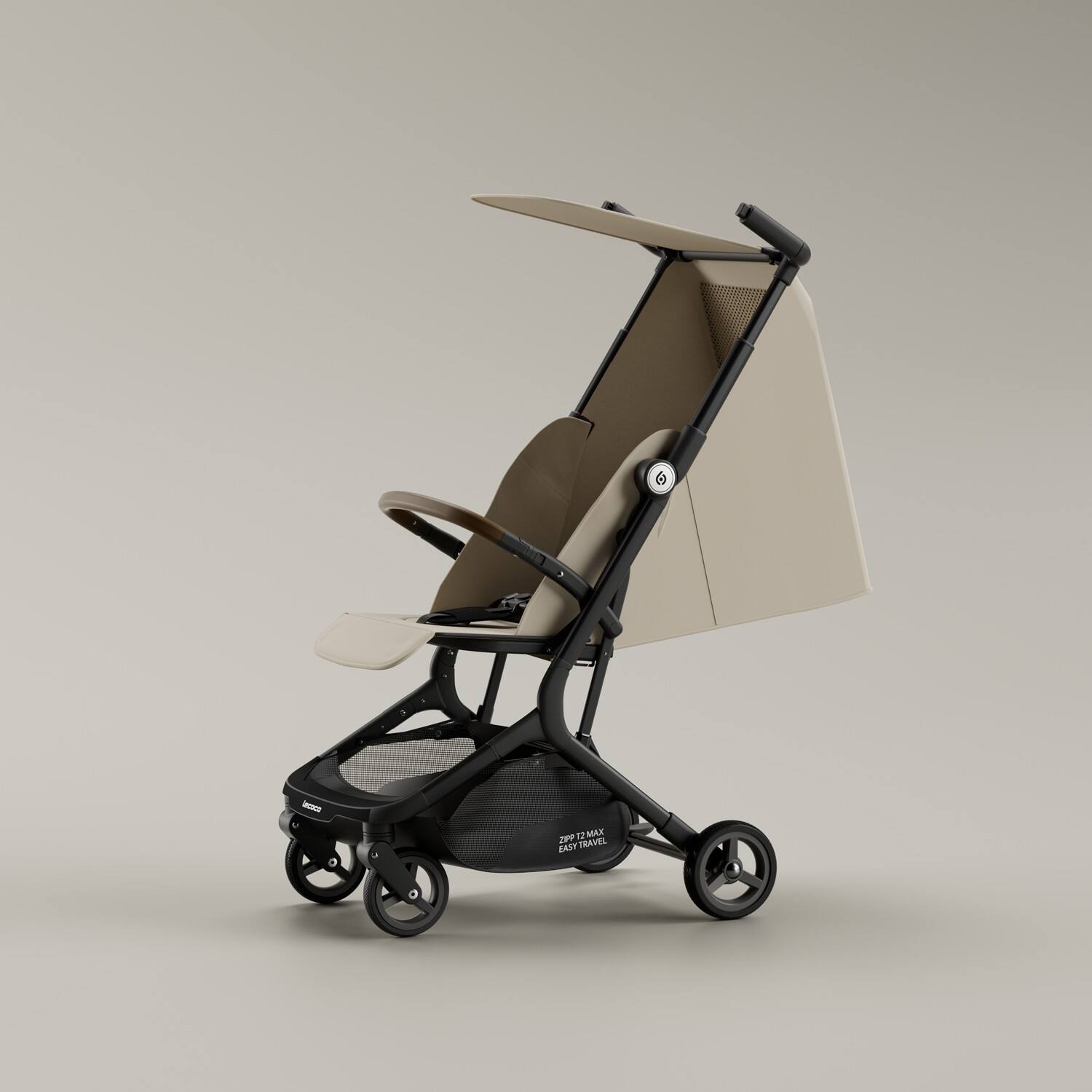
Advanced stroller design incorporates frame flexibility and vibration dampening technologies that filter out road vibrations before they reach the child. Aluminum frame construction with strategic flex points can absorb minor impacts while maintaining overall structural integrity. Some premium stroller designs include dedicated suspension systems with springs or elastomer components that actively isolate the seating area from frame vibrations.
The effectiveness of vibration dampening directly correlates with comfort levels during extended use, particularly for sensitive infants who may be disturbed by constant low-level vibrations. Poor stroller design that transmits every surface irregularity to the child can cause restlessness, interrupted sleep, and general discomfort that makes outings stressful for both parent and child. Quality stroller design systems create a buffer between environmental disturbances and the child's immediate environment.
Safety Integration and Protection Features
Structural Stability and Tip Prevention
Fundamental stroller design safety considerations include wheelbase width, center of gravity positioning, and overall structural stability that prevents tipping accidents. The relationship between wheel spacing and frame height creates the stability triangle that determines tip resistance when navigating slopes or making sharp turns. Wider wheelbases generally provide better stability but may compromise maneuverability in tight spaces, requiring design engineers to optimize this balance.
Anti-tip features in modern stroller design include weighted rear axles, low-mounted storage baskets, and frame geometries that maintain stability even when storage areas are loaded. Some advanced designs incorporate automatic braking systems that engage when the stroller begins to tip backward, providing an additional safety margin during normal use. The frame material and joint construction methods directly affect long-term stability, with welded aluminum joints typically providing superior strength compared to plastic connection points.
Brake System Effectiveness and Accessibility
Brake system design significantly impacts both safety and user convenience, with foot-operated brake mechanisms being the most common configuration. Effective brake systems should engage easily with light foot pressure while providing positive feedback to confirm engagement. The brake mechanism must function reliably across different shoe types and weather conditions, maintaining effectiveness even when components become wet or dirty.
Linked brake systems that engage both rear wheels simultaneously provide more secure parking compared to single-wheel brake designs. The brake pedal positioning and size affect accessibility, particularly for parents wearing different types of footwear. Quality stroller design ensures that brake mechanisms remain easily accessible without interfering with normal walking patterns or creating trip hazards. Additionally, brake indicators or visual cues help parents confirm proper engagement before releasing their grip on the handle.
Environmental Protection and Weather Adaptability
Canopy Coverage and UV Protection
The canopy system represents a crucial comfort and safety element in stroller design, providing protection from sun, wind, and precipitation. Effective canopy designs offer multiple position settings that accommodate different sun angles throughout the day while maintaining adequate ventilation to prevent overheating. UPF-rated fabrics provide quantifiable sun protection levels, with UPF 50+ ratings blocking over 98% of harmful UV radiation.
Extendable or telescoping canopy systems adapt to changing conditions and child positioning, while peek-a-boo windows allow parents to monitor sleeping children without disturbing the protective coverage. The canopy mounting system must provide secure attachment while allowing smooth adjustment, with quality designs incorporating multiple pivot points that prevent fabric stress and extend operational life. Wind resistance becomes particularly important in open areas, requiring sturdy canopy frameworks that maintain shape without creating excessive drag.
Ventilation and Air Circulation Management
Thoughtful stroller design incorporates ventilation systems that promote air circulation while maintaining protection from external elements. Mesh panels in strategic locations allow airflow without compromising security, while adjustable ventilation flaps provide control over air circulation levels. The seat back design often includes ventilation channels or perforated materials that prevent heat buildup against the child's back and head areas.
Effective ventilation design becomes particularly important during warm weather conditions when poor air circulation can lead to overheating, skin irritation, or general discomfort. The positioning of ventilation openings must balance airflow effectiveness with protection from direct wind exposure that could disturb sleeping children. Some advanced stroller designs include temperature-regulating materials or phase-change fabrics that help maintain comfortable microclimate conditions within the seating area.
Long-term Durability and Adaptability Features
Growth Accommodation and Adjustability
Quality stroller design anticipates child growth and changing needs through adjustable components that extend useful life while maintaining comfort and safety standards. Adjustable footrests, extendable leg supports, and variable seat depths accommodate growing children without requiring complete replacement. The adjustment mechanisms must operate smoothly while maintaining secure positioning under normal use conditions.
Convertible stroller design systems that adapt from infant carrier compatibility to toddler seating configurations provide long-term value while ensuring age-appropriate support. The transition mechanisms between different configurations must maintain safety standards while simplifying the conversion process for parents. Handle height adjustability accommodates different parent heights, reducing back strain and improving ergonomics during extended use.
Component Durability and Maintenance Requirements
The material selection and construction methods used in stroller design directly impact long-term durability and maintenance requirements. Aluminum frame construction typically provides superior strength-to-weight ratios compared to steel or plastic alternatives, while corrosion-resistant coatings extend operational life in various environmental conditions. Fabric components should resist fading, staining, and wear while remaining easy to clean and maintain.
Replaceable wear components such as wheels, brake pads, and fabric covers help extend stroller life while keeping maintenance costs reasonable. The design should facilitate routine maintenance tasks like wheel removal, bearing lubrication, and fabric washing without requiring specialized tools or professional service. Quality control in manufacturing ensures consistent component performance and reduces the likelihood of premature failures that could compromise safety or comfort.
FAQ
How does wheel size affect baby comfort in a stroller?
Larger wheels provide significantly better shock absorption and smoother rolling over uneven surfaces compared to smaller wheels. Wheels with diameters of 8 inches or larger can roll over sidewalk cracks, small debris, and surface irregularities without transmitting harsh impacts to the child. Pneumatic or air-filled wheels offer the best comfort by providing natural suspension, while solid rubber wheels still offer better comfort than hard plastic wheels. The improved ride quality from larger wheels particularly benefits sensitive infants and helps maintain peaceful sleep during stroller rides.
What safety features should I prioritize in stroller design selection?
The most critical safety features include a five-point harness system with padded straps, reliable brake mechanisms that engage both rear wheels, and a wide wheelbase for stability. Look for JPMA certification and compliance with current safety standards, along with frame construction that prevents folding during normal use. The stroller should have a low center of gravity to resist tipping, secure locking mechanisms for folding components, and adequate spacing in all openings to prevent finger entrapment. Additionally, ensure the canopy and other adjustable components lock securely in position.
How does seat recline design impact baby development and comfort?
Multi-position recline systems support healthy spinal development by allowing parents to adjust the seating angle based on the child's age, alertness level, and activity. Newborns require near-flat positioning for proper breathing and spinal support, while older infants benefit from slightly upright positions for better environmental interaction. The recline mechanism should operate smoothly and lock securely at various angles, preventing unexpected position changes. Quality recline designs include intermediate positions rather than just upright and flat options, providing flexibility for different situations and comfort preferences.
Why is stroller design ventilation important for baby safety and comfort?
Proper ventilation prevents overheating, which can be dangerous for infants who have limited ability to regulate body temperature effectively. Good airflow design includes breathable seat fabrics, mesh panels in appropriate locations, and canopy designs that don't trap heat. Adequate ventilation also reduces moisture buildup that can cause skin irritation and discomfort. The ventilation system should provide air circulation without creating direct drafts that could disturb sleeping children or cause discomfort in cooler weather. This balance between protection and airflow is crucial for maintaining a comfortable microenvironment within the stroller.