
 EN
EN



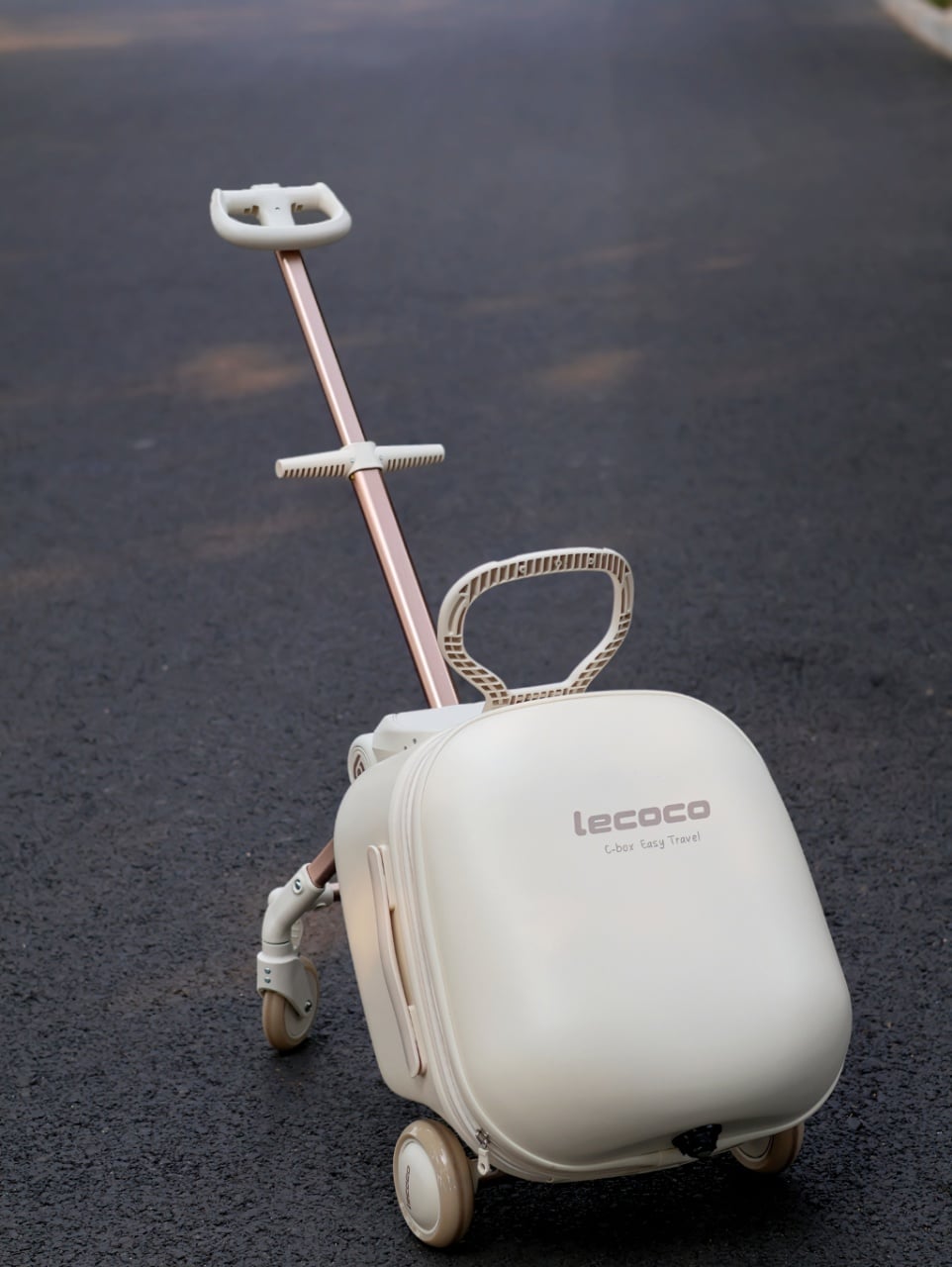
A ride-on suitcase represents a unique category of travel gear that blends functional luggage with mobility and entertainment for children. Understanding weight capacity in a ride-on suitcase structure is essential for parents and caregivers who want to ensure both safety and longevity of this investment. Weight capacity directly impacts how well the ride-on suitcase performs during travel, how safely children can use it, and how long the product will withstand repeated use across multiple trips and years of ownership.
The structural integrity of a ride-on suitcase depends fundamentally on how weight capacity was engineered into its frame, wheels, and connection points. Choosing a ride-on suitcase with appropriate weight capacity for your child's size and the luggage load ensures smooth rolling, stable seating, and reduced risk of structural failure during transit. This guide explains why weight capacity is critical and how it influences every aspect of ride-on suitcase performance and safety.
Structural Design and Weight Distribution in Ride-On Suitcase Products
Frame Engineering and Load-Bearing Capacity
The frame of a quality ride-on suitcase must support both the child's weight and any additional luggage or cargo placed inside or on top of the unit. Manufacturers of a ride-on suitcase design frames using specific material combinations and reinforcement patterns to achieve target weight capacity limits. The ride-on suitcase frame typically uses polycarbonate shells combined with internal aluminum or steel support structures that distribute loads across multiple points. When a ride-on suitcase exceeds its rated weight capacity, the frame experiences stress that accumulates over time, leading to cracks, warping, or catastrophic failure during use.
Wheel System and Bearing Integration
Wheels on a ride-on suitcase face intense pressure during every journey, especially when a child sits and rides on the unit. A properly designed ride-on suitcase features wheels engineered to roll smoothly at or below weight capacity specifications. Each wheel on a ride-on suitcase must support a portion of the combined weight, and exceeding this threshold causes rapid wear, flat spots, or wheel failure. The bearings inside each wheel of a ride-on suitcase depend on precise tolerances; overloading a ride-on suitcase degrades bearing quality quickly and makes steering difficult or impossible.
Safety Implications of Proper Weight Capacity Selection
Child Stability and Injury Prevention
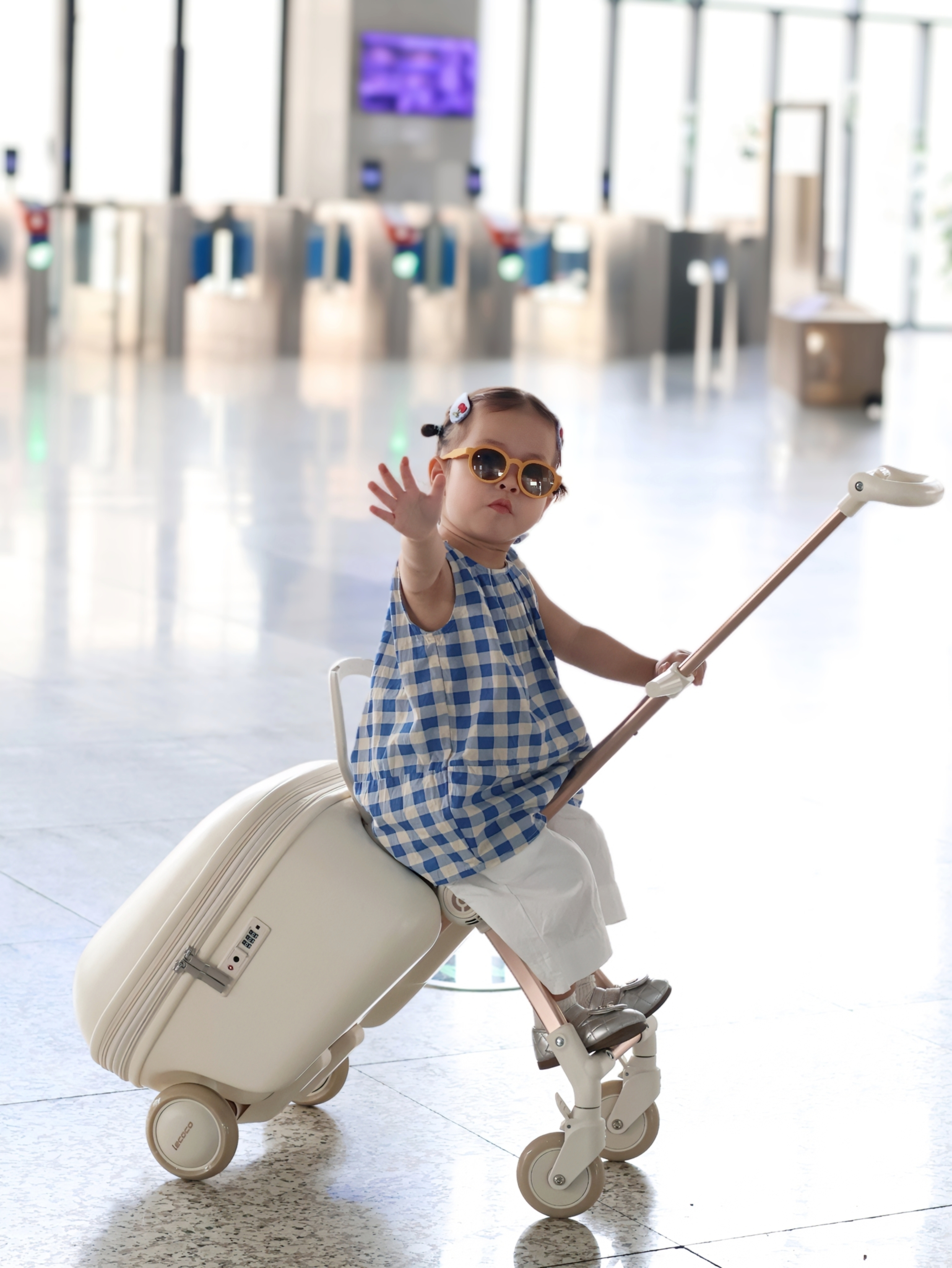
When a child sits on or rides a ride-on suitcase that is loaded beyond its weight capacity, the center of gravity shifts unpredictably. An overloaded ride-on suitcase becomes unstable during pushing, turning, or rolling down slopes, increasing the risk of tipping or loss of control. A ride-on suitcase operating within its design weight capacity maintains predictable handling and stability characteristics that keep children safer during airport travel. Parents should verify their child's weight against the ride-on suitcase manufacturer's specifications to ensure the product is appropriate for their needs.
Handle and Connection Point Durability
The telescoping handle and all connection points on a ride-on suitcase are rated for specific stress loads. A ride-on suitcase handle that must support excessive weight experiences metal fatigue, which leads to handle collapse or detachment. These failures can cause a child to fall or lose grip during travel, creating hazardous situations. The ride-on suitcase design incorporates connection hardware specifically calibrated to the weight capacity rating; exceeding this limit weakens welds and fasteners permanently.
Durability, Longevity, and Total Cost of Ownership
Material Degradation and Structural Fatigue
Every material used in a ride-on suitcase has a fatigue threshold related to weight capacity. Polycarbonate shells, metal frames, and plastic components all experience cumulative damage when repeatedly stressed beyond design limits. A ride-on suitcase used within its weight capacity maintains material integrity across hundreds of trips, while an overloaded ride-on suitcase shows visible cracks, brittleness, and discoloration within months. Manufacturers establish weight capacity based on laboratory testing that simulates real-world use; respecting this limit directly correlates with how many years your ride-on suitcase remains functional.
Maintenance and Repair Costs
Operating a ride-on suitcase beyond its weight capacity accelerates the need for repairs and replacement parts. Wheels wear out faster, handles break, zippers fail under stress, and frame damage becomes visible sooner when a ride-on suitcase is overloaded. Following the weight capacity guidelines for your ride-on suitcase dramatically reduces maintenance expenses over the product lifetime. A ride-on suitcase maintained within specifications often serves multiple children or travels for five or more years, while an overloaded unit may fail within one or two seasons.
Practical Weight Capacity Assessment and Selection
Matching Capacity to Actual Travel Needs
Selecting the right ride-on suitcase requires calculating the total weight that will actually be placed on the unit during travel. This includes the child's body weight, any clothing or personal items stored inside the ride-on suitcase, and any cargo attached to the exterior. A typical ride-on suitcase designed for children ages three to eight accommodates weight capacities ranging from sixty to eighty-five pounds. Parents should choose a ride-on suitcase with weight capacity that exceeds the expected combined load by ten to fifteen percent, providing a safety margin and accounting for growth or additional items.
Checking Manufacturer Specifications
Every reputable ride-on suitcase displays its weight capacity clearly on product labels and in official documentation. This specification is not negotiable or subject to personal interpretation; the ride-on suitcase manufacturer has determined this limit through rigorous testing and engineering analysis. Before purchasing a ride-on suitcase, verify that the weight capacity matches your child's current and anticipated future size. A ride-on suitcase that works perfectly today but fails in six months due to a growing child represents a poor investment.
FAQ
What happens if my child exceeds the weight capacity of their ride-on suitcase?
Exceeding the weight capacity of a ride-on suitcase causes accelerated wear to all structural components, including the frame, wheels, bearings, and handle. The ride-on suitcase may become unstable during use, increasing the risk of tipping or loss of control. Over time, an overloaded ride-on suitcase develops cracks, bent components, and mechanical failures that render it unsafe or unusable.
Can weight capacity ratings for a ride-on suitcase be safely exceeded for short trips?
No, weight capacity limits should never be exceeded, even briefly. Each overloading event causes permanent microscopic damage to frame materials and mechanical parts. A ride-on suitcase experiences cumulative fatigue damage that eventually leads to failure. Respecting weight capacity guidelines protects both your child's safety and the longevity of your product investment.
How do I know what weight capacity to look for when buying a ride-on suitcase?
Start by weighing your child and estimating the weight of items you plan to store in the ride-on suitcase. Add these numbers together and choose a ride-on suitcase with weight capacity ten to fifteen percent higher than this total. This safety margin accounts for growth, unexpected cargo, and ensures your ride-on suitcase operates comfortably within its design specifications throughout its usable lifespan.