
 EN
EN



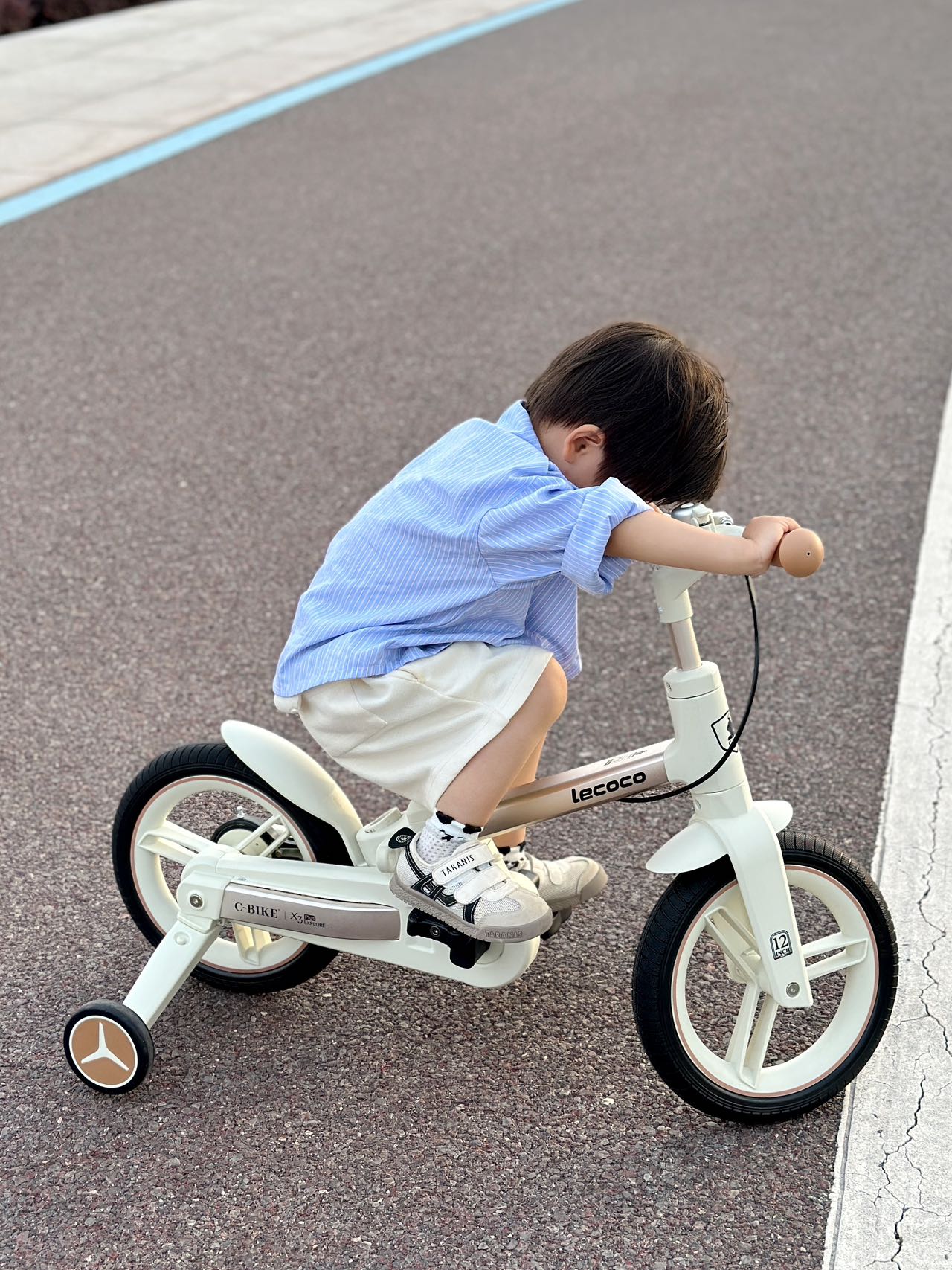
Parents today face a fundamental challenge when selecting bicycles for their children: balancing immediate needs with long-term value. A single-stage kids bike serves one purpose for one period in a child's development, then becomes obsolete. In contrast, the multi-functional bicycle represents a smarter investment that adapts to multiple growth stages, riding styles, and skill levels. This approach has fundamentally changed how families think about cycling equipment, shifting focus from disposable gear to transformative tools that grow alongside children.
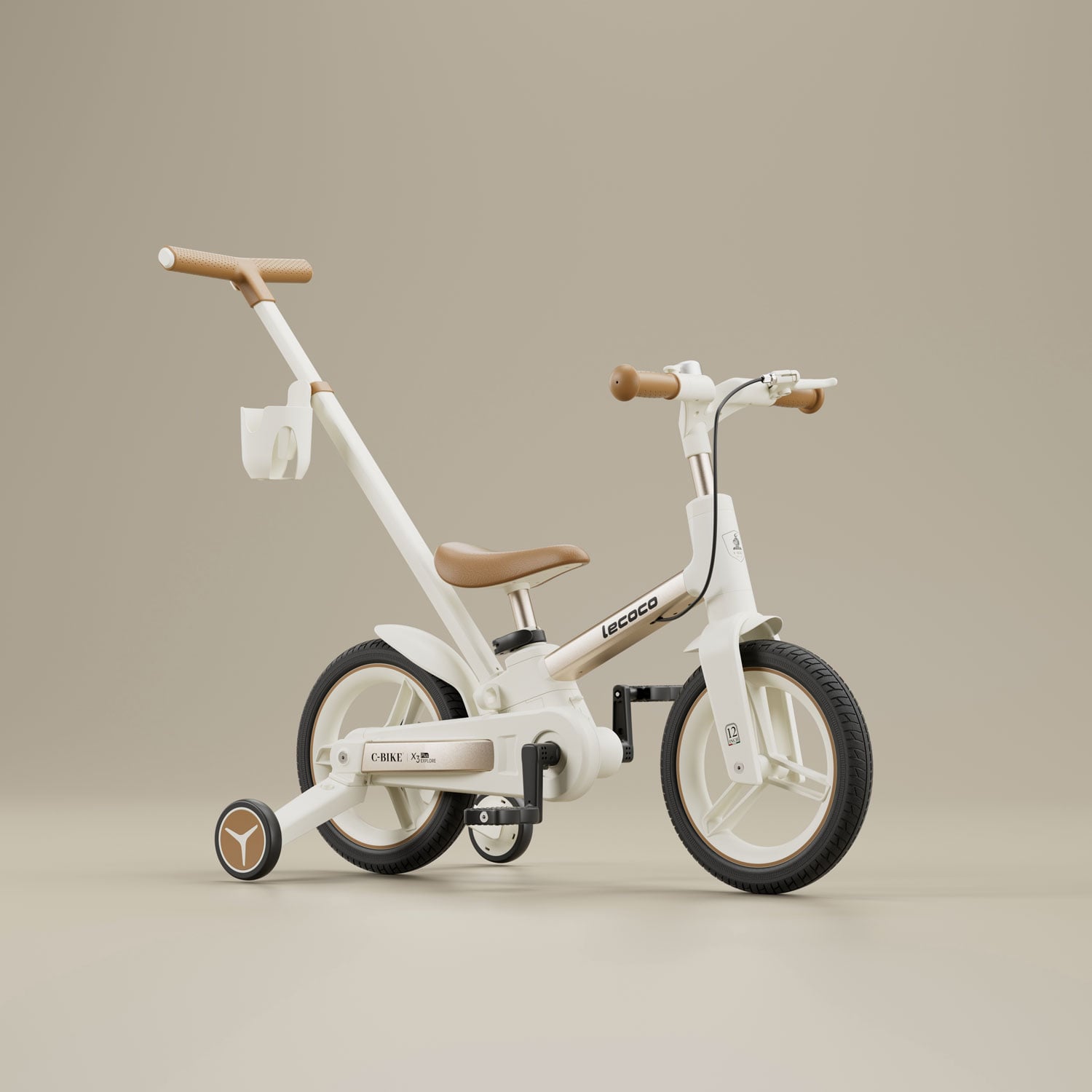
The rise of multi-functional bicycle designs reflects a deeper understanding of child development and family economics. Parents recognize that a quality multi-functional bicycle can serve their child across multiple years and developmental stages, eliminating the need to purchase entirely new bikes as children grow. This efficiency has made multi-functional bicycle models increasingly popular in households that prioritize both sustainability and practical spending.
The Economics of Multi-Functional Bicycles for Growing Children
Cost Efficiency Across Multiple Growth Stages
When parents invest in a single-stage kids bike, they typically need to replace it within 18 to 24 months as their child grows taller and develops better coordination. A multi-functional bicycle, by contrast, incorporates adjustable components that extend its usable lifespan significantly. The seat height, handlebar position, and frame geometry of a modern multi-functional bicycle can accommodate children across wider age ranges, sometimes spanning five to seven years of active use.
The financial advantage becomes clear when parents calculate total ownership costs. Purchasing three separate single-stage bikes costs substantially more than investing in one well-designed multi-functional bicycle. Furthermore, a quality multi-functional bicycle maintains resale value, allowing parents to recoup a portion of their investment when passing it to younger siblings or selling it secondhand. This economic resilience makes the multi-functional bicycle particularly attractive to budget-conscious families.
Sustainability and Environmental Impact
Environmental responsibility increasingly influences parental purchasing decisions. Each single-stage kids bike that becomes too small represents waste destined for landfills or recycling centers. A durable multi-functional bicycle reduces this cycle significantly by serving multiple children or longer development periods within one family. Parents selecting a multi-functional bicycle align their purchasing behavior with sustainability values, reducing overall household consumption while teaching children about responsible resource use.
Functional Versatility and Developmental Alignment
Adaptability to Diverse Riding Scenarios
A multi-functional bicycle must accommodate not just growth, but changing riding purposes. Young children learning balance require different geometry than older children attempting longer recreational rides. The best multi-functional bicycle designs incorporate adjustable components that modify how the bike responds to different riding conditions and skill levels. Some advanced multi-functional bicycle models feature convertible frame designs or modular components that transform the bike's character as the child matures.
This versatility extends beyond simple height adjustment. Parents appreciate that a quality multi-functional bicycle can transition from a stabilizer-assisted learning platform to a fully independent ride-on bike, then later to a performance-oriented model for older children exploring neighborhood cycling. Rather than buying entirely new equipment at each stage, the multi-functional bicycle evolves with the rider's capabilities, maintaining engagement and reducing the psychological burden of constant equipment changes.
Skill Development Support Across Stages
Child development experts emphasize that bikes matching a child's current abilities rather than future or past abilities accelerate learning. A properly configured multi-functional bicycle addresses this principle by allowing fine adjustments that keep the bike relevant to the child's exact developmental stage. When seat height, pedal reach, and handlebar position align precisely with a child's proportions, confidence and skill acquisition improve dramatically.
Parents choosing a multi-functional bicycle gain the ability to optimize these parameters continuously rather than accepting whatever geometry came built into a single-stage model. This precision support means children spend more time developing actual cycling skills and less time struggling with equipment misalignment. The psychological benefit of riding a bike that feels 'just right' extends beyond mechanics into confidence building and long-term enjoyment of cycling.
Safety, Quality, and Long-Term Reliability
Superior Component Standards in Multi-Functional Design
Manufacturers investing in multi-functional bicycle technology typically employ higher-quality components and engineering standards than those building disposable single-stage models. A multi-functional bicycle must withstand years of varying use patterns, different rider weights, and changing stress distributions as children grow. This durability requirement pushes manufacturers to select better materials, more robust welds, and reliable braking systems that exceed basic specifications.
The brake systems on quality multi-functional bicycle models often incorporate progressive adjustment capabilities, allowing parents to modify braking power as the child's hand strength and coordination improve. Similarly, drivetrain components on a multi-functional bicycle typically feature smoother transitions and more forgiving tolerances than budget single-stage alternatives. These enhancements directly support safer riding experiences while accommodating different riding intensities across the product's lifespan.
Maintenance and Long-Term Investment Value
A well-maintained multi-functional bicycle becomes a reliable asset that serves multiple purposes within a family or community. Parents recognize that investing in a quality multi-functional bicycle justifies regular maintenance investments, from seasonal tune-ups to brake adjustments. This maintenance mindset contrasts sharply with single-stage models that receive minimal care before disposal, resulting in better preservation of the multi-functional bicycle's performance and safety characteristics.
The long-term reliability of a multi-functional bicycle extends its value proposition beyond its primary user. Younger siblings inherit a bike that has been maintained and proven reliable, rather than acquiring new equipment with unknown performance characteristics. Parents also appreciate that spare parts for popular multi-functional bicycle models remain available for years, supporting ongoing maintenance without requiring full replacement.
FAQ
How long can a child typically use a single multi-functional bicycle before outgrowing it?
A high-quality multi-functional bicycle can typically serve a single child for five to seven years, spanning from early childhood through pre-teen years. The adjustable components accommodate significant growth ranges, though the eventual outgrowing timeline depends on the child's growth rate and the specific multi-functional bicycle model's adjustment limits. Many parents find that a well-chosen multi-functional bicycle outlasts multiple single-stage bikes their children might have used otherwise.
What specific adjustable features should parents look for in a multi-functional bicycle?
Essential adjustable features in a quality multi-functional bicycle include seat height adjustment, handlebar height and reach adjustment, and ideally pedal-to-seat distance optimization. Advanced multi-functional bicycle models may include frame geometry adjustments or convertible components that transform the bike's character as the child matures. Parents should prioritize multi-functional bicycle models with tool-free adjustment mechanisms, allowing quick optimization without requiring special equipment.
Can a single multi-functional bicycle truly replace multiple single-stage bikes across an entire childhood?
Yes, a thoughtfully selected multi-functional bicycle can replace multiple single-stage bikes for most children, though specific results depend on the child's growth trajectory and the multi-functional bicycle model's adjustment range. Many families successfully use one multi-functional bicycle across 5 to 7 years of development, then transition to adult-specific models. The multi-functional bicycle approach works particularly well for parents with multiple children who can pass the bike through siblings as each outgrows it sequentially.