
 EN



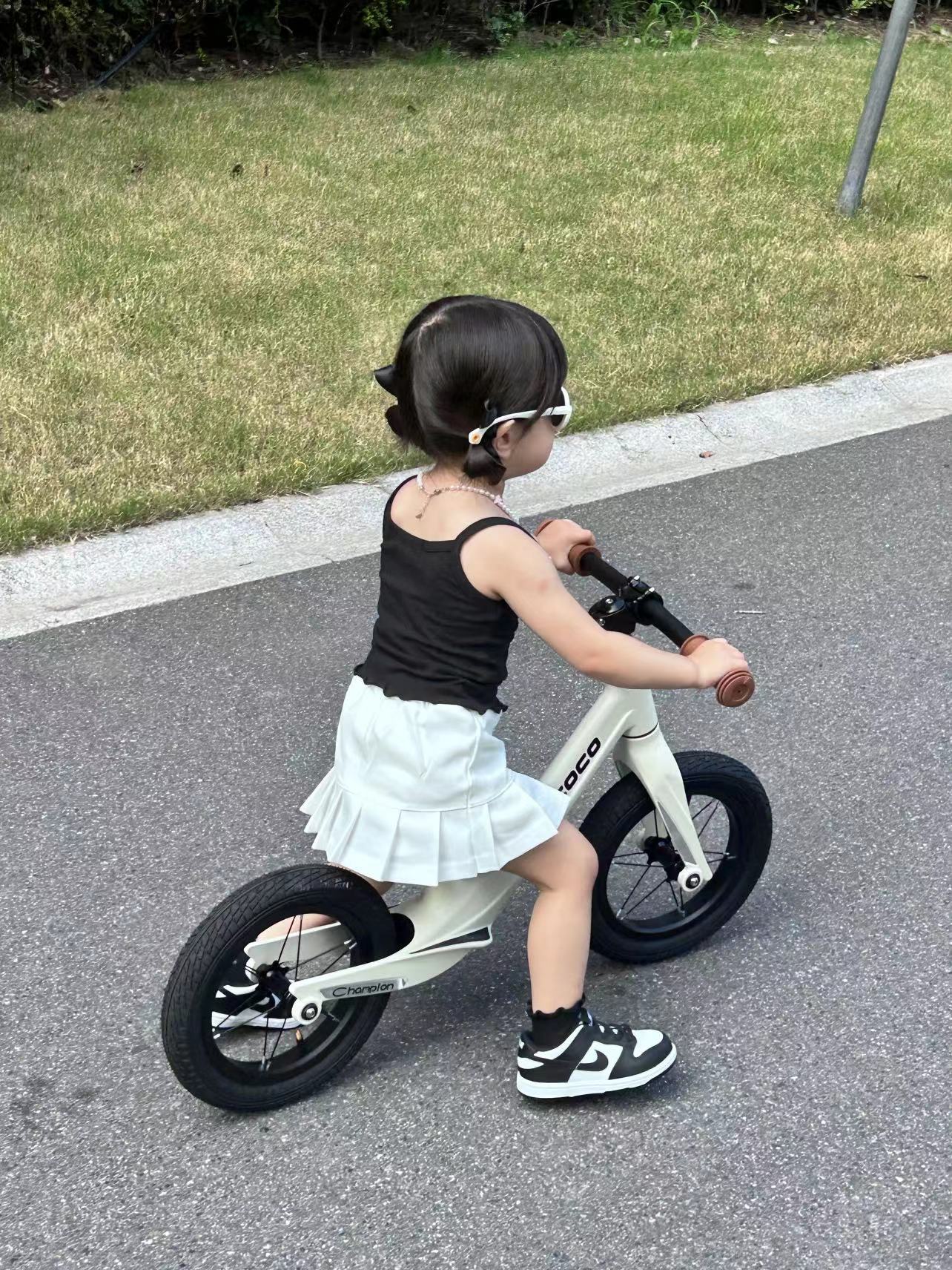
Child development experts consistently emphasize the importance of physical activity during early childhood, and a toddler bike stands out as one of the most effective tools for building foundational motor skills. When parents invest in a toddler bike, they provide their children with hands-on learning opportunities that foster confidence, balance, and coordination from the ground up. The toddler bike experience creates a natural pathway for children to understand body mechanics, spatial awareness, and the fundamental principles of movement that will benefit them throughout their lives.
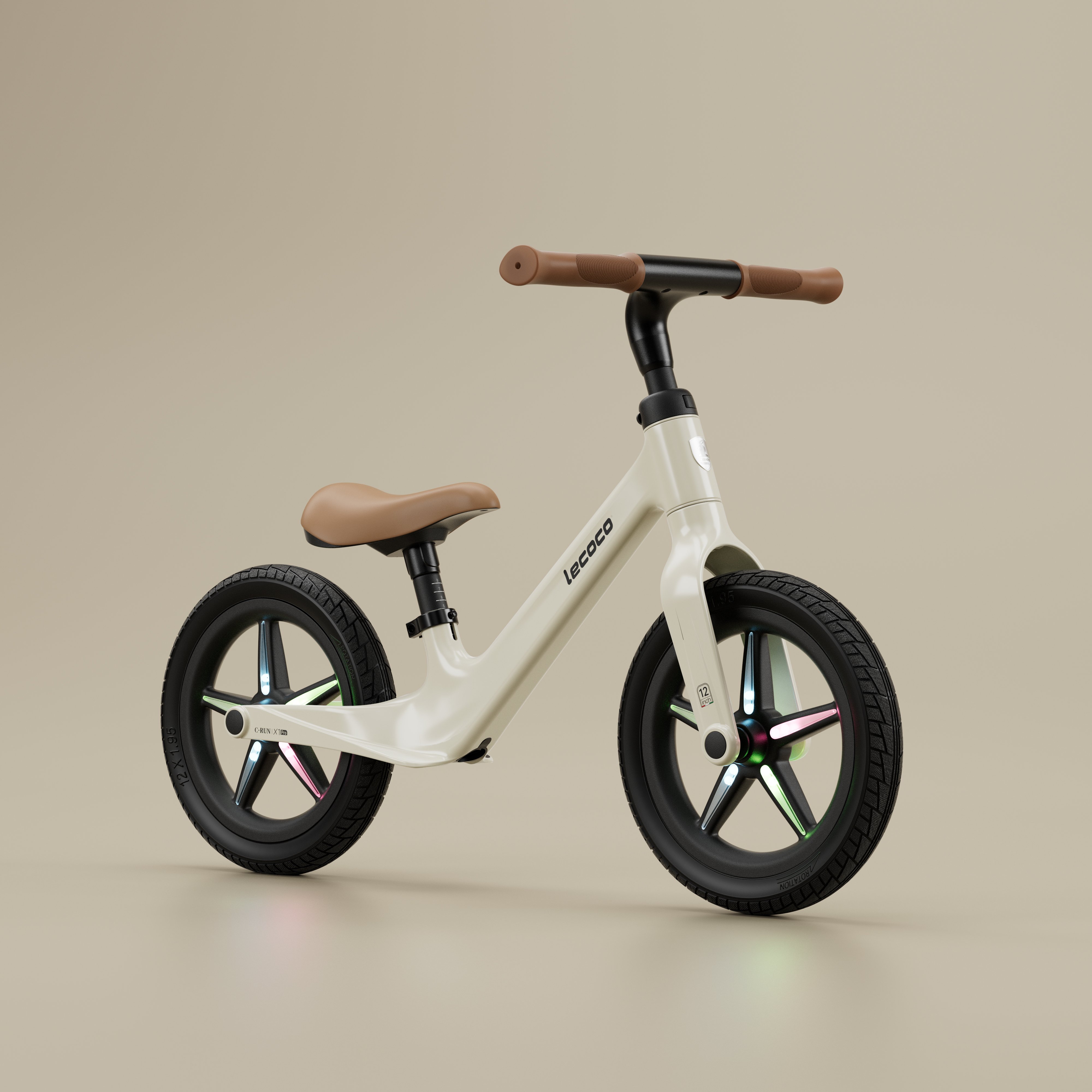
The science behind a toddler bike is straightforward but powerful. Unlike traditional tricycles or training wheels, a toddler bike encourages children to engage their core muscles, develop leg strength, and practice weight distribution in ways that directly translate to walking, running, and eventually pedal-based cycling. Developmental pediatricians recognize that a toddler bike removes training wheels from the equation, forcing young riders to develop genuine balance skills rather than relying on artificial stability supports. This authentic challenge is precisely what transforms a toddler bike from a simple toy into a therapeutic tool for gross motor development.
How a Toddler Bike Develops Balance and Coordination
Building Core Strength Through Active Play
When children ride a toddler bike, their bodies engage multiple muscle groups simultaneously. A toddler bike requires riders to maintain an upright posture while propelling themselves forward using their feet or pedaling, depending on the design. This engagement strengthens the abdominal muscles, back muscles, and leg muscles in ways that static exercises cannot replicate. The dynamic nature of a toddler bike means children are constantly adjusting their weight, shifting their balance, and making micro-corrections to stay upright. These continuous micro-movements build the proprioceptive awareness that experts identify as critical for healthy motor development in toddlers.
Establishing Vestibular System Training
The vestibular system, located in the inner ear, controls balance and spatial orientation. A toddler bike provides natural vestibular stimulation as children lean, turn, and navigate their environment. When a child rides a toddler bike, they encounter gentle challenges that help their vestibular system calibrate and respond appropriately. This system controls how children perceive their body in space and is foundational for all future athletic development. Child development researchers emphasize that a toddler bike offers consistent vestibular input in a safe, controlled environment where falls are low-impact and learning occurs naturally.
Gross Motor Skill Development Through Toddler Bike Riding
Progressive Strength Gains and Confidence Building
A toddler bike serves as a confidence-building tool by giving children tangible evidence of their growing capabilities. As toddlers master a toddler bike, they develop psychological resilience alongside physical strength. Early successes on a toddler bike translate into increased willingness to attempt other challenging activities. Developmental experts note that this confidence foundation often extends beyond physical development into social and emotional growth. The transition from wobbly first rides to smooth, controlled motion represents a major developmental milestone that children can feel and celebrate. Each time a child rides a toddler bike successfully, their brain releases positive neurochemicals that reinforce the learning process.
Transition Skills for Later Physical Development
A toddler bike creates the perfect stepping stone toward pedal bikes and more complex motor skills. Children who have mastered a toddler bike already understand the fundamental concepts of balance, steering, and momentum control. This prior experience dramatically reduces the learning curve when children eventually transition to pedal bikes. Child development professionals recognize that a toddler bike eliminates the artificial crutch of training wheels, meaning children develop true balance skills that transfer directly to advanced cycling. The skills acquired on a toddler bike also enhance performance in other activities like running, jumping, and climbing, as the improved balance and coordination benefit all physical movement patterns.
Expert Recommendations for Choosing an Effective Toddler Bike
Proper Sizing and Ergonomic Considerations
Experts emphasize that a toddler bike must fit the child's body properly to deliver maximum developmental benefits. A properly-sized toddler bike allows children to place their feet flat on the ground when seated, providing confidence and safety. The seat height of a toddler bike should enable children to push themselves forward using their toes while seated, or transition to walking with the bike between their legs. When a toddler bike is too large or too small, children struggle to engage their muscles effectively and may develop compensatory movement patterns. Pediatric physical therapists stress that a toddler bike should feel like an extension of the child's body, not a foreign object they must work against. The frame geometry of a toddler bike should support natural riding posture and allow for progressive adjustments as children grow.
Material Quality and Safety Features
Quality construction of a toddler bike directly impacts the safety and longevity of the developmental tool. A toddler bike made from durable, lightweight materials like magnesium alloy offers multiple advantages over heavier alternatives. Lightweight construction in a toddler bike means children expend less energy and can ride longer, accumulating more practice hours and skill development. Safety experts recommend that a toddler bike feature rounded edges, puncture-resistant tires, and stable wheel geometry to prevent tipping. The handlebars of a toddler bike should be padded and positioned to allow natural arm positioning. A toddler bike should also include safety features that prevent sudden jolts or unexpected movements that could startle young riders.
FAQ
At what age should a child start using a toddler bike?
Most child development experts recommend introducing a toddler bike between 18 months and 3 years of age, depending on the individual child's balance and coordination readiness. A toddler bike sized for younger children typically has a seat height that allows feet to touch the ground easily. Children who can walk confidently and maintain balance while standing are generally ready for a toddler bike, though each child develops at their own pace.
How long should a child use a toddler bike before transitioning to a pedal bike?
The duration a child spends on a toddler bike varies based on individual development, but most children benefit from 1-2 years of toddler bike experience. A toddler bike provides the foundational balance skills that make pedal bikes feel natural and manageable. Children who have thoroughly mastered a toddler bike typically transition to pedal bikes around ages 3-4 with minimal struggle.
Can a toddler bike replace other forms of physical activity?
While a toddler bike offers significant developmental benefits, it should complement rather than replace other forms of play and physical activity. A toddler bike develops specific balance and leg strength skills, but children also need climbing, jumping, throwing, and free play opportunities. Experts recommend a toddler bike as part of a comprehensive physical activity routine that includes varied movement experiences for complete motor skill development.