
 EN



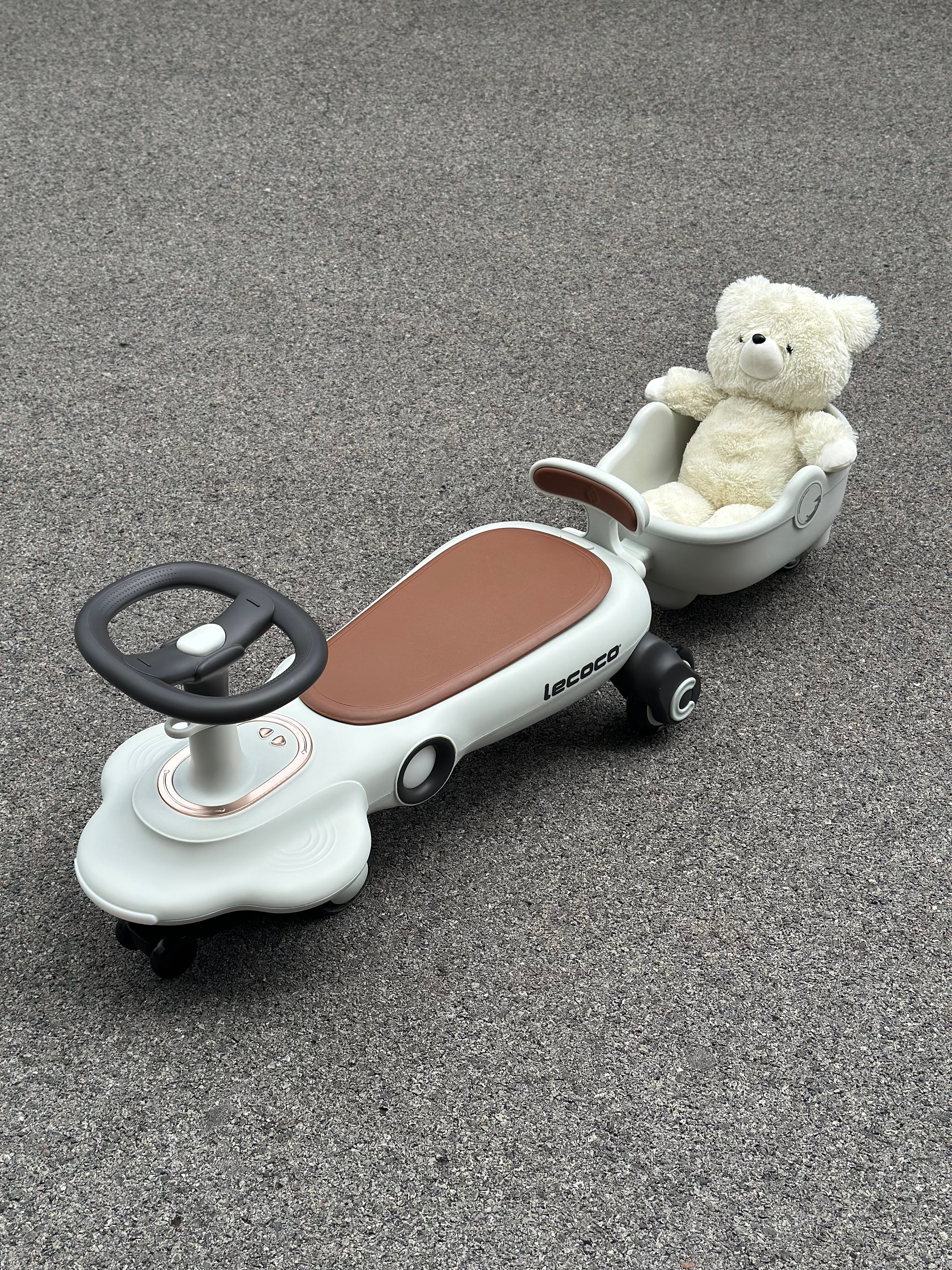
The global market for twist cars has experienced remarkable growth over the past decade, with manufacturers and retailers increasingly recognizing that demand spans far beyond a single age demographic. Understanding which age segments show the highest demand for twist cars is essential for parents, retailers, and toy industry professionals seeking to make informed purchasing and business decisions. This comprehensive analysis examines consumer behavior patterns, regional preferences, and the specific reasons why certain age groups gravitate toward twist cars as their preferred form of active play and transportation.
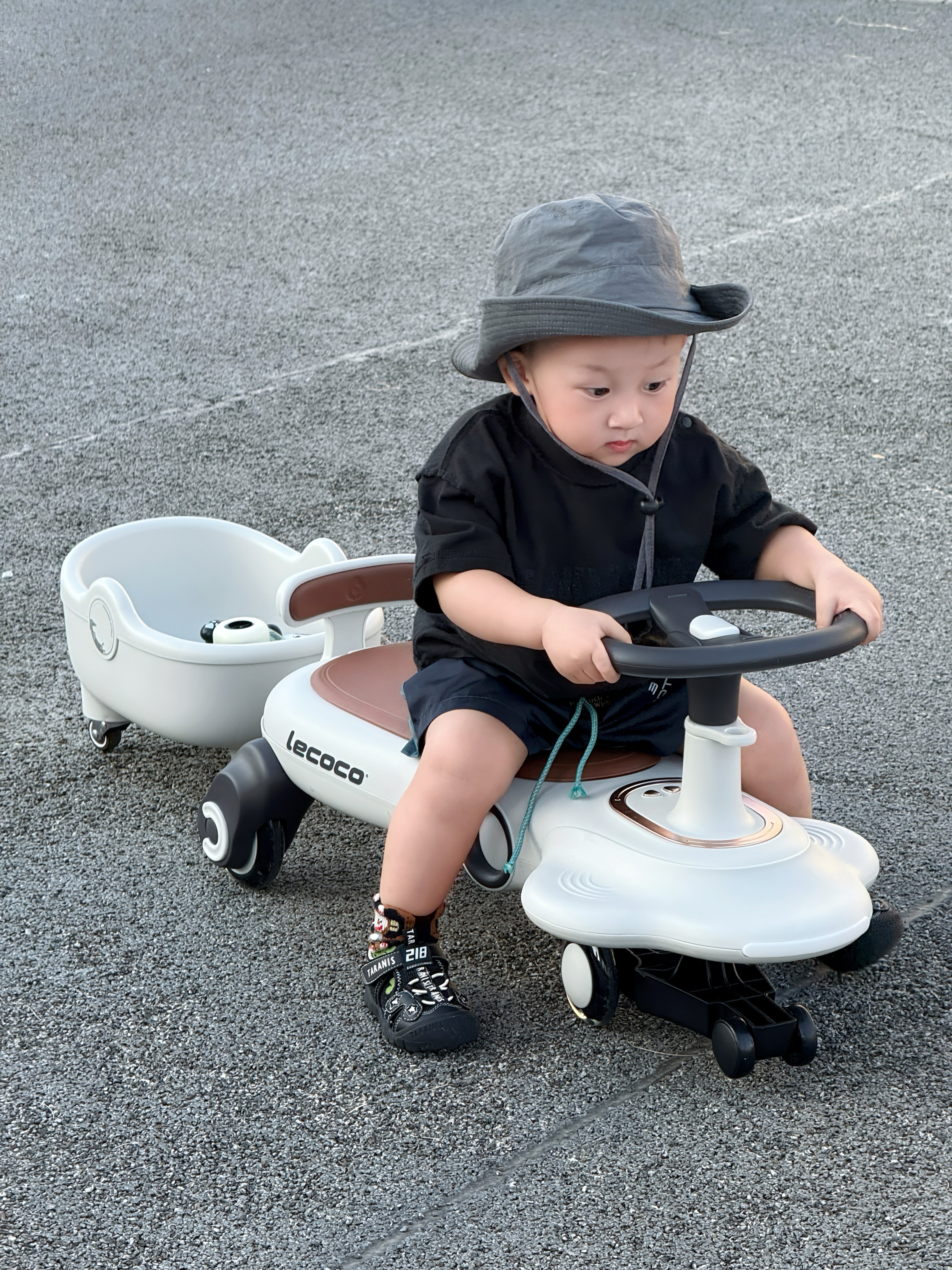
A twist car represents a unique category of ride-on toys that combines physical activity with entertainment value, making it particularly appealing to multiple generations. Unlike traditional tricycles or scooters, the twist car offers an innovative steering mechanism that engages children through intuitive body movements. The global demand for twist cars reflects broader consumer trends favoring active play, outdoor engagement, and toys that promote physical development alongside fun and excitement.
Preschool and Early Childhood Age Segments
Ages Two to Four: Introduction to Active Play
Children aged two to four represent one of the most significant demographic segments driving twist car demand globally. At this developmental stage, toddlers are developing fundamental motor skills, balance, and coordination, making the twist car an ideal vehicle for supporting natural physical development. Parents in developed markets, particularly in North America and Western Europe, increasingly purchase twist cars for this age group because the simple steering mechanism and low-speed operation provide a safe introduction to independent mobility. The twist car's intuitive design requires no pedaling or complex instructions, allowing even the youngest riders to gain confidence quickly. Market research indicates that this age segment accounts for approximately thirty to forty percent of twist car sales in urban areas where space for outdoor play is premium and parents seek activities that encourage active exploration.
Ages Four to Six: Peak Engagement Period
The four to six age group demonstrates the highest concentration of twist car demand across nearly all global markets examined in recent consumer surveys. During this critical developmental window, children possess sufficient motor control and balance to fully enjoy the twist car experience while still requiring activities that keep them engaged outdoors. The twist car appeals powerfully to this segment because it offers independence without the safety risks associated with bikes or scooters, provides hours of entertainment, and naturally encourages cardiovascular activity. Parents consistently report that their children in this age range will spend extended periods riding a twist car, making it an exceptional value for family investment. Geographic data shows particularly strong demand from this age segment in Asia-Pacific markets, where compact living spaces make twist cars preferable to larger ride-on toys, and in suburban regions where safe recreational play areas are abundant.
Middle Childhood and Family Market Expansion
Ages Six to Nine: Extended Appeal and Social Play
As children progress into middle childhood, the twist car remains a popular choice, though demand patterns shift somewhat compared to younger age groups. Children aged six to nine continue to enjoy twist cars because the toy accommodates growing bodies, the novelty sustains interest through social play with peers, and the physical challenge continues to provide exercise value. Market analysis reveals that twist car demand in this age segment remains strong in suburban and rural markets where outdoor space permits group play and neighborhood dynamics encourage peer-based toy ownership. However, urban markets see some decline in this age segment as children transition toward bicycles, scooters, and digital entertainment. The twist car industry has responded by developing models with extended weight capacities and advanced features to maintain appeal across this broader age range, contributing to consistent sales performance globally.
Parent-Child Interactive Models
An emerging and significant demand driver comes from parent-child interactive twist car models designed to accommodate both children and adults. These specialized twist cars have expanded the addressable market considerably by attracting parents who seek active bonding experiences with their children. Families with children aged three to six years increasingly purchase interactive twist cars because they enable simultaneous enjoyment of outdoor activity, create opportunities for supervised play, and provide exercise for adults alongside their children. This category has shown particularly robust growth in premium markets where parents prioritize both child development and personal fitness. Interactive twist car models represent a lucrative market segment that attracts dual-user households and multi-generational families, substantially increasing overall twist car demand beyond traditional single-rider demographics.
Regional Demand Variations and Market Dynamics
Asian Markets and Urban Density Factors
The Asia-Pacific region demonstrates the highest absolute demand for twist cars globally, with particular strength in markets including China, Japan, South Korea, and India. The preference for twist cars in Asian markets stems from multiple interconnected factors specific to this region's urban characteristics and family structures. Dense urban environments with limited space make twist cars preferable to larger ride-on toys, and the compact design fits easily into apartments and small yards. Consumer research indicates that Asian parents prioritize developmental toys and active play solutions, driving twist car adoption across age segments from two years through eight years. Middle-class expansion and rising disposable incomes in developing Asian markets have made twist cars increasingly affordable for broader populations, and manufacturers have responded with region-specific models tailored to local preferences. The twist car demand in Asia consistently outperforms other global regions, with children aged four to six representing the largest purchasing segment in this geography.
Western Markets and Premium Positioning
North American and Western European markets show distinct twist car demand patterns reflecting different consumer priorities and market maturity. In these developed markets, twist cars occupy a premium toy category positioned as educational, active-play solutions rather than casual entertainment purchases. Parents in Western markets often justify twist car purchases through developmental benefits, outdoor time promotion, and health-consciousness messaging. The demand from ages three to seven remains strong, but Western markets show more significant demand from older children aged eight to ten compared to Asian markets. Premium interactive twist car models command higher price points in Western markets, where dual-use parent-child designs appeal to affluent families prioritizing family activities and parental fitness. Western market demand remains steady but grows more slowly than Asian markets, reflecting market saturation and competition from alternative outdoor toys.
Purchasing Motivations and Lifestyle Factors
Health and Development-Driven Purchasing
Global demand for twist cars correlates strongly with increasing parental concern about childhood screen time and sedentary behavior. Parents across all developed markets cite physical development, outdoor engagement, and active play promotion as primary motivations for purchasing twist cars for children aged two through eight. The twist car fulfills these parental objectives by providing an engaging outdoor activity that doesn't require adult supervision once basic safety is established and naturally encourages sustained physical exertion. Pediatrician recommendations and child development education have reinforced twist car popularity among health-conscious parent demographics. This development-focused purchasing motivation has driven consistent demand growth even as other toy categories experience declining interest among parents, contributing to the twist car's expansion across multiple age segments and geographic markets.
Gift-Giving and Seasonal Demand Patterns
Seasonal gift-giving occasions drive substantial twist car demand across all age segments, with peaks corresponding to major holidays and birthday seasons. Parents frequently select twist cars as milestone gifts for children turning three, four, or five years old, recognizing the toy's age-appropriateness and developmental value at these transition points. Holiday purchasing, particularly during winter festive seasons in Northern Hemisphere markets and summer vacation periods in Southern Hemisphere regions, accounts for thirty to forty percent of annual twist car sales. This seasonal pattern holds consistent across all age demographics, though the specific age targets vary by family circumstances and parental preferences. Gift-oriented purchasing motivations have led manufacturers to invest heavily in premium packaging, educational marketing materials, and seasonal promotional campaigns specifically targeting the ages-three-to-seven demographic.
FAQ
What age is most appropriate for starting twist car use?
Children typically begin using twist cars safely between ages two and three years old, though individual development varies considerably. The twist car's intuitive steering mechanism and low-speed design make it accessible to toddlers with basic coordination, and most manufacturers recommend starting use between ages two and four depending on the child's physical development and balance capabilities. Parents should supervise younger children closely and ensure adequate outdoor space for safe operation before introducing a twist car to their child.
How does demand for twist cars differ between developed and developing markets?
Developed markets show higher per-capita twist car ownership and premium model adoption, while developing markets demonstrate rapid growth as incomes rise and urban families seek age-appropriate play solutions. Asian developing markets display particularly strong twist car demand across all age segments, driven by dense urban environments, growing middle classes, and cultural emphasis on active child development. Developed Western markets maintain steady demand from affluent families but see slower overall growth due to market maturity and competition from alternative recreational options.
Do parents purchase twist cars for multiple children in the same family?
Market research indicates that approximately thirty-five percent of twist car purchasers acquire multiple units for households with several children or for households where siblings span the ages-two-to-eight range. This multi-unit purchasing pattern significantly boosts overall twist car demand and reflects both the toy's durability across extended use periods and its strong appeal across consecutive age groups. Families with age-staggered children often purchase twist cars sequentially as each child reaches the developmentally appropriate age.