
 EN
EN



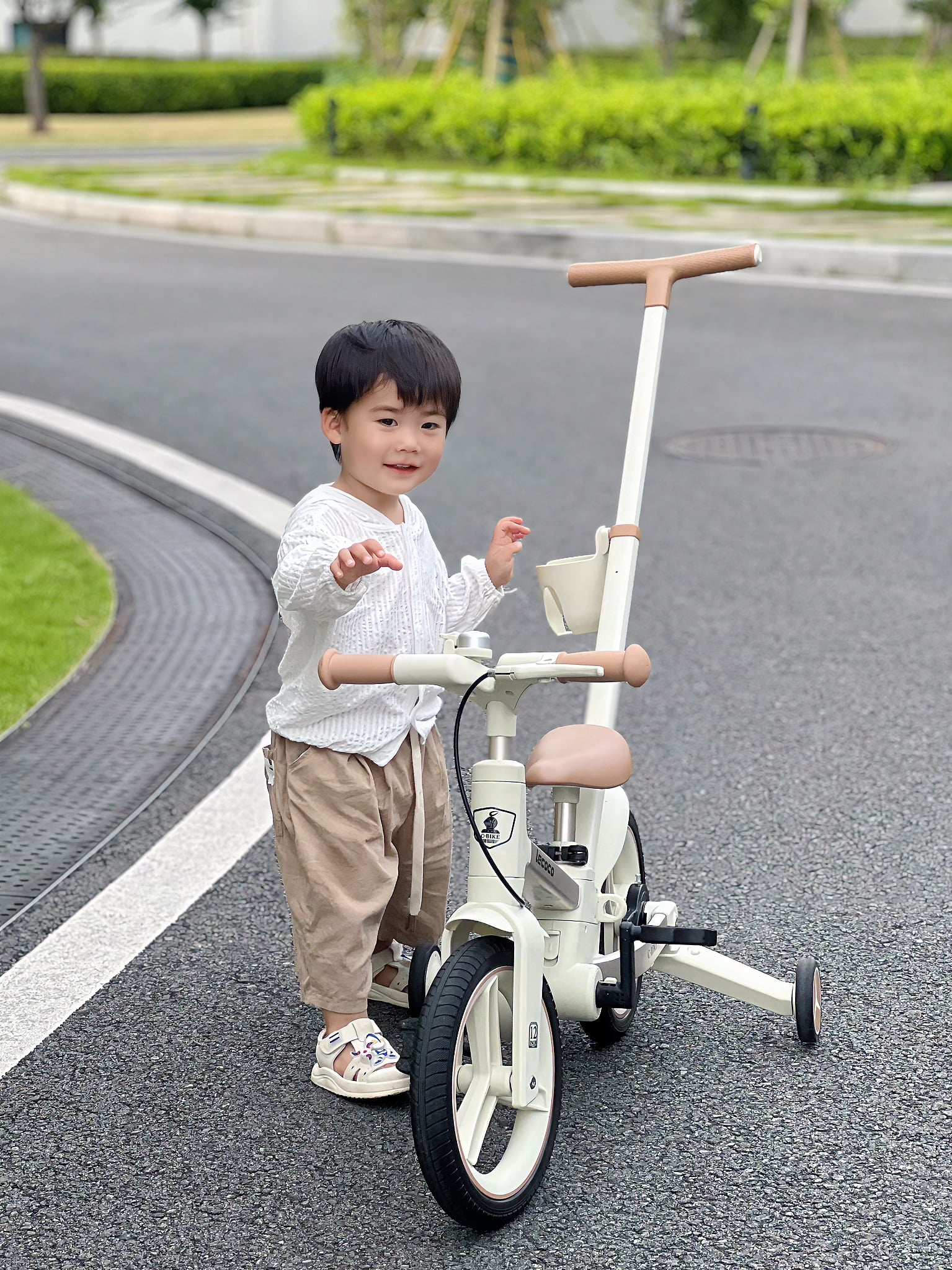
Growing children present a unique challenge for parents seeking durable, adaptable equipment that evolves alongside their development. A multi-functional bicycle addresses this demand by incorporating design features that support children through multiple stages of physical and cognitive growth. Rather than purchasing new bikes every season, families can invest in a multi-functional bicycle that adjusts to changing rider heights, skill levels, and confidence thresholds. This approach reduces costs, minimizes waste, and ensures children always have equipment suited to their current abilities and body proportions.
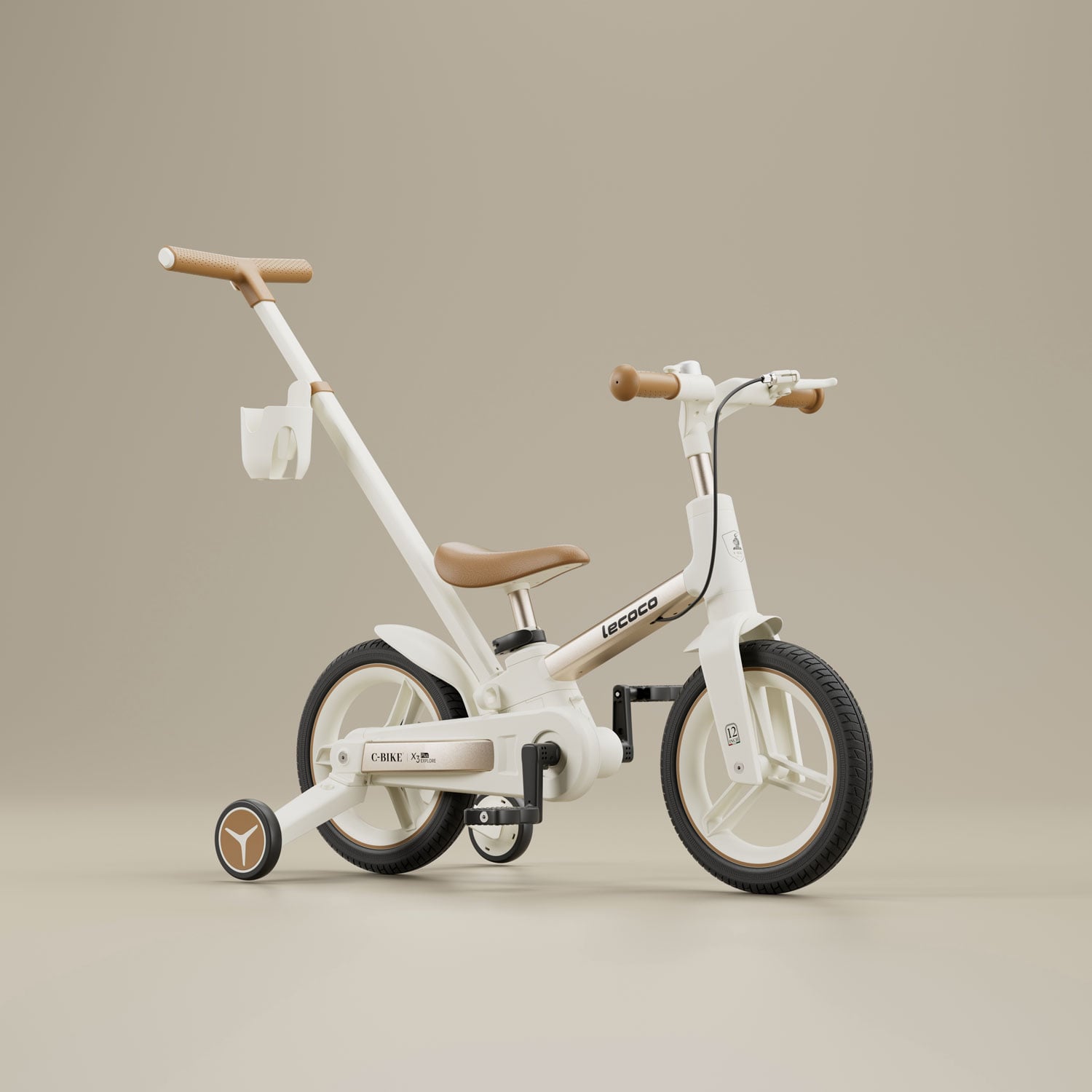
Understanding how a multi-functional bicycle meets children's developmental needs requires examining the specific mechanisms that allow seamless transitions between riding stages. From balance-assist features to adjustable seat heights and handlebar positions, each element of a quality multi-functional bicycle serves a purpose in supporting progression. This article explores the core advantages of multi-functional bicycles, examines how they support different age groups and skill levels, and explains why investing in an adaptable design benefits both children and parents over the long term.
The Growth Stages A Multi-Functional Bicycle Must Support
Understanding Developmental Stages in Children's Cycling
Children progress through distinct developmental phases that directly influence how they interact with a multi-functional bicycle. Between ages two and three, many children benefit from balance-focused designs that emphasize core stability over pedaling mechanics. A multi-functional bicycle designed for this stage typically features a lower center of gravity, wider wheelbase for stability, and optional training support systems. As children enter the four-to-six age range, they shift toward pedal coordination and steering refinement. A versatile multi-functional bicycle accommodates this transition by allowing adjustments that shift the riding dynamic toward independent pedaling while maintaining accessible seat heights and responsive handling.
Supporting Independence and Skill Advancement
By ages seven and beyond, children develop the strength and coordination to ride longer distances and navigate varied terrain. A high-quality multi-functional bicycle evolves with this capability by offering extended seat and handlebar adjustability, improved gear systems for efficiency, and structural enhancements that support higher speeds without sacrificing safety. The true value of a multi-functional bicycle emerges in this phase, as children can continue using the same frame and components for years rather than requiring entirely new equipment. This continuity reduces family expenses while allowing children to maintain familiarity with their bike's handling characteristics and control systems.
Key Adaptive Features That Define Multi-Functional Bicycles
Adjustable Geometry and Sizing Systems
The foundation of any effective multi-functional bicycle lies in its adjustable geometry and sizing architecture. Premium multi-functional bicycle models feature seat posts that extend significantly while maintaining stability, and handlebars that can be repositioned both vertically and horizontally. These adjustments ensure that a child's reach, leg extension, and overall riding posture remain ergonomic as their body grows. Some multi-functional bicycle designs incorporate tool-free adjustment mechanisms, allowing parents to modify settings quickly without requiring special equipment or technical expertise. This accessibility encourages regular fine-tuning, which keeps the bike aligned with the child's current proportions and skill level.
Modular Component Systems
Advanced multi-functional bicycle designs employ modular components that can be upgraded or replaced without replacing the entire frame. Pedal systems, brake levers, and gear shifters can be swapped to match the child's developing hand strength and coordination. A multi-functional bicycle with this approach ensures that the bike's control systems remain appropriately challenging without becoming frustratingly difficult or overly simplified. Training wheel attachments, balance-assist systems, and safety-focused braking mechanisms can be progressively removed or upgraded as the child's abilities advance. This modularity transforms a multi-functional bicycle from a static tool into an evolving platform that genuinely grows with the child.
Practical Benefits of Choosing a Multi-Functional Bicycle
Financial and Environmental Advantages
Purchasing a multi-functional bicycle represents a long-term investment that outperforms buying multiple single-purpose bikes across childhood years. A quality multi-functional bicycle can accommodate children from ages two through nine or beyond, effectively replacing three to four conventional bikes over that timespan. Beyond direct cost savings, the environmental impact of owning a multi-functional bicycle is significantly reduced. Manufacturing fewer bikes requires less raw material, less energy consumption, and less transportation impact. Families that select a durable, well-designed multi-functional bicycle contribute to reduced consumer waste while simultaneously teaching their children about sustainable choices and value-oriented thinking.
Consistency and Confidence in Skill Development
Children develop riding skills more confidently when they maintain familiarity with their equipment over extended periods. A multi-functional bicycle supports this continuity by remaining the child's primary bike throughout multiple developmental stages. Because children grow accustomed to the weight distribution, braking response, and steering characteristics of their multi-functional bicycle, they can focus their mental energy on improving technique rather than adapting to new equipment. This psychological and physical consistency accelerates skill advancement and builds genuine confidence. Parents report that children using a properly maintained multi-functional bicycle demonstrate more adventurous riding behavior and faster progression through skill levels compared to peers who transition between different bikes annually.
Safety Through Proper Sizing and Control
Safety directly correlates with equipment sizing and control characteristics, both of which a quality multi-functional bicycle maintains through adjustability. When a bike is properly sized to the child's current dimensions, the child achieves superior balance, more precise braking, and better overall control. An incorrectly sized bike, whether too large or too small, forces children into awkward postures that compromise their ability to react to obstacles or emergency situations. A multi-functional bicycle that adjusts to the child's exact current measurements ensures that safety systems like brakes remain responsive and within natural reach. Regular adjustment of a multi-functional bicycle as the child grows maintains these safety characteristics across years of use, whereas static bikes become either too small or too large at various developmental stages.
Real-World Application and Long-Term Value
Supporting Various Riding Environments
Different children engage with cycling in different contexts, from backyard practice to neighborhood exploration to trail riding. A well-designed multi-functional bicycle accommodates this range by offering geometric versatility and component flexibility that supports multiple riding styles. Whether a child prefers stationary practice, casual neighborhood cruising, or more adventurous off-pavement exploration, the adaptability inherent in a multi-functional bicycle allows parents to optimize settings for the intended environment. Some multi-functional bicycle designs include interchangeable wheel systems, adjustable suspension characteristics, or terrain-specific tire configurations that further extend the bike's utility across varied conditions. This flexibility means that one well-chosen multi-functional bicycle can serve children through neighborhood play, skill-building phases, and genuine recreational riding adventures.
Integration with Family Cycling Activities
Families that cycle together benefit enormously from owning a multi-functional bicycle that can accommodate children as they progress through different capability levels. Parents can continue family rides without waiting for a child to outgrow equipment, and children can participate in increasingly challenging family cycling activities within the structure of a familiar bike. A multi-functional bicycle enables siblings of different ages to use a shared frame with adjusted components, supporting multi-generational family cycling traditions. This integration strengthens children's connection to cycling as a lifestyle activity rather than a temporary childhood phase, often leading to lifelong recreational engagement with cycling and outdoor activities.
FAQ
What age range can a typical multi-functional bicycle accommodate?
Most quality multi-functional bicycles are engineered to support children from approximately age two through age nine or ten, though specific ranges vary by model. The extended adjustability range of a multi-functional bicycle allows it to accommodate growth from roughly three feet to five feet in height. Some premium multi-functional bicycle designs extend even further by incorporating modular frame options or universal component compatibility. Parents should confirm the specific adjustment ranges and compatibility specifications of their chosen multi-functional bicycle to ensure it matches their child's current size and expected growth trajectory. A well-selected multi-functional bicycle typically outlasts the child's need for smaller-wheeled bikes altogether.
How often should a multi-functional bicycle be adjusted as the child grows?
A multi-functional bicycle should be reassessed and adjusted roughly every three to four months during peak growth periods, or whenever a parent notices the child's posture becoming less ergonomic or control becoming compromised. Growth velocity varies significantly between individual children, so regular inspection of seat height, handlebar reach, and overall fit ensures the multi-functional bicycle remains properly sized. During slower growth periods, adjustments may be needed only annually. Many parents establish a seasonal adjustment routine that coincides with seasonal cycling transitions, ensuring the multi-functional bicycle remains optimized before each riding season begins. Maintaining proper fit in a multi-functional bicycle is crucial for safety, comfort, and skill development.
Can a multi-functional bicycle truly save money compared to buying separate bikes?
Yes, a quality multi-functional bicycle typically costs 20–40 percent less over a child's cycling years compared to purchasing separate bikes as the child outgrows each one. A durable multi-functional bicycle replaces three to four conventional bikes, with each traditional bike costing between $200 and $500 depending on quality and features. Beyond direct purchase savings, a multi-functional bicycle eliminates recurring expenses associated with selling or disposing of outgrown bikes, and reduces the time investment parents spend researching and purchasing replacements. The resale value of a well-maintained multi-functional bicycle remains relatively strong, allowing families to recover a portion of their investment if they choose to sell it after their child transitions to adult-sized bikes. This financial advantage positions the multi-functional bicycle as a smart investment for budget-conscious families committed to supporting their child's cycling engagement.