
 EN



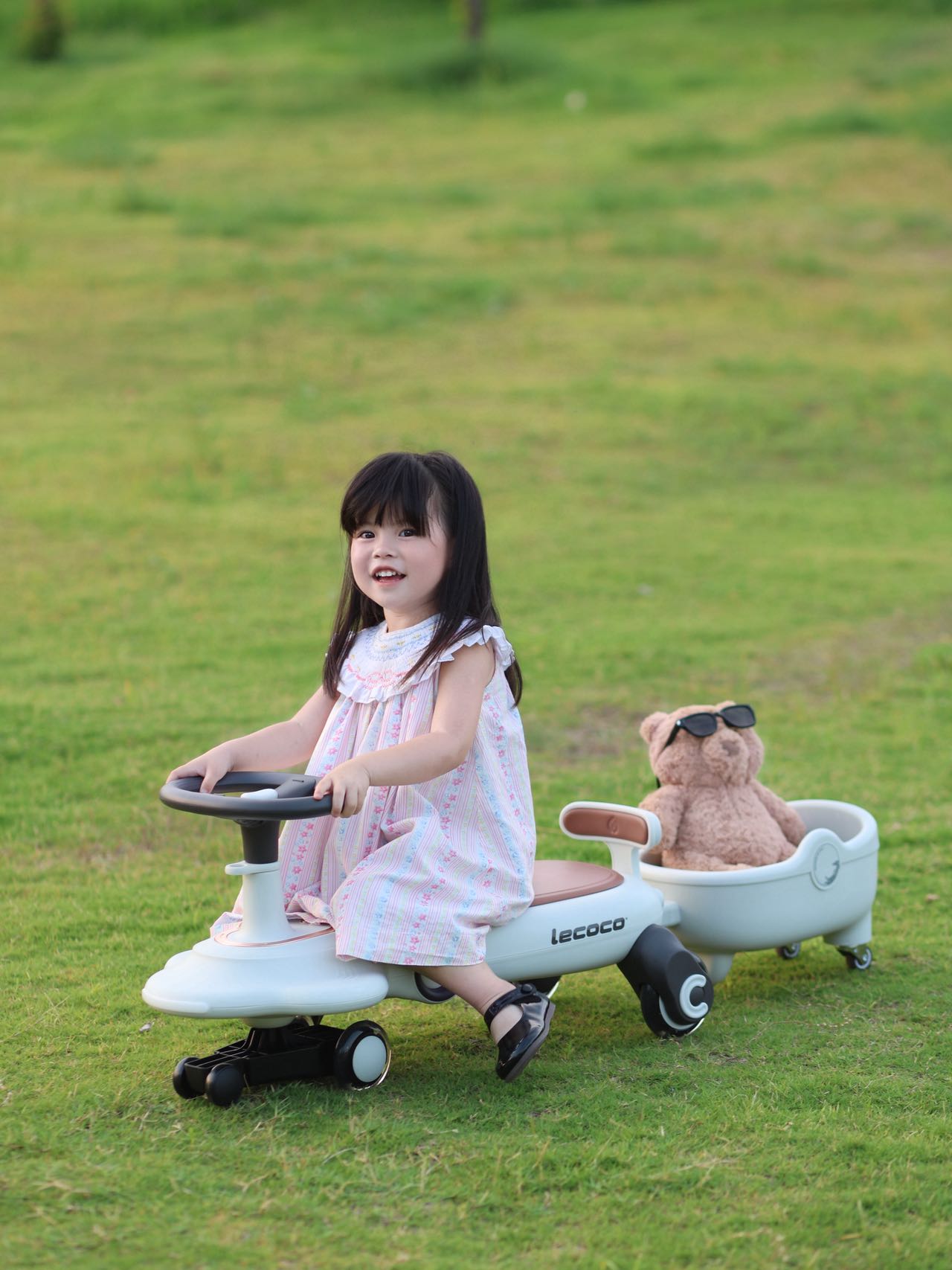
Motor skill development is a critical foundation for children's physical and cognitive growth, and the activities they engage in during early childhood significantly influence their ability to navigate the world with confidence and coordination. A twist car represents an innovative approach to supporting this essential developmental milestone through active play. Unlike traditional passive toys, a twist car engages children in dynamic movement patterns that naturally strengthen their core muscles, improve balance, and enhance spatial awareness.

The twist car phenomenon has gained recognition among parents, educators, and child development specialists as a tool that bridges entertainment with functional skill-building. When children operate a twist car, they engage in repetitive movements that require bilateral coordination, steering control, and balance adjustment. These activities translate directly into improvements in gross motor skills while simultaneously nurturing fine motor control as children learn to steer and manipulate the vehicle's mechanisms during play sessions.
How Twist Cars Enhance Gross Motor Control
Building Core Strength Through Active Play
The fundamental mechanism of a twist car involves the child's torso rotating and shifting weight side to side, which activates the core muscles essential for posture and stability. Every rotation required to operate a twist car strengthens the abdominal muscles, obliques, and lower back support structures. Children develop the muscular endurance necessary for prolonged physical activity and better posture during sitting and standing activities. This core strengthening through a twist car is not achieved through forced exercise but emerges naturally from the child's intrinsic motivation to move the vehicle forward.
Improving Balance and Spatial Awareness
Operating a twist car requires constant micro-adjustments to maintain balance and control, which directly develops the vestibular system responsible for equilibrium. As children navigate their environment on a twist car, they continuously calibrate their body position relative to obstacles, walls, and other objects. This real-time feedback loop strengthens the neural pathways governing spatial reasoning and environmental navigation. Children who regularly use a twist car demonstrate improved ability to judge distances, anticipate movements, and coordinate their bodies in relation to space.
Cognitive and Coordination Benefits of Twist Cars
Developing Fine Motor Precision
While a twist car is primarily known for gross motor development, the steering and directional control required engage fine motor muscles in the hands, wrists, and fingers. Children learn to apply graduated pressure to steering mechanisms and develop hand-eye coordination as they navigate their path. The cognitive demand to plan a route, anticipate turns, and execute steering adjustments simultaneously builds mental processing speed and decision-making capacity. Each play session with a twist car compounds these coordination gains, resulting in more fluid and efficient movements over time.
Enhancing Problem-Solving Capabilities
When children use a twist car in varied environments, they encounter challenges that require creative problem-solving. Navigating around obstacles, choosing optimal paths, and adapting to different surfaces all demand that the child assess their situation and adjust their approach. These cognitive exercises develop executive function skills including planning, impulse control, and flexible thinking. A twist car transforms unstructured play into an implicit learning opportunity where children practice decision-making within a fun, low-pressure context.
Social and Emotional Development Through Twist Car Play
Fostering Confidence and Independence
Mastering the operation of a twist car builds genuine achievement-based confidence in children. The progressive skill acquisition—from initial wobbly movements to smooth, controlled navigation—provides tangible evidence of their growing capabilities. This confidence extends beyond twist car use into other physical activities and domains where children apply their improved coordination and body awareness. Children develop a positive self-image as a capable, coordinated individual, which influences their willingness to attempt new physical challenges.
Facilitating Social Interaction and Cooperative Play
A twist car often becomes a focal point for peer interaction and parallel play. When multiple children have access to twist cars, they engage in imaginative games, races, and cooperative adventures. These social contexts teach negotiation, turn-taking, and shared enjoyment of physical activity. Parent-child interaction during twist car play strengthens bonding while the parent provides encouragement and witnesses developmental progress firsthand. The social dimension of twist car use extends motor skill development into the emotional and relational domains of child development.
Age-Appropriate Development and Long-Term Benefits
Supporting Development Across Multiple Age Ranges
Different age groups derive distinct benefits from twist car use, with younger children developing foundational balance and coordination while older children refine precision and speed control. A twist car that accommodates growth remains relevant across several years, providing consistent developmental support. The adjustability and durability of quality twist car designs ensure that the toy evolves with the child's capabilities and interests. This longevity maximizes the developmental return on investment and sustains the child's engagement with active, skill-building play.
Establishing Active Play Habits
Regular twist car use during early childhood establishes patterns of physical activity that often persist throughout life. Children who develop proficiency and enjoyment with active toys like a twist car are more likely to seek continued physical engagement. These early experiences with movement-based play contribute to healthier lifestyles, stronger motor skills in adolescence and adulthood, and greater confidence in physical domains. A twist car serves not only as a developmental tool for immediate skill-building but as a foundation for lifelong physical capability and wellness.
FAQ
What age group benefits most from using a twist car?
Children between ages two and eight benefit significantly from twist car play, with each age range developing different skill sets. Younger toddlers develop basic balance and directional awareness, while older children refine control and coordination. A twist car is most effective during the critical motor development window when children are naturally motivated to master new physical skills and actively seek movement-based play.
How often should children use a twist car for optimal motor development?
Regular, consistent use of a twist car produces better developmental outcomes than sporadic play sessions. Daily or near-daily access to a twist car for 20 to 30 minutes supports steady skill progression. The frequency and duration should align with the child's interest level and energy availability, as intrinsic motivation drives more effective learning. Outdoor twist car use during favorable weather and seasonal variations provides adequate opportunity for sustained motor skill development.
Can a twist car replace other forms of physical activity for children?
While a twist car provides excellent motor skill development, it should complement rather than replace a balanced range of physical activities. Twist car play develops specific skills like rotational core strength and steering control, but children also benefit from running, climbing, swimming, and other movement forms. A comprehensive approach to physical development integrates the twist car with varied activities that challenge different muscle groups and movement patterns for complete motor skill development.