
 EN
EN



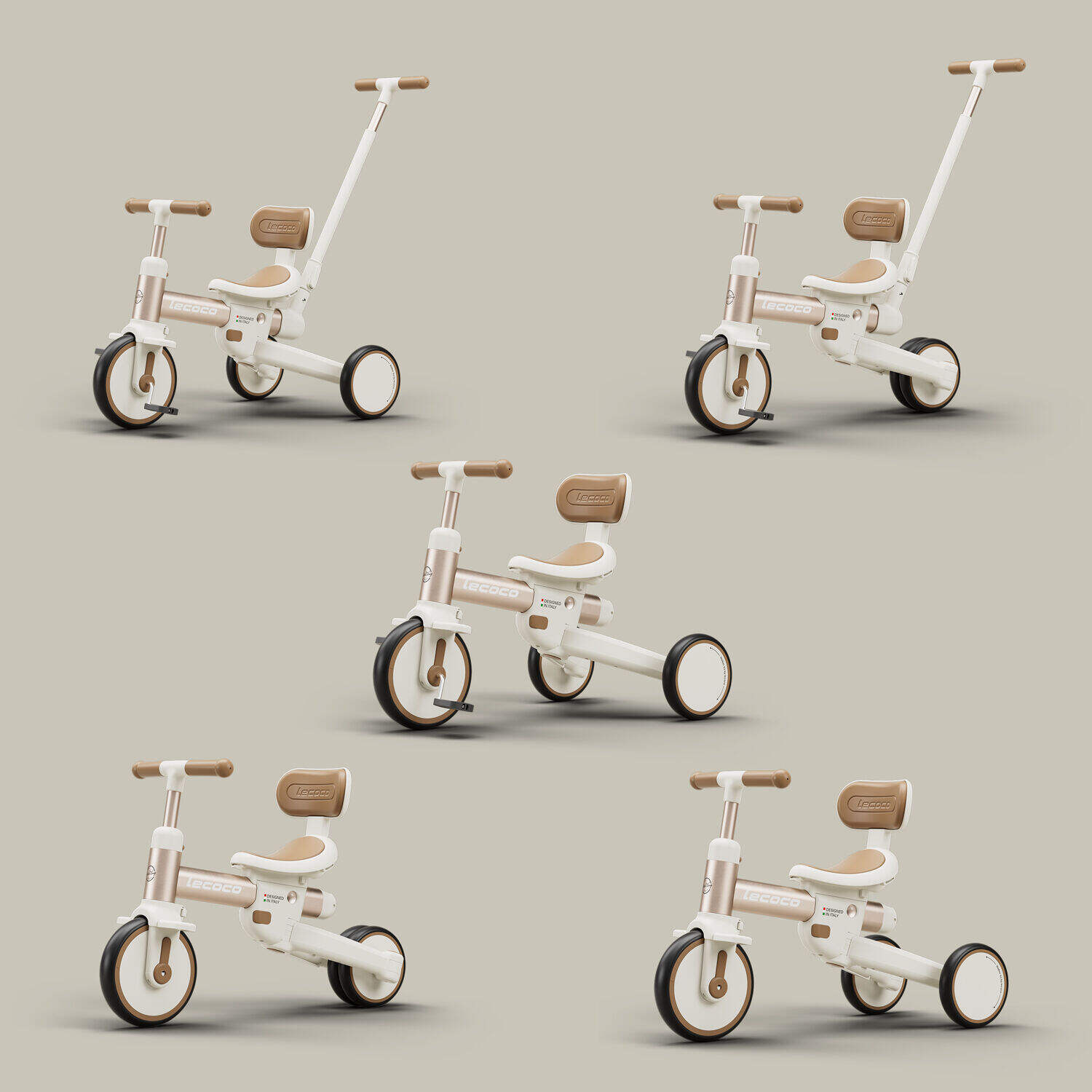
Retail success in the competitive stroller market depends on understanding and responding to evolving consumer preferences and lifestyle trends. As modern parents become increasingly discerning about functionality, safety, and design aesthetics, retailers must develop systematic approaches to select strollers that align with current market demand patterns. The ability to anticipate and stock products that meet these shifting requirements directly impacts inventory turnover, customer satisfaction, and overall profitability in this dynamic segment.
Contemporary parents prioritize versatility, convenience, and premium features when selecting strollers for their children. This shift toward quality over price sensitivity has created opportunities for retailers to focus on products that demonstrate clear value propositions through innovative design, enhanced safety features, and multi-functional capabilities. Understanding these preference patterns enables retailers to make informed procurement decisions that resonate with target customer segments while maintaining healthy profit margins in an increasingly sophisticated marketplace.
Understanding Current Market Demand Patterns
Urban Lifestyle Influences on Stroller Preferences
Urban parents increasingly demand strollers that navigate city environments effectively while maintaining compact storage capabilities for smaller living spaces. The trend toward apartment living and public transportation usage has elevated the importance of lightweight, foldable designs that perform reliably on various surfaces. Retailers should prioritize strollers featuring robust suspension systems, swivel wheels, and one-hand folding mechanisms to address these specific urban mobility challenges.
Metropolitan consumers also value strollers that transition seamlessly between indoor and outdoor environments, supporting their active lifestyles across diverse urban settings. This preference drives demand for models with removable components, weather-resistant materials, and adaptable configurations that accommodate everything from grocery shopping to park visits. Retailers focusing on urban markets should emphasize these versatility features when selecting inventory to match local demographic preferences.
Safety and Regulatory Compliance Trends
Modern parents demonstrate heightened awareness of safety standards and regulatory compliance when evaluating strollers, creating market demand for products that exceed minimum requirements. This trend reflects increased access to safety information and recalls data through digital platforms, making consumers more informed and selective about safety features. Retailers benefit from stocking strollers that prominently display certifications and safety innovations that provide peace of mind to cautious parents.
The emphasis on safety extends beyond basic compliance to include enhanced visibility features, improved braking systems, and advanced harness designs that accommodate growing children. Parents actively seek strollers with reflective elements for low-light conditions, intuitive brake mechanisms that prevent accidental release, and five-point harness systems with padding that ensures comfort during extended use. These safety-focused preferences create opportunities for retailers to differentiate their offerings through carefully selected products that address specific safety concerns.
Technology Integration and Smart Features
Contemporary strollers increasingly incorporate technology features that appeal to tech-savvy parents seeking convenience and connectivity in baby gear. This trend includes GPS tracking capabilities, smartphone app integration, and electronic monitoring systems that track usage patterns and maintenance schedules. Retailers should evaluate strollers with smart features that enhance the user experience without compromising core functionality or significantly increasing price points.
The integration of charging ports, LED lighting systems, and Bluetooth connectivity reflects parental expectations for baby gear that complements their digital lifestyles. However, retailers must balance these technological enhancements with practical considerations such as battery life, weather resistance, and maintenance requirements. Successful selection involves identifying strollers where technology adds genuine value rather than complexity, ensuring long-term customer satisfaction and reduced returns.
Analyzing Consumer Demographics and Preferences
Age and Income Segmentation Impact
Different demographic segments exhibit distinct preferences for strollers based on their life stage, income level, and family planning considerations. Millennial parents often prioritize eco-friendly materials, brand transparency, and products that align with sustainable living values, while Generation X parents may focus more on durability, practicality, and long-term value. Retailers should segment their stroller selection to address these generational differences while maintaining broad market appeal.
Income levels significantly influence purchasing decisions, with higher-income segments showing willingness to invest in premium strollers with advanced features and superior build quality. Middle-income consumers typically seek the best value proposition, balancing features with affordability, while budget-conscious buyers prioritize basic functionality and safety compliance. Effective retail selection involves offering strollers across multiple price points that deliver appropriate feature sets for each demographic segment.
Family Size and Lifestyle Considerations
Families with multiple children drive demand for convertible strollers that accommodate siblings of different ages, creating market opportunities for retailers who understand these multi-child dynamics. Single-child families may prioritize premium features and customization options, while larger families focus on durability, versatility, and cost-effectiveness across multiple uses. This segmentation influences everything from weight capacity requirements to accessory compatibility and long-term durability expectations.
Active lifestyle preferences among modern families create demand for strollers suitable for outdoor activities, jogging, and adventure-based recreation. These consumers seek products with enhanced suspension, larger wheels, and weather-resistant construction that support their active parenting approach. Retailers serving these segments should emphasize strollers designed for varied terrain and weather conditions while maintaining everyday usability for routine activities.
Regional and Cultural Variations
Geographic location significantly influences stroller preferences, with climate, infrastructure, and cultural norms shaping consumer expectations and usage patterns. Regions with extensive walkability and public transportation systems favor lightweight, compact strollers that facilitate urban mobility, while suburban areas with car-dependent lifestyles may prioritize larger, feature-rich models that accommodate vehicle-based transportation. Understanding these regional differences enables retailers to tailor their selection to local market conditions.
Cultural attitudes toward child-rearing and family activities also impact stroller selection criteria, with some communities emphasizing extended outdoor time while others focus on convenience and efficiency in daily routines. These cultural variations affect everything from color preferences and design aesthetics to functional features and price sensitivity. Retailers operating in diverse markets should consider these cultural factors when curating their stroller inventory to ensure broad market appeal.
Evaluating Product Features and Specifications
Essential Functional Requirements
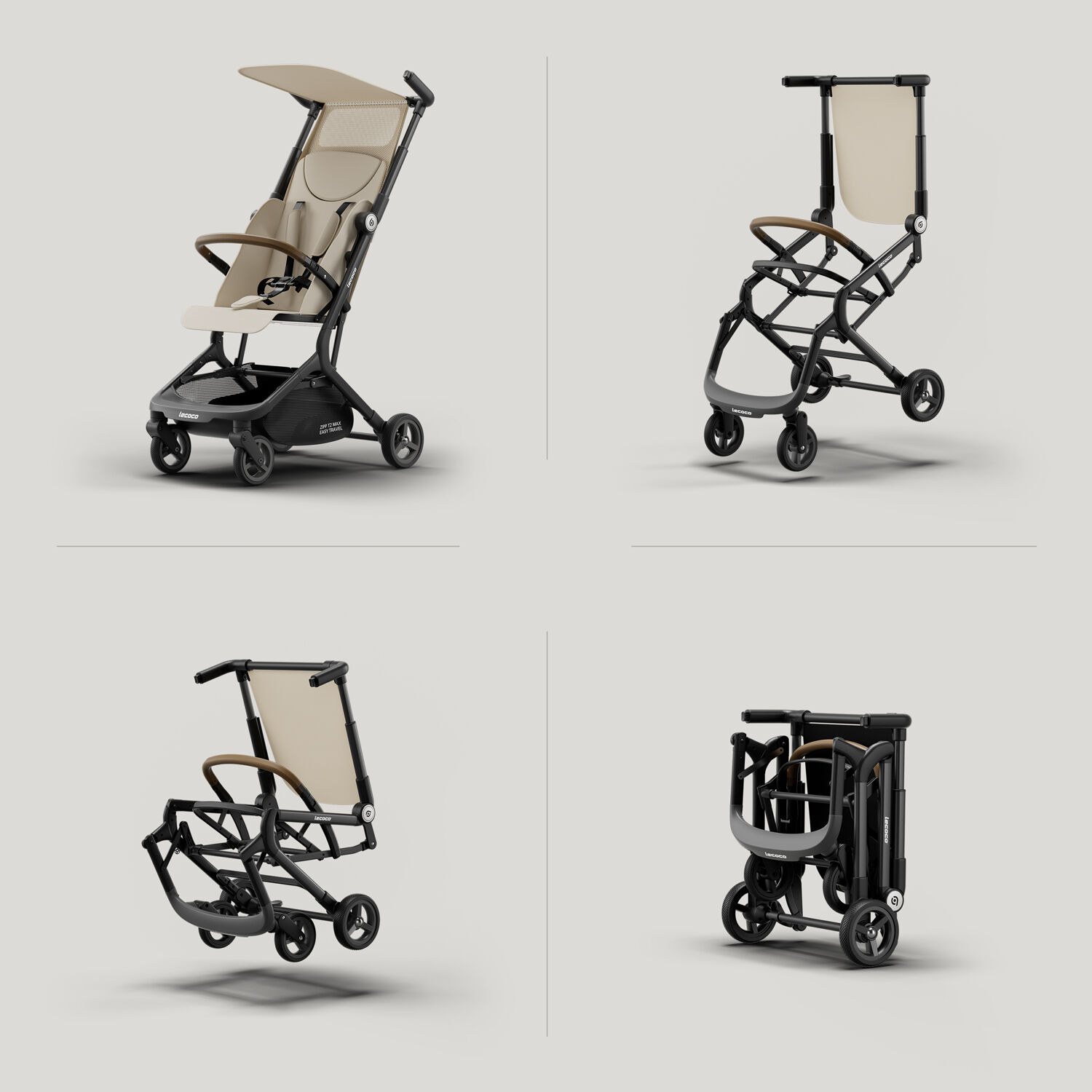
Core functional features represent the foundation of successful stroller selection, with retailers needing to prioritize models that deliver reliable performance across fundamental use cases. Weight capacity, folding mechanisms, and maneuverability characteristics directly impact user satisfaction and product longevity, making these specifications critical evaluation criteria. Strollers must demonstrate consistent performance under normal use conditions while maintaining safety standards throughout their expected lifespan.
Storage capacity and accessibility features significantly influence purchasing decisions, as parents require practical solutions for carrying essential items during outings. Retailers should evaluate strollers based on basket size, pocket placement, and overall storage design that accommodates varying load requirements. The integration of storage features with overall design aesthetics affects both functionality and visual appeal, important considerations for style-conscious consumers.
Build Quality and Durability Indicators
Material quality and construction standards directly correlate with product longevity and customer satisfaction, making these factors essential considerations in stroller selection. Retailers should assess frame materials, fabric durability, and component manufacturing standards to ensure selected strollers maintain performance and appearance over extended use periods. Higher-quality construction typically results in fewer warranty claims and returns, improving overall profitability despite potentially higher initial costs.
Testing protocols and quality assurance processes vary significantly among manufacturers, with some brands implementing more rigorous standards than others. Retailers benefit from understanding these quality differences and selecting strollers from manufacturers with established reputations for consistent production standards. This approach reduces the risk of defective products reaching customers while supporting long-term brand relationships built on reliability and performance.
Innovation and Differentiation Factors
Innovative features that provide genuine utility without compromising core functionality represent valuable differentiation opportunities in competitive retail markets. Retailers should identify strollers incorporating meaningful innovations such as improved folding systems, enhanced comfort features, or unique design elements that address specific consumer pain points. These innovations can justify premium pricing while attracting customers seeking cutting-edge solutions for their parenting needs.
The balance between innovation and complexity requires careful evaluation, as overly complicated features may frustrate users and increase return rates. Successful stroller selection involves identifying products where innovative elements enhance rather than complicate the user experience, ensuring long-term customer satisfaction. Retailers should test innovative features personally or through customer feedback to verify their practical value before committing to significant inventory investments.
Market Research and Trend Analysis Techniques
Digital Analytics and Consumer Behavior Data
Online consumer behavior data provides valuable insights into stroller preferences, search patterns, and purchasing trends that inform retail selection decisions. E-commerce platforms, social media engagement, and review analysis reveal emerging preferences and potential market gaps that retailers can address through strategic product selection. Digital analytics tools enable retailers to track consumer interest in specific features, brands, and price points over time.
Search engine data and keyword analysis reveal consumer priorities and information-seeking patterns related to stroller selection, helping retailers understand which features and benefits resonate most strongly with target audiences. This data enables more precise inventory planning by identifying trending features and declining preferences before they significantly impact sales performance. Retailers can leverage this information to anticipate demand shifts and adjust their selection accordingly.
Industry Reports and Trade Intelligence
Professional market research reports provide comprehensive analysis of industry trends, competitive landscapes, and emerging technologies that influence stroller market dynamics. These resources help retailers understand broader market forces affecting consumer preferences and manufacturer innovations, enabling more informed selection decisions. Trade publications and industry associations often provide early insights into regulatory changes and safety standards that may impact product requirements.
Competitive intelligence gathered from trade shows, manufacturer announcements, and retailer observations provides practical insights into market direction and emerging opportunities. This information helps retailers identify gaps in current market offerings and select strollers that address unmet consumer needs. Understanding competitor strategies and product positioning enables better differentiation and more effective inventory planning across various market segments.
Customer Feedback and Return Analysis
Systematic analysis of customer reviews, complaints, and return patterns provides direct insights into product performance and consumer satisfaction levels with different stroller models. This feedback reveals common issues, preferred features, and areas where current products fail to meet customer expectations, guiding future selection decisions. Retailers should maintain databases of customer feedback to identify trends and patterns that inform long-term procurement strategies.
Return analysis specifically highlights product defects, design flaws, and feature gaps that cause customer dissatisfaction, enabling retailers to avoid problematic models and focus on products with proven track records. Understanding why customers return specific strollers provides valuable intelligence for future selection while identifying opportunities to improve customer communication about product features and limitations. This analysis should include both quantitative return rates and qualitative reasons for returns.
Strategic Selection and Inventory Management
Product Portfolio Balancing
Effective stroller retail requires balancing product portfolios across multiple dimensions including price points, feature sets, and target demographics to maximize market coverage while maintaining inventory efficiency. Retailers should develop systematic approaches to product mix optimization that consider local market characteristics, seasonal demand patterns, and competitive positioning requirements. This strategic approach ensures comprehensive market coverage without excessive inventory complexity or carrying costs.
Seasonal variations in stroller demand require careful planning to maintain appropriate inventory levels throughout the year while avoiding overstock situations during low-demand periods. Birth rate patterns, holiday gift-giving seasons, and weather-related usage changes all influence demand timing and should inform inventory planning decisions. Successful retailers develop seasonal stocking strategies that anticipate these demand fluctuations while maintaining sufficient variety to serve diverse customer needs.
Supplier Relationship Management
Building strong relationships with stroller manufacturers and distributors provides retailers with access to market intelligence, product development insights, and favorable terms that support competitive positioning. These relationships enable better understanding of production schedules, quality control processes, and upcoming product launches that inform selection decisions. Effective supplier management also provides opportunities for exclusive arrangements and early access to innovative products.
Quality assurance collaboration with suppliers helps ensure consistent product standards and reduces the risk of defective merchandise reaching customers. Retailers should establish clear quality expectations and communication protocols with suppliers to address issues quickly and maintain customer satisfaction. This collaborative approach benefits both parties by reducing returns, warranty claims, and reputation risks associated with product quality problems.
Inventory Optimization and Turnover Management
Stroller inventory management requires balancing customer choice with efficient turnover rates to maintain healthy cash flow and minimize carrying costs. Retailers should analyze sales velocity data to identify fast-moving models and slow-moving inventory that may require promotional pricing or discontinuation. This analysis enables more precise ordering decisions and helps optimize warehouse space utilization across different product categories.
Dynamic pricing strategies and promotional planning help move inventory while maintaining profit margins, particularly for seasonal items or products approaching end-of-life cycles. Retailers should develop systematic approaches to markdown timing and promotional depth that clear inventory efficiently without damaging brand perception or creating customer expectations for constant discounting. Effective inventory optimization balances customer satisfaction with financial performance objectives.
FAQ
What are the most important factors retailers should consider when selecting strollers for their inventory?
Retailers should prioritize safety certifications, build quality, and features that align with their target demographic preferences. Market demand analysis, competitor positioning, and seasonal patterns also significantly influence successful selection decisions. Understanding local customer preferences through demographic analysis and feedback review helps ensure inventory choices match actual buying patterns.
How can retailers identify emerging trends in stroller preferences before they become mainstream?
Monitoring social media discussions, analyzing search trends, and tracking early adopter behavior provides insights into emerging preferences. Trade show participation, manufacturer communications, and industry publications offer early intelligence about developing trends. Customer feedback analysis and competitive intelligence gathering also reveal shifting preferences that may indicate broader market movements.
What role does price positioning play in stroller selection for retailers?
Price positioning affects market segment access and competitive differentiation, requiring retailers to balance margin objectives with market coverage goals. Offering strollers across multiple price points enables broader customer appeal while maintaining profitability through strategic mix management. Understanding local income demographics and spending patterns helps optimize price point selection for maximum market penetration.
How frequently should retailers evaluate and adjust their stroller inventory selection?
Quarterly reviews of sales performance, customer feedback, and market trends enable timely adjustments to inventory selection while avoiding excessive change frequency. Annual strategic reviews should assess overall portfolio performance and alignment with market evolution. However, retailers should remain flexible enough to respond quickly to significant market shifts or product quality issues that require immediate selection changes.
Table of Contents
- Understanding Current Market Demand Patterns
- Analyzing Consumer Demographics and Preferences
- Evaluating Product Features and Specifications
- Market Research and Trend Analysis Techniques
- Strategic Selection and Inventory Management
-
FAQ
- What are the most important factors retailers should consider when selecting strollers for their inventory?
- How can retailers identify emerging trends in stroller preferences before they become mainstream?
- What role does price positioning play in stroller selection for retailers?
- How frequently should retailers evaluate and adjust their stroller inventory selection?