
 EN



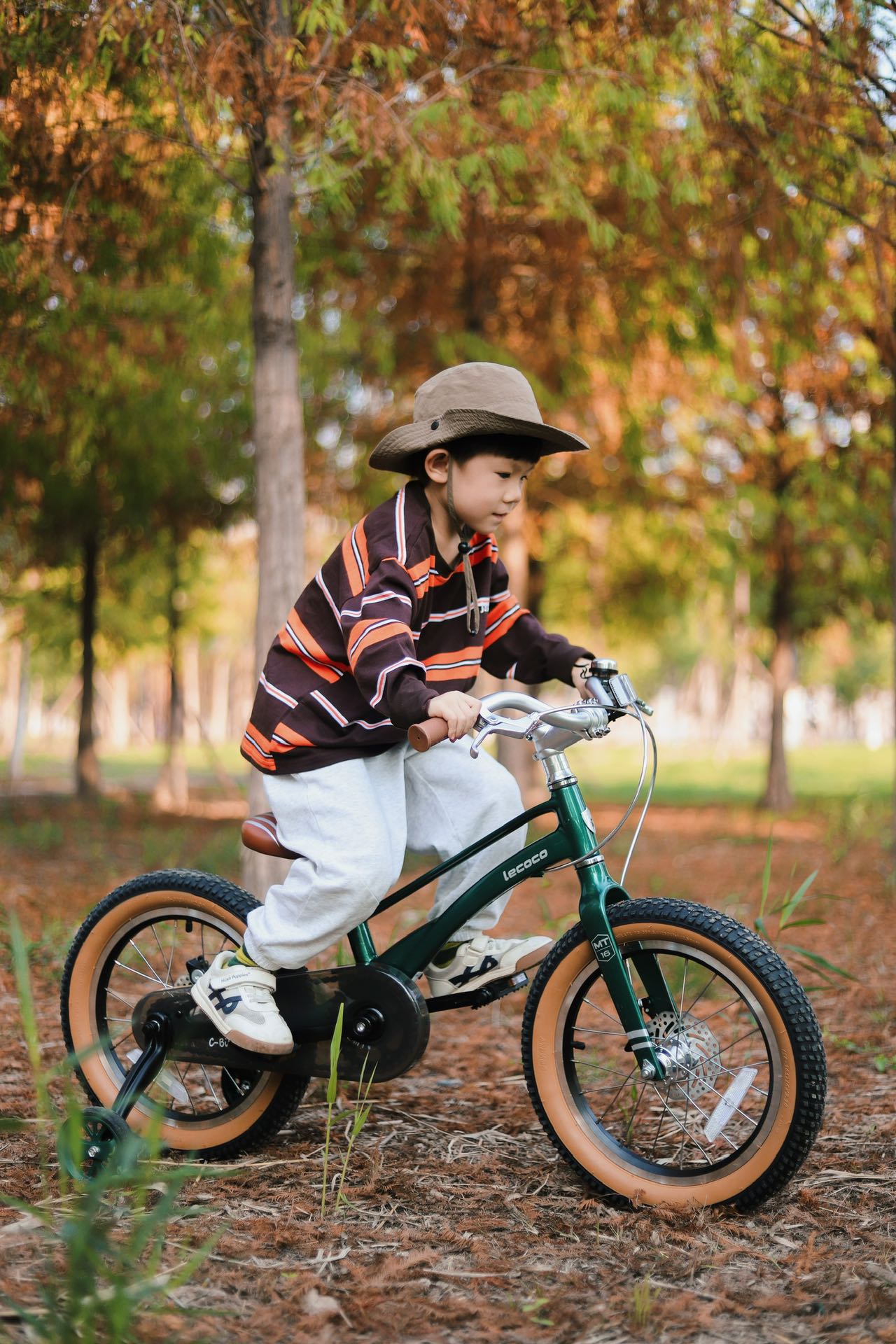
Children sports retailers face constant pressure to stock products that drive both customer engagement and profit margins. A well-selected kids bike inventory becomes one of the most strategic assets in this equation. The kids bike category represents far more than a single product line—it serves as a cornerstone of customer loyalty, seasonal revenue, and brand differentiation in a competitive retail landscape. Understanding why kids bikes matter helps retailers make informed purchasing decisions that strengthen their market position.
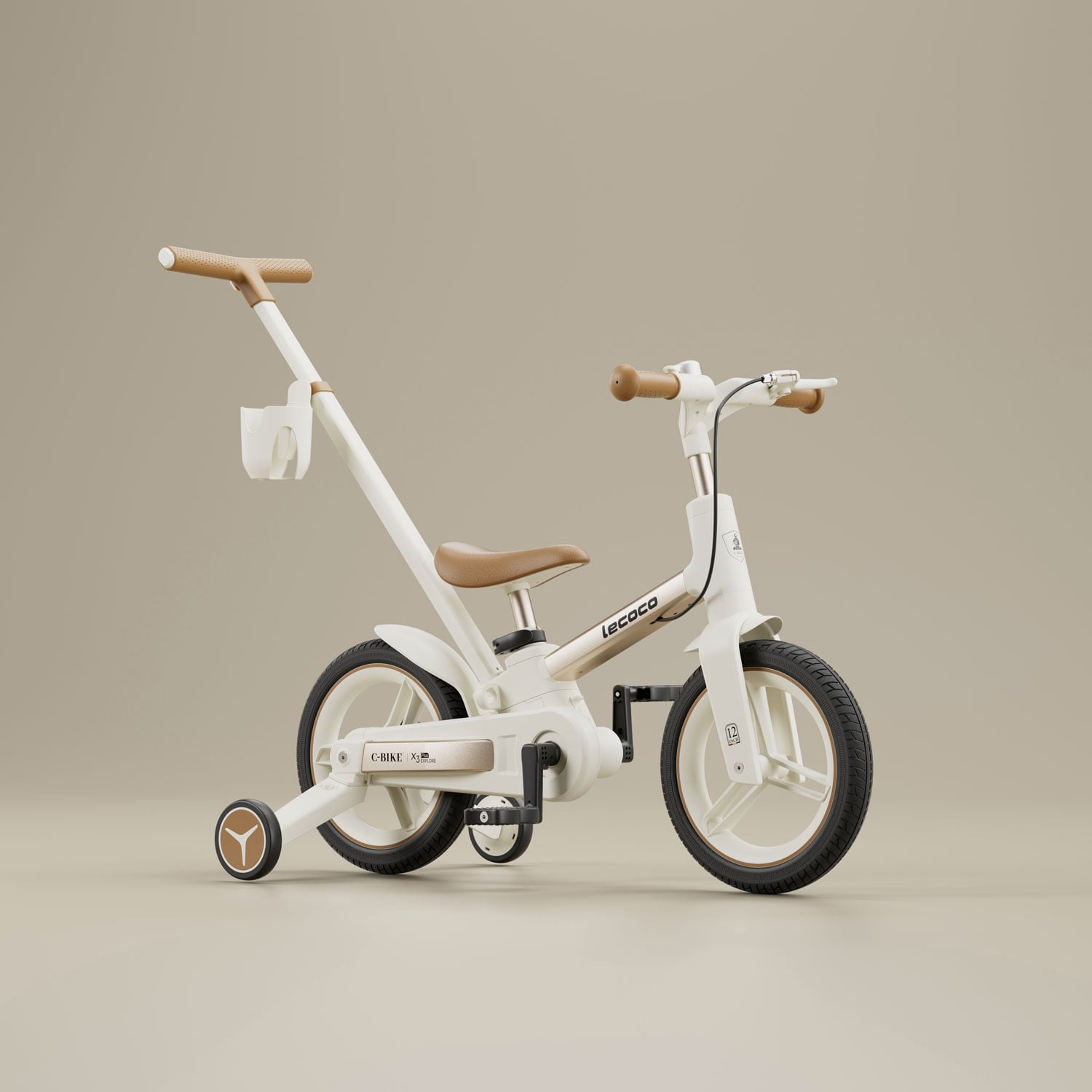
The kids bike market continues to expand as parents prioritize outdoor activity, physical fitness, and skill development for their children. Retailers who recognize the strategic value of quality kids bikes unlock multiple revenue streams, from direct sales to accessory cross-sells and service opportunities. This article explores the core reasons why kids bikes have become indispensable for children sports retailers seeking sustainable growth and customer satisfaction.
Market Demand and Revenue Opportunity
Growing Parental Investment in Children's Wellness
Parents increasingly invest in outdoor recreational products that support their children's health and development. The kids bike category benefits directly from this trend, as cycling offers low-impact cardiovascular activity, balance development, and independence building. A quality kids bike typically commands higher price points than many toy categories, generating substantial margin per unit. Retailers stocking varied kids bike options—from beginner balance bikes to advanced multi-speed models—position themselves to capture multiple customer segments across income levels and developmental stages.
Seasonal and Year-Round Sales Cycles
Unlike many children's products that spike only during holidays, kids bikes maintain consistent demand across seasons. Spring and summer naturally drive peak kids bike purchasing, but fall back-to-school seasons and winter gift-giving periods create secondary waves. Retailers with kids bike inventory balanced across these cycles avoid stockouts during high-demand windows while maintaining steady cash flow. This predictable demand pattern makes kids bikes more reliable revenue drivers compared to trend-dependent toy segments.
Customer Loyalty and Lifetime Value
Building Long-Term Retail Relationships
A children sports retailer's kids bike purchase often marks the beginning of a multi-year customer relationship. As children grow, they require progressively larger and more advanced bikes, creating natural repeat purchase opportunities. Families that purchase their first kids bike from a particular retailer develop trust and convenience habits, leading them to return for upgrades, repairs, and accessories. This loyalty compound becomes increasingly valuable as a single customer family may purchase three to five bikes over a ten-year period, plus ongoing maintenance services and complementary products.
Cross-Selling and Accessory Attachment
Kids bikes serve as powerful entry points for broader accessory and safety equipment sales. A customer purchasing a kids bike typically needs helmets, lights, locks, gloves, and protective padding—all high-margin items. Premium kids bike buyers often purchase advanced accessories like training wheel replacements, suspension upgrades, and maintenance kits. Retailers who actively cross-sell these complementary products alongside kids bikes significantly increase average transaction value and customer lifetime revenue without requiring additional traffic.
Brand Differentiation and Competitive Advantage
Quality and Safety as Differentiators
The kids bike category allows retailers to differentiate through quality, safety certifications, and expert service. Online retailers and mass-market discount stores compete primarily on price, leaving children sports retailers vulnerable unless they offer superior expertise and product curation. Retailers specializing in high-quality, safety-certified kids bikes build reputation as trusted authorities in children's sports equipment. This expertise becomes a defensible competitive moat that discount channels cannot easily replicate, justifying premium positioning and attracting quality-conscious families.
Expert Service and Community Building
Retailers who provide kids bike fitting services, maintenance training, and riding safety education create experiences that pure online channels cannot offer. Many families seek guidance on selecting the appropriate kids bike size, frame material, and gearing for their child's age and ability level. Providing professional fitting services, maintenance workshops, and community cycling events around kids bikes builds loyal customer communities. These value-added services transform retail locations into destinations rather than mere transaction points, increasing customer visit frequency and creating organic word-of-mouth marketing.
Operational and Inventory Management Benefits
Predictable Inventory Management
The kids bike category offers relatively predictable inventory patterns compared to fast-moving trend products. Retailers can confidently forecast kids bike demand based on historical data, seasonal patterns, and community demographics. This predictability reduces the risk of excess inventory or stockouts that plague retailers carrying highly trend-sensitive merchandise. A well-managed kids bike inventory requires less constant attention and repricing compared to volatile fashion or toy categories, freeing retail staff to focus on customer service and community engagement.
Sustainable Margin Structure
Quality kids bikes generally maintain healthier margins than many children's products, particularly when bundled with accessories and services. While discount-focused competitors may push kids bike prices toward cost, specialty retailers can sustain premium pricing through superior product selection, expert guidance, and after-sale service. The kids bike category rewards retailers who invest in product knowledge and customer experience rather than competing purely on price. This margin sustainability becomes critical for independent and specialty retailers seeking profitability in an era of intense big-box and online competition.
FAQ
What factors make a quality kids bike essential for retailers?
Quality kids bikes offer several retail advantages: they command premium pricing, reduce safety liability through proper engineering, generate repeat purchases as children grow, and create accessory upsell opportunities. Retailers stocking well-engineered kids bikes attract quality-conscious families and build reputation for safety expertise. A quality kids bike also performs reliably, reducing return rates and warranty costs compared to cheaply-made alternatives.
How do kids bikes drive customer lifetime value?
Children typically require multiple bikes as they grow from ages two to sixteen, creating natural repeat purchase cycles. Each kids bike purchase presents opportunities for accessory sales, maintenance services, and safety equipment upsells. Families who develop trust in a retailer's expertise with their first kids bike purchase tend to return for subsequent purchases and service needs, building multi-year customer relationships worth thousands in total revenue.
Can retailers succeed focusing exclusively on kids bikes?
While kids bikes alone cannot sustain most retail operations, they serve effectively as a cornerstone product category within a broader children sports or outdoor retail strategy. Kids bikes attract regular foot traffic, enable cross-selling of complementary products, and build customer relationships that support sales of other categories. Retailers combining quality kids bike offerings with adjacent products like helmets, scooters, skateboards, and sports equipment create compelling community destinations.